
Hoarse guides. 3-star reviews that say “we could barely hear the commentary.” Guests drifting off mid-stop because traffic drowns out the stories. If any of this sounds familiar, you already know the core tension in the tour guide vs speaker debate.
Many city tour operators start with portable speakers for their low price tag and simple setup. What seems like a budget-friendly choice quickly adds hidden costs: vocal strain for guides, lower review scores, and strict limits on group size and route flexibility.
This guide breaks down the practical, operational differences between the two audio solutions. It will help you calculate which option delivers better long-term value for your routes, group sizes, and business goals.
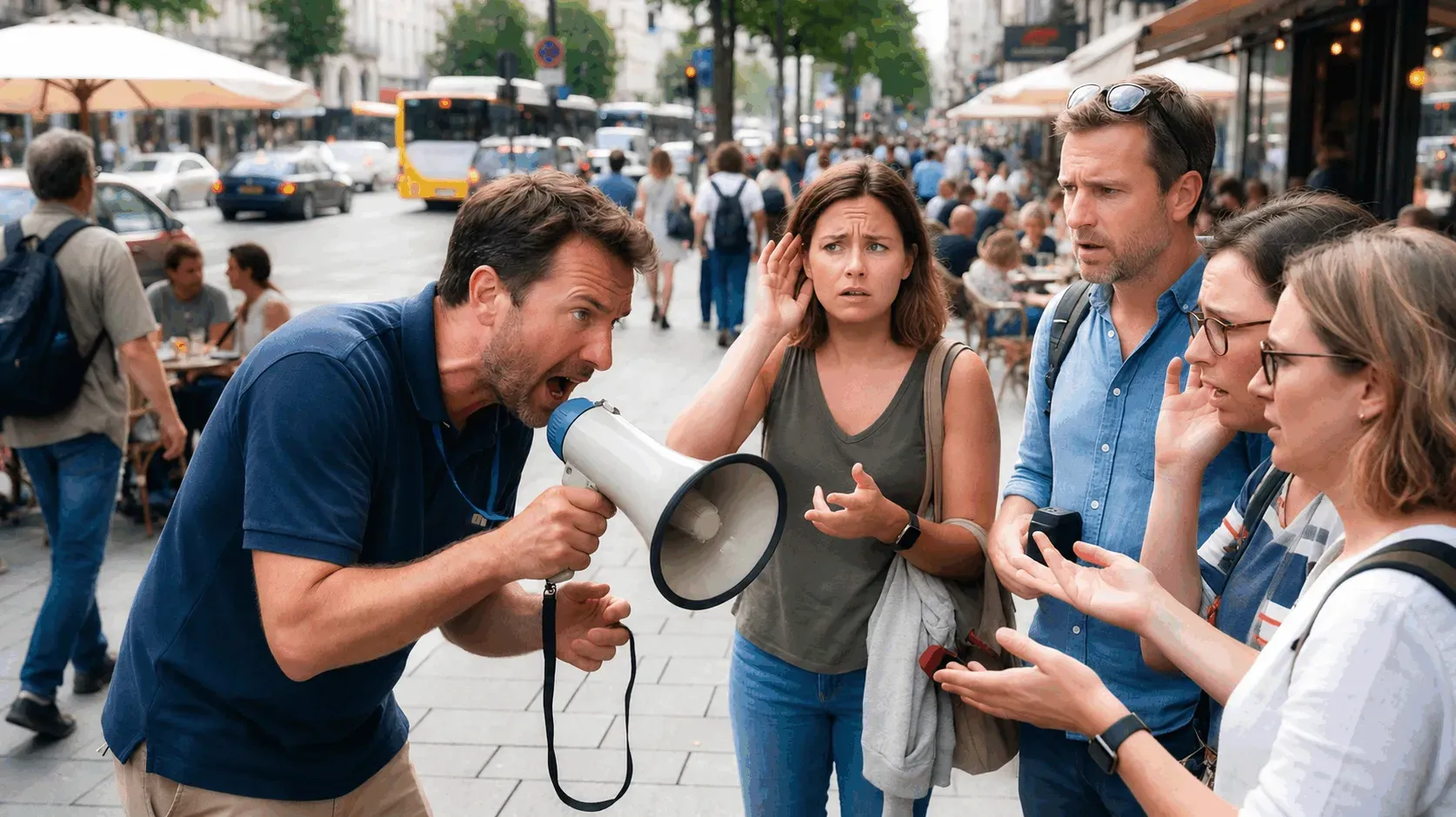
Portable speakers work on a simple broadcast model: the guide speaks, and the device projects sound to everyone nearby. For groups of 8 or fewer in quiet parks or low-traffic neighborhoods, this can work passably well.
The model breaks down quickly on busy urban streets. Traffic, café chatter, street performers, and nearby tour groups all layer on ambient noise. To reach the back of the group, guides must speak louder and crank up the volume. This creates uneven sound: too loud for people at the front, still too quiet for anyone more than a few meters back.
Guest spread makes this problem worse. Visitors stop for photos, read plaque signs, or step into shops. Even a 10-meter gap can turn clear speech into muffled, unintelligible noise with a standard speaker.
For operators running multiple tours per day, there is another cost. Overlapping speaker sound causes crosstalk between groups. Guests hear snippets of other guides’ commentary, which breaks immersion and generates complaints from local businesses and residents.
Over time, constant shouting also takes a toll on guides. Vocal strain leads to more sick days, higher turnover, and less energetic delivery on tour. All of this drags down review scores and repeat booking rates.
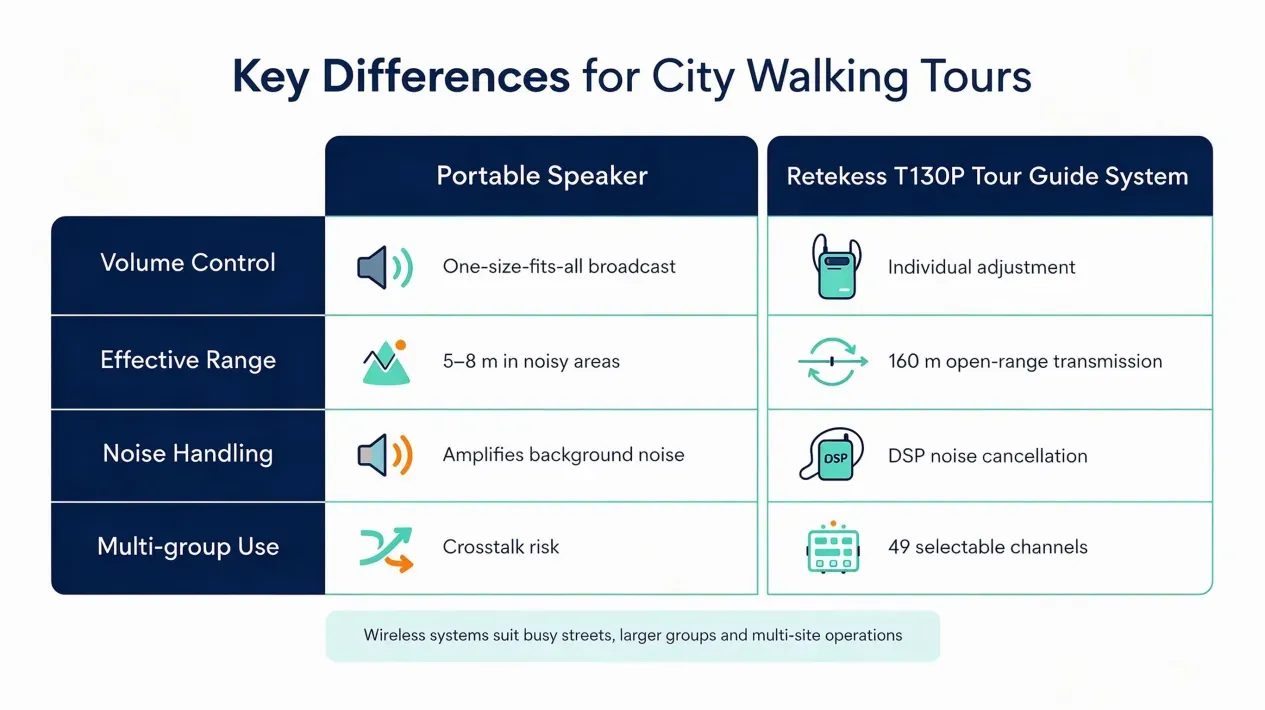
The gap between the two options goes beyond raw volume. They use fundamentally different audio delivery models, and each creates a very different guest and guide experience.
With a portable speaker, every guest gets the same volume level. What feels comfortable two meters away is too quiet for someone 10 meters back. It can also be overwhelming for anyone standing right next to the speaker.
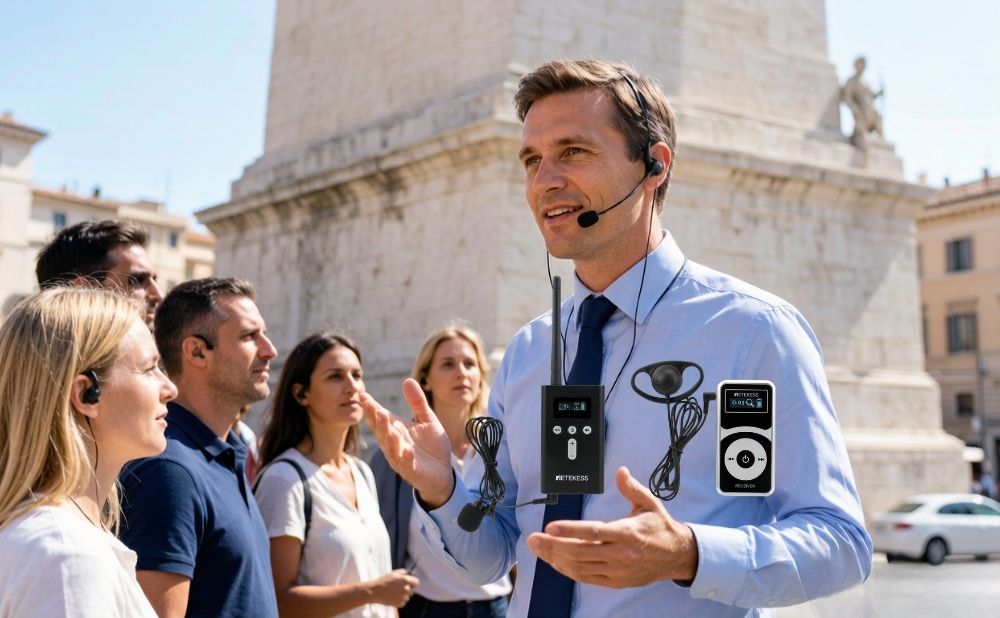
Wireless tour guide systems fix this with individual receivers. Each guest wears a lightweight earpiece and adjusts volume to their own preference. Guests with mild hearing loss can turn it up. Sensitive listeners can keep it low. No one strains to hear, and no one leaves with ringing ears.
Portable speakers have an effective range of 10 to 15 meters in quiet conditions. In noisy city environments, that drops to 5 to 8 meters. Guides must constantly herd guests into tight clusters at every stop, which slows down tours and frustrates independent travelers.
A wireless tour guide system transmits voice directly to each receiver. The signal travels through crowds and minor obstacles. Guests can step back for photos or browse a shop window without missing a single story. Guides keep the tour on pace instead of pausing for stragglers.
Speakers amplify everything in the environment, including background noise. Turn up the volume to beat traffic, and you also amplify wind, crowd hum, and street noise. The result is muddy, hard-to-follow speech, even at maximum volume.
Modern tour guide systems use digital noise cancellation to filter out ambient sound. The guide’s voice stays sharp and clear, even on busy avenues or crowded plazas. Guests hear the commentary, not the city around them.
Most portable speakers rely on a single open frequency or basic Bluetooth. When multiple tours work in the same area, signals can overlap. Guests hear mixed commentary from nearby groups, which ruins immersion and causes confusion.
Professional tour guide systems support multiple independent channels. Each group uses its own dedicated frequency. Dozens of groups can operate in the same location without crosstalk. This is critical for high-density destinations during peak season.
For many operators, the question is not if tour guide systems work better. It is when the investment makes financial sense. You will see the fastest return in these scenarios:
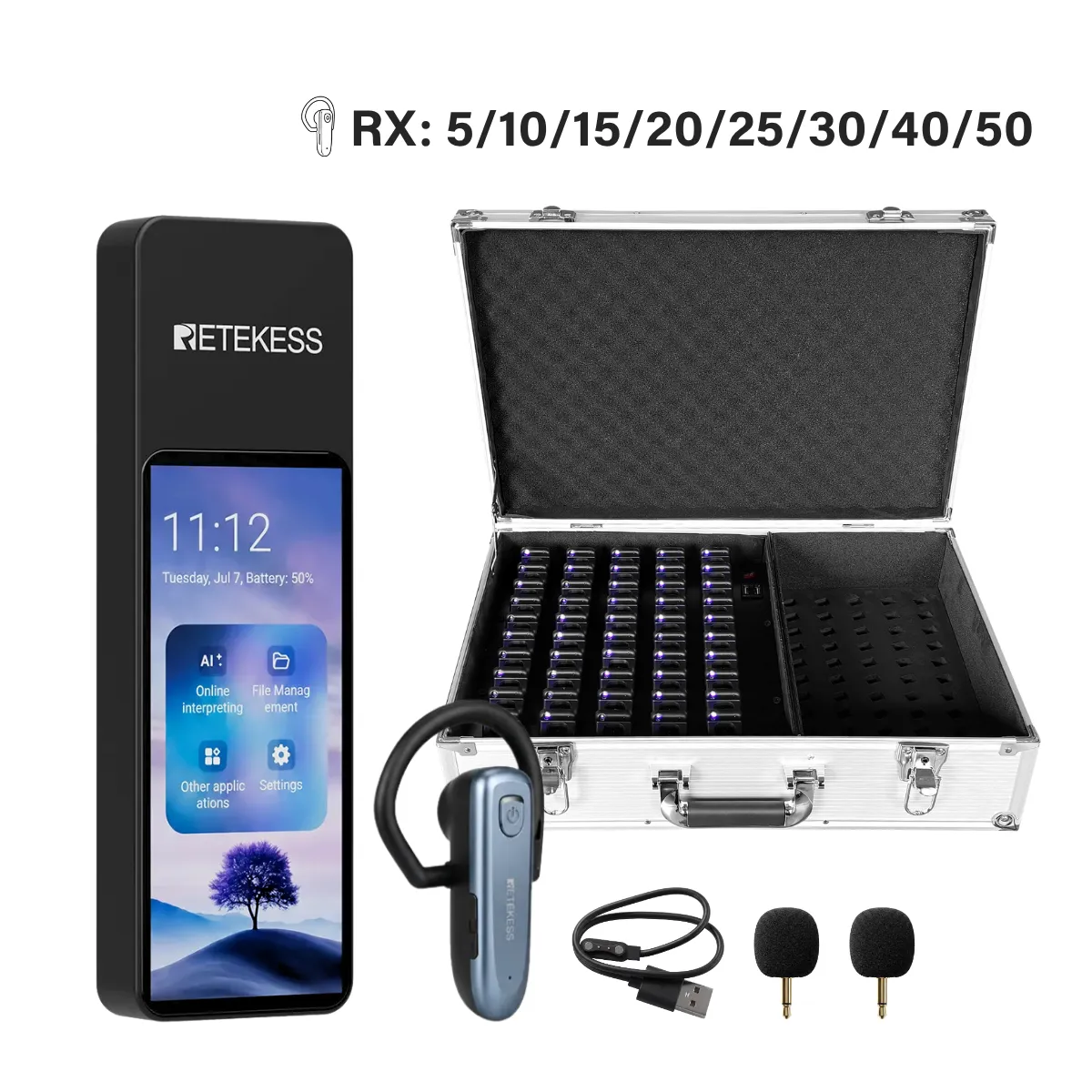
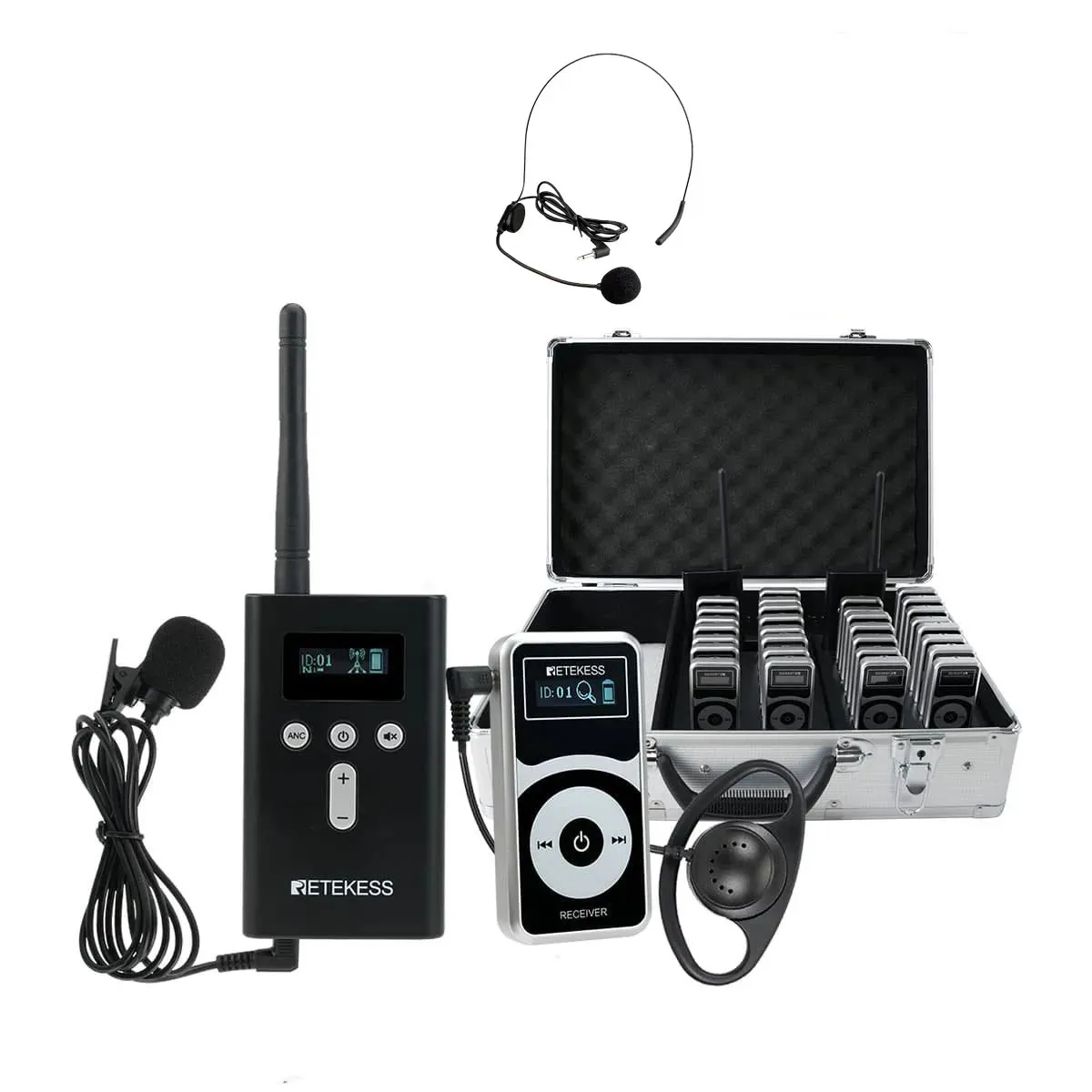
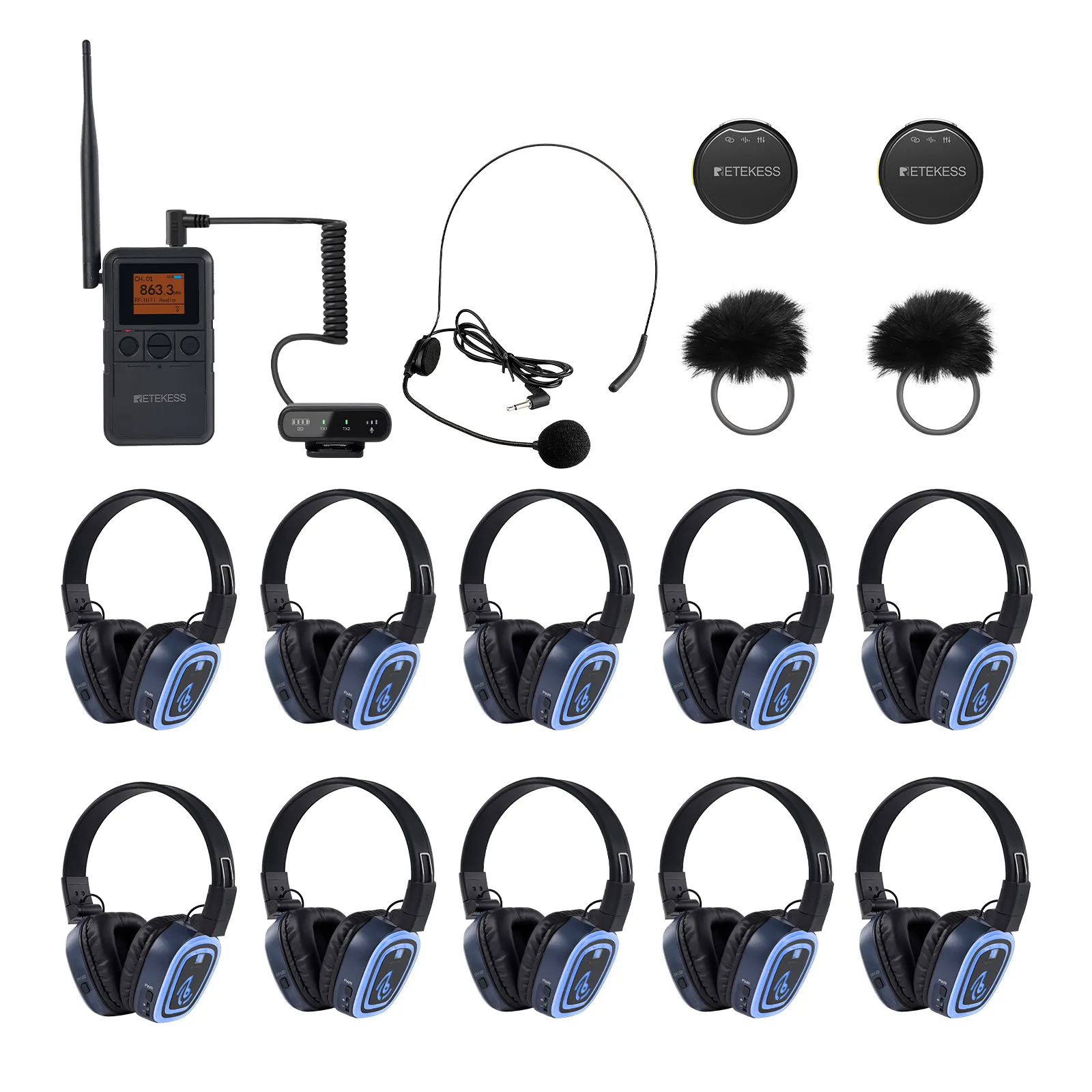
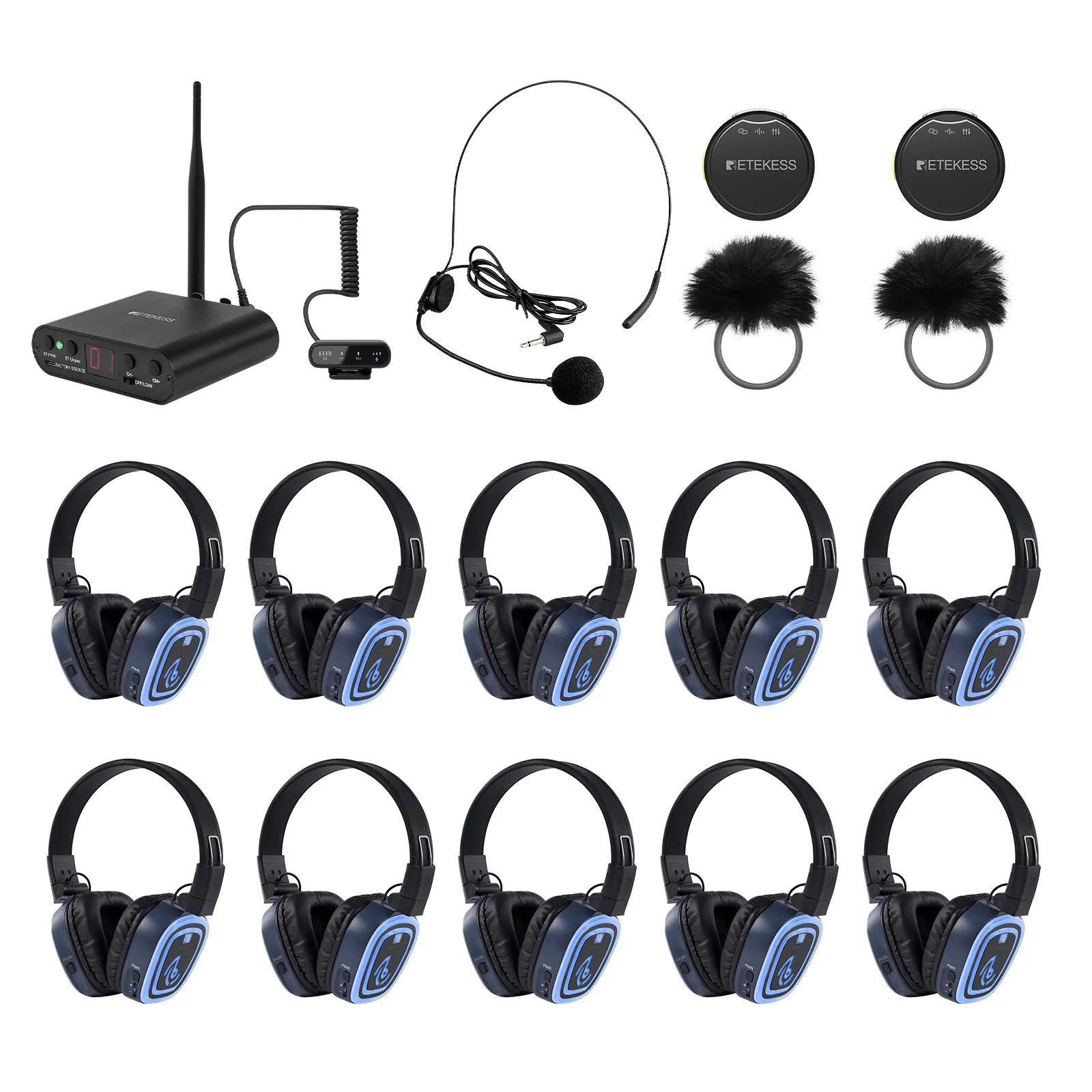
The Retekess T130P Tour Guide System is built specifically for these city tour use cases. It solves the most common pain points of portable speakers, without unnecessary complexity or steep learning curves.
Its DSP noise-canceling chip offers 1 to 4 levels of adjustable noise reduction. Guides match the setting to current street conditions, from quiet side streets to busy main squares. Guests hear clear, natural voice even near heavy traffic or crowded landmarks.
The system delivers 160 meters of open-range transmission. Guests can step back for photos or explore a small area without losing the audio feed. Guides spend less time rounding up stragglers and more time delivering engaging commentary.
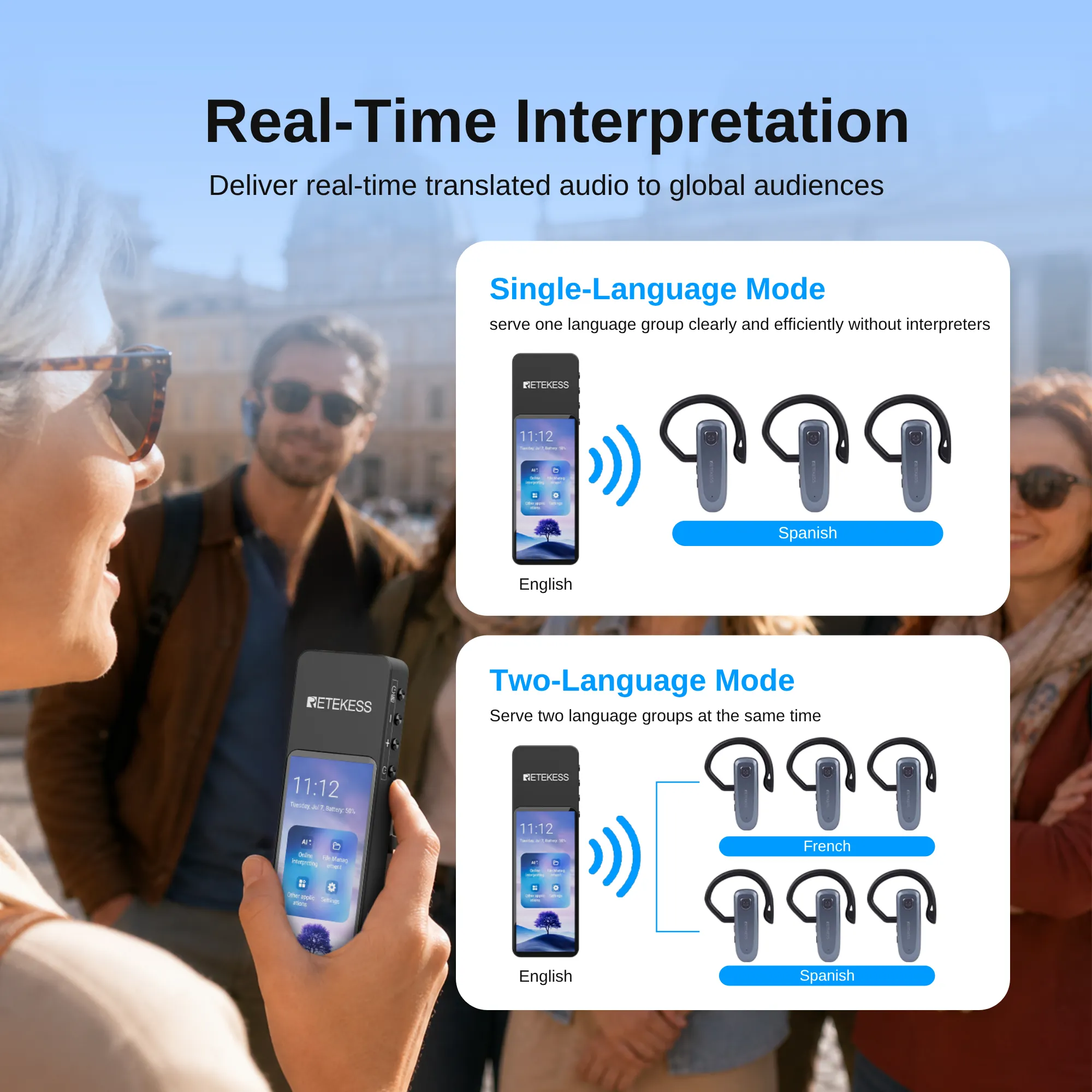
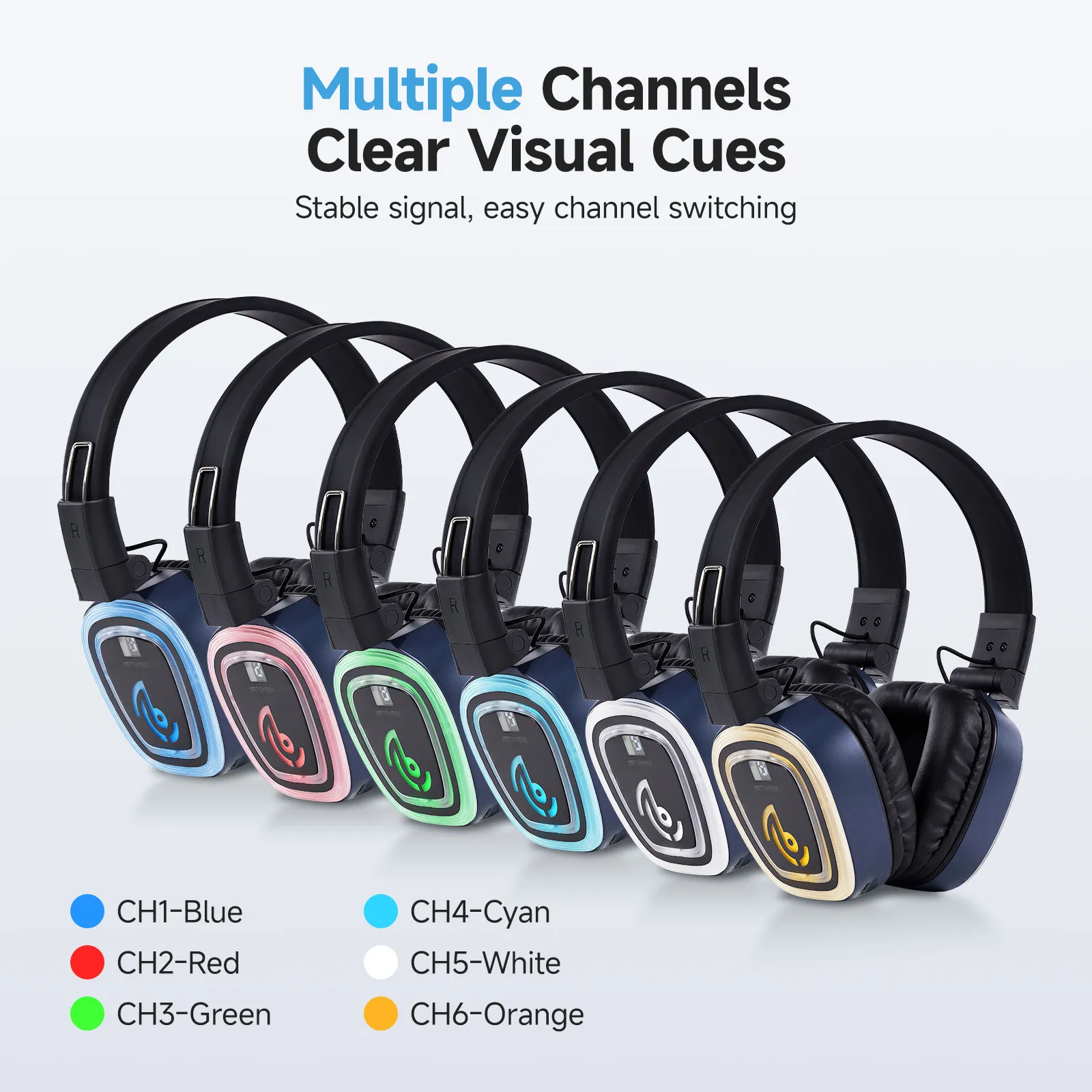
With 49 selectable channels, the T130P supports multiple groups side by side. You can run separate language tours in the same square without frequency crosstalk. This adds scheduling flexibility for high-season demand.
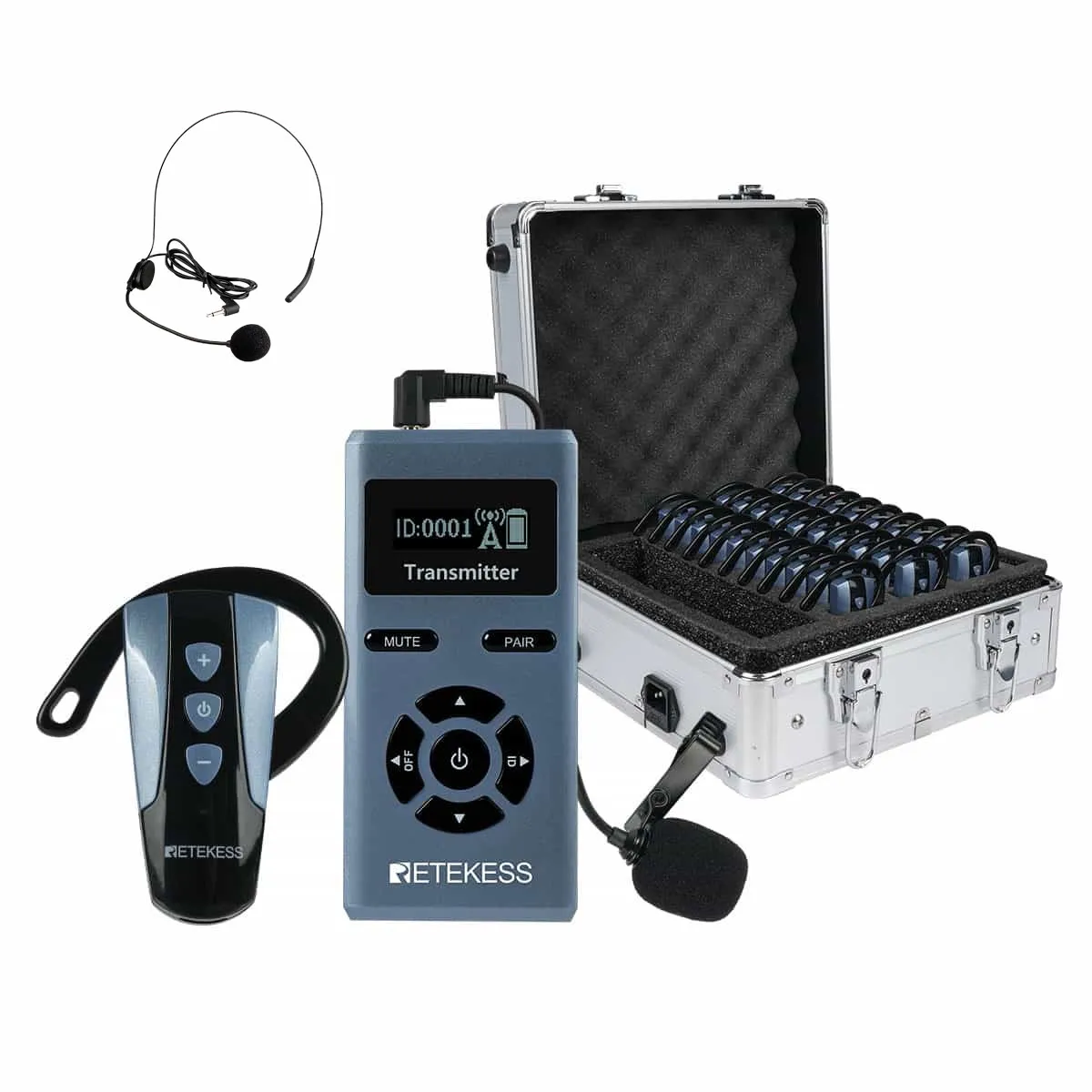
Battery life supports full-day tours without midday charges. Transmitters run 20 hours on one charge, and receivers last 36 hours. Contact charging bases power dozens of units at once. Staff do not need to plug in each device individually, saving hours of prep time between tour shifts.
You do not need to replace all your speakers at once to see results. Many successful operators start with a single set of tour guide systems for premium or large-group tours.
This phased approach lets you test the impact on review scores and guide feedback first. You can then expand your fleet as demand grows and you see measurable returns.
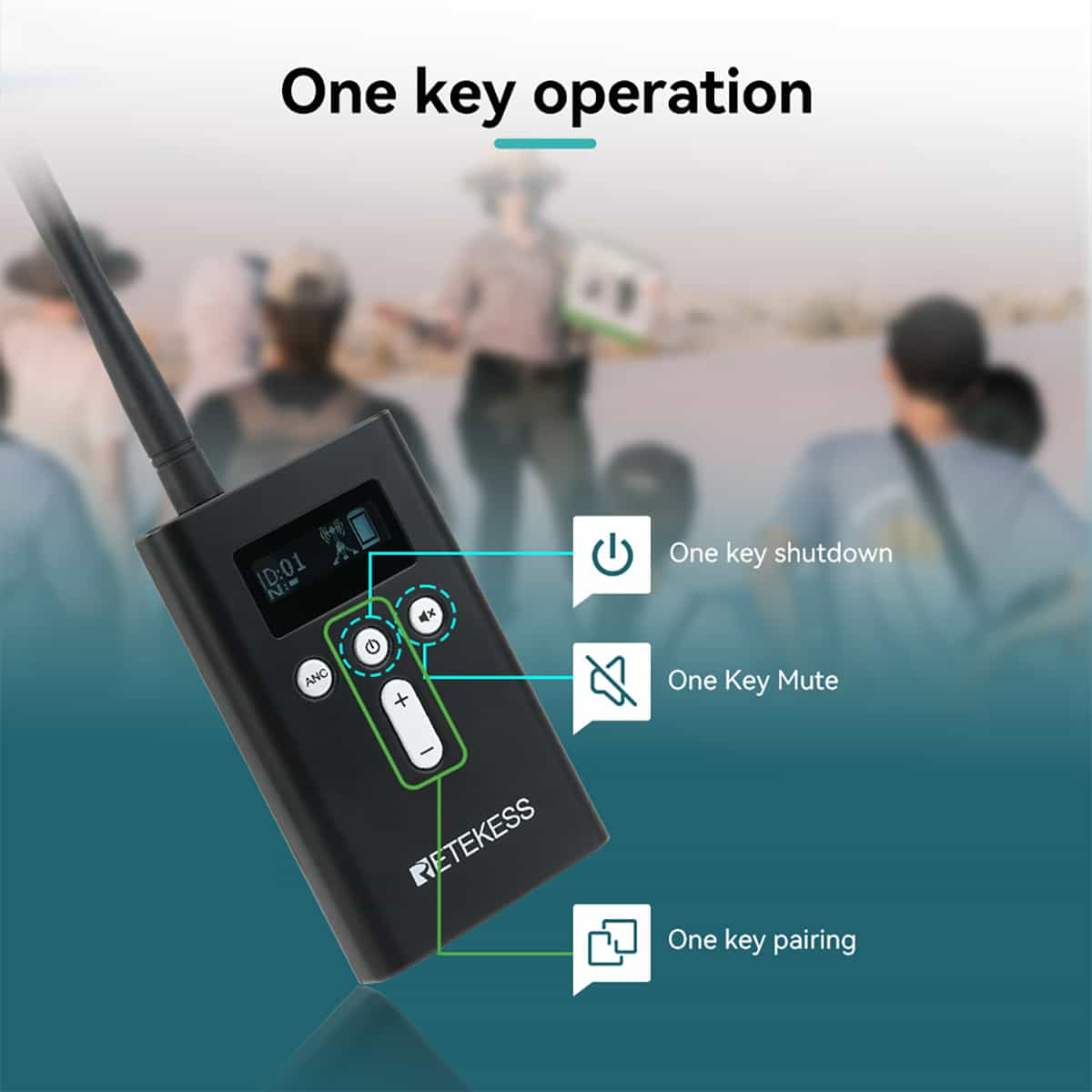
Most teams train guides on the system in under 15 minutes. The controls are simple, and charging workflows integrate easily with existing end-of-day procedures.
The tour guide vs speaker choice ultimately comes down to what you prioritize: low upfront cost, or consistent guest experience and long-term operational efficiency.
Portable speakers work well for very small, private tours of 8 people or fewer. They also fit routes that stay in quiet, low-traffic spaces with tight guest clusters.
For most city walking tours — especially across Western Europe and Italy — a wireless tour guide system delivers better, more reliable results. It reduces guide fatigue, cuts audio-related complaints, and lets you run more groups per day in high-demand areas.
Stop trading guest satisfaction for short-term savings. Get a free, no-obligation fleet calculation tailored to your city tour routes and group sizes. Our team will map the exact number of Retekess T130P units, charging accessories, and channel configurations you need, with a full transparent cost breakdown.
Book your 15-minute consultation today, and start delivering clear, consistent commentary on every tour.









 Google
 Amazon