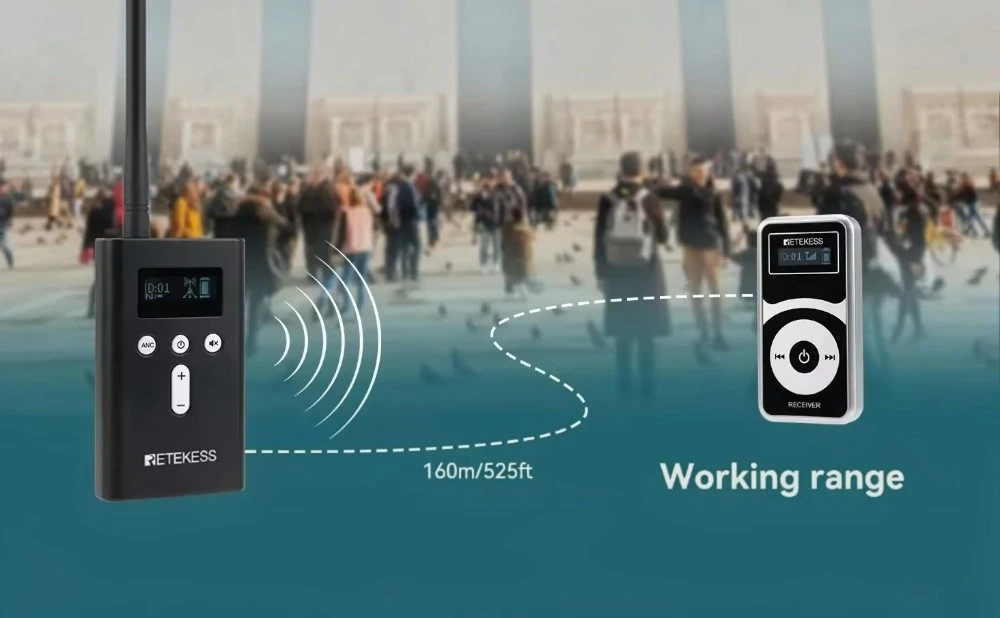
During guided tours, the signal coverage of your audio equipment directly dictates the visitor experience. Many tour managers face a familiar frustration: a system that worked flawlessly in a wide-open lobby suddenly crackles or drops out the moment the group turns a corner, enters a stone stairwell, or steps into a crowded room.
This is rarely a defect in the hardware; rather, it is the result of physical signal attenuation caused by complex architectural structures, ambient interference, and human obstacles in real-world environments.
Different types of walls absorb and obstruct radio waves in distinctly different ways:
Drywall and Plasterboard Partitions: Cause minimal signal loss, which is usually negligible.
Standard Brick Walls: Absorbs and measurably reduces signal energy.
Thick Stone Walls & Metal-Faced Insulation: These act less like barriers and more like signal shields, causing heavy attenuation or total blockages.
In modern industrial plants, ships, structural steel exhibition halls, or wide atrium spaces, metal surfaces do not absorb signals—they reflect them. Reflected waves reach the receiver a fraction of a millisecond later than direct waves, creating signal instability. This explains why dropouts in steel buildings usually cluster around specific corners rather than spreading evenly.
The human body consists mostly of water, which is a natural absorber of high-frequency radio signals. A crowd of thirty people standing between the tour guide and the rear of the group forms thirty individual obstacles. This is why a system can pass a morning rehearsal in an empty room with flying colors, only to stutter during a crowded peak tour at 11:00 AM.
Wi-Fi access points, LED drivers, machinery motors, and nearby tour groups operating on adjacent channels can crowd or compress the transmission band, reducing overall stability.
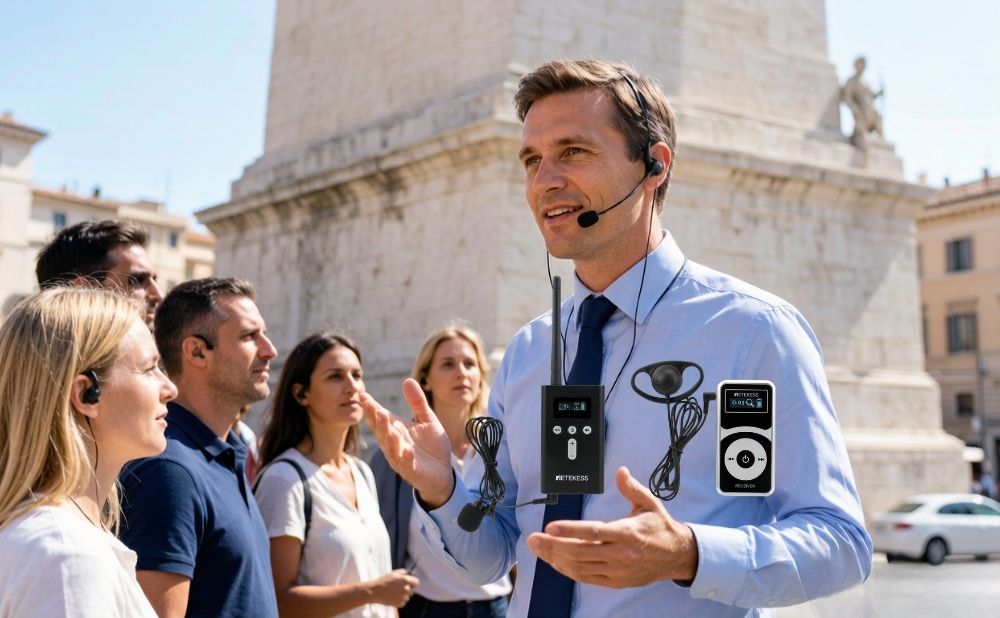
Where a tour guide wears the transmitter pack impacts signal coverage far more than most realize:
❌ Worn on the Back of the Hip / Rear Pocket: The transmitter antenna is positioned directly behind the body, allowing the body to absorb a significant portion of the signal.
✅ Worn at the Chest via Lanyard: The antenna stays elevated above the crowd in front of the body, maintaining a clear, unobstructed path to receivers behind.
Troubleshooting Tip: Before suspecting hardware failure, adjust the transmitter position so the antenna sits high on the chest.
To determine true operational performance, conduct a field test during your busiest hours with maximum crowd density:
Have the guide wear the transmitter normally and hand a receiver to a colleague.
Walk the actual tour route while listening closely to the audio quality. Digital audio systems do not fade gracefully; they hold crystal-clear sound up to their limit and then cut out instantly.
Mark the exact last location where the voice remains completely intact. This represents your venue's reliable coverage boundary.
If this boundary extends beyond your maximum group distance, your current setup is sufficient.
If it cuts out before the end of the line, consider elevating the transmitter, optimizing the route, selecting a penetration-heavy frequency band, or splitting the group.
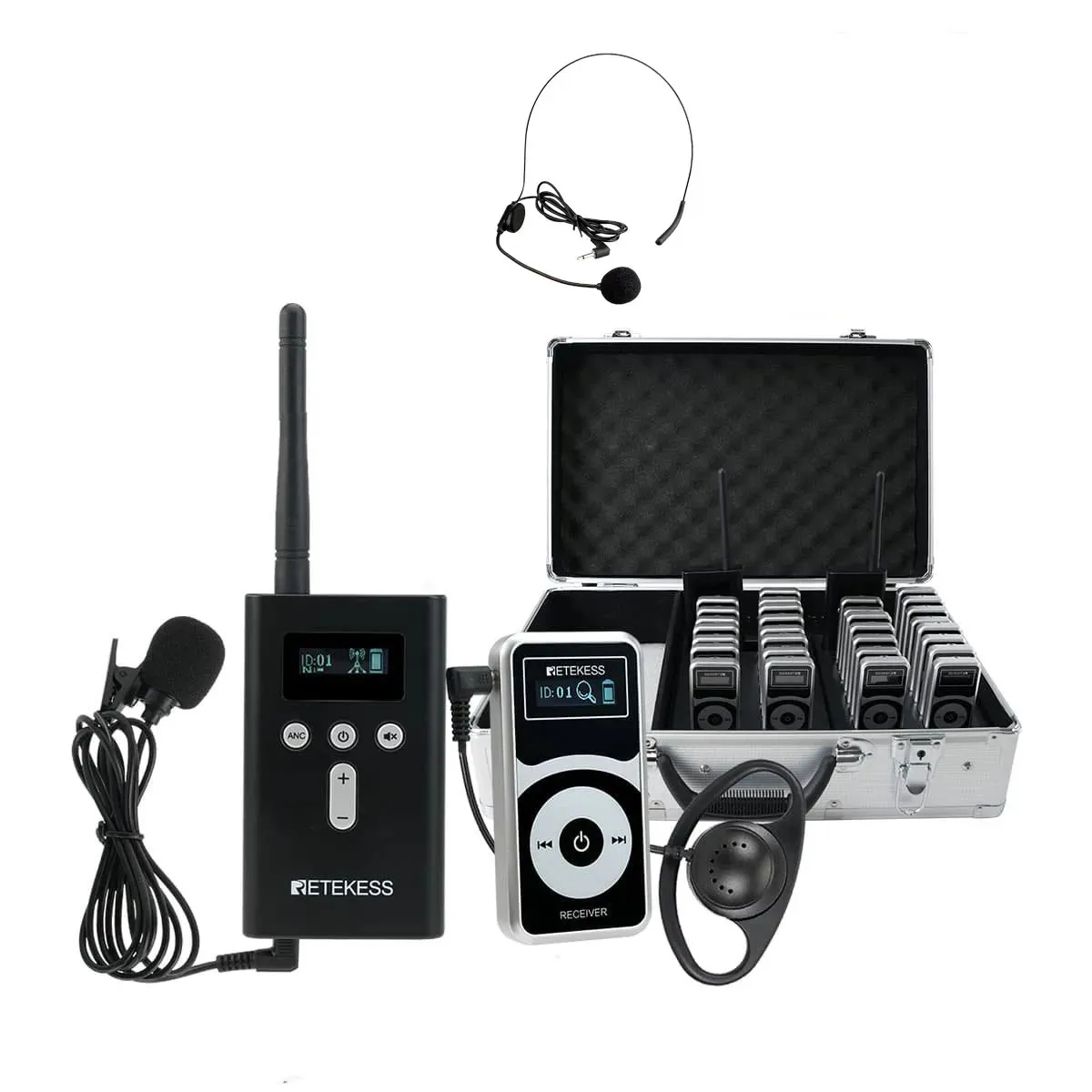
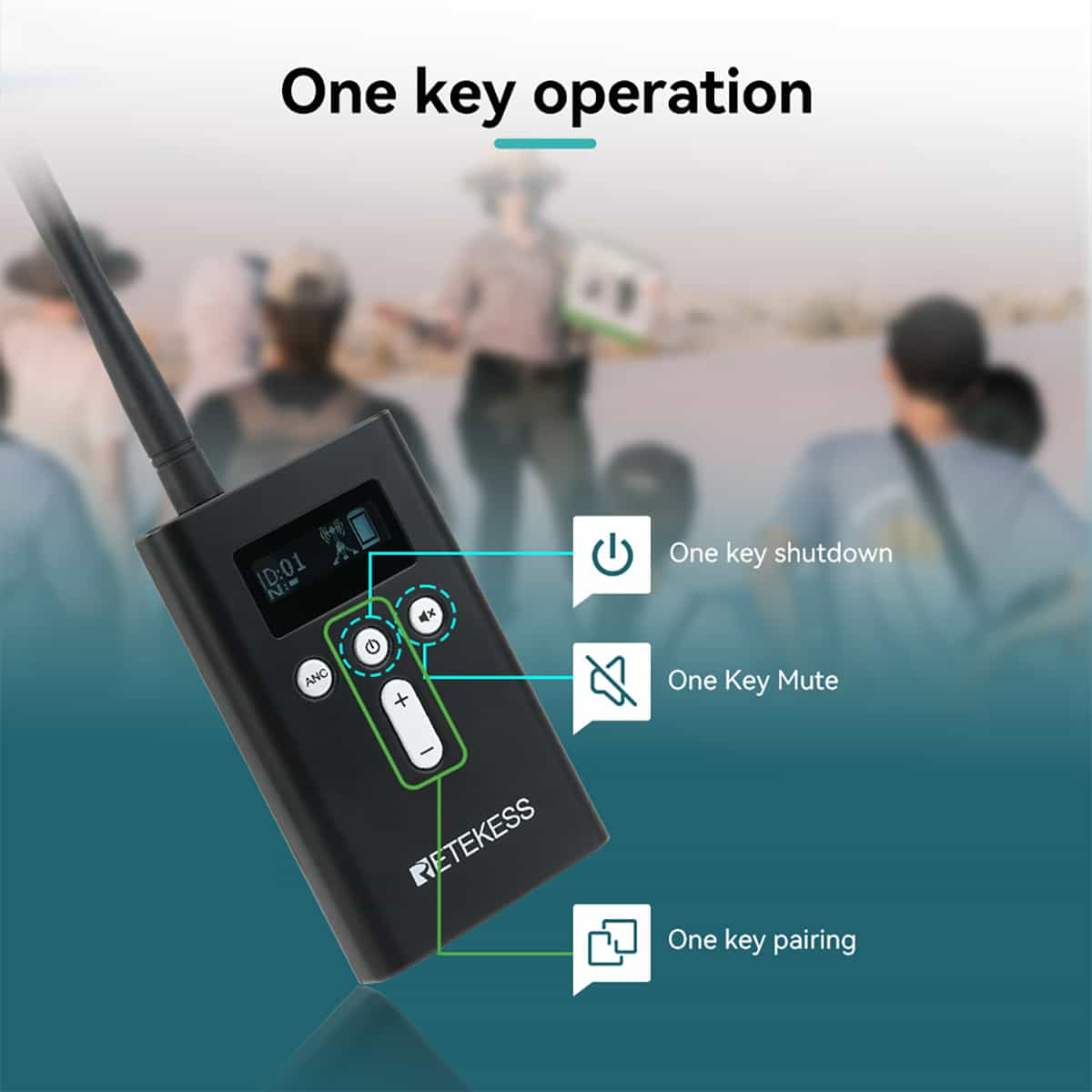
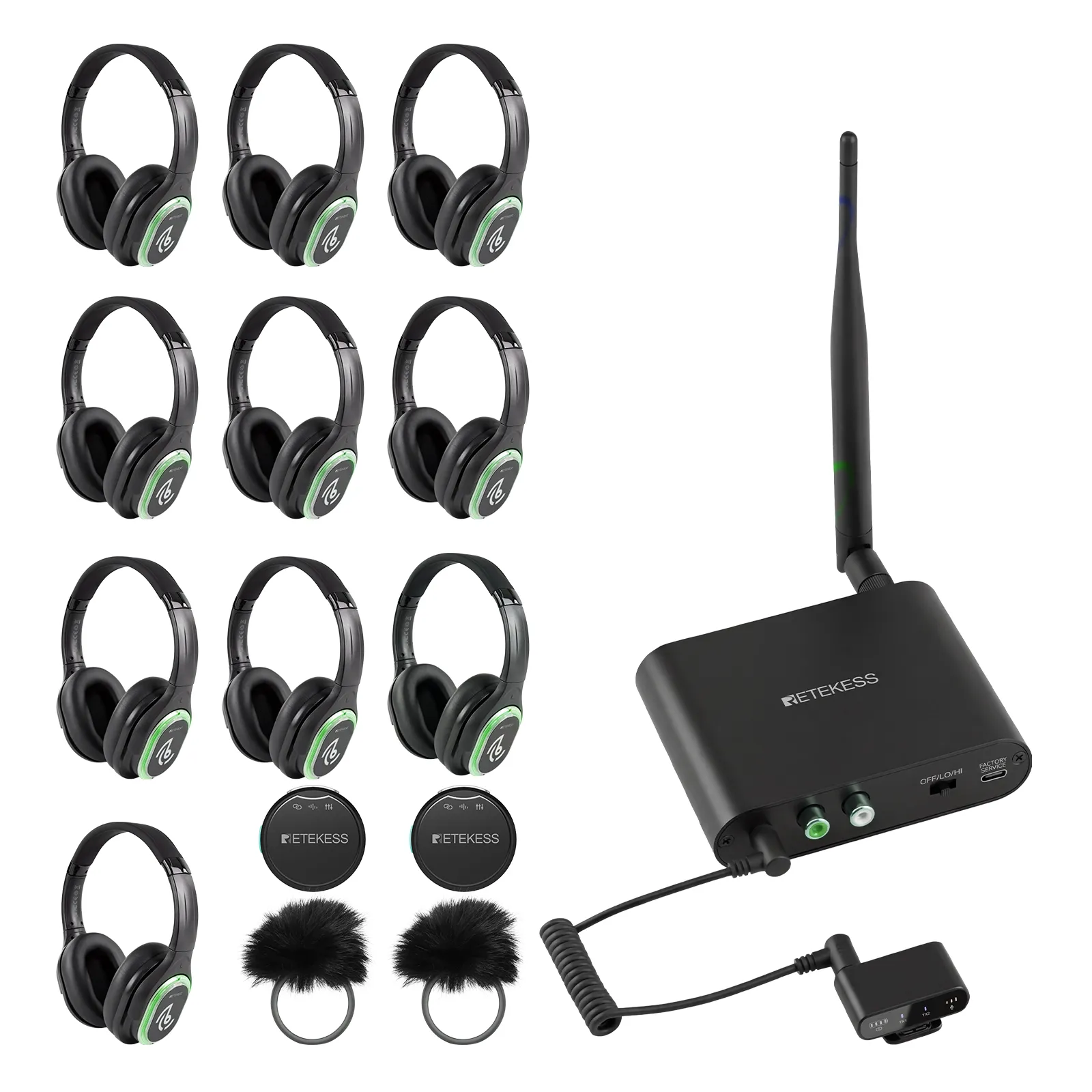
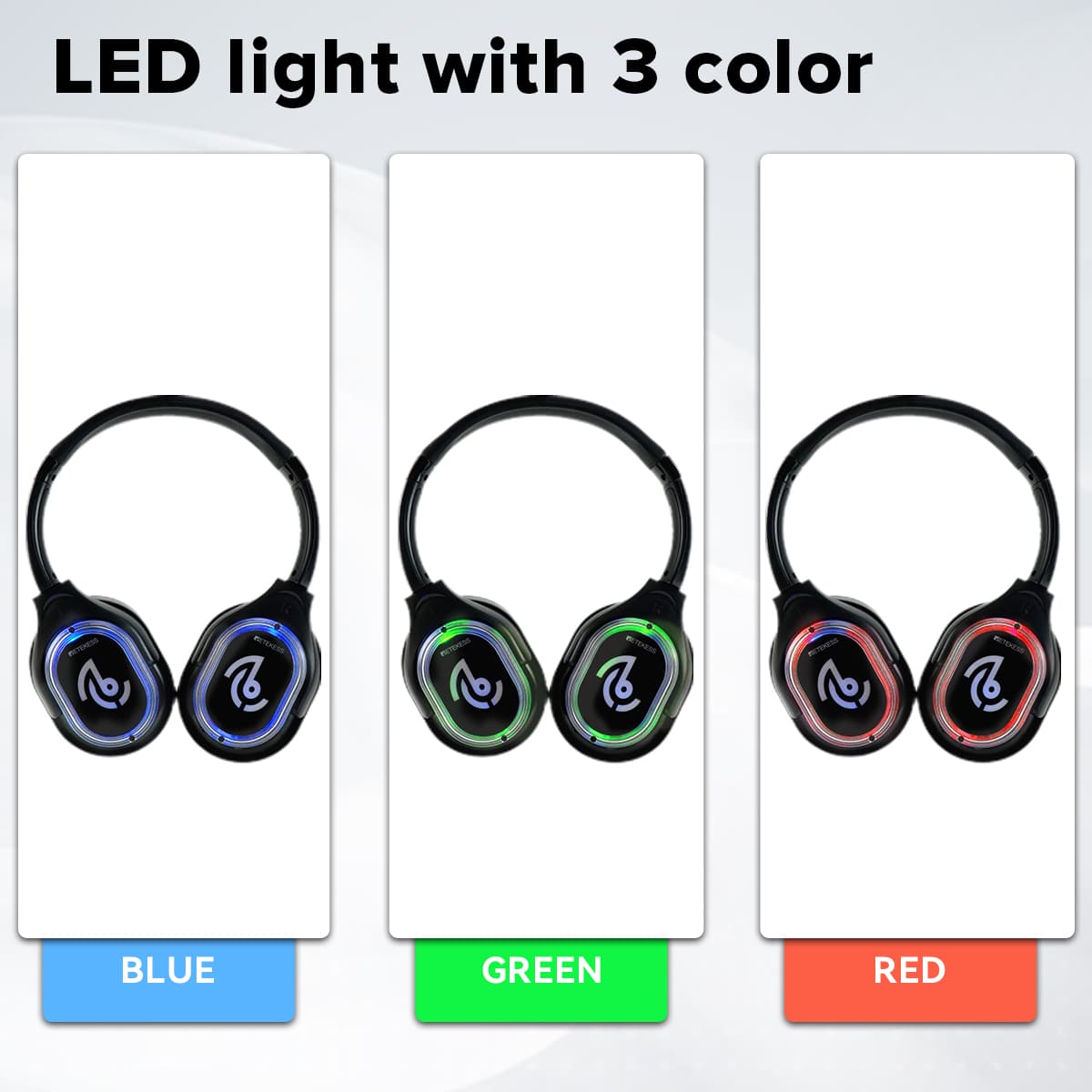
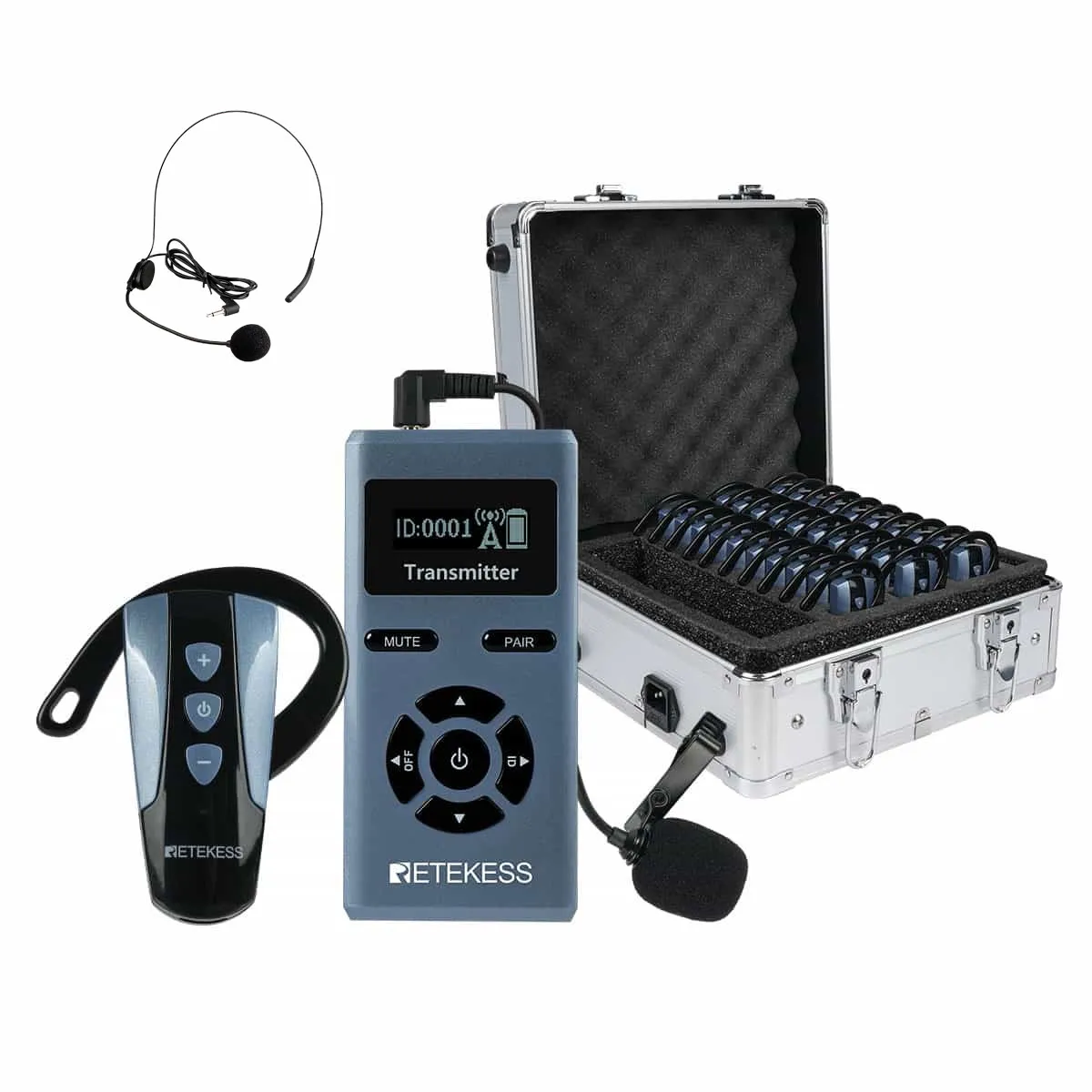
For various venue scales and structural layouts, Retekess offers specialized tour guide systems designed for specific range demands:
1. Retekess T130S T131S Interpretation System for Church Service, Court Debate and Business Conference
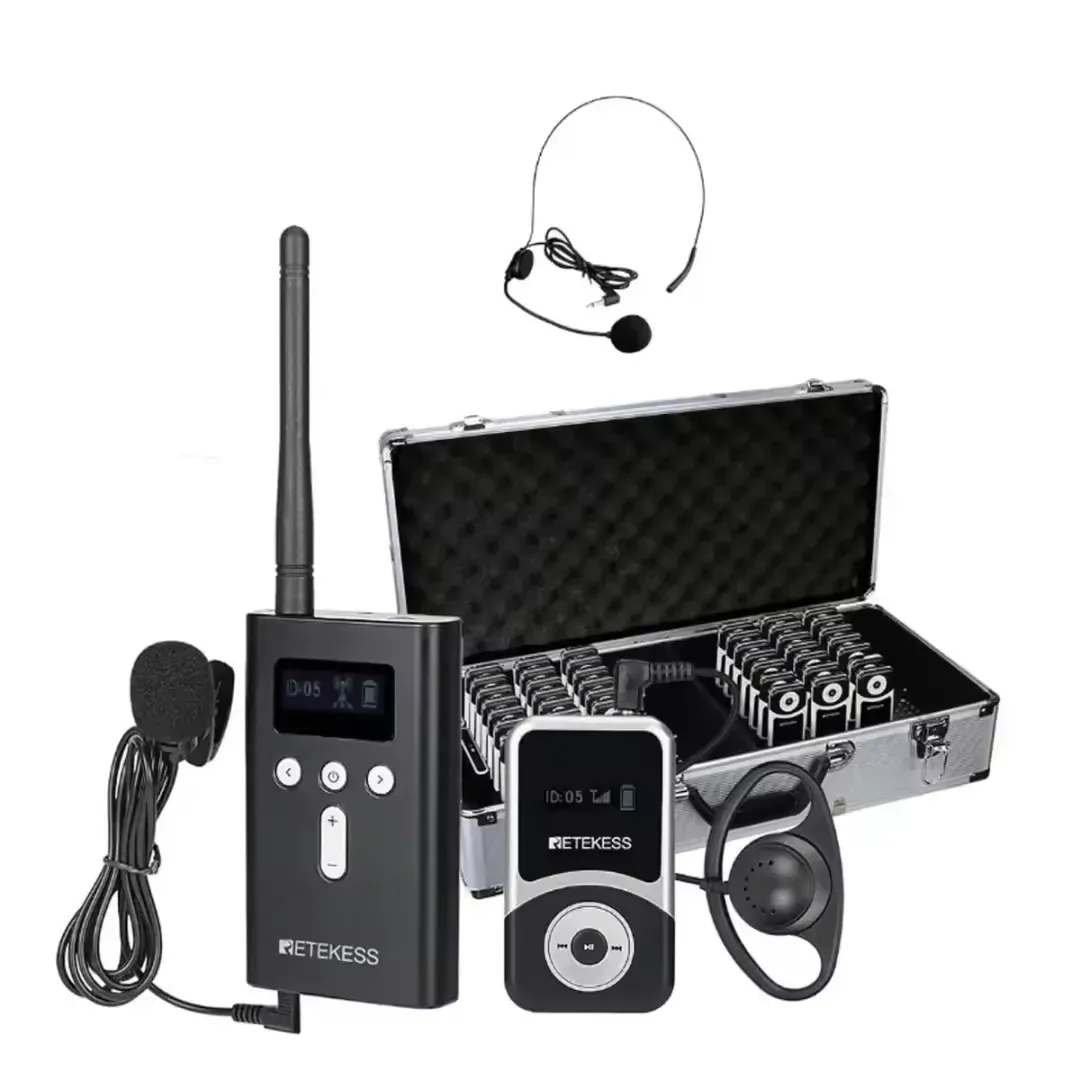
The
2. Retekess T130U Digital UHF Tour Guide System Digital Group Guide System Clear Sound Noise-Free
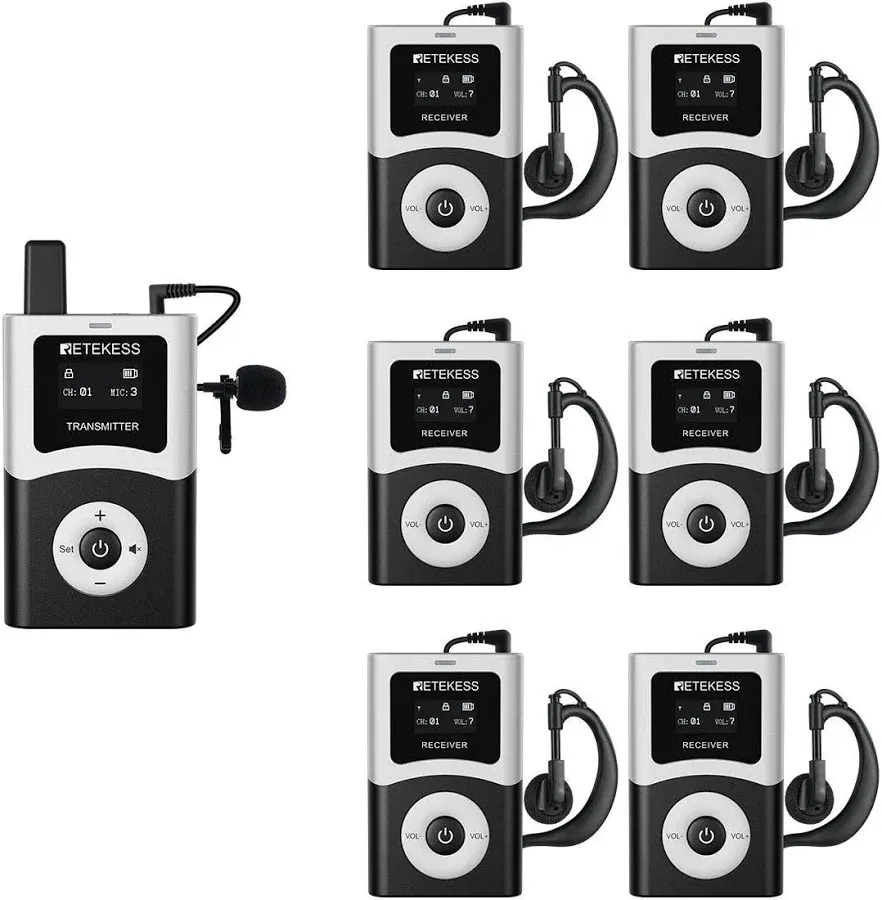
The
3. Retekess T130P Wireless Tour Guide System with Headsets – Enhanced Noise Reduction for Tours and Sightseeing
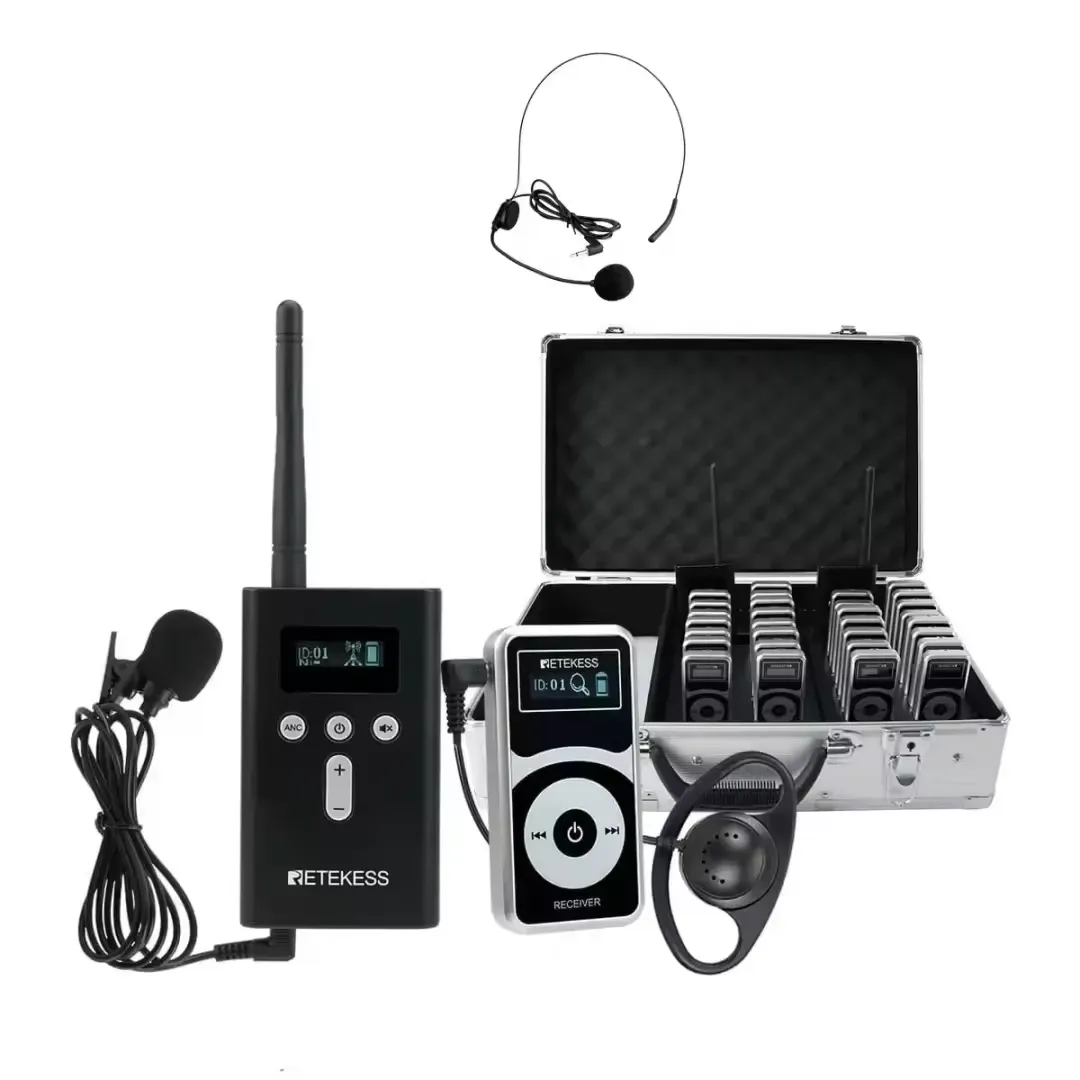
The
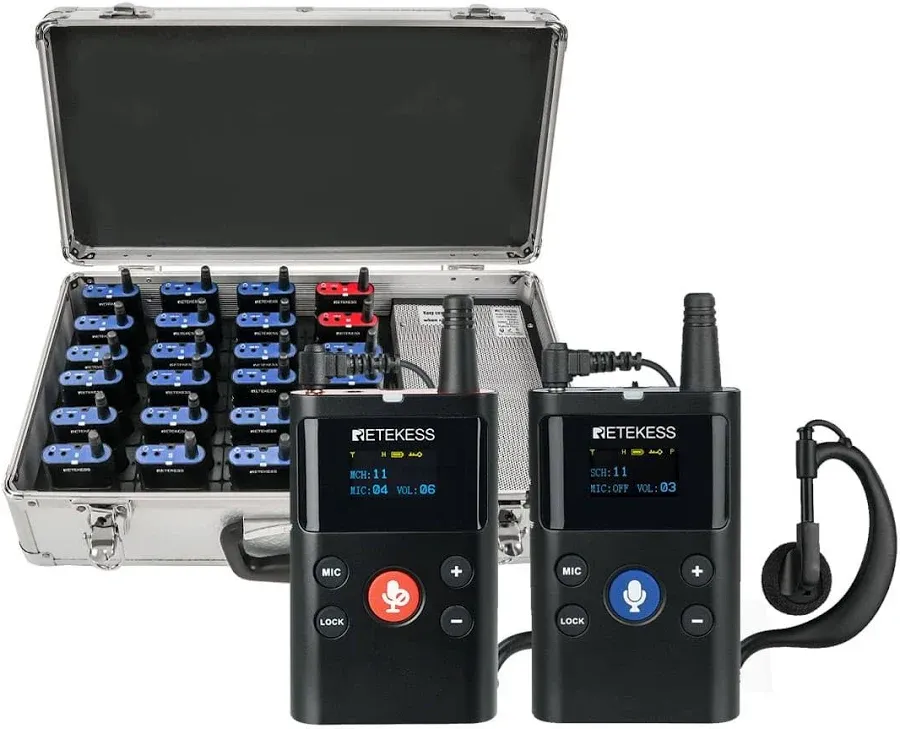
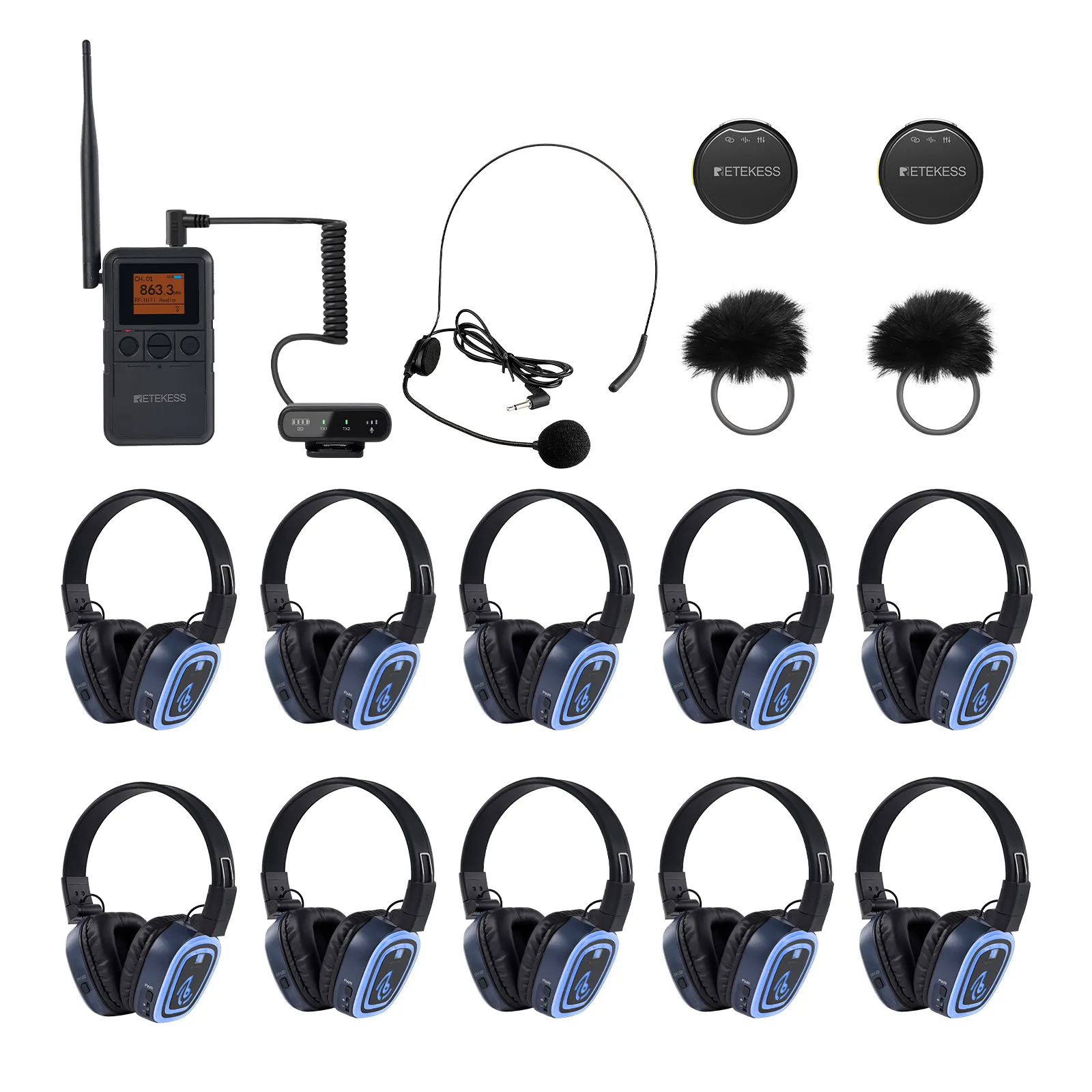
The
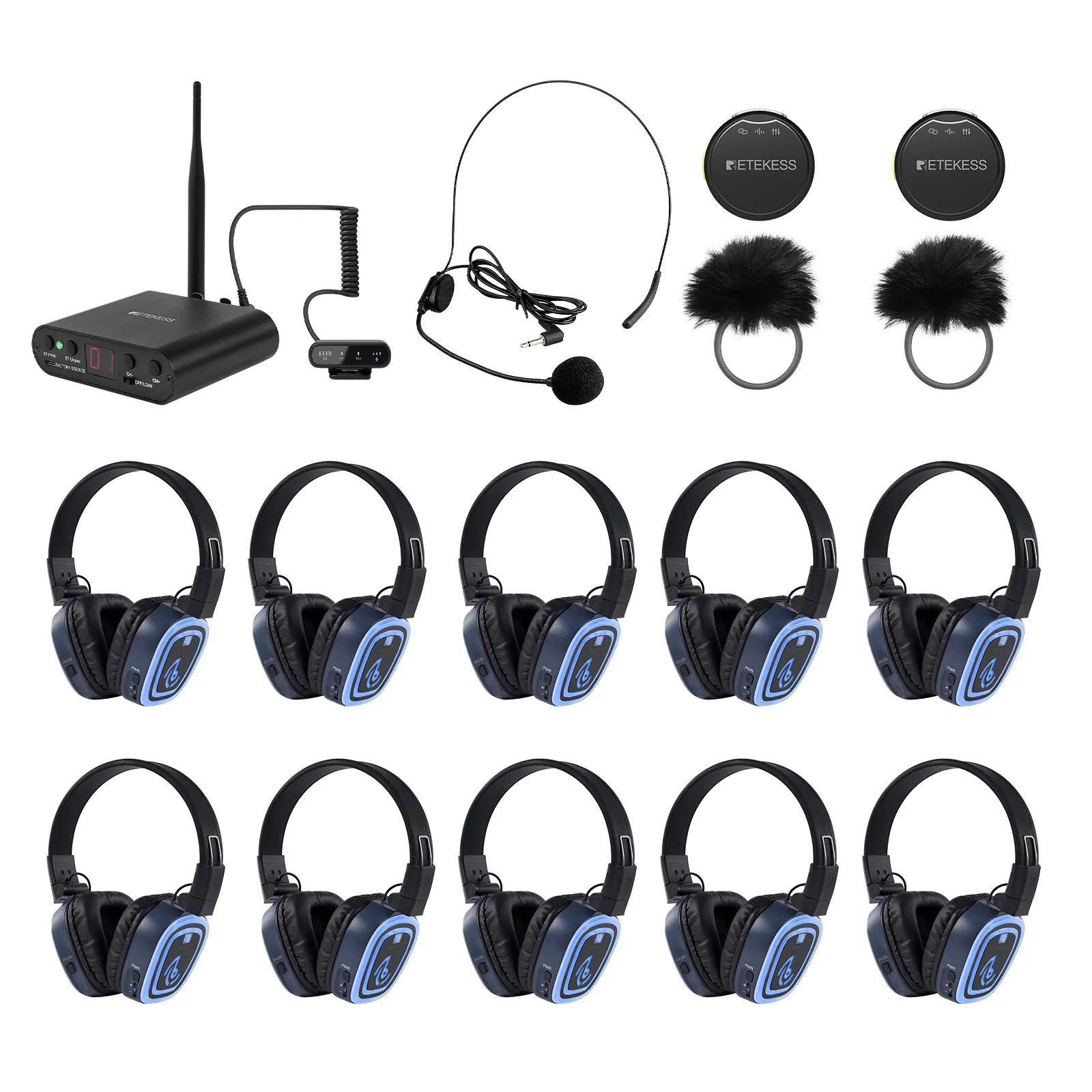
5. T130T T131T Desktop Simultaneous Interpretation System with UHF Wireless Audio
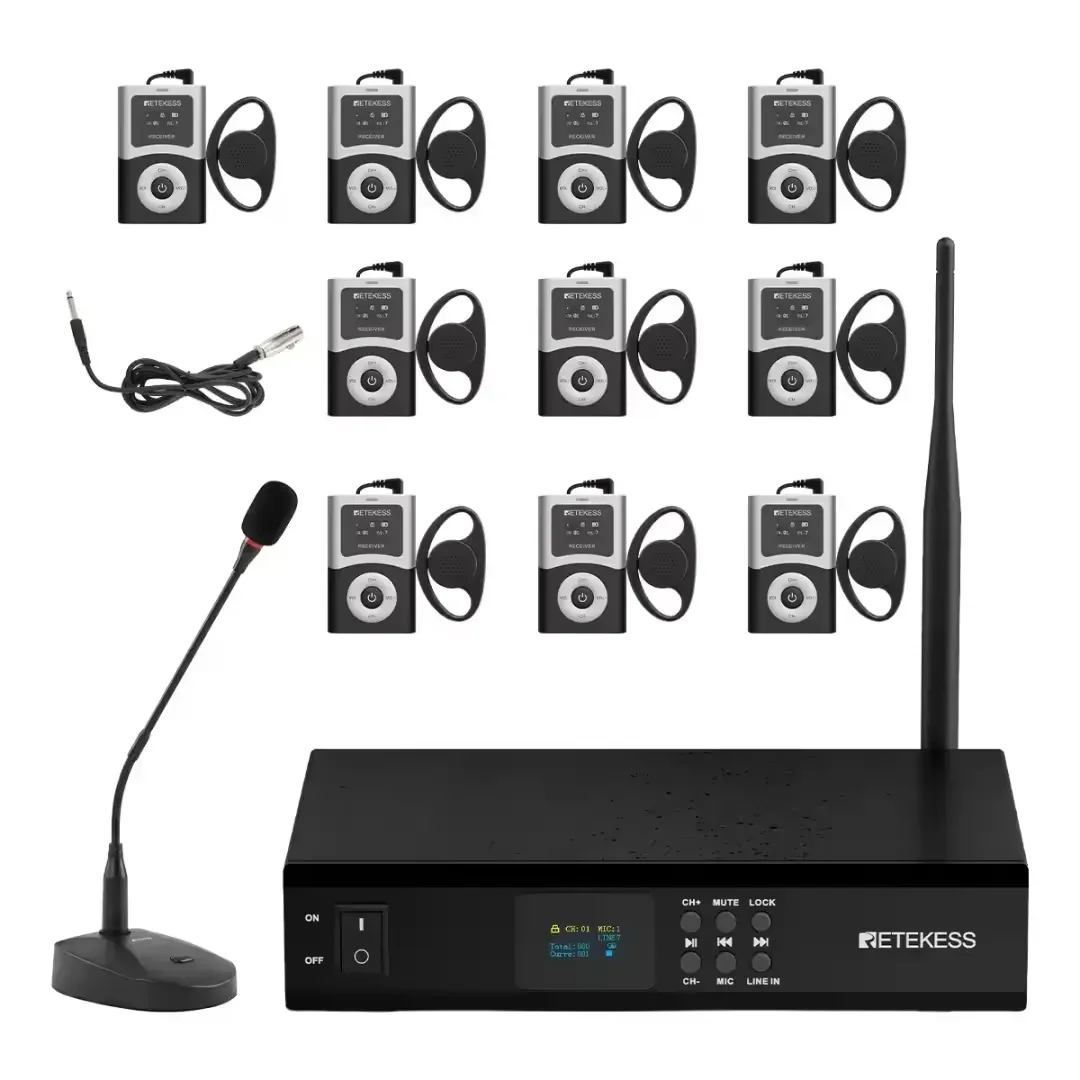
The Retekess T130T / T131T desktop interpretation transmitter provides up to 250 m (820 ft) coverage with Bluetooth connectivity and stationary power for fixed-venue events.
💡 Selection Strategy: Whenever budget permits, choose a system with a coverage ceiling one step higher than your measured route requirements.






 Google
 Amazon