
Table of Contents
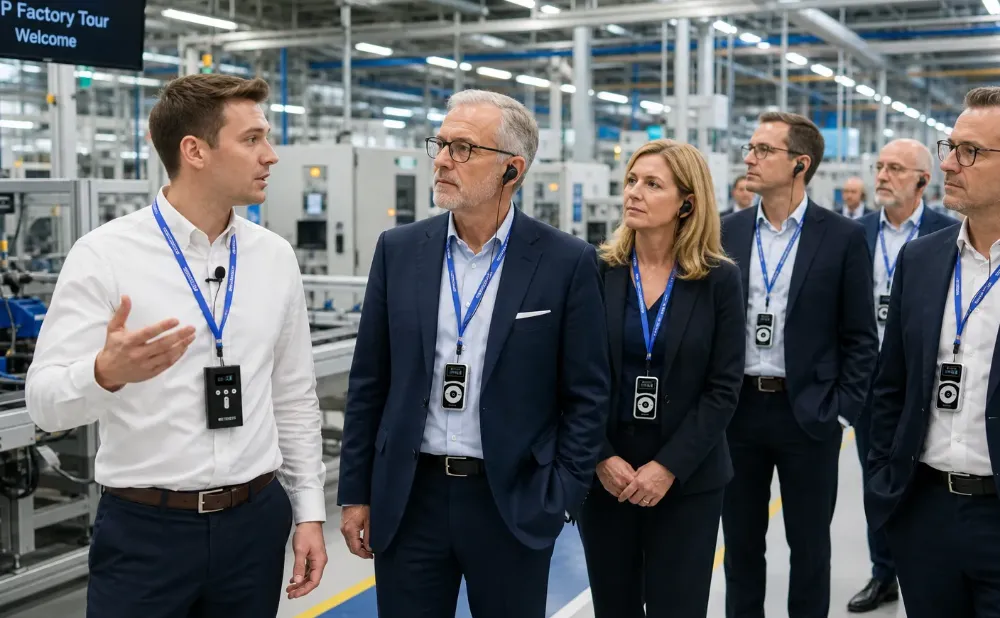
VIP Factory Tours: Why Communication Quality Shapes Brand Perception
- Retekess
- Aug 21, 2026
A modern factory is no longer just a production site. For many companies, it is part of the brand experience. When VIP clients, strategic partners, senior executives, or investors visit a facility, they are not only looking at output. They are also judging how the company operates, how it presents itself, and how it handles communication in a live environment. That is why a VIP factory tour can shape brand perception in a powerful way.
1. The Factory Floor as a Brand Stage
For many manufacturing companies, the factory floor has become more than a place where products are made. It is also a place where trust is built.
A VIP factory tour is often one of the first real moments when a potential customer or investor sees the company in action. They see the machines, the people, the process, and the way the company handles guests. That makes the factory floor a kind of live brand stage.
Visitors notice more than production capacity. They notice whether the space is clean and organized. They notice whether the staff looks coordinated and confident. They notice whether the tour feels controlled or chaotic. And they notice how communication flows from the moment they arrive.
That is why communication quality matters so much. It is not just about hearing the guide. It is about what the experience says about the company. A clear, well-managed tour tells guests that the business is professional, efficient, and ready for serious partnerships.
2. The Silent Signal: How Audio Quality Shapes Brand Perception
Poor communication rarely announces itself as a brand problem. It usually shows up as a small moment in the tour. The guide repeats a sentence. A guest leans forward and asks for clarification. Someone on the side misses part of the explanation. These small moments may seem minor, but they shape how the visitor feels.
In a noisy factory, this can happen fast. If the guide has to shout over machinery, the experience starts to feel strained. If guests must ask, “Could you repeat that?” more than once, the tour loses rhythm. If different language groups have to wait for separate explanations, the visit begins to feel split apart.
That creates a hidden message:
- repeated clarification can lower the sense of professionalism
- loud shouting can weaken the sense of polish
- split multilingual explanations can make the experience feel less efficient
A company may have advanced technology, strong production lines, and excellent staff. But if communication during the tour feels rough, the brand impression becomes weaker. That is why audio quality is more than an operational issue. It is part of the company’s public image.
A premium visitor experience should feel calm, controlled, and easy to follow. Communication should support that feeling, not interrupt it.
3. Three Archetypes of VIP Factory Tours
Not every VIP factory tour looks the same. Different visitors have different needs, and the communication setup should match the kind of visit.
3.1 The Global Delegation
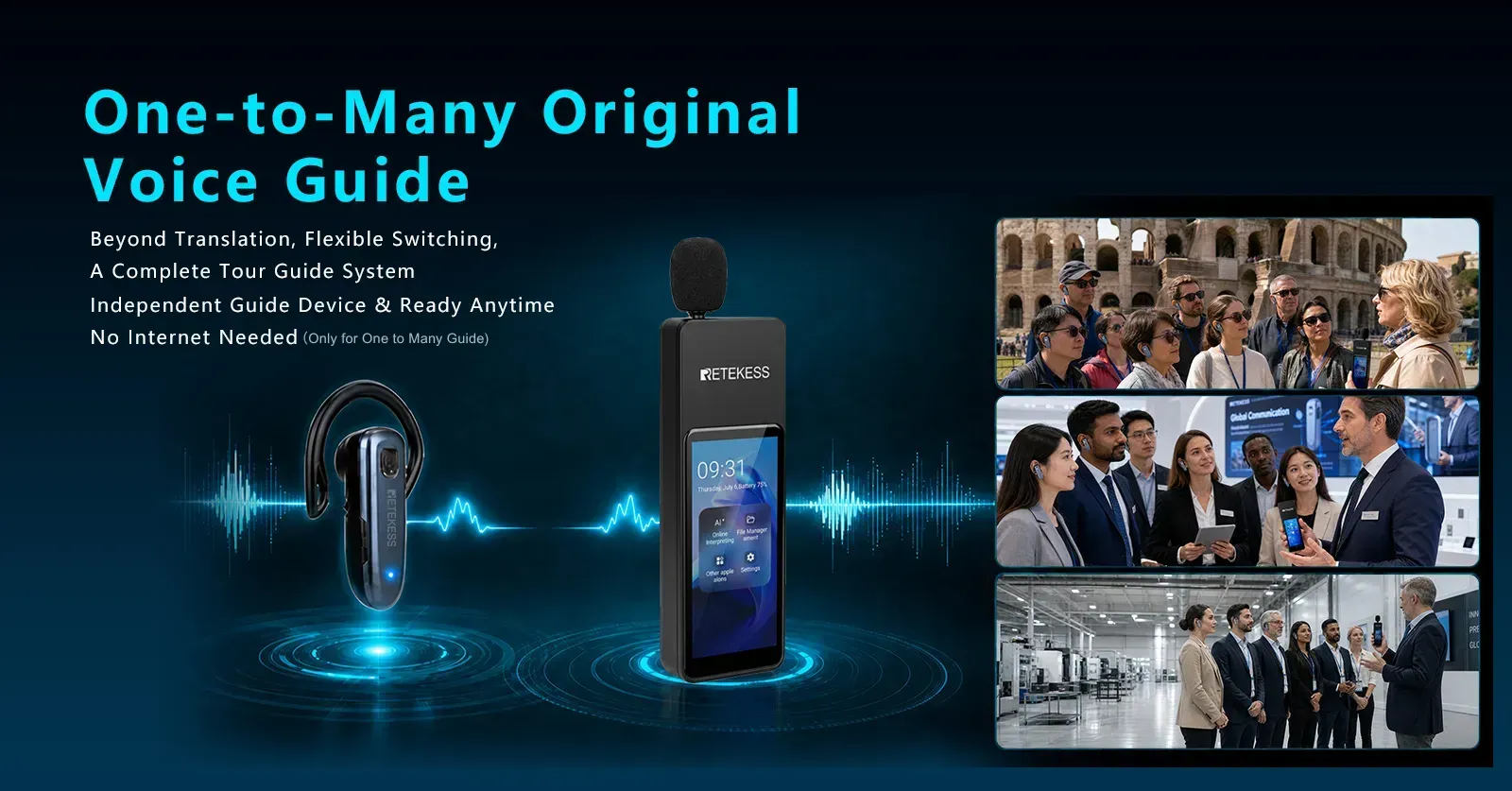
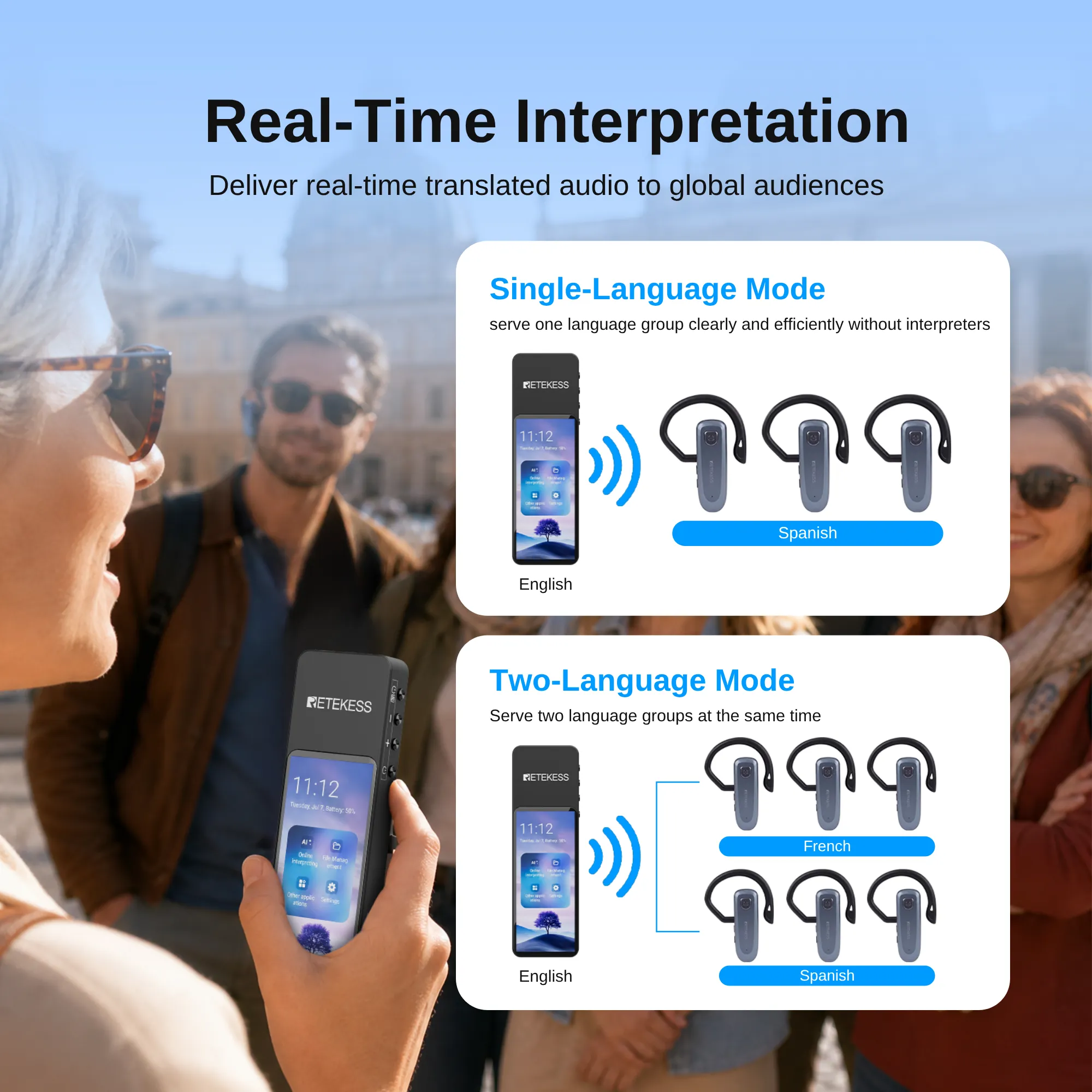
This type of visit brings together international clients, decision-makers, or business partners. The main challenge is language. Even when everyone is highly experienced, language gaps can slow the tour and make the experience feel less natural.
In this setting, communication should feel smooth and professional. Guests should not have to wait for awkward hand signals or broken translation chains. They should feel like the visit is flowing in real time.
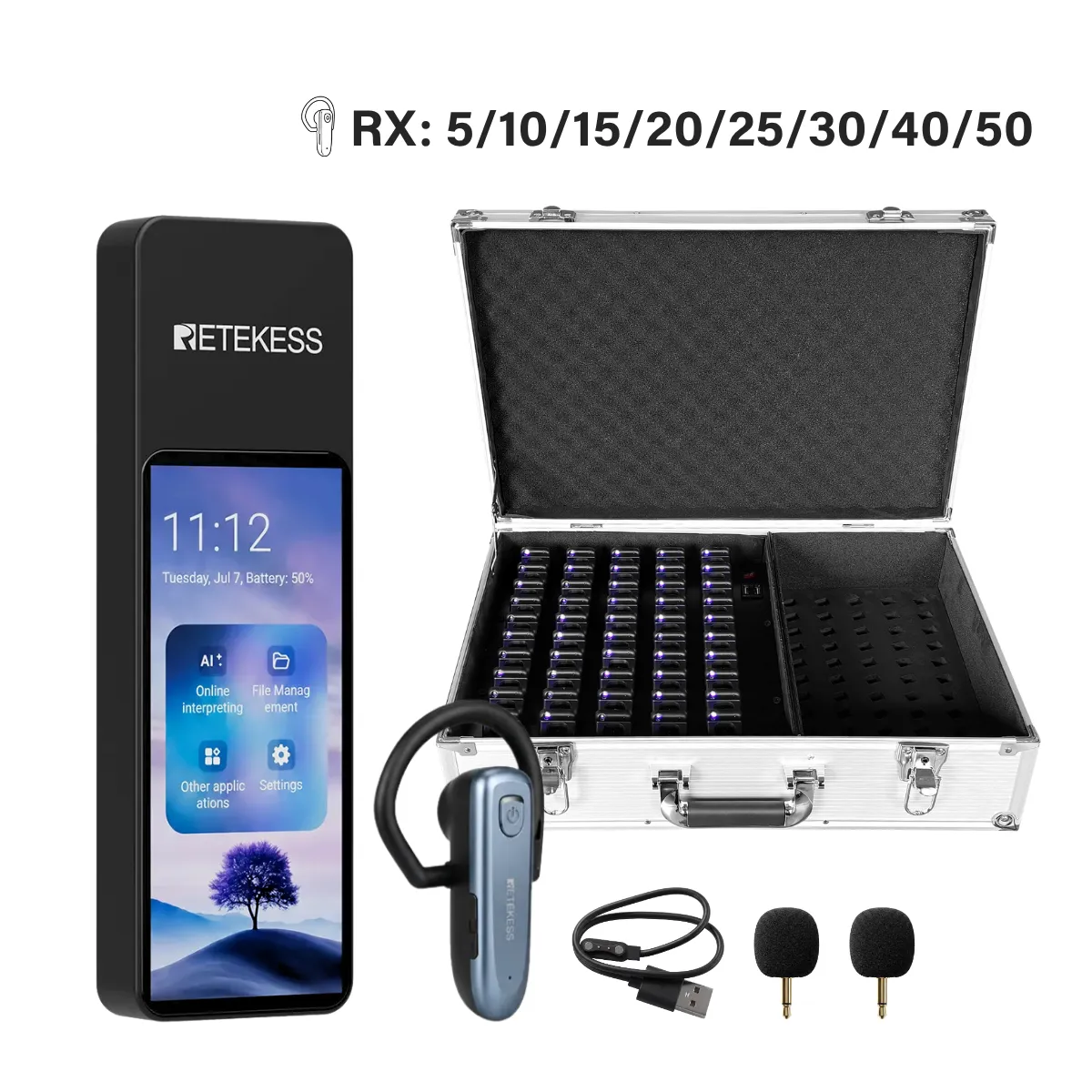
That is where TT136 fits well. It supports real-time multilingual interpretation, helping one guide serve different language groups without breaking the flow of the tour. In a global visit, that means language becomes part of the company’s international professionalism, not a barrier to it.
3.2 The Technical Deep-Dive
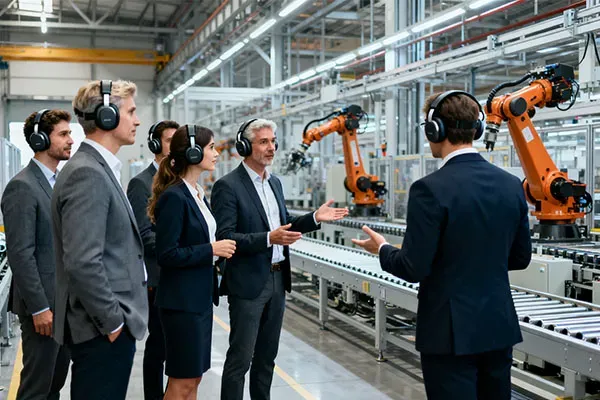
Some visitors come to inspect the process in detail. These may be engineers, procurement specialists, or quality auditors. They want to ask questions, confirm steps, and discuss technical points while standing near the line.
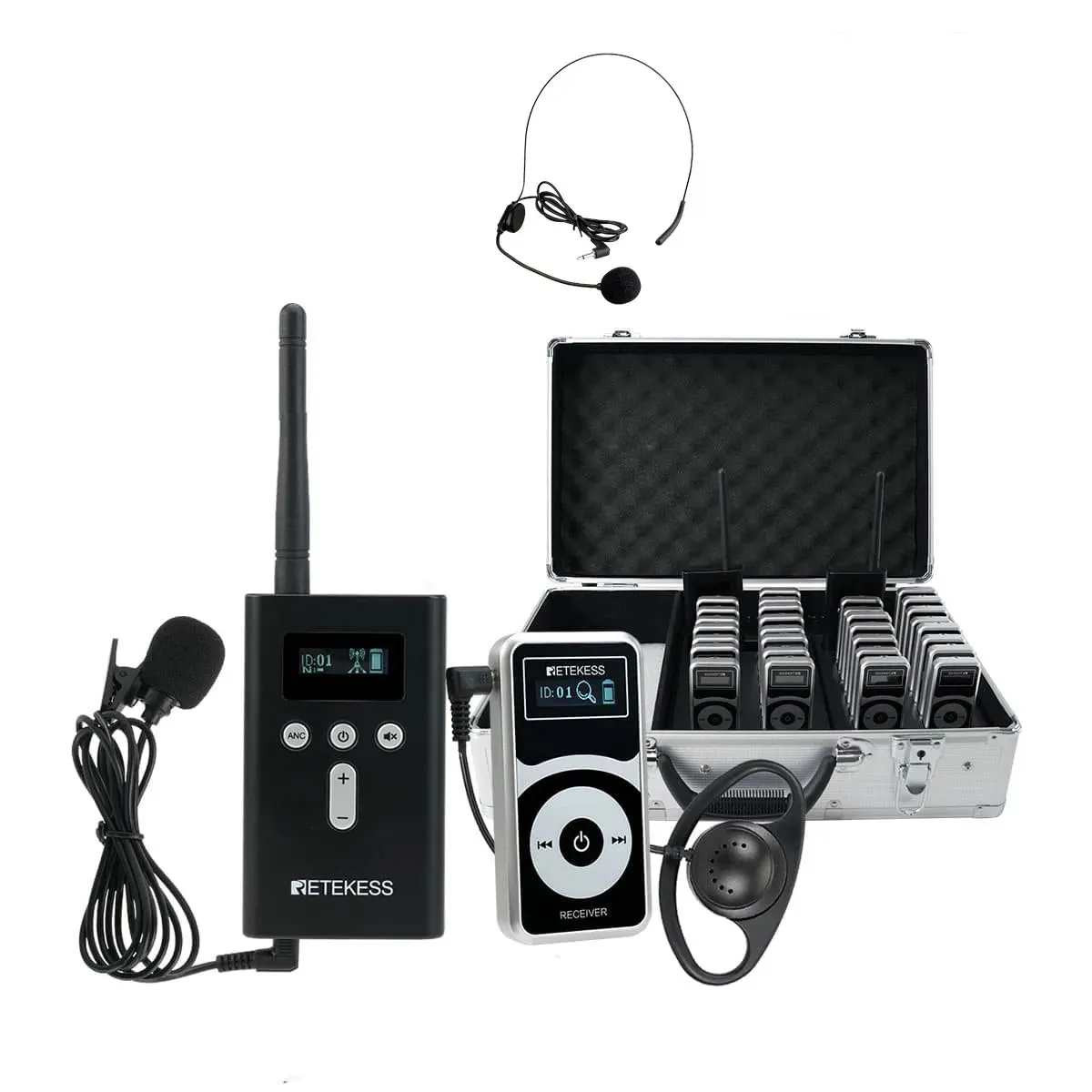
In these tours, the biggest need is real-time collaboration. The conversation should move naturally even in a noisy production area. If the guide explains a process and the visitor wants to confirm a parameter or ask for a closer look, the communication system should support that instantly.
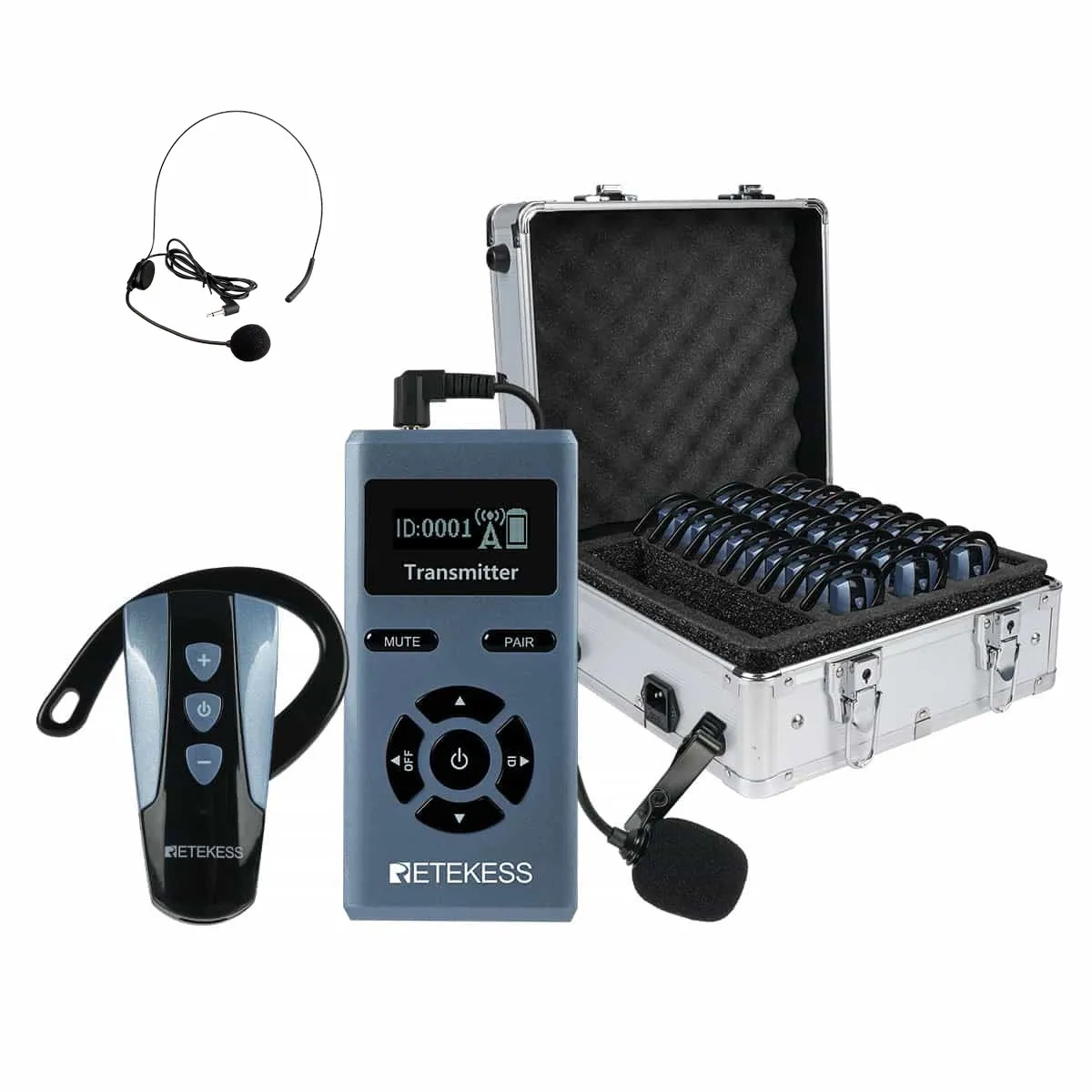
That is where TT126 is a strong fit. Its full-duplex communication supports two-way conversation without the stop-and-wait rhythm of basic systems. In a technical visit, that matters because the discussion should feel like a meeting, not a broadcast.
3.3 The Executive Walkthrough
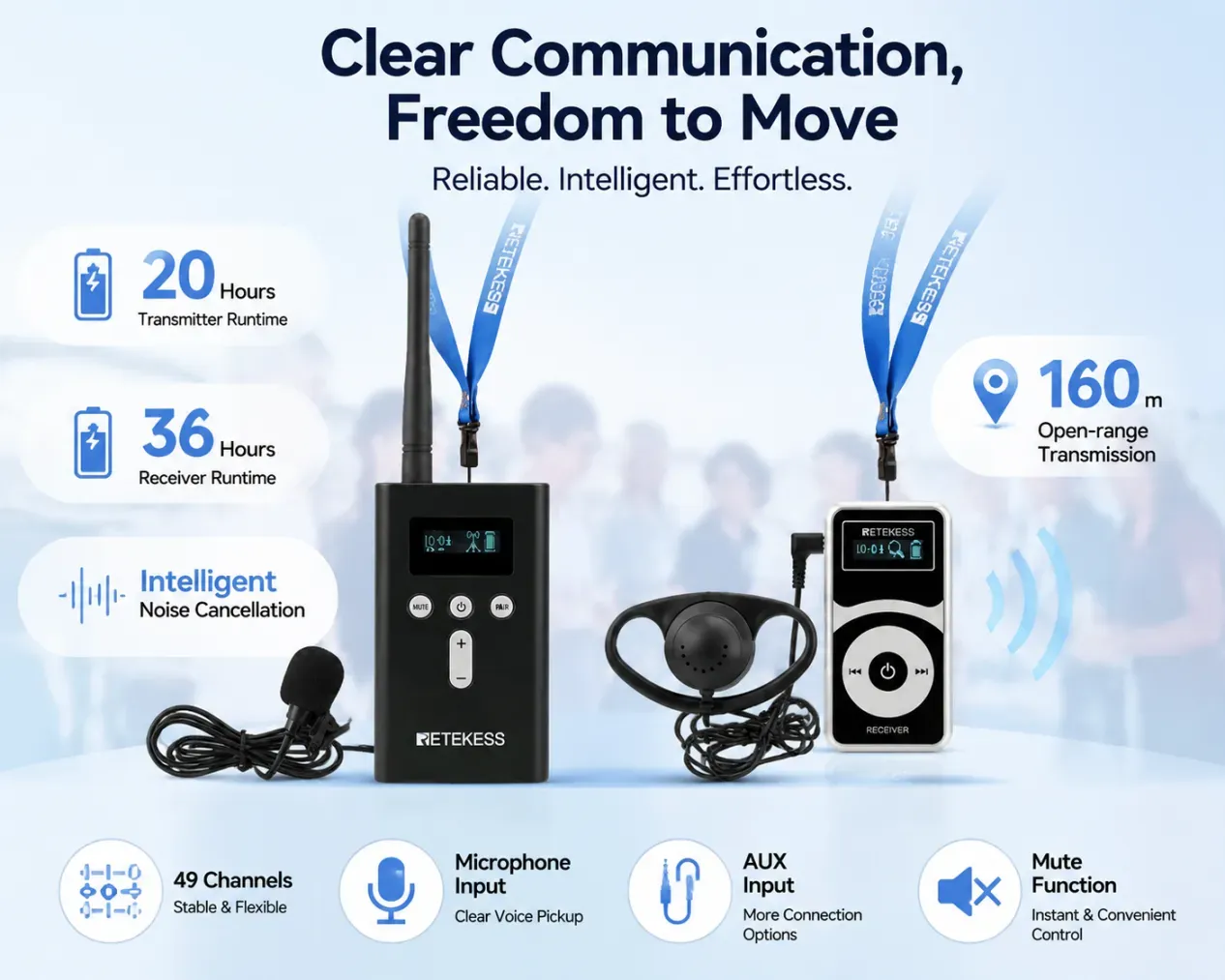
This is the shortest and often the most image-sensitive kind of visit. Senior executives, board members, or investors may not want a long technical explanation. They want a smooth, polished walkthrough that feels efficient and well prepared.
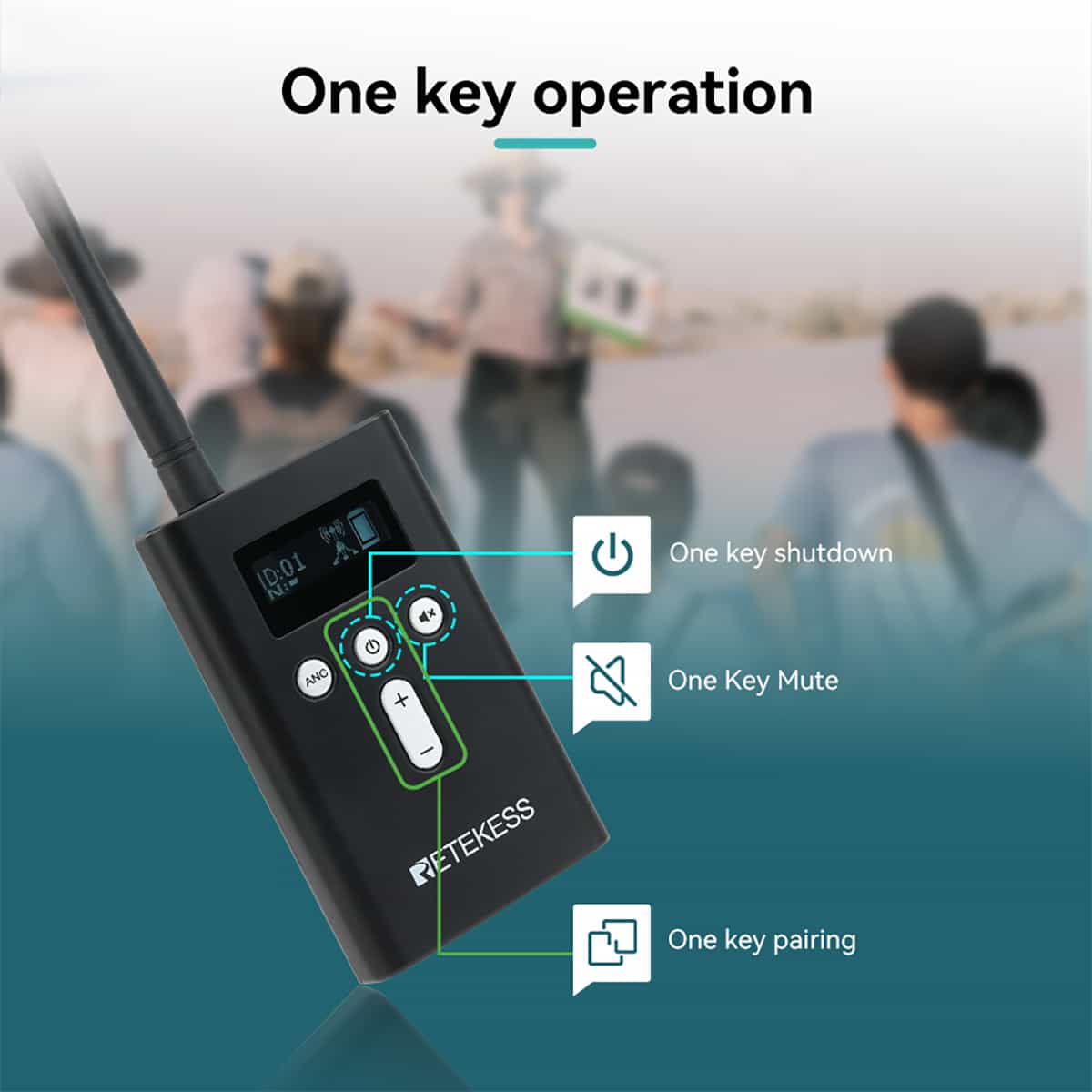
In this type of visit, the communication system must be stable, simple, and discreet. The focus should stay on the company, not the equipment. If the technology looks complicated or causes delays, the visit feels less premium.
That is where T130P fits. It offers reliable communication in high-noise areas while keeping the experience low-friction. For a fast-moving executive tour, that kind of simplicity is valuable. It helps the host team keep the experience professional without adding visible stress.
4. What “Professional” Sounds Like in a Factory
In a premium setting, communication should feel almost invisible. That does not mean it is unimportant. It means it works so well that guests barely notice the system itself.
A professional factory tour has three important qualities.
Zero learning curve
Guests should not need a long explanation just to wear the device or understand the system. The experience should feel intuitive from the start. That is a sign of respect for the guest’s time.
Zero disruption
Dead batteries, static, signal drops, or repeated pairing issues can break the feeling of control. In a VIP environment, even small problems stand out. The system should work consistently and quietly.
Zero visible friction
The best communication system supports the tour without distracting from it. It should feel light, stable, and well integrated into the visit. When the technology is good, it stays in the background.
That is why communication equipment is part of brand presentation. Choosing the right system is not only a technical decision. It is also a decision about how the company wants to be perceived.
5. Matching the System to the Visitor Workflow
A good visitor experience depends on the right match between the audience and the communication system.
For multilingual executive visits, TT136 helps the host team keep the tour moving without splitting the group or slowing the message. For technical evaluations, TT126 gives experts the ability to talk back and forth in real time, which makes the visit more productive and more respectful of their time. For high-level walkthroughs where reliability and simplicity matter most, T130P supports a polished experience with less setup pressure.
The key point is that different visitors create different communication demands. A factory that regularly hosts premium guests should think of audio as part of its visitor workflow, not just as a tour accessory.
When the communication system fits the visitor type, the tour feels better. It feels more organized, more professional, and more confident.
6. Why Better Communication Improves Brand Trust
Visitors may not remember every detail of the machinery, but they will remember how the company made them feel.
If the tour is clear and smooth, the brand feels prepared. If the guide speaks with confidence and guests can follow along easily, the company feels trustworthy. If multilingual communication works without delay, the company feels global and capable. If technical experts can ask questions in real time, the company feels open and serious.
That is the real value of communication quality in a VIP factory tour. It is not just about transferring information. It is about showing that the company respects the visitor, the time, and the business relationship.
Good communication becomes part of brand trust.
Final Takeaway: The Details That Build Trust
A VIP factory tour is not only a visit to a production site. It is a moment of brand building. Guests are watching the products, but they are also watching how the company works. Communication quality is one of the clearest signals of that professionalism.
When a tour feels smooth, clear, and controlled, the company feels more capable. When communication supports the flow instead of interrupting it, the brand feels stronger. That is why tools like TT136, TT126, and T130P matter in premium factory settings. Each one supports a different kind of visitor experience, but all of them help the same goal: making the tour feel seamless.
In the end, a great VIP factory tour does not just show what a company can make. It shows how the company thinks, communicates, and welcomes people at the highest level.
![[18th Anniversary] 18 Years of Echoing Excellence: Making Communication Easier, Connecting Trust Beyond Borders](https://res.retekess.com/z_file/20260716/retekess-brand-story-making-communication-easier_20260716151044_7682.jpg)
![[18 Years in Wireless Communication] Silent Disco Systems Anniversary Celebration: Top-Selling Headphones & Event Mechanics Revealed!](https://res.retekess.com/z_file/20260713/18-years-in-wireless-communication-silent-disco-systems-anniversary-celebration_20260713175011_5749.webp)
![[Anniversary Carnival] Ding-dong! 18th Anniversary Mega Sale on Guest Paging & Calling Systems: Full Reveal of 12+ Products & Promo Rules!](https://res.retekess.com/z_file/20260713/18th-anniversary-mega-sale-on-guest-paging-calling-systems_20260713175257_0295.webp)
![[Retekess 18th Anniversary Teaser] Tour Guide System Exclusive Perks: Sneak Peek at Event Dates & Mechanics!](https://res.retekess.com/z_file/20260713/retekess-18th-anniversary-tour-guide-system-exclusive-perks--2-_20260713180135_6435.webp)
Follow Us
Pay With


 Google
 Amazon
Comments (0)