
Table of Contents
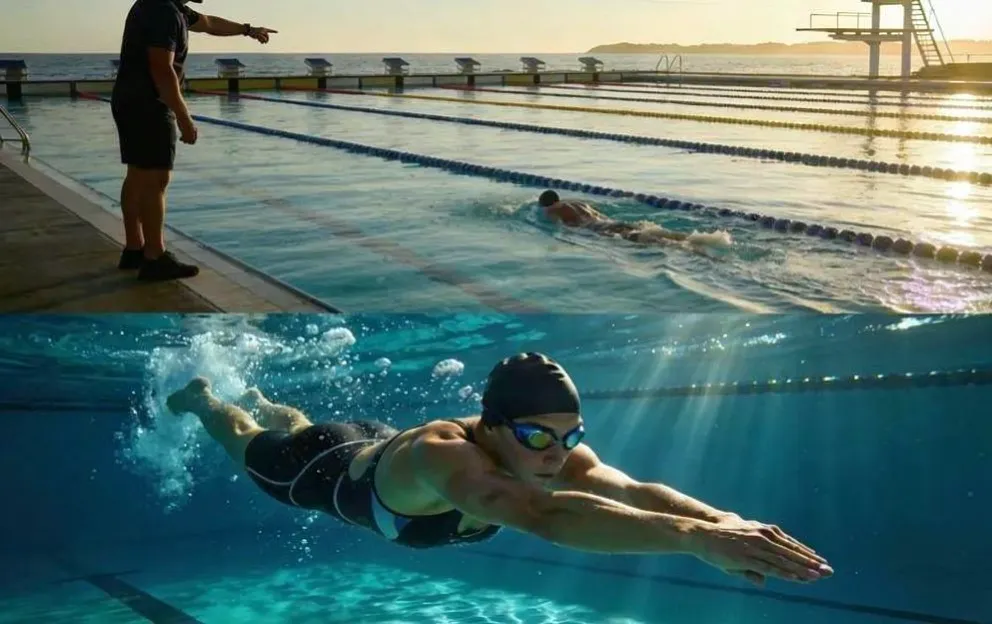
What is a Sub-Surface Hydroacoustic Solution? A Guide for Performance Water Sports Coaches
- Retekess
- May 28, 2026
For decades, the boundaries of performance coaching in water sports have been defined not by the limitations of the human body, but by a stubborn physical reality: the acoustic barrier of the water’s surface.
Whether you are an elite triathlon coach trying to correct a swimmer's dropped elbow during a critical sprint, a surf instructor attempting to yell over the roar of the lineup breaking 100 meters away, or a kite-surfing trainer guiding a student at high speeds, you have undoubtedly faced the same exhausting routine: Yelling from the deck, waving your arms frantically, and waiting until the athlete completes their lap or wipes out to deliver a piece of feedback that is already minutes too late.
In high-performance sports, delayed feedback is a catalyst for stagnation. When an athlete receives feedback minutes after a movement, the window for adjusting muscle memory closes.
Enter the modern sub-surface hydroacoustic solution. Far more than just a pair of waterproof earbuds, a true hydroacoustic communication system completely rewrites the operational physics of aquatic coaching. This comprehensive guide breaks down what this technology is, the science behind it, and how implementing a system like the Retekess TT120 can revolutionize your training squad's efficiency, safety, and performance metrics.
1. Deconstructing the Term: What is a Hydroacoustic Communication System?
To understand its value, we must look at the technical ecosystem. In elite athletic environments, a hydroacoustic solution refers to a localized, multi-channel wireless radio frequency network engineered specifically to transmit crystal-clear audio data across the air-to-water boundary.
Unlike consumer-grade Bluetooth headphones—which suffer from massive signal attenuation and completely fail the moment a device is submerged more than a few centimeters—a professional swim talk training device utilizes specialized VHF/UHF or dedicated long-range radio frequencies.
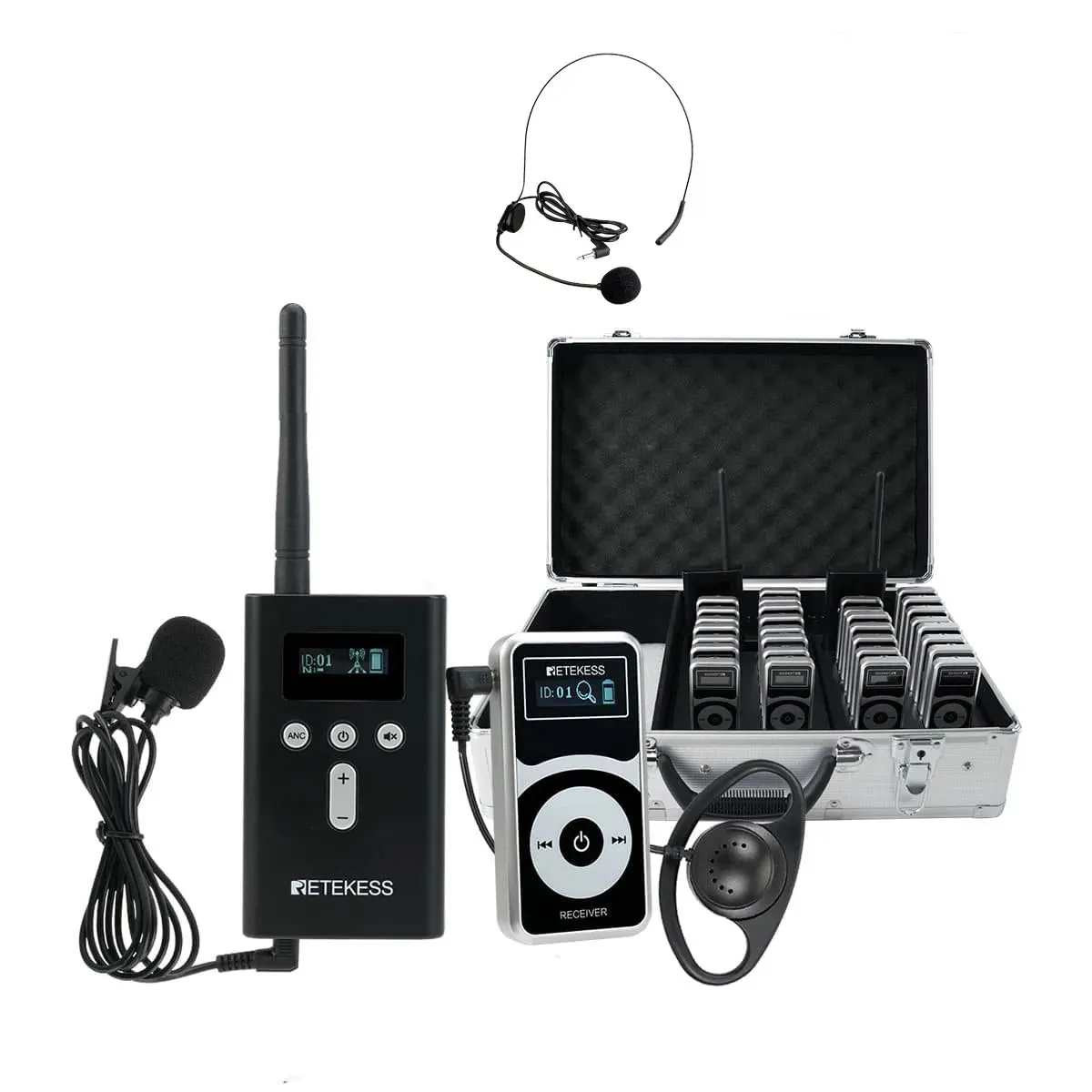
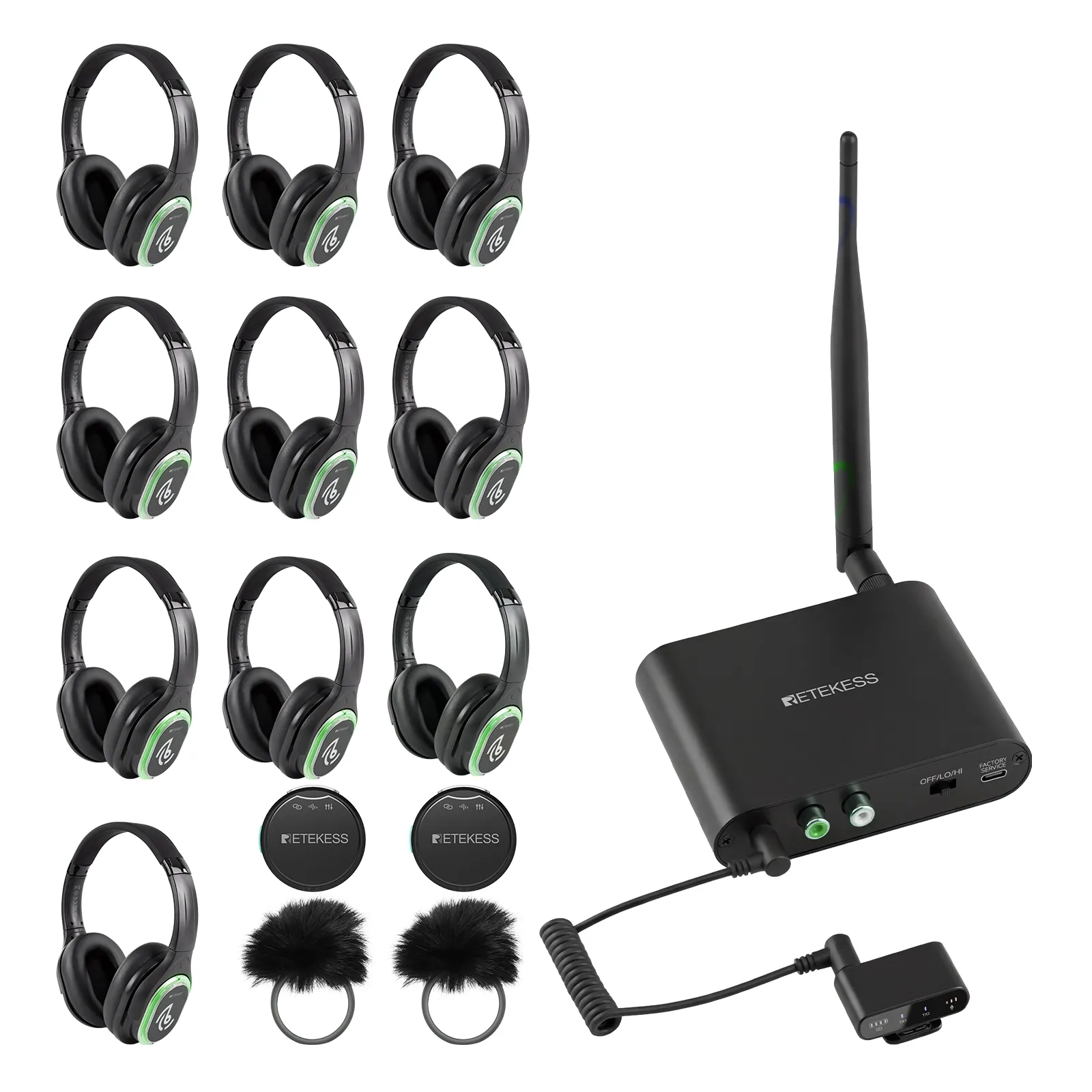
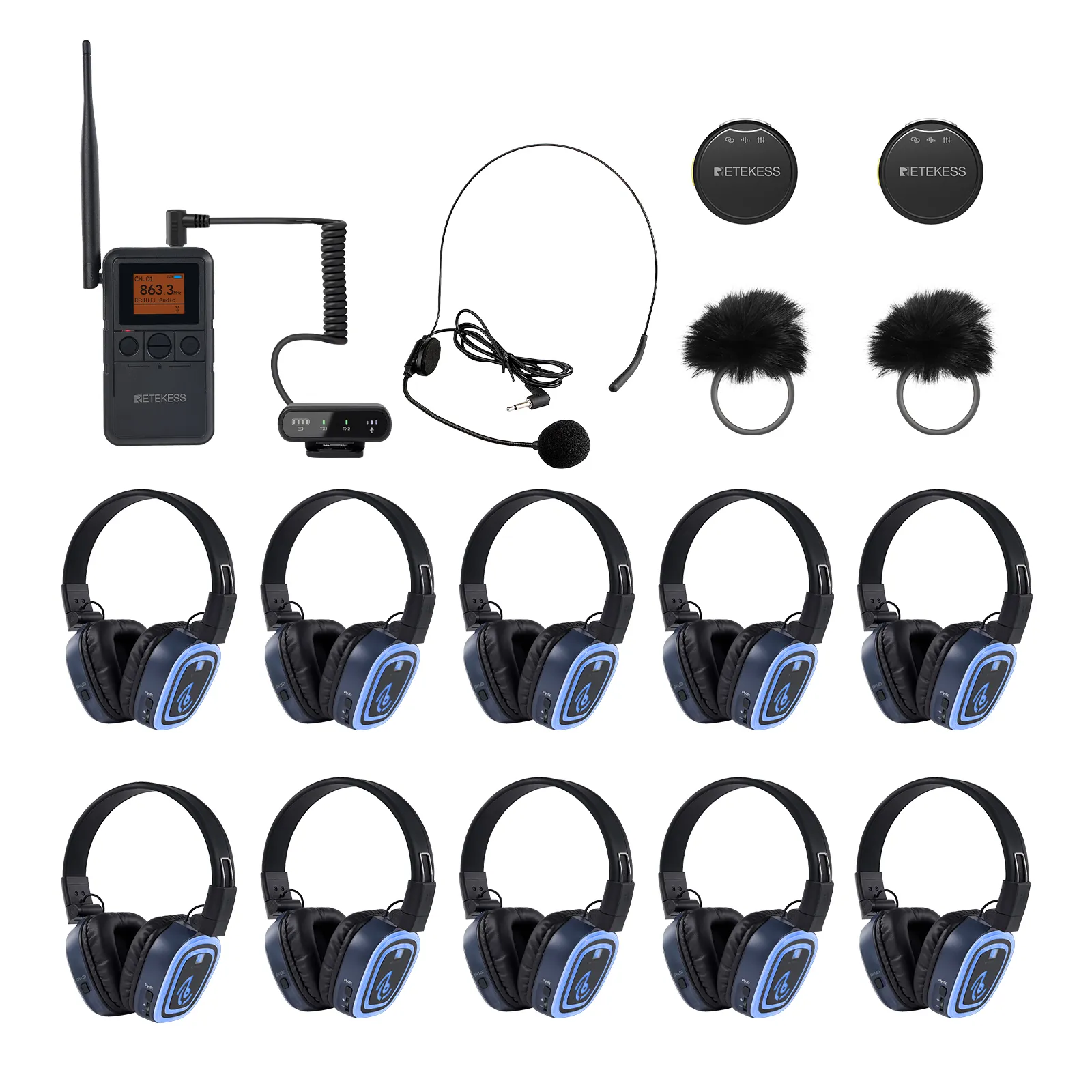
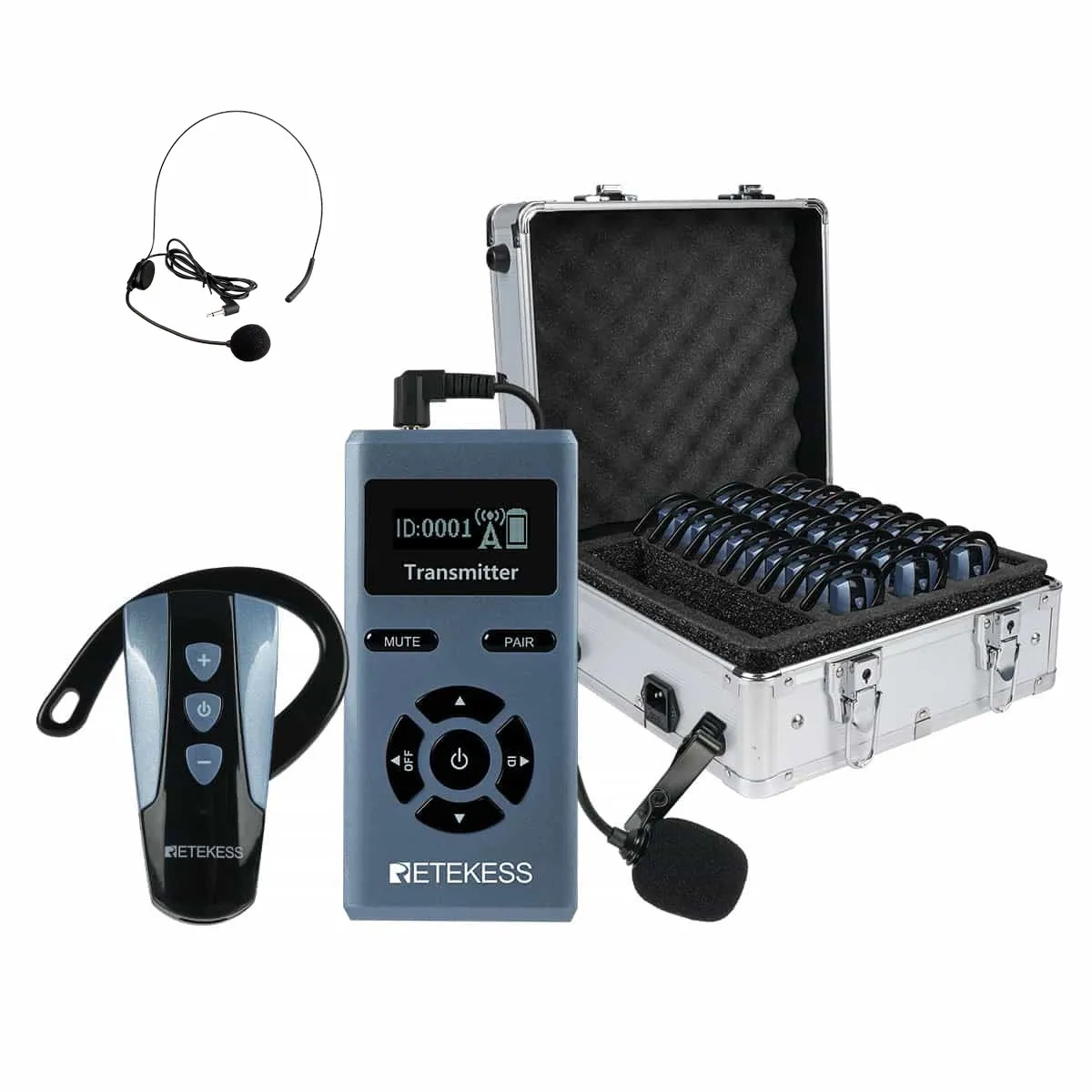
A standard institutional setup consists of two primary hardware components:
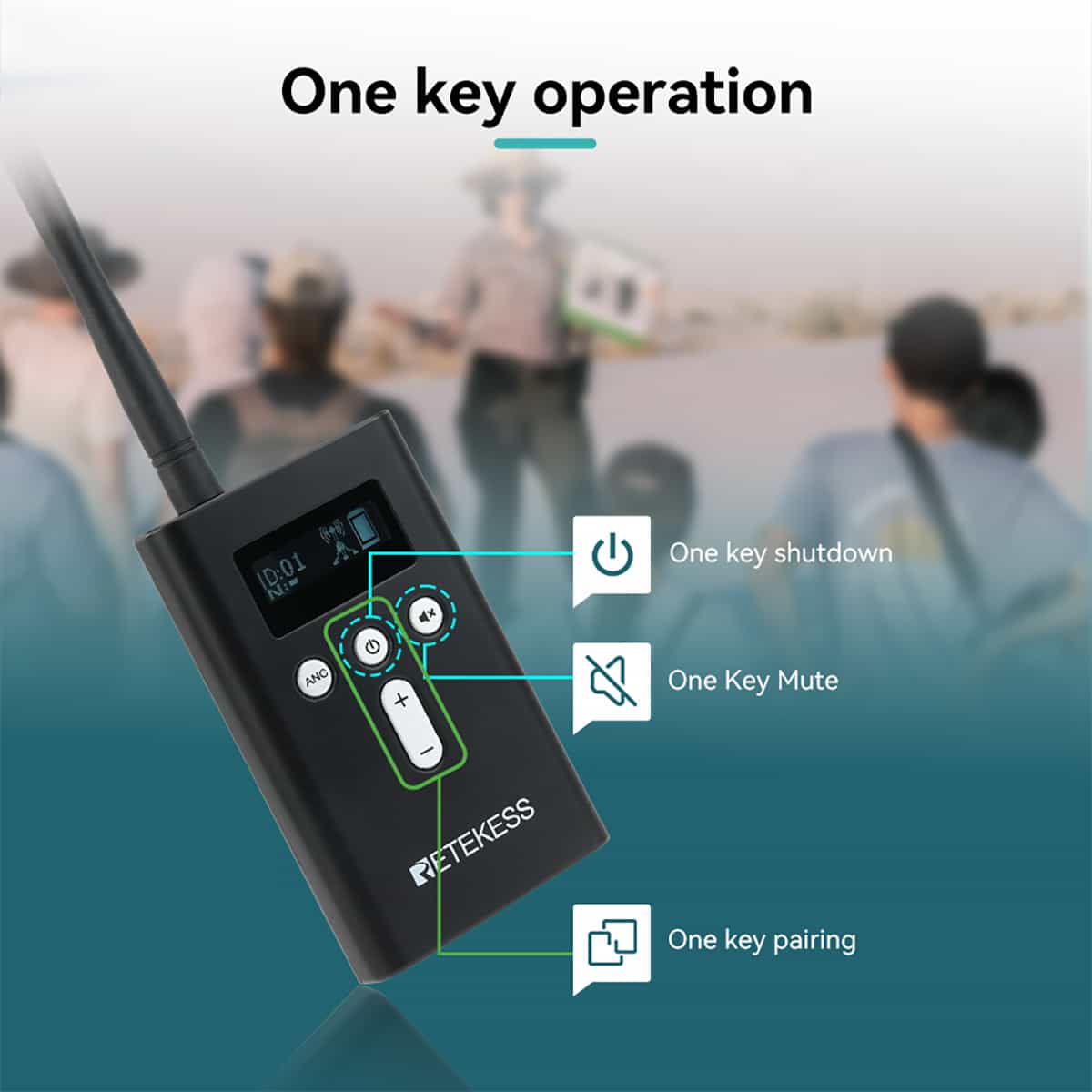
The Coach’s Transmitter: A rugged, multi-channel command unit equipped with an internal or lavalier microphone that converts live vocal cues into targeted radio signals.
The Athlete’s Receiver: A lightweight, highly hydrodynamic headset that translates those radio signals directly into acoustic vibrations, bypassing the water's disruptive turbulence.
By establishing a direct, un-attenuated feedback loop, coaches can talk to their athletes at a normal conversational volume, even when the athlete's head is completely submerged or they are navigating open-water swells over 100 meters away.
2. The Science of Sub-Surface Audio: Why Bone Conduction Changes Everything
Traditional speakers and earbuds rely on air conduction. They create sound waves that travel through the air, vibrate the tympanic membrane (eardrum), and are processed by the cochlea. However, inside a training pool or an open ocean, air conduction faces two fatal flaws: acoustic echo and water barrier isolation.
Indoor pools are notorious acoustic nightmares. Sound waves bounce off tiles, glass walls, and turbulent water, creating a phenomenon known as flutter echo. When a coach yells through a megaphone, the words blur into an unintelligible acoustic soup. Furthermore, if a swimmer wears standard earplugs to keep water out, they are structurally blocked from hearing external cues.
A professional hydroacoustic solution like the Retekess TT120 solves this by utilizing open-ear bone conduction technology.
The TT120 Hydroacoustic Audio Transmission Path
Instead of sending sound waves through the ear canal, the TT120 receiver sits securely on the outside of the ear, resting gently against the temporal bone of the skull. The device converts the audio signal into micro-vibrations. These vibrations travel directly through the bone structure into the inner ear (cochlea).
The Performance Advantages of Bone Conduction:
Instantaneous Muscle Memory Correction: If a triathlete is crossing their hand over the midline during a freestyle pull, the coach can say "Extend wider" at the exact millisecond the fault occurs. The athlete adjusts instantly, burning the correct movement pattern into their neuromuscular pathway.
Preserved Situational Awareness: Because the ear canal remains completely unobstructed (non-in-ear style comfort), athletes retain full environmental hearing. A surfer can hear a rogue wave breaking behind them, a paddleboarder remains aware of nearby watercraft, and a swimmer can hear the pace clock or their teammates. This dual-hearing capability is the ultimate safety baseline for open-water sports.
3. Core Benchmarks of an Elite System: Analyzing the Retekess TT120
When athletic directors, swimming school owners, or elite club principals evaluate a hydroacoustic fleet for pro
curement, they must look past superficial marketing and examine the hard hardware architecture. A system must be resilient enough to survive high-intensity commercial use.
Let's break down the essential benchmarks of a benchmark system, utilizing the structural specifications of the Retekess TT120 Communications System:
Multi-Channel Operational Density (9 Isolated Channels)
In a busy aquatic center or club setting, space is at a premium. A single pool might host a sprint swim squad, a youth development class, and a water fitness session simultaneously. If your communication system only has one or two channels, cross-frequency bleeding will cause absolute chaos.
The Retekess TT120 features 9 independent channels. This allows up to nine separate coaches to operate their distinct training groups in the exact same area without a single instance of radio interference. Alternatively, a head coach can use separate channels to give individualized, private stroke critiques to individual lanes without interrupting the rest of the team.
Architectural Waterproofing: IP68 vs. IP54
The marine environment is brutally unforgiving. Equipment is subjected to prolonged immersion, high-velocity splashes, chlorine exposure, and saltwater corrosion.
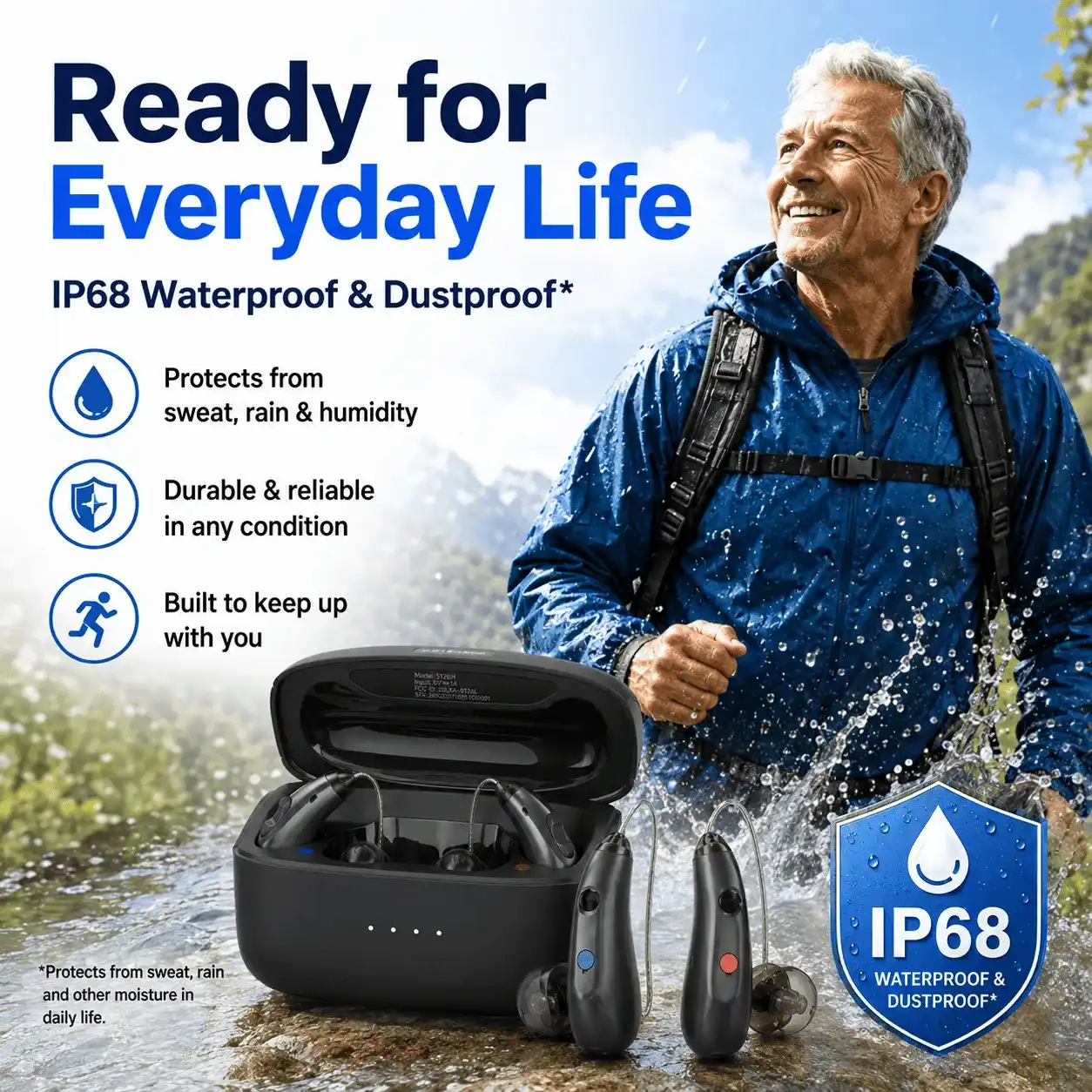
An elite hydroacoustic system divides its waterproofing strategically based on use cases. For the athlete, the Retekess TT120 receiver features an industrial IP68 rating, meaning it is fully sealed for prolonged underwater operation. For the coach on the deck or follow-kayak, the transmitter is rated at IP54, providing heavy-duty protection against sudden splashes, rain, and accidental drops into the water.
Dual-Input Capabilities for Advanced Pacing
Modern performance coaching relies heavily on cadence and rhythm. High-level swimmers and triathletes train extensively with stroke-rate metrics. The TT120 transmitter sets a gold standard by supporting both audio and microphone input simultaneously.
By utilizing a specialized audio cable, a coach can plug a digital metronome (tempo trainer) or rhythm track directly into the transmitter. The system streams the background pacing beat continuously into the athletes’ headsets while allowing the coach to speak over the audio track to give live technical adjustments.
Range and Submergence Logistics
Open-water sports require immense operational range. The TT120 delivers an expansive 120-meter transmission range above the water surface, making it perfect for windsurfing, kitesurfing, and SUP coaching from the shoreline. When the athlete is submerged, the hydroacoustic signal maintains a pristine connection up to 50 meters wide at a depth of 1.5 to 2 meters, ensuring uninterrupted data delivery during deep flip-turns and continuous underwater dolphin kicking.
4. Institutional ROI: Fleet Management for Clubs and Academies
For club owners and academy directors, purchasing training equipment is a capital expenditure that must yield a clear return on investment (ROI). Investing in a professional hydroacoustic fleet scales a business in several distinct ways:
Maximizing Lane and Pool Efficiency (Plexing the Pool)
When coaches don't have to yell, they don't have to spread out across multiple pools to avoid noise pollution. By utilizing the 9 independent channels of a professional system, a swim school can run multiple premium personal training classes in a single pool simultaneously. This effectively doubles or triples the revenue yield per square meter of your water facility.
Reducing Coach Burnout and Turnover
Voice strain and vocal nodules are classified as chronic occupational hazards for swim and water aerobics instructors. A coach who spends six hours a day screaming over pool echoes or crashing surf quickly faces physical exhaustion and medical leave. A wireless radio transmitter allows coaches to communicate effortlessly at a whisper, drastically improving job satisfaction and reducing staff turnover.
Premiumizing Your Club to Drive Enrollment
In a highly competitive digital marketing landscape, parent and athlete retention depends on perceived value. Offering "Real-Time Hydroacoustic Technical Feedback" elevates your program above the standard neighborhood swim club. It transitions your brand from a basic activity center to a cutting-edge, tech-driven sports academy, allowing you to command premium pricing for your private lessons and elite camps.
Conclusion: The New Standard of Aquatic Excellence
In the modern athletic landscape, the gap between winning a podium spot and finishing off the block is measured in hundredths of a second. You cannot close that gap using 20th-century coaching tools.
Implementing a sub-surface hydroacoustic solution like the Retekess TT120 transforms the coach-athlete dynamic entirely. It removes the guesswork from training, eliminates the acoustic chaos of the water's surface, and establishes an environment of focused, real-time progression.
Stop yelling from the pool deck or the shoreline. Upgrade your squad to a professional underwater radio communication system, and start correcting faults at the exact moment of muscle execution. Your coaches’ voices, your athletes’ split times, and your club’s bottom line will thank you.
📥 Empower Your Team Today
Are you ready to scale your aquatic academy's training infrastructure? [Contact our Sourcing Team Now] to receive an exclusive institutional proposal, corporate volume discounts for 3+ sets, and comprehensive fleet configuration pricing tailored to your squad's exact size.



![[18th Anniversary] 18 Years of Echoing Excellence: Making Communication Easier, Connecting Trust Beyond Borders](https://res.retekess.com/z_file/20260716/retekess-brand-story-making-communication-easier_20260716151044_7682.jpg)
![[18 Years in Wireless Communication] Silent Disco Systems Anniversary Celebration: Top-Selling Headphones & Event Mechanics Revealed!](https://res.retekess.com/z_file/20260713/18-years-in-wireless-communication-silent-disco-systems-anniversary-celebration_20260713175011_5749.webp)
![[Anniversary Carnival] Ding-dong! 18th Anniversary Mega Sale on Guest Paging & Calling Systems: Full Reveal of 12+ Products & Promo Rules!](https://res.retekess.com/z_file/20260713/18th-anniversary-mega-sale-on-guest-paging-calling-systems_20260713175257_0295.webp)
![[Retekess 18th Anniversary Teaser] Tour Guide System Exclusive Perks: Sneak Peek at Event Dates & Mechanics!](https://res.retekess.com/z_file/20260713/retekess-18th-anniversary-tour-guide-system-exclusive-perks--2-_20260713180135_6435.webp)
Follow Us
Pay With


 Google
 Amazon
Comments (0)