
Table of Contents
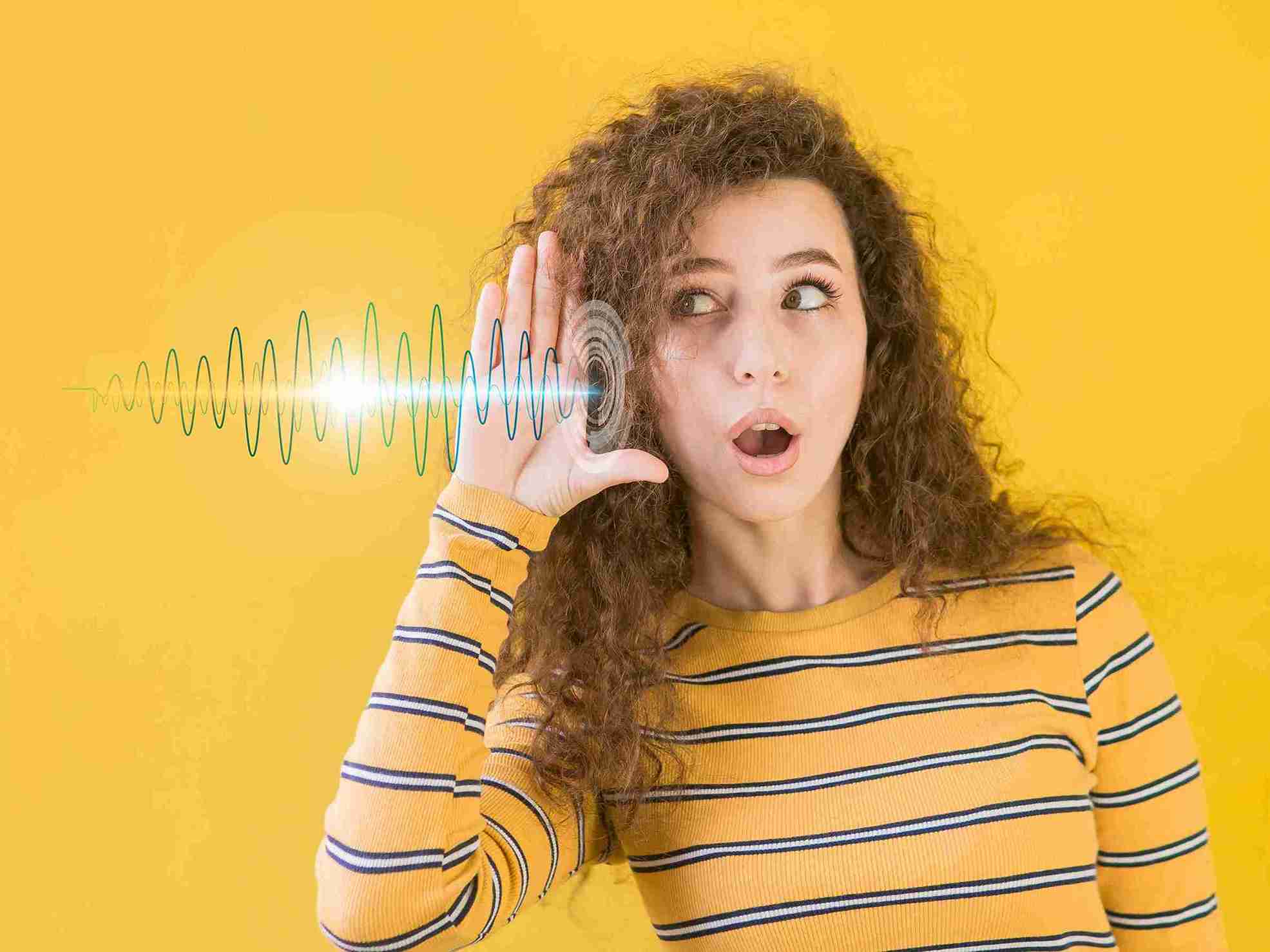
What Is Noise Reduction Rating (NRR)?
- Retekess
- Dec 11, 2025
What Is Noise Reduction Rating (NRR)? From Lab Numbers to Real-World Protection
If you’ve ever shopped for earplugs, industrial earmuffs, or even some headphones, you’ve likely encountered the term Noise Reduction Rating (NRR). This single number, prominently displayed on packaging, promises a simple answer: how much quieter things will get. But the full story of hearing protection is far more complex and fascinating than a digit can capture.
This guide will not only explain the NRR but also dive into the critical research and modern insights that reveal what it truly takes to protect your hearing in the real world.
The Classic Definition: What NRR Is Supposed to Mean
The Noise Reduction Rating (NRR) is a standardized U.S. measurement that indicates the theoretical amount of noise, in decibels (dB), that a hearing protection device (HPD) can block when perfectly fitted in ideal laboratory conditions.
A device with an NRR of 33, the highest common rating, suggests it can reduce a 100 dB environment to a safer 67 dB for the wearer. This rating is governed by the U.S. Environmental Protection Agency (EPA) and follows a specific testing protocol (ANSI S3.19-1974) involving multiple test subjects and sound frequencies.
The Critical “Real-World” Catch: Derating
Safety organizations universally agree that lab conditions don't reflect reality. Imperfect fit, hair, glasses, and movement all degrade performance. Therefore, experts "derate" the NRR to estimate true protection:
-
OSHA recommends subtracting 7 from the NRR, then dividing by 2.
-
A simpler rule: For earplugs, assume you only get 50% of the labeled NRR. For earmuffs, assume about 70-75%.
This derating is the first major clue that the NRR number is a starting point, not a guarantee.
The Evolution: What Modern Research Tells Us Beyond the Number
The conversation is shifting from a focus on the device's theoretical performance to the wearer's actual received protection. The core challenge is no longer just about blocking sound, but about doing so intelligently to preserve safety, communication, and job performance.
The table below summarizes this paradigm shift:
| Dimension | Traditional Focus (The NRR Era) | Modern, Research-Informed Focus |
|---|---|---|
| Core Goal | Achieve the highest possible theoretical attenuation (a big NRR number). | Achieve adequate, reliable personal attenuation for the specific hazard. |
| Primary Conflict | Noise vs. Hearing. | Hearing Protection vs. Situation Awareness & Performance. How to block harmful noise without isolating the worker. |
| Technology Scope | Passive attenuation (physical barriers like foam). | Advanced Electronic Ear Muffs, Level-Dependent or Uniform Attenuation earplugs, Fit-Testing technology. |
| Health Perspective | Preventing threshold shifts in standard hearing tests. | Preventing cochlear damage at the cellular level and enabling early detection. |
1. The "Fit Factor": Why Your Personal NRR is What Matters
The single greatest factor undermining the labeled NRR is improper fit. A seminal Cochrane systematic review, highlighted by NIOSH, concluded that while basic training on how to insert earplugs has limited effect, individualized fit-testing with real-time feedback significantly improves the protection workers actually achieve.
This process, known as Personal Attenuation Rating (PAR), uses a small device to measure the sound levels inside and outside your ear canal while you're wearing protection. It provides your true, personal NRR for that moment, revealing if you've achieved a proper seal.
2. The Performance Paradox: Can Protection Hinder Your Work?
A compelling 2025 study in the journal Ear and Hearing provided objective evidence for a common worker complaint. Researchers found that wearing HPDs not only made speech communication harder but also significantly degraded performance on a non-auditory, sensorimotor tracking task—a proxy for manual dexterity and operational precision.
This research underscores that the goal is optimal, not necessarily maximal, attenuation. The ideal device blocks harmful noise while preserving the ability to hear warning signals, equipment sounds, and colleague communication.
3. The Frontier: From Blocking Sound to Preventing Damage
Cutting-edge research is looking beyond the eardrum to the inner ear (cochlea). Studies show that excessive noise triggers the production of damaging molecules (reactive oxygen species) that kill delicate hair cells. This has led to investigative avenues like pharmacological otoprotection (e.g., using agents like N-acetylcysteine to mitigate damage) and novel biomaterials.
Furthermore, hearing protection technology itself is evolving. Inspired by premium hearing aids, the next generation of devices aims to provide personalized, dynamic sound management—aggressively reducing harmful impulse noises while intelligently enhancing speech in real-time.
How to Choose Protection: A Practical Guide Informed by Science
Armed with this knowledge, you can move beyond just comparing NRR numbers on a box.
-
Know Your Enemy: Use a sound level meter app (for a rough estimate) or a professional dosimeter to understand the decibel level and nature (constant vs. impact) of your noise environment.
-
Prioritize Fit and Comfort: The best device is one you'll wear consistently and correctly. Consider different styles: foam earplugs (high NRR, disposable), silicone molded plugs (reusable, good fit), or earmuffs (easy on/off, compatible with other gear).
-
Embrace Fit-Testing: If you are a safety manager or have serious concerns, seek out fit-testing services. This is the only way to know your actual PAR and ensure your HPD selection is effective.
-
Match the Device to the Task:
-
For extremely loud, consistent noise (airport tarmac, shooting range): Prioritize high NRR devices (earmuffs or plugs with NRR 30+).
-
For variable noise with communication needs (factories, workshops): Consider electronic or level-dependent earmuffs that amplify safe sounds (like speech) while blocking dangerous noise.
-
For musicians, mechanics, or hunters: Look for "uniform attenuation" or "filtered" earplugs that reduce volume evenly across frequencies, preserving sound quality and situational awareness.
-
Conclusion
The Noise Reduction Rating is a useful starting point, but it is merely the cover of a much deeper story. True hearing protection is a system that combines:
-
An understanding of your acoustic environment.
-
A well-fitted device chosen for both its attenuation and its compatibility with your need to hear.
-
A commitment to consistent, correct wear.
By looking beyond the NRR number and integrating insights from ergonomics, audiology, and occupational health, we can move towards a future where hearing protection is not just a mandate, but a seamless, intelligent part of working and living safely in a noisy world.
Protect your hearing wisely—it's the only set you'll ever have.
Leave a Reply
![[18th Anniversary] 18 Years of Echoing Excellence: Making Communication Easier, Connecting Trust Beyond Borders](https://res.retekess.com/z_file/20260716/retekess-brand-story-making-communication-easier_20260716151044_7682.jpg)
![[18 Years in Wireless Communication] Silent Disco Systems Anniversary Celebration: Top-Selling Headphones & Event Mechanics Revealed!](https://res.retekess.com/z_file/20260713/18-years-in-wireless-communication-silent-disco-systems-anniversary-celebration_20260713175011_5749.webp)
![[Anniversary Carnival] Ding-dong! 18th Anniversary Mega Sale on Guest Paging & Calling Systems: Full Reveal of 12+ Products & Promo Rules!](https://res.retekess.com/z_file/20260713/18th-anniversary-mega-sale-on-guest-paging-calling-systems_20260713175257_0295.webp)
![[Retekess 18th Anniversary Teaser] Tour Guide System Exclusive Perks: Sneak Peek at Event Dates & Mechanics!](https://res.retekess.com/z_file/20260713/retekess-18th-anniversary-tour-guide-system-exclusive-perks--2-_20260713180135_6435.webp)
Follow Us
Pay With


 Google
 Amazon
Comments (0)