
Table of Contents
What is Overtourism? 4 Ways to Be a More Sustainable Traveler
- Retekess
- Jul 28, 2026
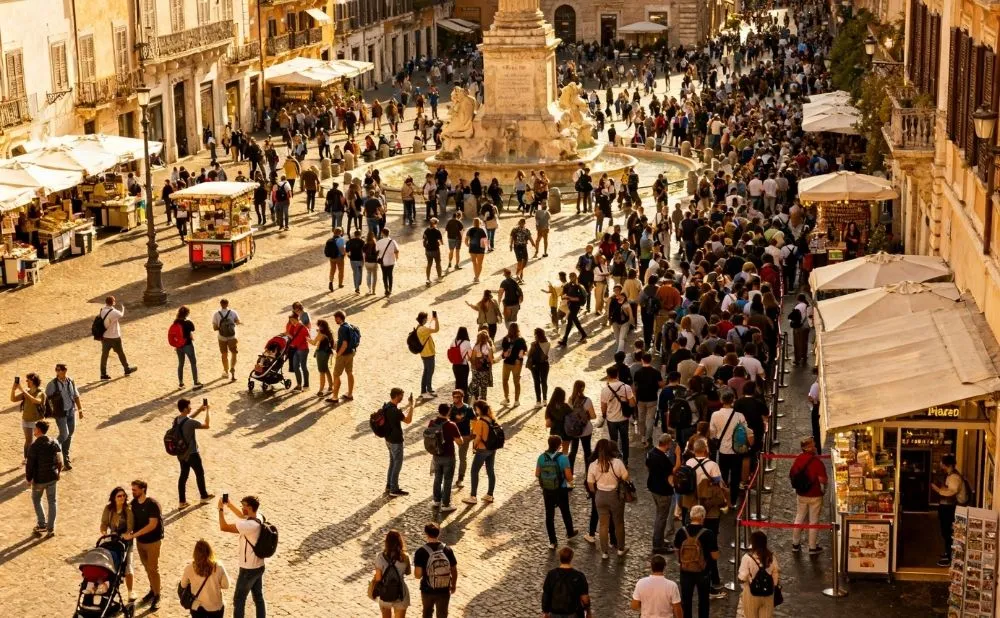
Welcome to the era of overtourism—a phenomenon where our collective desire to explore the world is slowly destroying the very places we love. As international travel bounces back to record highs, it is time to ask ourselves a difficult question: Are we loving our favorite destinations to death?
What Exactly is Overtourism?
Overtourism occurs when too many visitors flock to a specific destination, exceeding the area's capacity to manage them sustainably.
This isn't just about long lines at museums or crowded beaches. Overtourism means rent prices skyrocketing so high that locals are pushed out of their own neighborhoods to make way for vacation rentals.
The Perfect Storm: What is Driving the Crowds?
Overtourism didn't happen overnight. It is the result of long, slow changes driven by a few modern catalysts:
-
The Social Media Effect:
Platforms like Instagram and TikTok have radically changed how we choose our destinations. The pursuit of the perfect photo can turn a quiet, unknown village into a viral hotspot in a matter of weeks, driving hordes of tourists to places that lack the infrastructure to handle them. -
Cheap Flights and Cruise Ships: The rise of budget airlines has made multiple short-haul trips affordable for millions of people.
Meanwhile, mega cruise ships can deposit thousands of passengers into small port cities for just a few hours, overwhelming local streets without contributing much to the local economy. -
The Rise of Short-Term Rentals: Peer-to-peer accommodation platforms (like Airbnb) have made finding a place to stay easier than ever. However, this has often depleted the housing stock for locals, forcing up rents and transforming residential neighborhoods into transient tourist zones.
The Poster Children of Overtourism
The backlash from locals is growing, and several iconic destinations are now on the front lines of the battle against overtourism:
-
Venice, Italy:
Often considered the poster child for overtourism, Venice has struggled with sinking foundations and fleeing locals for years. In response, the city has banned large cruise ships from its historic center and recently introduced a daily entry fee for day-trippers to manage the impact. -
Barcelona, Spain: After arriving on the global stage during the 1992 Olympics, Barcelona's popularity skyrocketed. Today, the city is experiencing heavy local protests. In response, local authorities have worked to regulate excessive tourism by restricting access to popular sites like Park Güell and cracking down on the spread of souvenir shops and unlicensed holiday rentals.
-
Natural Wonders (Maya Bay & Boracay): It isn't just cities.
Maya Bay in Thailand (made famous by the movie The Beach) and Boracay Island in the Philippines suffered such severe environmental degradation from "tourism pollution" that governments had to temporarily shut them down entirely to allow their ecosystems to heal.
How Can We Be Part of the Solution?
The good news is that we don't have to stop traveling. We just need to travel better. Here is how you can help combat overtourism on your next trip:
-
Embrace the Off-Season: Stop following the summer crowds. By traveling during the shoulder or off-seasons, you help disperse the economic benefits of tourism throughout the year and avoid contributing to peak-season bottlenecks.
-
Seek Out Secondary Destinations: Instead of heading straight for Paris, Venice, or Kyoto, look for lesser-known cities and regions that are actively seeking tourist dollars. You will often find more authentic experiences, friendlier locals, and lower prices.
-
Stay Local and Legal: When booking accommodations, choose locally owned boutique hotels or ensure your short-term rental is legally licensed.
This helps protect the local housing market and ensures your money stays in the community. -
Respect the Rules (and the Residents): Remember that a tourist destination is, first and foremost, someone else's home. Keep noise levels down at night, respect local customs, and treat the environment with care.
Overtourism is a complex problem, but it is one we can solve through mindful choices.
Leave a Reply














![[18th Anniversary] 18 Years of Echoing Excellence: Making Communication Easier, Connecting Trust Beyond Borders](https://res.retekess.com/z_file/20260716/retekess-brand-story-making-communication-easier_20260716151044_7682.jpg)
![[18 Years in Wireless Communication] Silent Disco Systems Anniversary Celebration: Top-Selling Headphones & Event Mechanics Revealed!](https://res.retekess.com/z_file/20260713/18-years-in-wireless-communication-silent-disco-systems-anniversary-celebration_20260713175011_5749.webp)
![[Anniversary Carnival] Ding-dong! 18th Anniversary Mega Sale on Guest Paging & Calling Systems: Full Reveal of 12+ Products & Promo Rules!](https://res.retekess.com/z_file/20260713/18th-anniversary-mega-sale-on-guest-paging-calling-systems_20260713175257_0295.webp)
![[Retekess 18th Anniversary Teaser] Tour Guide System Exclusive Perks: Sneak Peek at Event Dates & Mechanics!](https://res.retekess.com/z_file/20260713/retekess-18th-anniversary-tour-guide-system-exclusive-perks--2-_20260713180135_6435.webp)

Follow Us
Pay With


 Google
 Amazon
Comments (0)