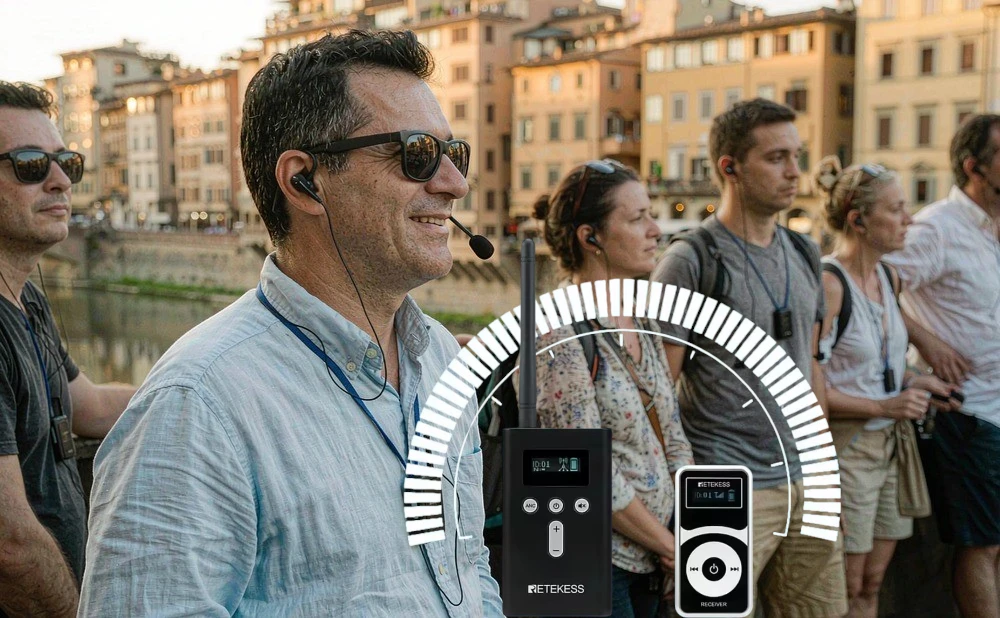
If you run audio-guided walking tours, that moment is exactly why a proper audio system isn't a luxury — it's the backbone of your business.
The honest answer to "what is the best audio system?" is that there is no single best system — only the best system for your tour type, group size, and communication style. A ghost walk for eight people and a brewery tour for forty need very different gear. This guide walks you through the real-world options, what each does well, what it costs, and how to pick with confidence.
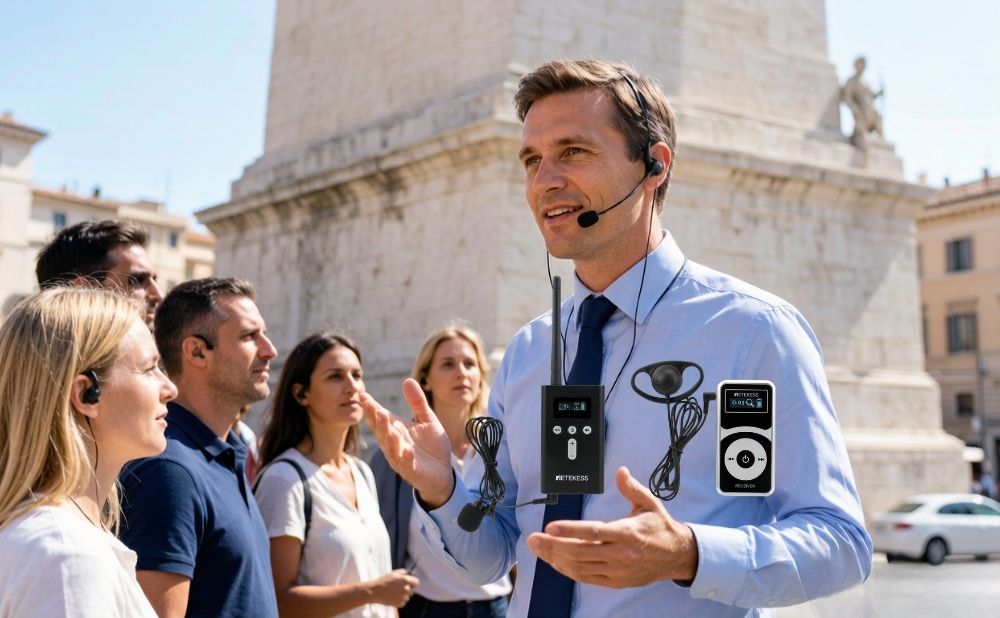
At minimum, a professional audio-guided walking tour needs three things:
Optional but often worthwhile: a backup transmitter, spare earpieces (they do get lost), and for two-way tours, transceiver units that let guests press a button and ask questions.
| Type | How it works | Best for | Watch out for |
|---|---|---|---|
| One-way wireless kits (transmitter + earpiece receivers) | Guide talks, guests listen on individual receivers | Classic walking, historic, museum and food tours — the industry standard | No guest interaction; guests can't ask questions mid-walk |
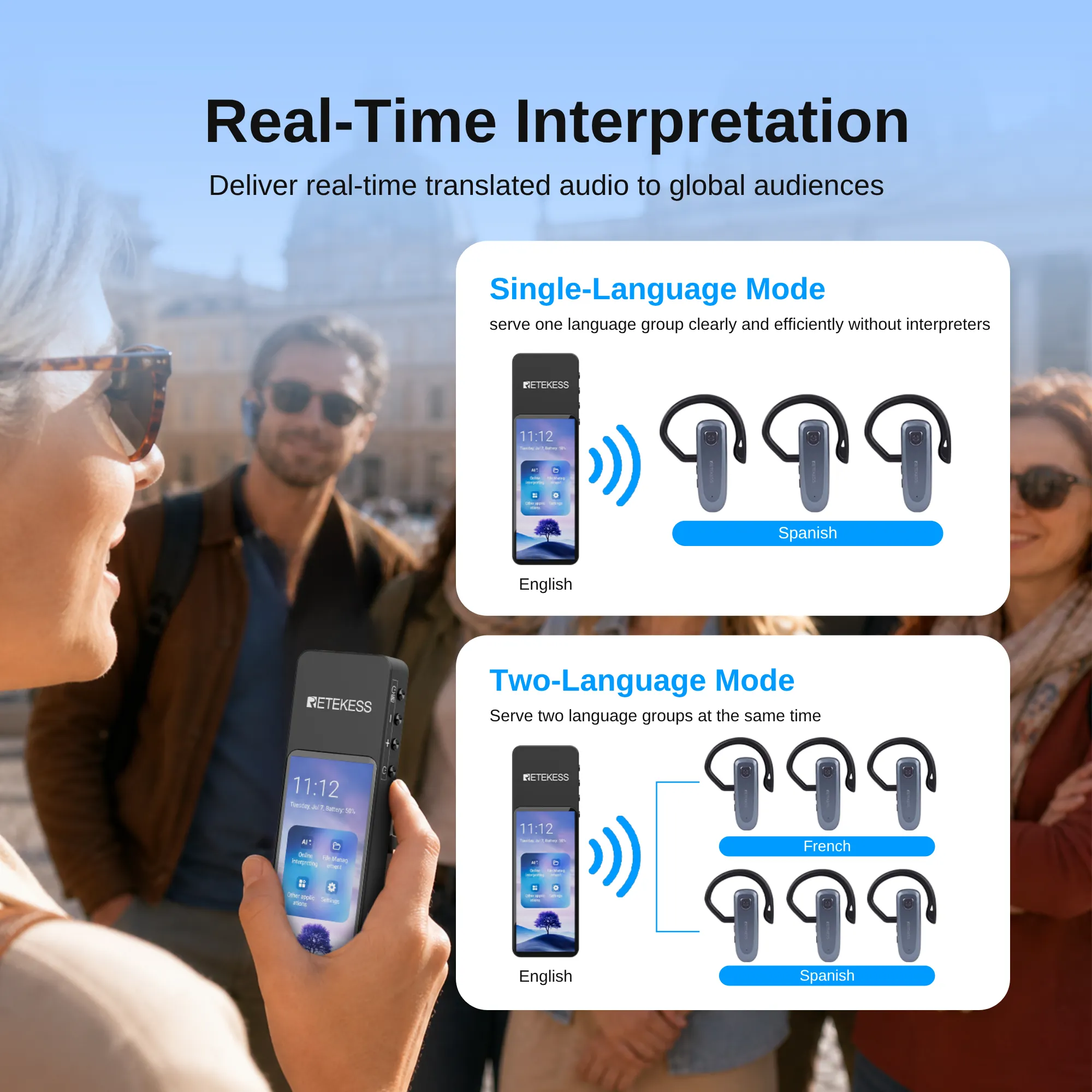
| Two-way transceiver systems | Every unit can both transmit and receive; guests press to speak | VIP groups, corporate tours, training walks, multilingual/Q&A formats | Higher cost per unit; slightly more setup |
| Voice amplifiers | Guide wears a small PA speaker; no guest hardware | Small groups (6–10), casual outdoor settings | Limited range; useless in loud environments; no privacy |
| App / smartphone-based systems | Audio streams to guests' phones over Wi-Fi or data | Self-paced, self-guided routes | Depends on guests' phones, batteries and connectivity; latency and dropout risk outdoors |
Dedicated hardware remains the gold standard for reliability and zero-latency audio — a theme that comes up again and again in tour operator discussions. App-based platforms are improving and can work for simple, self-paced setups, but traditional headset systems still win decisively on range, consistency, and the "this just works" factor that paying guests expect.
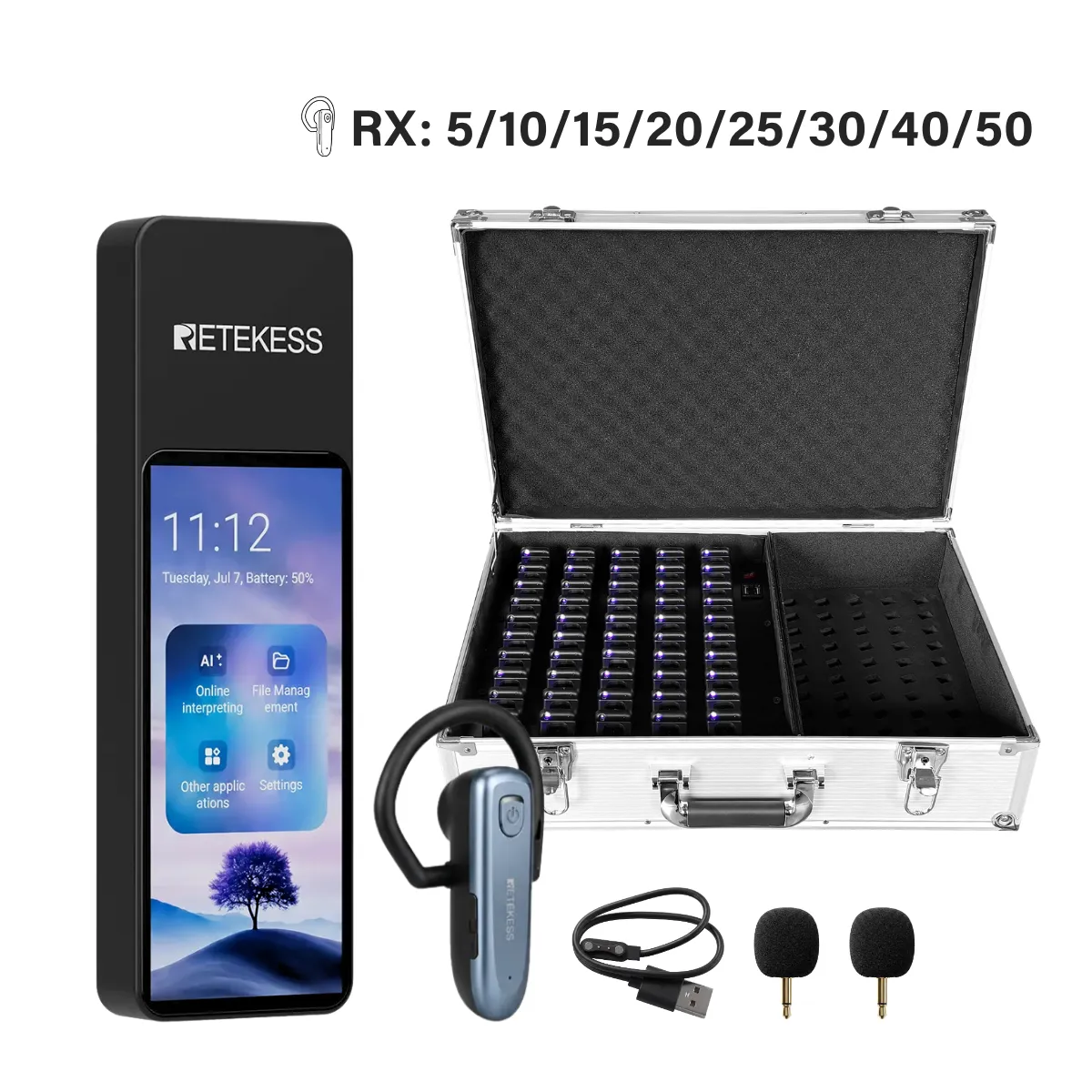
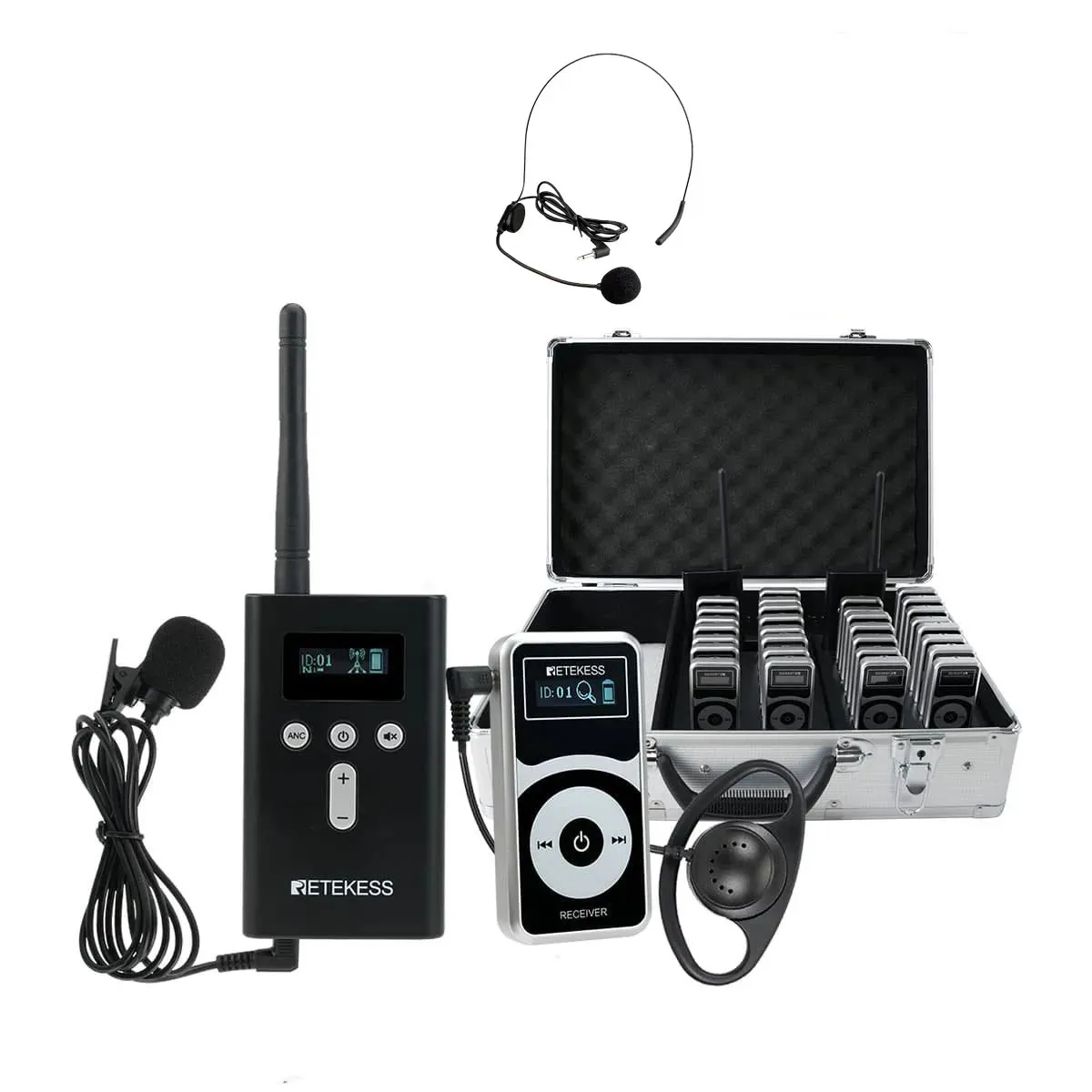
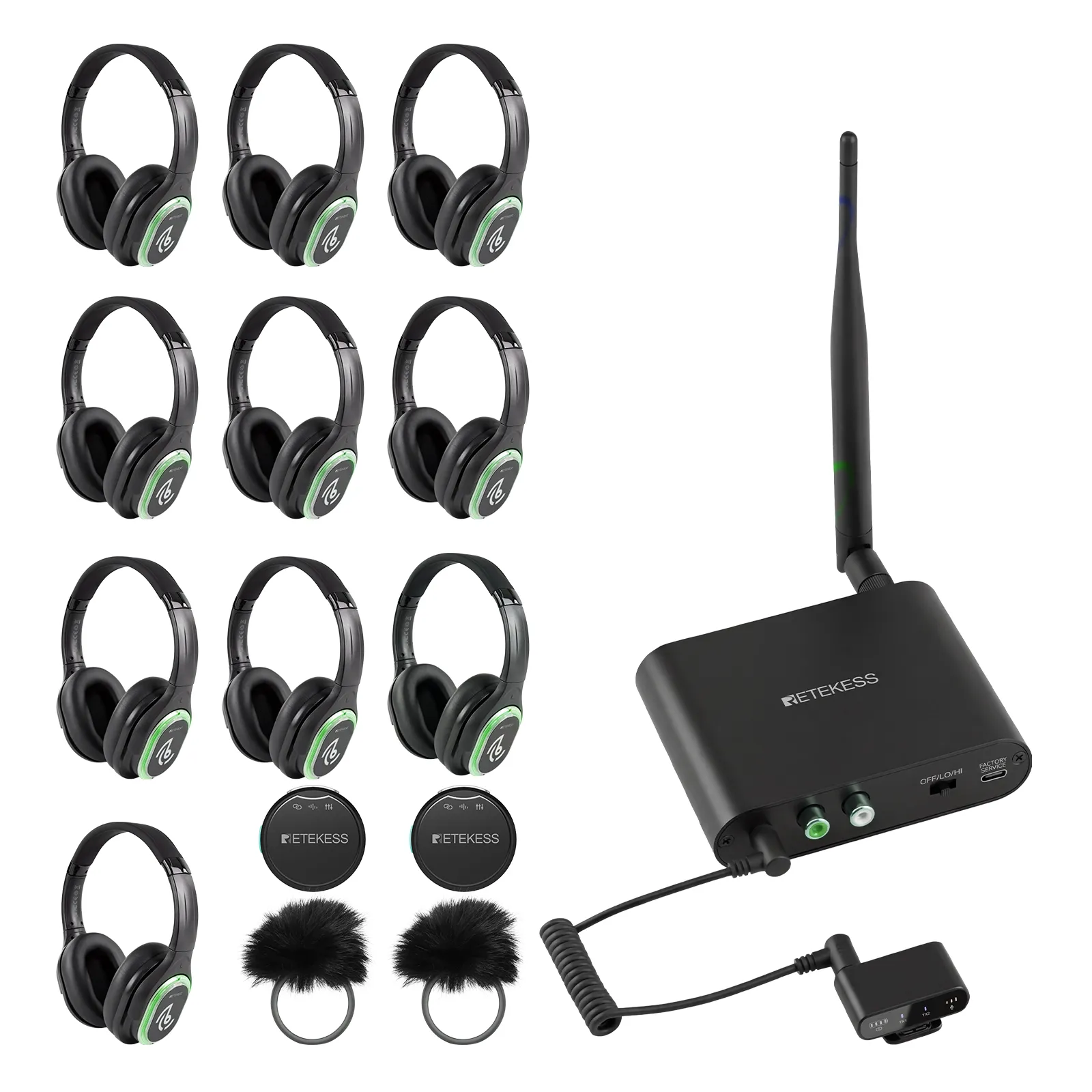
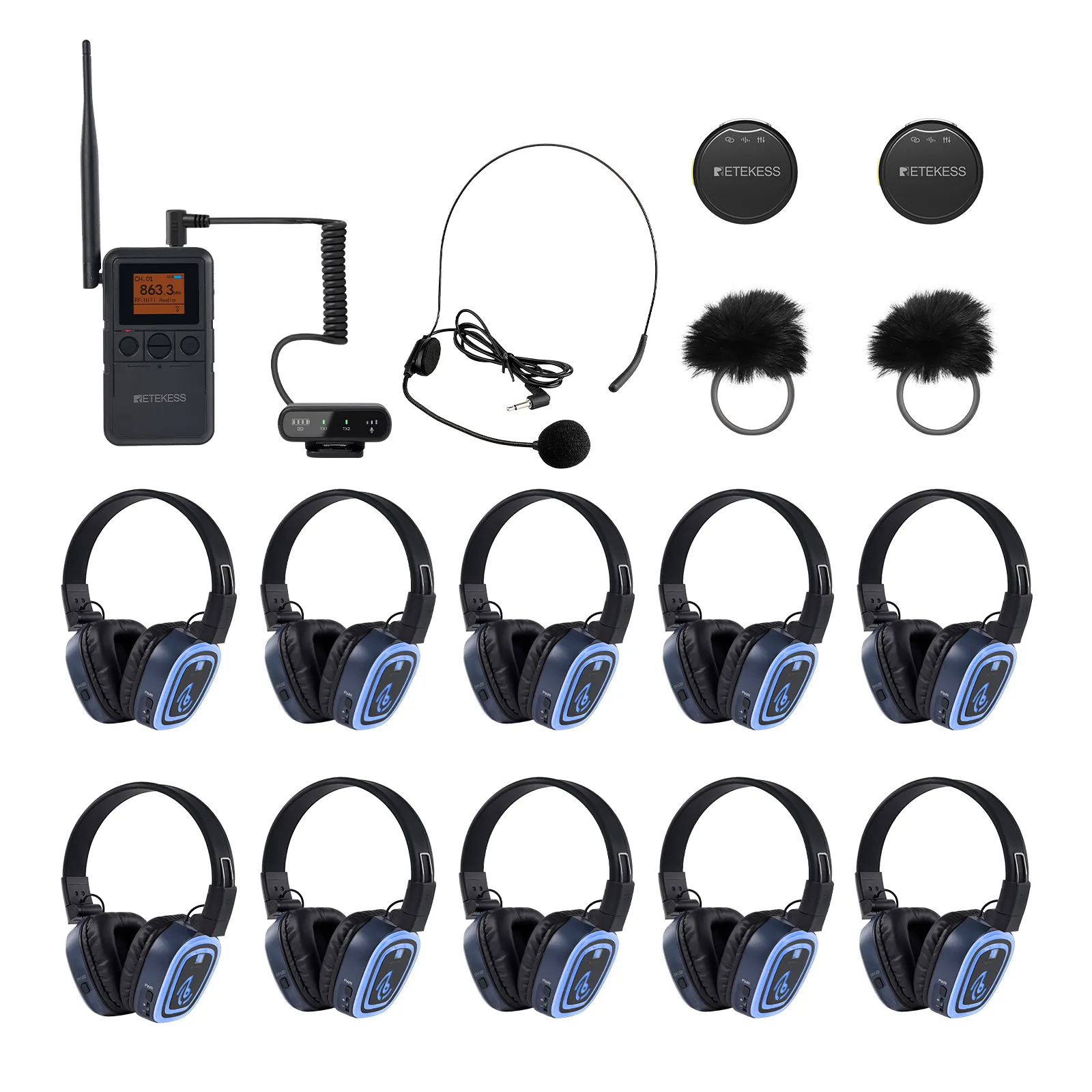
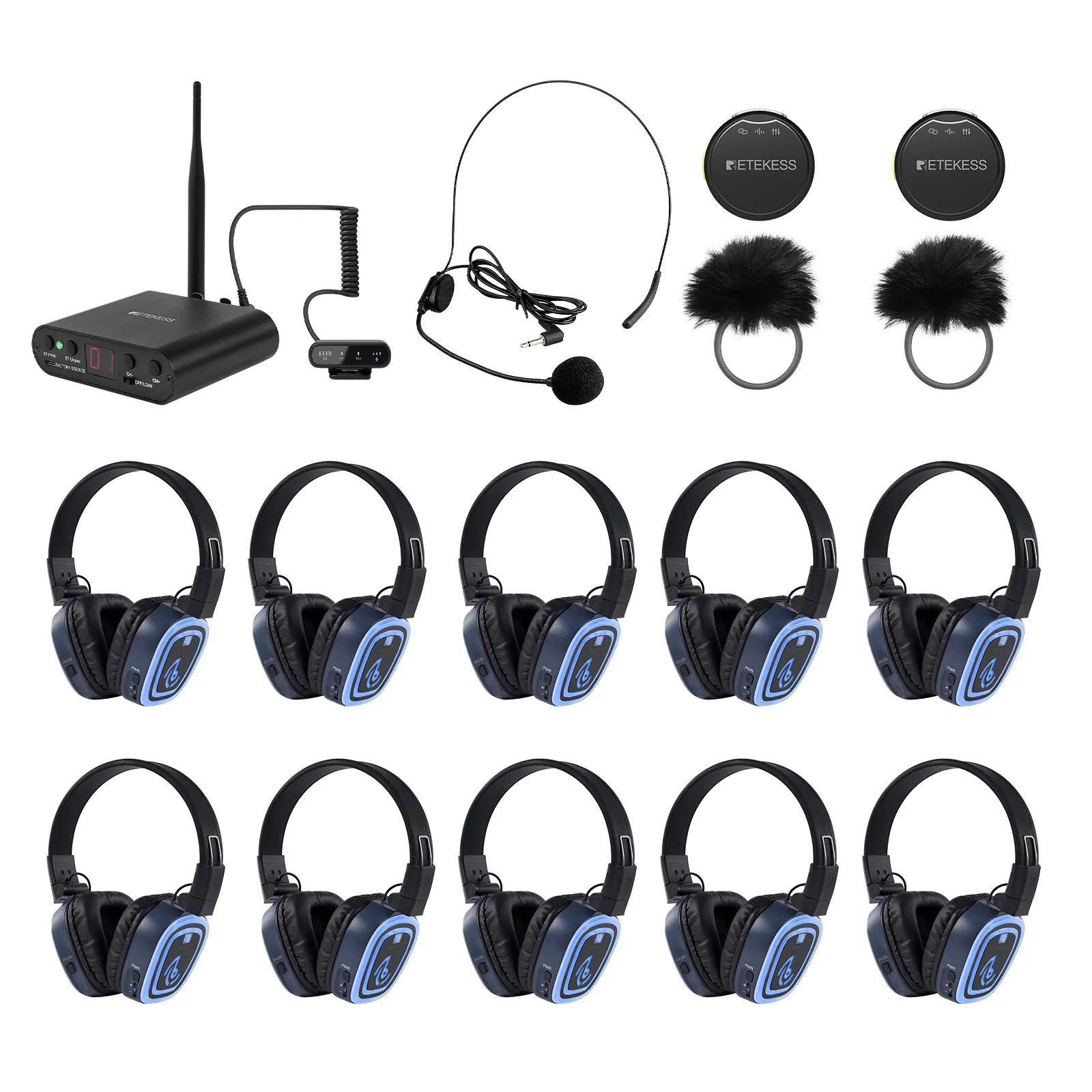
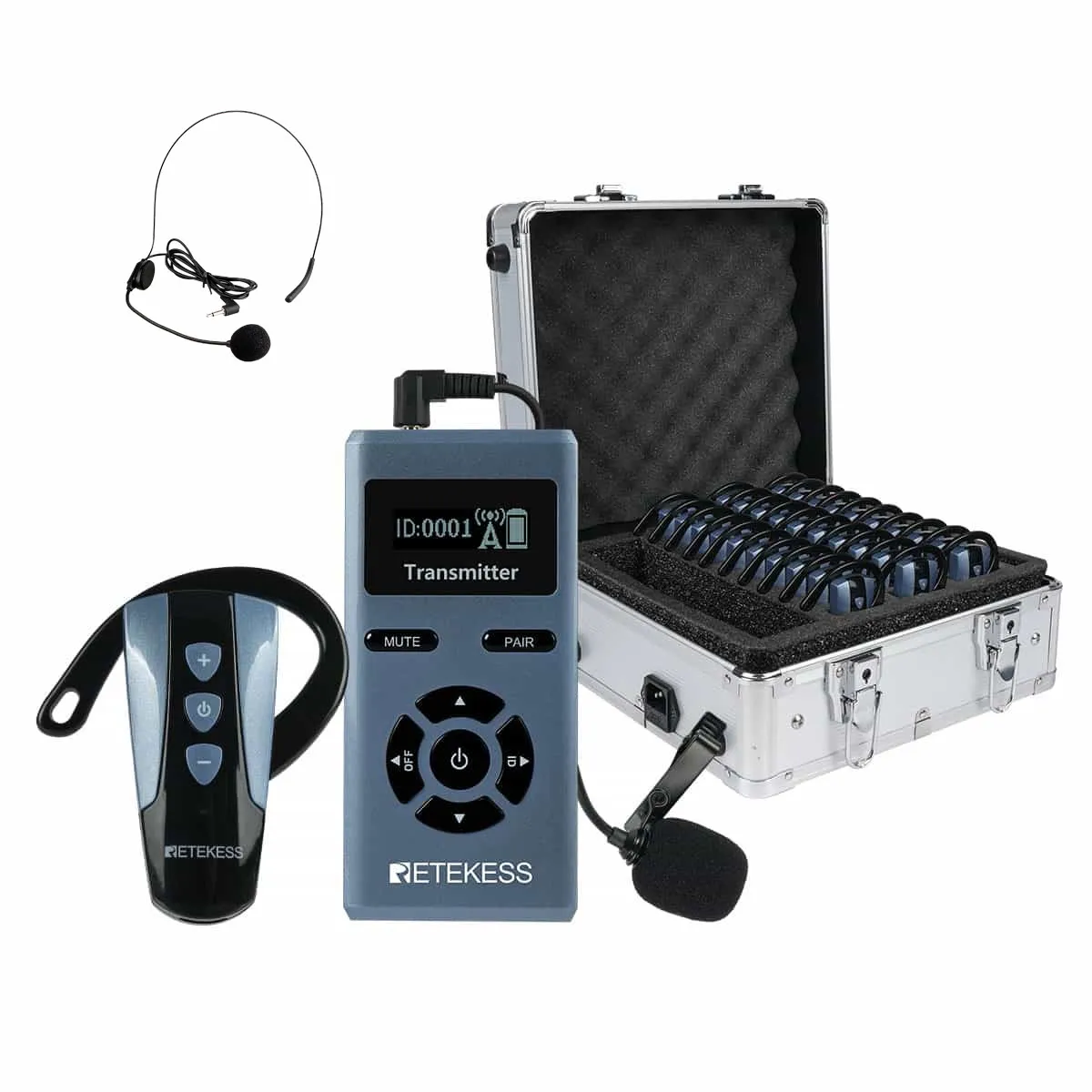
Retekess kits are perfectly tailored to the needs of most hiking tour operators: they offer professional-grade quality without the high price tags associated with premium brands. These systems provide stable signal transmission, with transmitters boasting an impressive 16–25 hour battery life—easily sufficient for multi-day excursions. They also feature multi-port charging cases, and select models even support dual transmitters, allowing two guides to take turns speaking or enabling the inclusion of an interpreter (e.g., the TT126 and TT129 models). A complete set with 30 receivers typically costs around $1,200—significantly less than the price of comparable equipment from traditional professional brands. Explore the full range in the Retekess Audio Guide Systems collection.
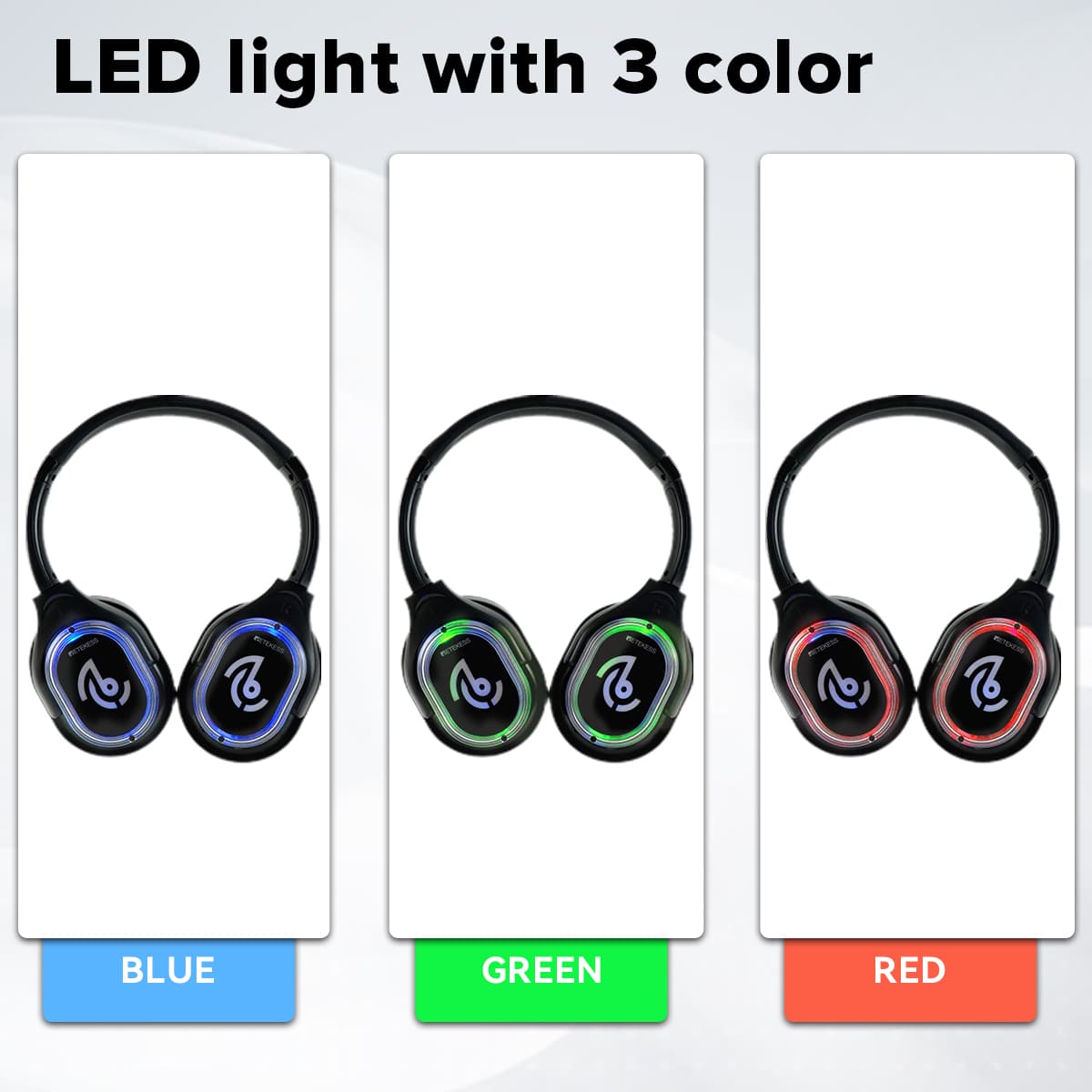
Budget-friendly two-way alternative: the Retekess TT126 delivers full two-way conversation — guests press a button to ask questions — and ships with professional noise-canceling headphones, so speech stays clear even along busy streets. It covers the same interactive tour formats as premium transceiver systems at a fraction of the cost. See the Retekess TT126 tour guide system.
TT126 paired with TT034 noise-canceling headset, rugged build quality. If your "walking tour" is actually a factory floor or plant visit with machinery noise, this is the dependable pick.
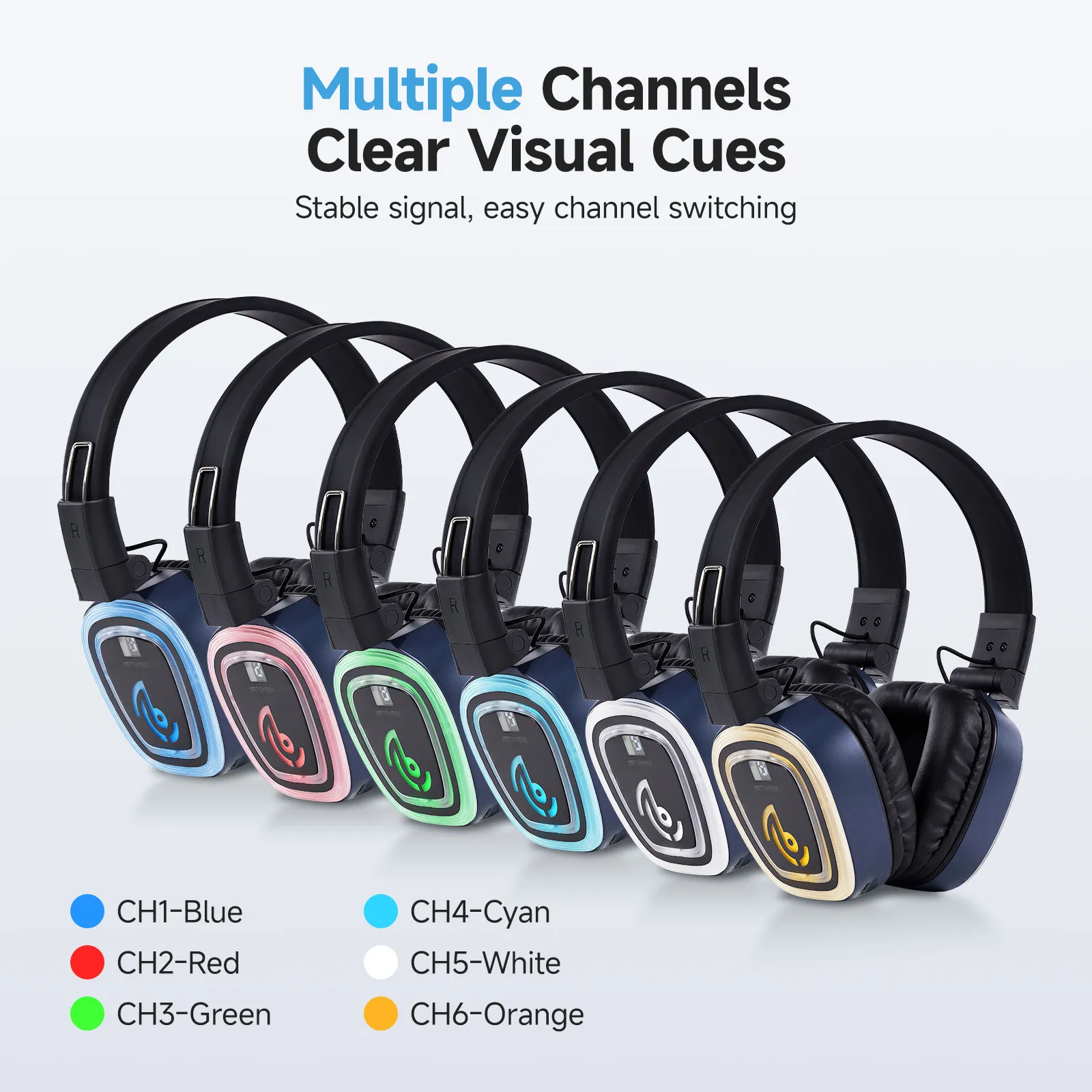
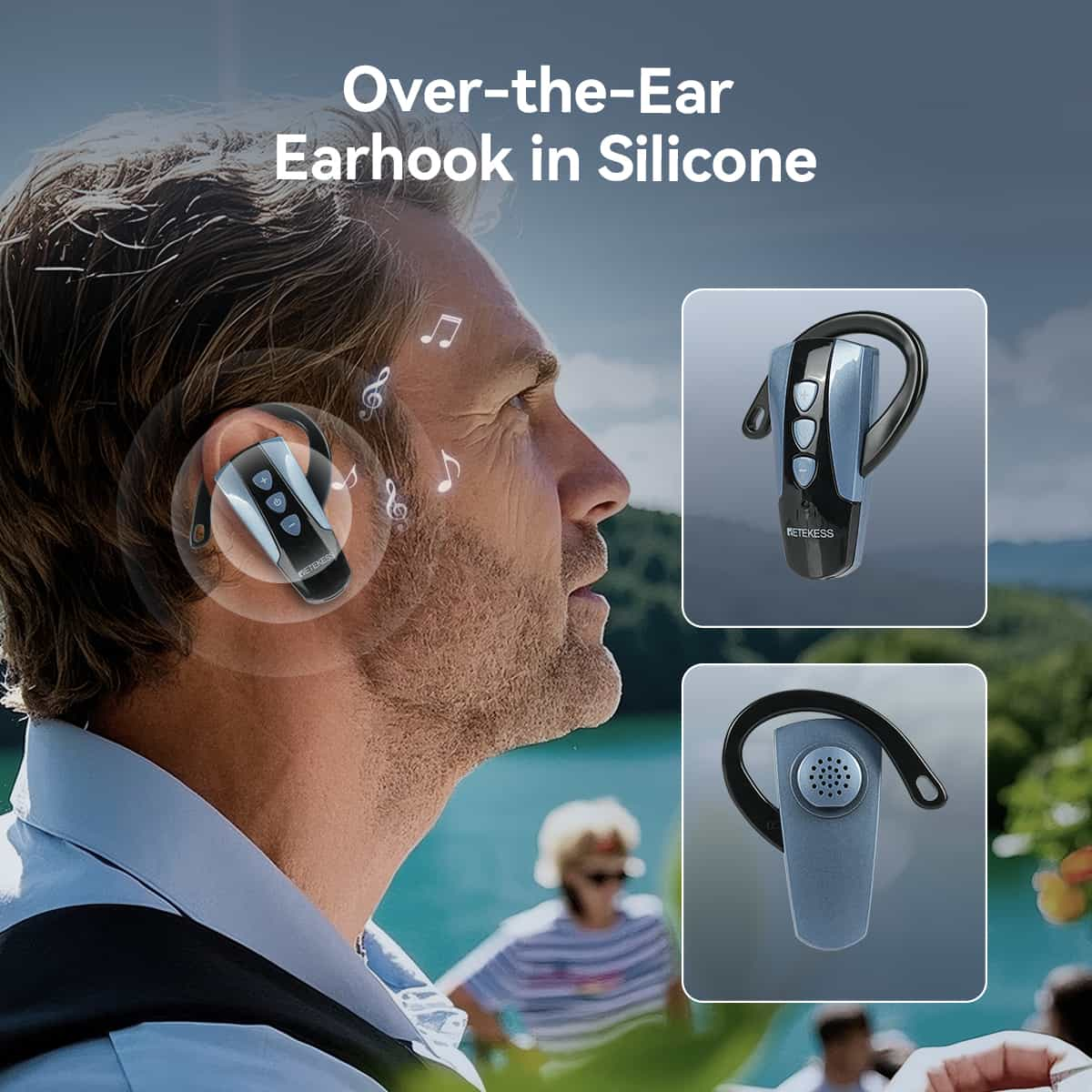
The Retekess TT133 is an ultra-lightweight one-way system built for long walking tours — receivers are light enough that guests forget they're wearing them, which matters enormously on 2–3 hour city walks. Combined with Retekess's stable 2.4GHz transmission and all-day battery life, it's the streamlined pick for classic walking, historic, and brewery tours where simplicity is the whole point.
20W–50W+ wearable or shoulder-strap speakers with UHF headset microphones (e.g., W-KING or M801 style units). Ideal when you'd rather not hand out individual earpieces to guests.
Small groups of 6–10 people can get by with a basic speaker amplifier((though in some cities where loudspeakers are prohibited, a dedicated tour guide system will be required). Once you regularly run 20, 30, or 50+ people — especially in city streets — you need a dedicated wireless transmitter–receiver earpiece kit. Undershooting here is the most common (and most audible) mistake new tour companies make.
Quiet museums and historic interiors favor lightweight "whisper" systems. Busy city streets, markets, and waterfronts demand strong signal penetration and noise isolation — look for 2.4GHz digital transmission or professional UHF bands with good channel separation.
If your format is pure narration, a one-way system is simpler and cheaper per guest. If guests are expected to ask questions — corporate groups, school visits, food tastings — invest in two-way transceivers, at least for the guide plus a few roaming units.
Web-based smartphone platforms are emerging as a low-cost option for simple setups, but they chain your tour's quality to your guests' phones, battery levels, and signal coverage. For professional reach and range — and for tours you charge real money for — dedicated hardware still wins.
Among all the options above, Retekess consistently stands out for walking tour operators, and not just on price:
At minimum: a wireless transmitter with a microphone for the guide, a receiver with an earpiece or headset for each guest, and a multi-port charging case for storage and recharging.
One receiver per paying guest, plus 2–3 spares for losses and last-minute bookings. If you run 20-person tours, a 30-receiver kit gives you comfortable headroom and covers simultaneous tours when paired with a second transmitter.
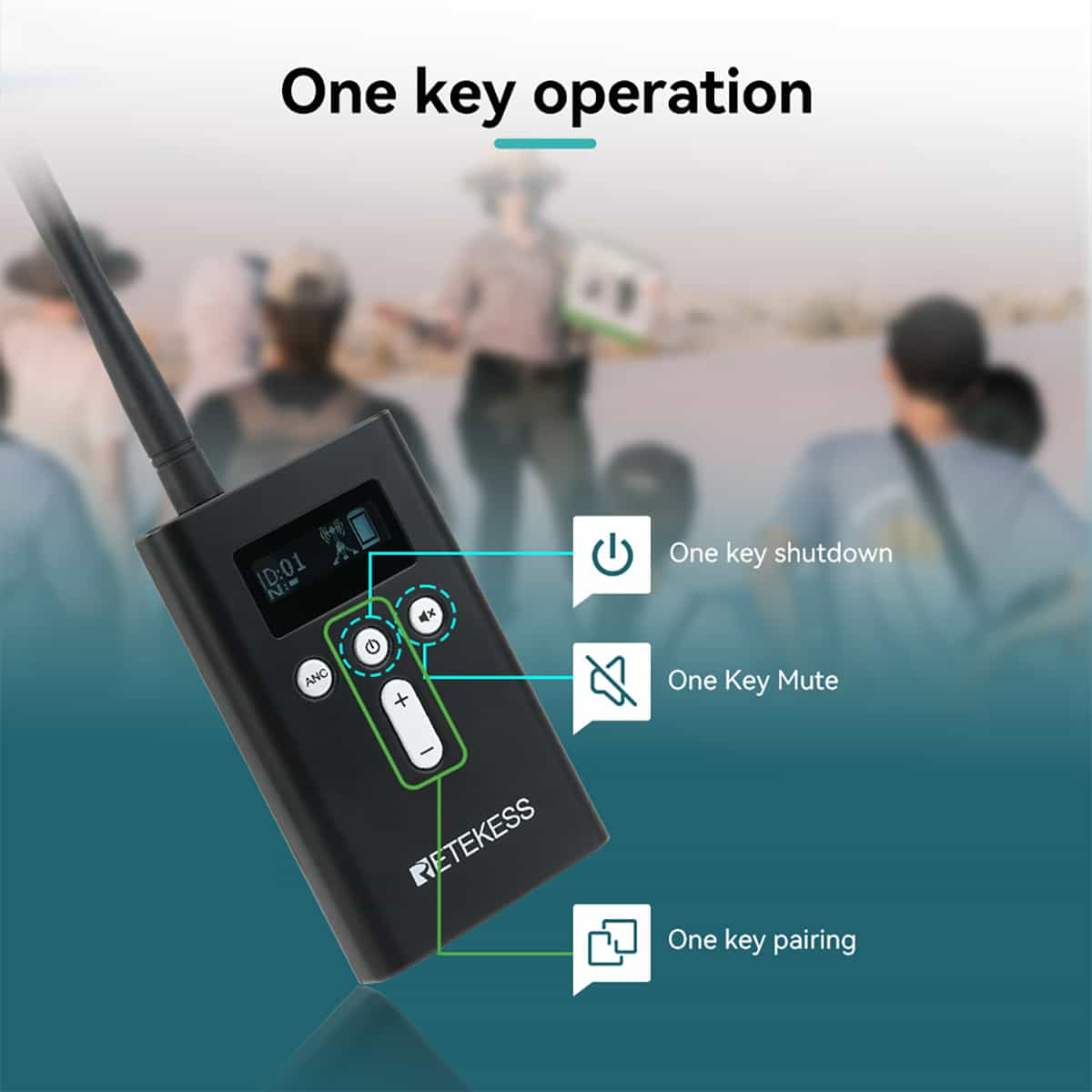
No. Modern kits like the Retekess T130P pair with one touch: power on the transmitter and receivers, and they lock onto the same channel automatically. Most operators run their first tour the same day the kit arrives.
If your tour is narration-driven (history walks, ghost tours, food tours), one-way is simpler and more affordable. Choose two-way transceivers when guests are expected to interact — corporate training walks, school groups, or interpretation-style tours. The Retekess TT126 makes two-way affordable, with professional noise-canceling headphones for both guide and guests.
With most tour guide systems, yes — receivers include a standard 3.5mm jack, so guests can plug in their own earbuds. That said, supplying hygienic single-use earcovers or disposable earpieces is a small cost that guests noticeably appreciate.
Typical tour guide systems transmit cleanly up to 50–200 meters in open air, more than enough for guests to wander a plaza or lag a few steps behind and still hear every word. Walls and dense crowds shorten the range, so test your actual route before launch day.
They can work for self-paced, self-guided routes. But for live guided tours, apps introduce latency, dependence on guests' phones and connectivity, and no guarantee of audio quality. Professional operators overwhelmingly stay with dedicated hardware for the main tour and use apps only as a complement.
The best audio system for walking tour guides is the one that matches your group size, environment, and interaction style — and disappears into the background so guests remember your stories, not your equipment. For most walking tour operators, a 2.4GHz one-way kit like the Retekess TT106, TT133, or T130P delivers professional-grade audio, all-day battery, and room to grow at a price that pays for itself within a season — and if your tours are interactive, the TT126 adds two-way conversation with noise-canceling headsets for less than half the cost of premium transceiver systems. Spend once, guide clearly, and let every guest hear every word.









 Google
 Amazon