
Table of Contents
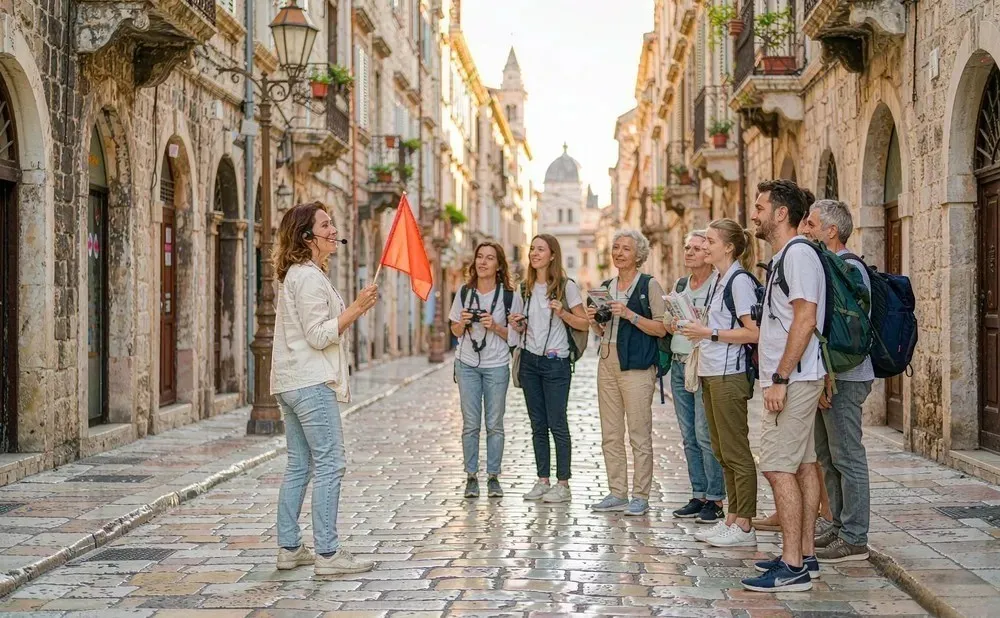
What Are the 7 Golden Rules in Tour Guiding?
- Retekess
- Oct 27, 2026
Anyone can memorize a script. But watch a truly great tour guide at work — the kind guests tip generously, review glowingly, and request by name — and you'll notice something: they follow an unwritten code. In the guiding profession, that code is often summarized as the 7 golden rules of tour guiding.
These principles define the traits and behaviors that separate a professional from someone who merely walks backward while talking. In this guide, we break down all seven rules, what they look like in practice, and how modern tools — including wireless tour guide audio systems — help you live them on every single tour.
Be a People Person
Tour guiding is a people business before it is a history business. Great guides are friendly, helpful, approachable, and patient — with every guest, not just the ones who laugh at your jokes.
In practice, this means learning names within the first ten minutes, spotting the quiet traveler at the back and drawing them in gently, and handling the guest who is late, loud, or complaining with the same warmth you'd offer your favorite customer. Groups can feel a guide's attitude within minutes; if you genuinely enjoy people, they'll enjoy being led by you.
Be Good Company — the Entertainer
After three hours of walking, even the most beautiful cathedral becomes wallpaper if the commentary is flat. Professional guides stay enthusiastic, charismatic, and appropriately humorous to keep the group engaged from the first stop to the last.
Being an entertainer doesn't mean performing stand-up. It means pacing your stories like a storyteller — setup, tension, payoff — timing a well-placed joke after the uphill climb, and reading the room when energy dips. A simple trick: prepare one "rescue" anecdote or interactive question per 20 minutes of the tour. Your charisma is a renewable resource only if you plan for it.
Master Communication
Clear, contextual, well-paced commentary is the technical heart of guiding — and the rule most often broken by guides who act like an overbearing boss instead of a companion. You are sharing a place, not lecturing a classroom.
Three habits define strong tour-guide communication:
- Clarity: short sentences, one idea at a time, no jargon without explanation.
- Context: connect what guests see right now to what they saw five minutes ago and what's coming next.
- Reach: every guest hears every word, without you straining your voice.
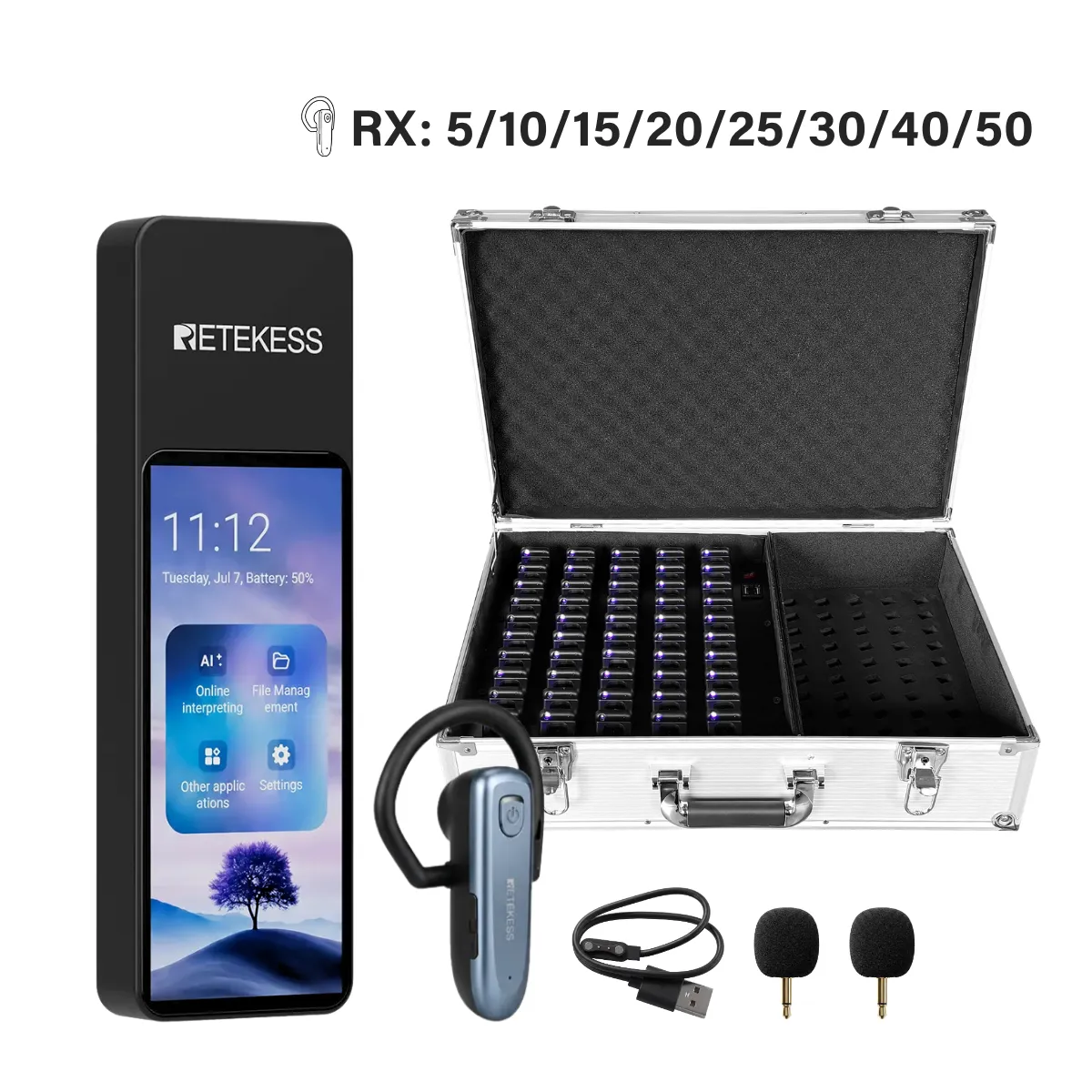
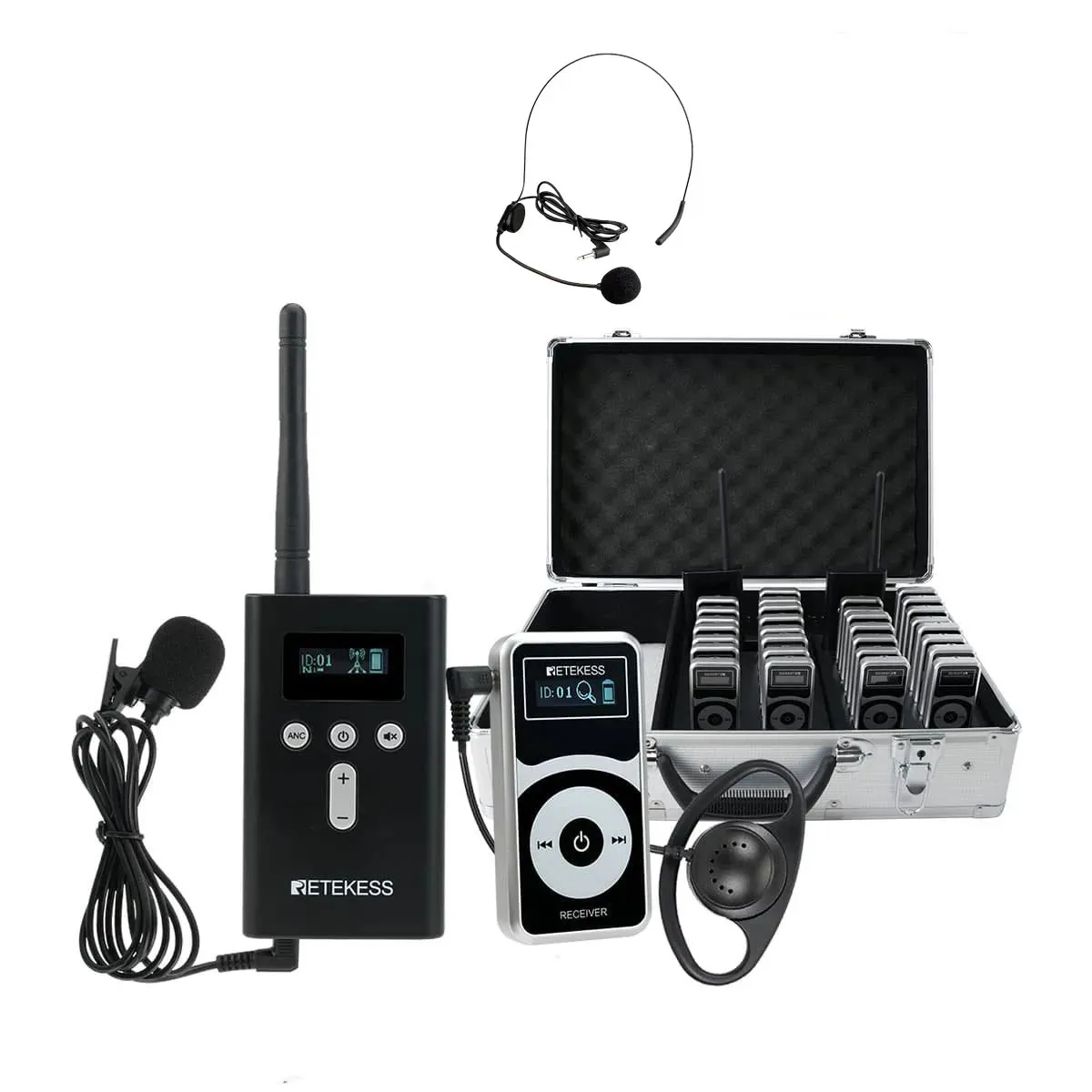
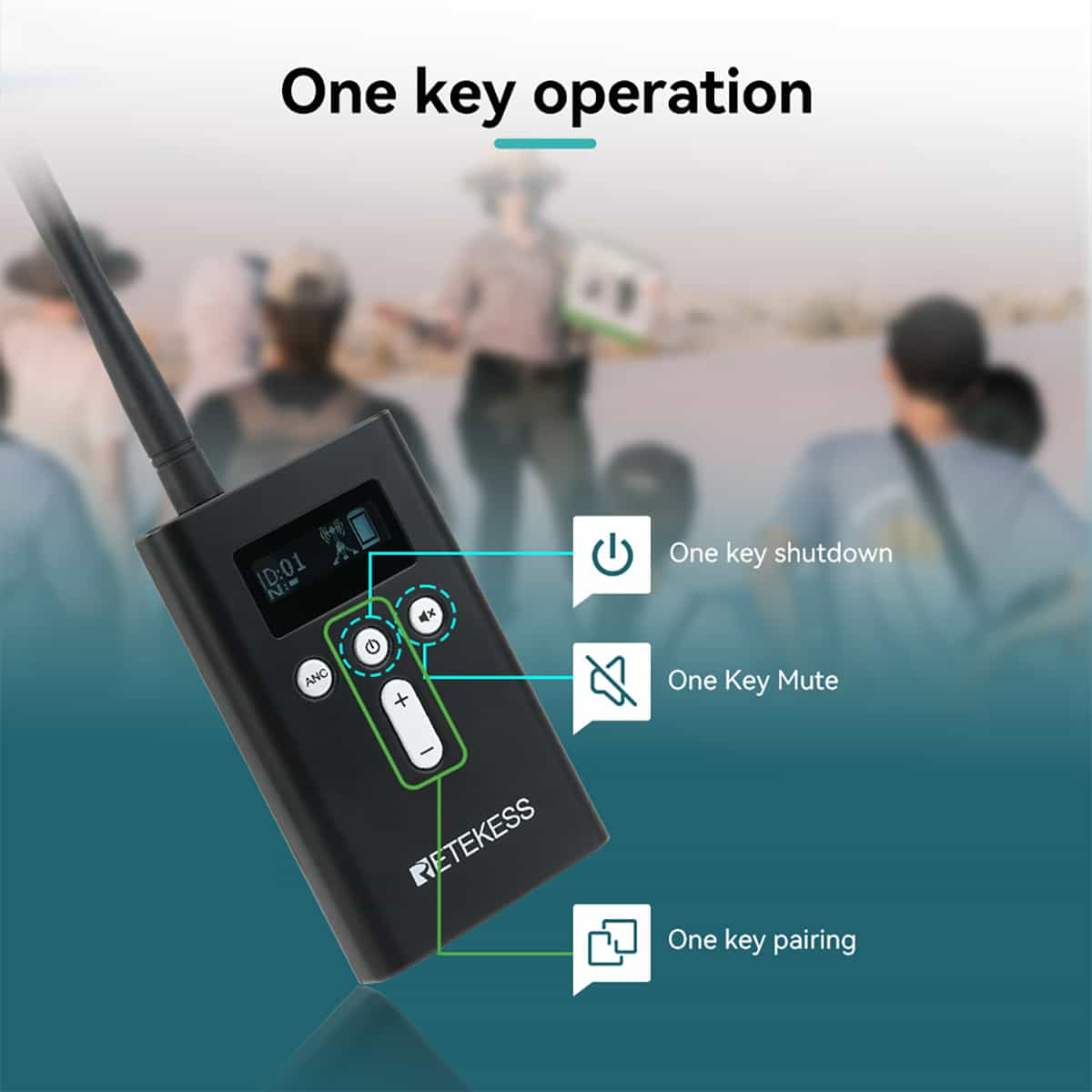
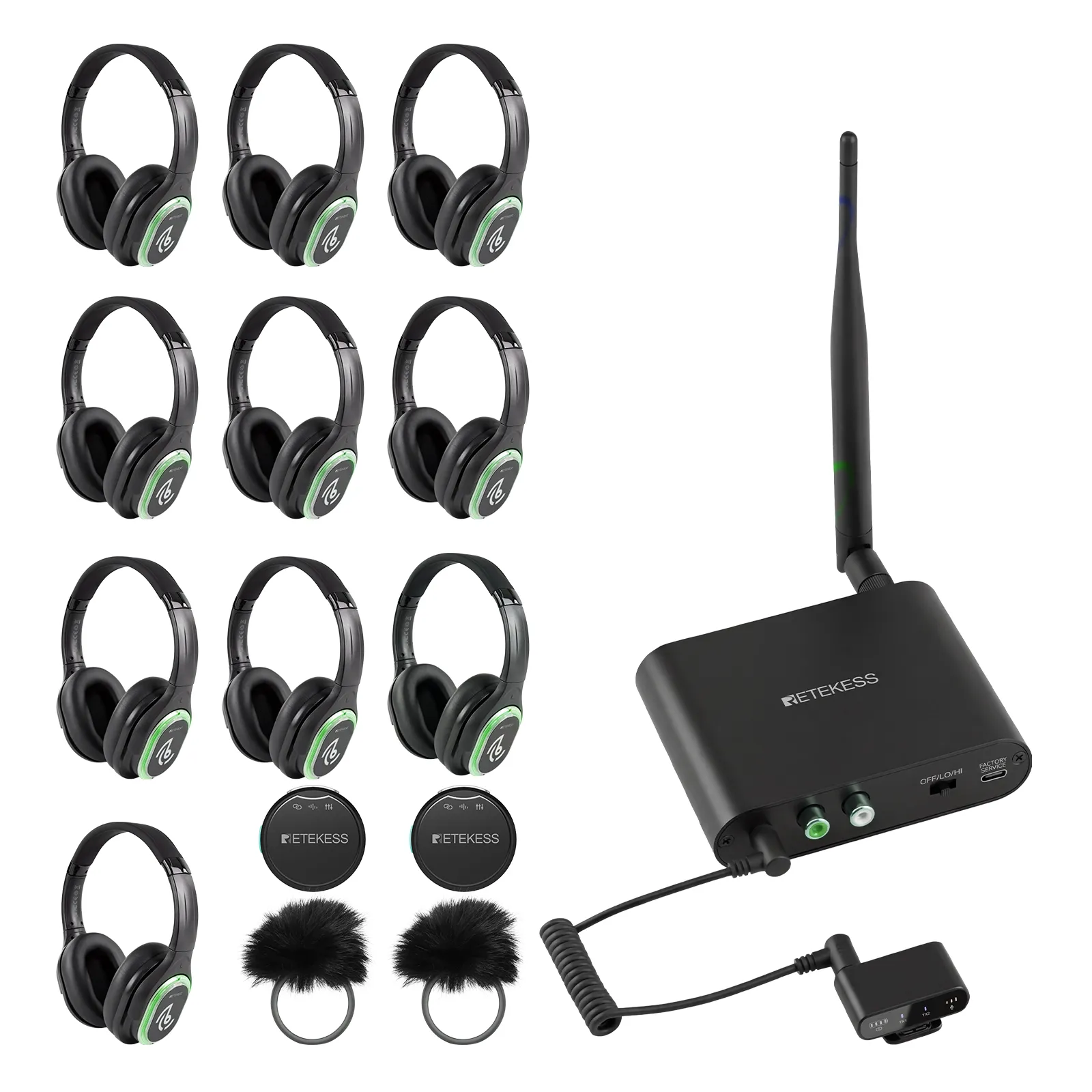
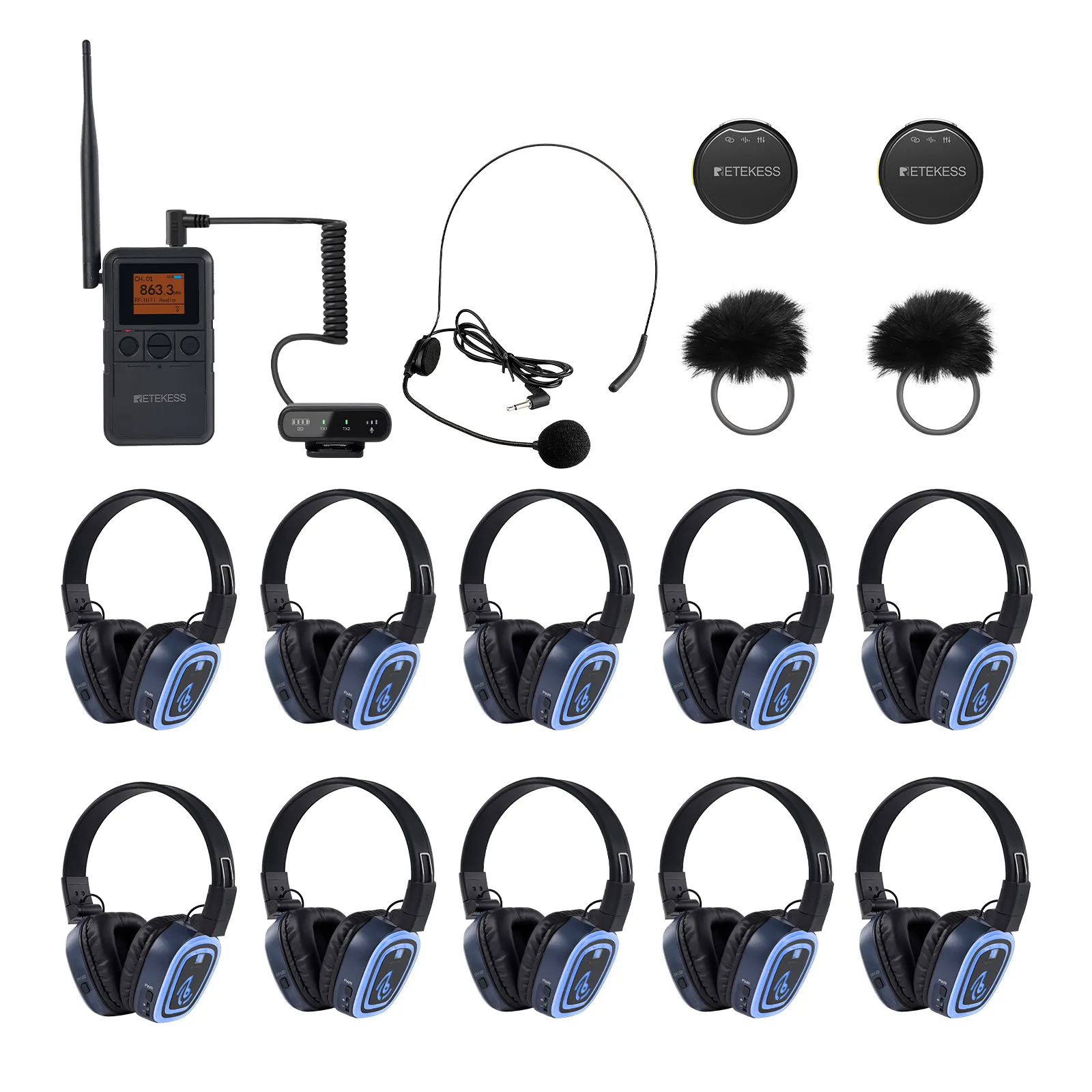
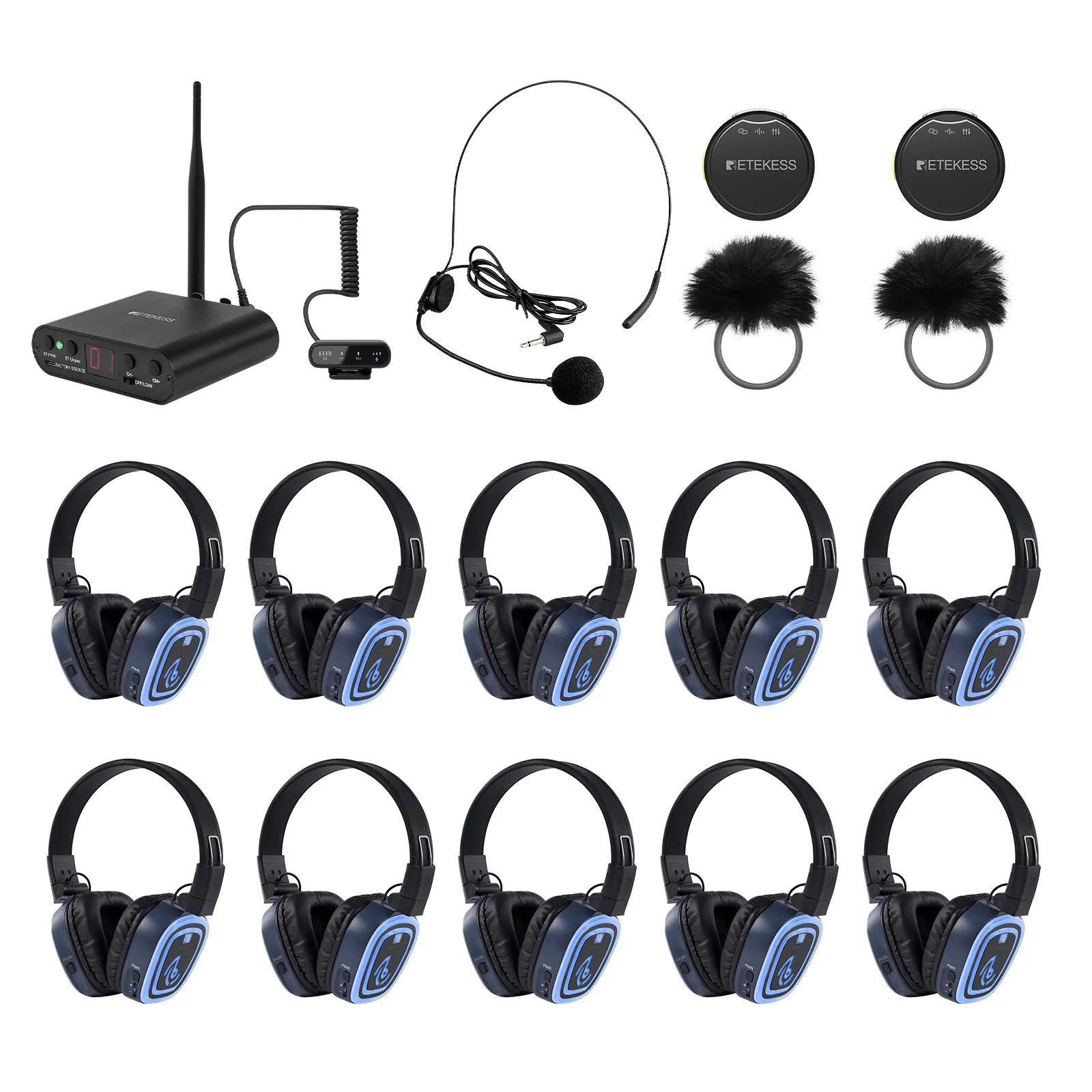
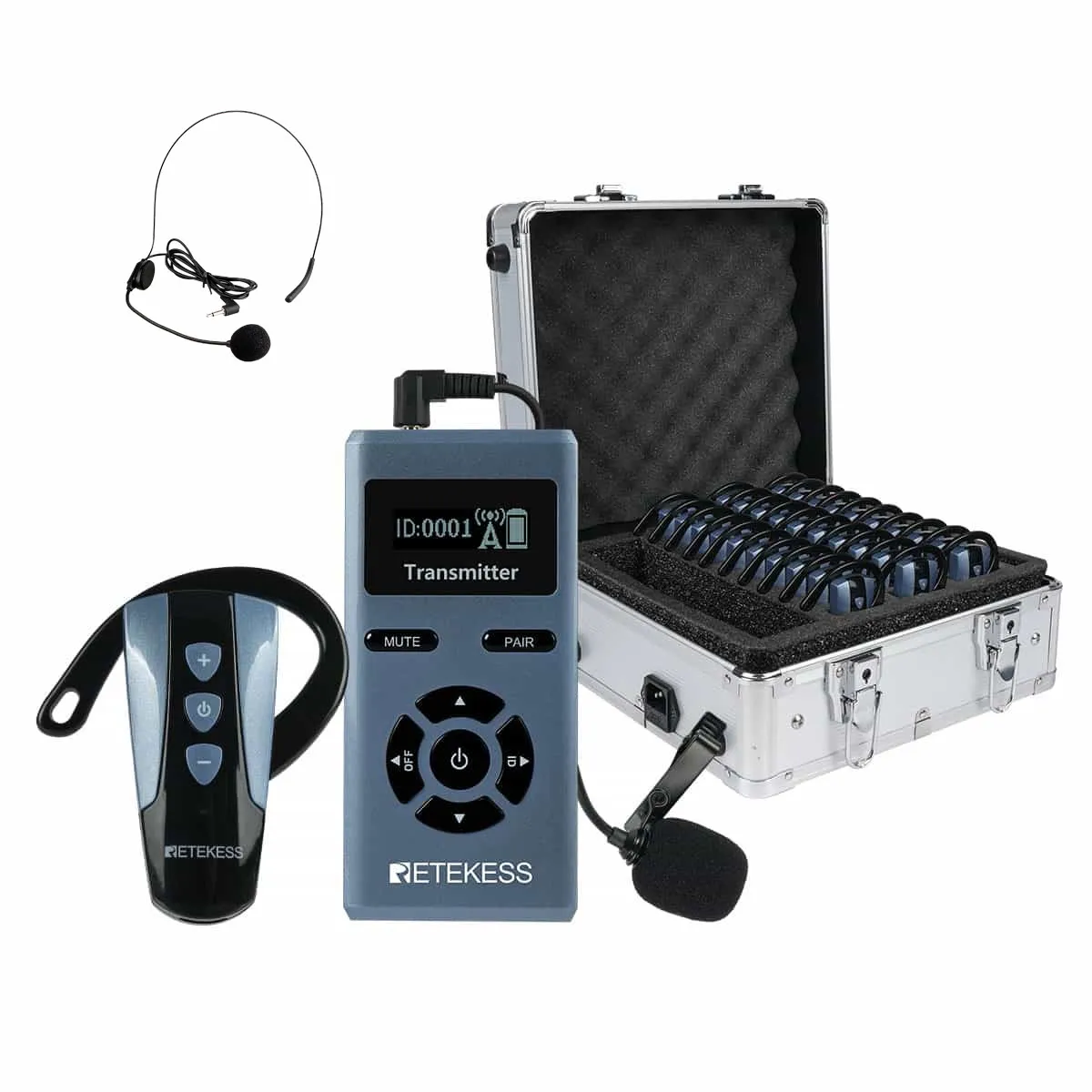
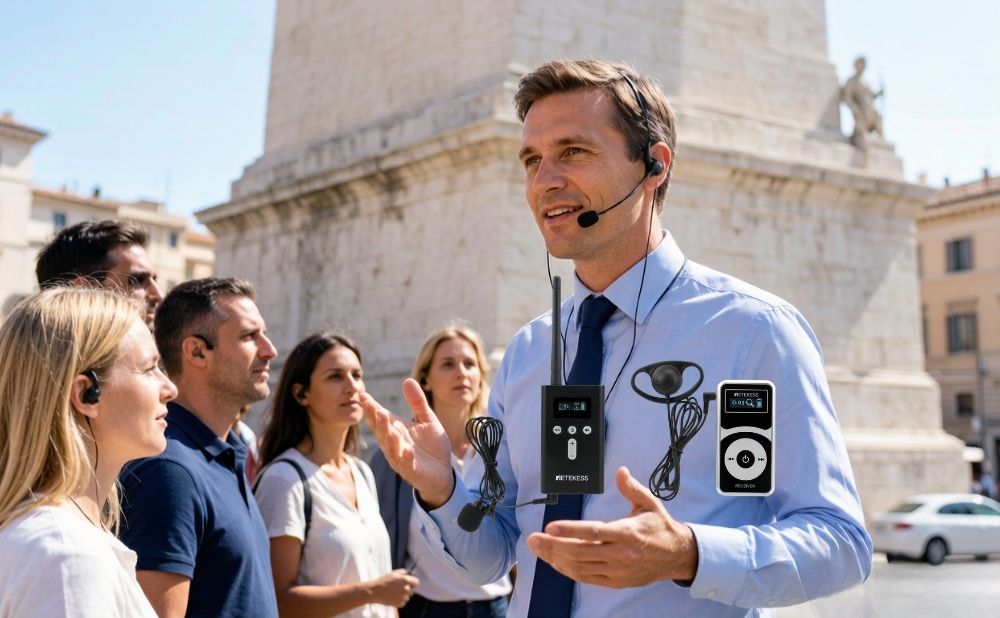
That last point is where equipment matters. On busy streets, in museums, or with groups larger than ten, professional guides rely on wireless tour guide audio systems — a lightweight transmitter and earpiece receivers — so commentary lands at a comfortable volume for everyone. Systems like the Retekess TT106 and T130 series use stable 2.4GHz transmission with transmitters that run up to 25 hours, letting you speak conversationally all day while the group spreads out to take photos. And for interactive formats, the Retekess TT126 adds two-way conversation with professional noise-canceling headphones, so questions flow naturally instead of being shouted across a plaza.
Stay Physically Fit
Guiding is more athletic than it looks: hours on your feet, stairs, hills, sun, rain, and the invisible energy drain of constant engagement. Maintaining good energy, stamina, and physical shape is a professional requirement, not vanity.
A guide flagging at stop six has a group flagging at stop six. Build your endurance like an athlete in season: comfortable broken-in shoes, hydration and snacks in the daypack, and honest pacing on your routes. If you run back-to-back tours, protect your voice too — a whisper-quiet audio system isn't just a guest luxury, it's vocal-cord insurance.
Be a Thorough Professional
The fifth golden rule is about trust built through consistency: strict punctuality, a neat appearance, strong organization, and courteous behavior — with guests, with site staff, with drivers, and with fellow guides.
- Punctuality: arrive before your group, every time. A tour that starts late is a tour that ends late.
- Appearance: clean, appropriate, and recognizable — guests should find you instantly in a crowd.
- Organization: confirmed bookings, charged equipment, a backup plan for rain, and a headcount routine you never skip.
- Courtesy: the way you treat a museum guard is part of the show. Guests notice everything.
Be Deeply Knowledgeable
Do the research — logistical and destination research — so that every fact you share is accurate and truthful. A guide who guesses erodes the group's trust in everything else they say.
Depth means knowing your dates and architecture, but also today's opening hours, which entrance is closed for restoration, where the clean restrooms are, and the story behind the bakery the group will pass at minute forty. And when a guest asks something you genuinely don't know? The most professional answer in guiding is: "That's a great question — I'll find out and tell you before we part." Honest beats improvised, every time.
Promote Responsible Tourism
A great guide is an ambassador — to guests, and for the destination. The seventh rule asks guides to respect local host cultures, traditions, laws, and the natural environment, and to teach guests to do the same.
Practically: brief your group on dress codes before entering religious sites, steer them away from crowding residents' doorways for photos, keep groups off fragile terrain, and support local businesses you genuinely respect. For broader professional standards, the World Federation of Tourist Guide Associations' Code of Guiding Practice is the industry's reference point — worth reading once a year, not just once in a career.
The 7 Rules in Real Life: How They Work Together
The golden rules aren't a checklist — they compound. Punctuality (Rule 5) protects the group's energy (Rule 4). Deep knowledge (Rule 6) only lands when communication (Rule 3) is clear, and it lands best when you've made people feel welcome (Rule 1) and kept them entertained (Rule 2). Responsible tourism (Rule 7) is what makes the whole profession sustainable.
Golden Rules FAQ
What are the 7 golden rules in tour guiding?
The 7 golden rules are: (1) Be a people person — friendly, helpful, approachable, patient; (2) Be good company — enthusiastic, charismatic, with appropriate humor; (3) Master communication — clear, contextual, well-paced commentary; (4) Stay physically fit — energy and stamina for active days; (5) Be a thorough professional — punctual, neat, organized, courteous; (6) Be knowledgeable — accurate, well-researched facts; and (7) Promote responsible tourism — respect for local cultures, laws, and the environment.
Where do the 7 golden rules of tour guiding come from?
They're widely taught in tour guide training programs and professional development materials — including presentations such as "The Seven Golden Principles of Tour Guiding" — and they align closely with the World Federation of Tourist Guide Associations' Code of Guiding Practice, the profession's international ethics standard.
Which golden rule is the most important?
Most experienced guides will tell you it's Rule 1: being a people person. Content can be researched and equipment can be bought, but genuine warmth and patience with guests is the foundation every other rule builds on.
How can a tour guide protect their voice on long tours?
Hydrate constantly, avoid shouting over traffic, and use a wireless tour guide audio system with earpiece receivers so guests hear you at individual volume control — you can speak conversationally all day. Transmitters with long battery life, like the Retekess TT106 (up to 25 hours), cover multi-tour days without interruption.
Do these rules apply to audio-guided (self-guided) tours too?
Yes, adapted. The "people person" becomes the voice personality of your recorded commentary; communication and knowledge rules apply even more strongly since there's no live interaction to compensate; and responsible tourism still shapes your route design and recommendations.
The Bottom Line
The 7 golden rules of tour guiding — people person, entertainer, communicator, athlete, professional, scholar, and ambassador — describe the guide every traveler hopes to get and every operator hopes to hire. None of them requires talent you were born with; all of them reward deliberate practice. Master them, support them with professional tools, and your tours stop being walks with commentary and become the highlight of someone's trip.









Follow Us
Pay With


 Google
 Amazon

Comments (0)