
Table of Contents
Why Comfortable Wear Matters on Long Guided Tours
- Retekess
- Aug 26, 2026
A guided tour can last much longer than visitors expect. A museum visit may take two or three hours, while a city sightseeing route or cultural attraction can last most of the day. During this time, visitors need to listen, walk, take photos, and interact with the guide.
This makes the communication device part of the overall visitor experience.
A wireless tour guide system may provide clear audio, but that alone does not guarantee a comfortable tour. If the receiver feels heavy, presses against the ear, or becomes uncomfortable after extended use, visitors may start paying more attention to the device than the guide.
For tour operators, this is an easy issue to overlook. Audio quality is often the first thing they consider when choosing equipment. Yet for long tours, wearing comfort can have just as much impact on customer satisfaction.
What Happens When Tour Equipment Is Uncomfortable?
Small Discomfort Becomes More Noticeable Over Time
A receiver may feel fine when worn for ten minutes. The situation can change after two or three hours.
Traditional earphones can place pressure inside or around the ear. Some users may also dislike the feeling of having an ear canal blocked during a tour. When the equipment becomes uncomfortable, visitors may adjust it repeatedly or remove it for a while. As a result, they can miss part of the guide's explanation.
This problem affects guides as well. When several visitors complain about uncomfortable equipment, the guide may need to stop and help them adjust or replace their receivers.
The result is a less natural tour experience.
For museums and attractions that run guided tours throughout the day, this can become a repeated operational issue rather than an isolated complaint.
Why Open-Ear Designs Work Well for Long Tours
Keep the Ear Canal Free
An open-ear design offers a different approach to guided-tour communication.
Instead of placing the speaker inside the ear canal, an open-ear receiver rests around the ear. This allows visitors to hear the guide while keeping the ear canal free.
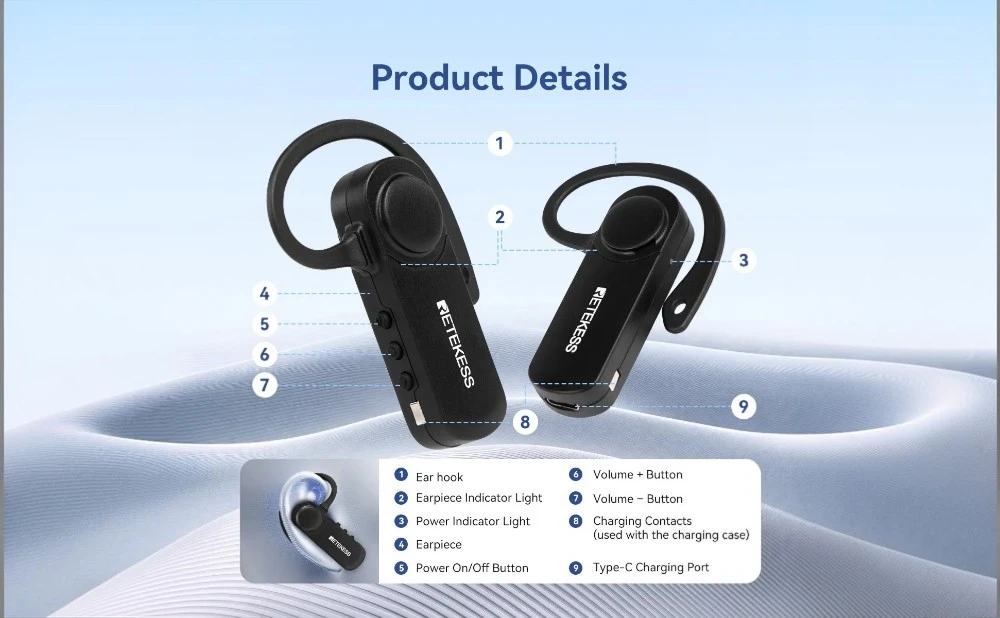
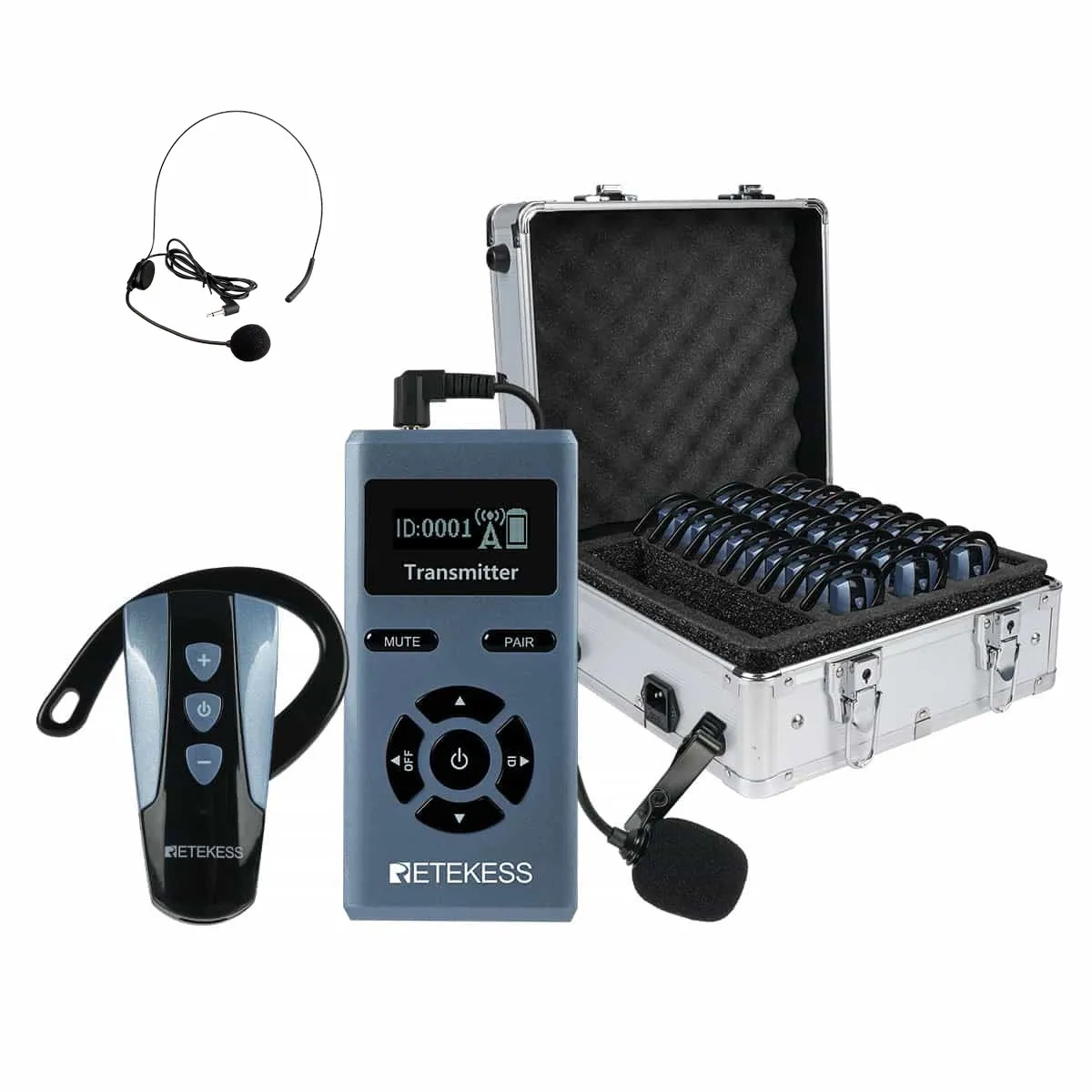
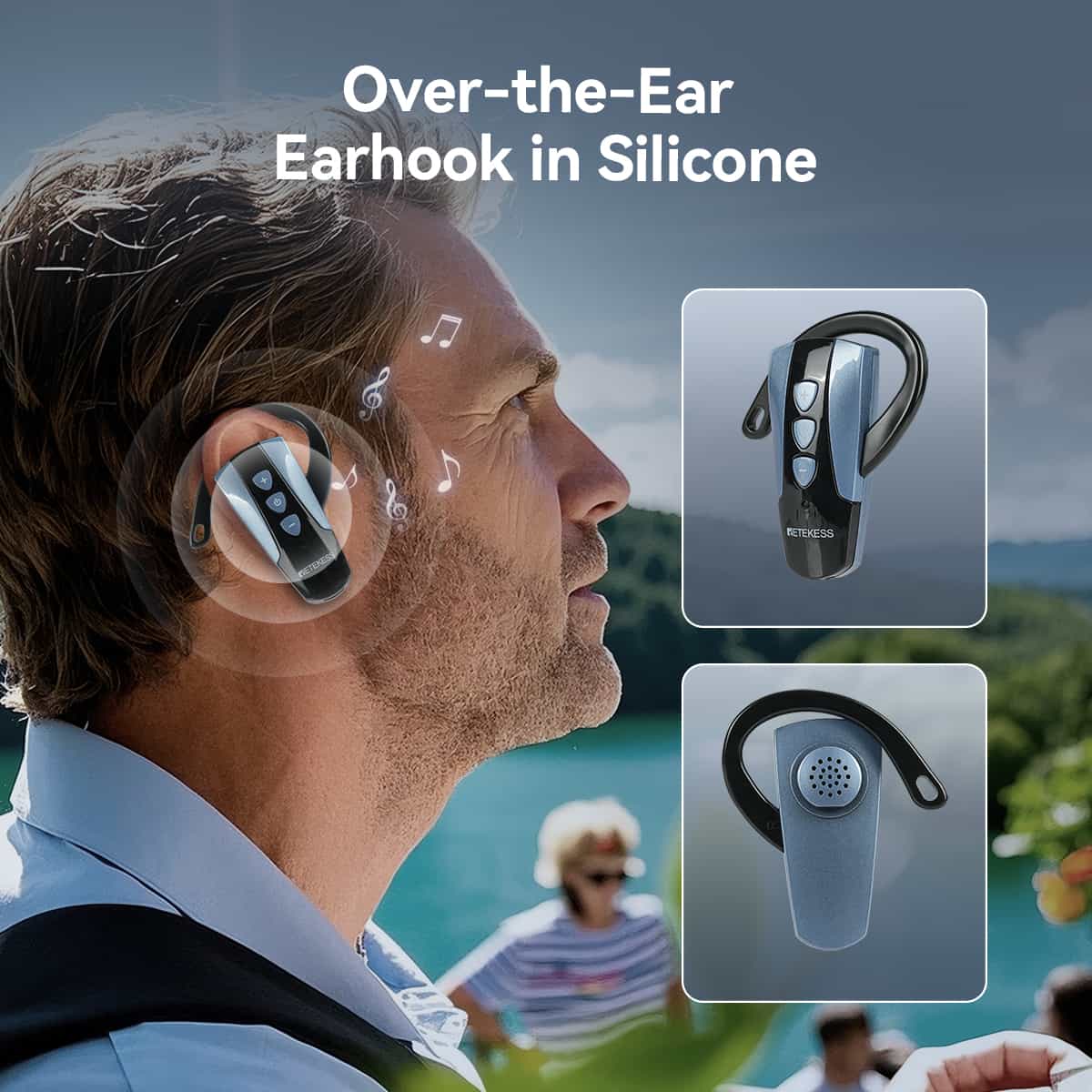
The Retekess T131R Open-Ear Hook Receiver for Training, Tour, and Interpretation uses this type of structure. Its ear-hook design avoids direct use of the ear canal and reduces direct contact with the ear.
This can make a noticeable difference during long museum tours or sightseeing activities. Visitors can remain aware of their surroundings while listening to the guide, which is useful when walking through busy attractions, historical sites, or city streets.
The design also reduces contact with the ear compared with traditional in-ear devices. For organizations that share equipment between different tour groups, this provides an additional practical advantage.
15g Makes a Difference During All-Day Tours
Lightweight Equipment Is Easier to Forget
Weight may seem like a small detail when choosing a communication device. However, small differences become more noticeable when equipment stays on the ear for several hours.
The Retekess T131R weighs only 15g and uses a soft silicone ear-hook structure. The lightweight design helps reduce pressure and allows the receiver to sit comfortably on the ear during extended use.
Imagine a visitor joining a morning museum tour and then continuing to another attraction in the afternoon. They may spend hours wearing the same receiver while walking and listening.
A lightweight tour guide headset for long tours should not become another source of fatigue. When the device feels almost unnoticeable, visitors can focus on the exhibits, scenery, and stories instead.
This is particularly important for tour operators serving older visitors, international tourists, or groups with different wearing preferences.
One Design for Either Ear Makes Tours More Flexible
Comfort Should Not Depend on Left or Right Ear
People do not all have the same wearing habits. Some prefer the left ear, while others feel more comfortable using the right.
A receiver that only works comfortably on one side can make equipment distribution more complicated. Guides may need to explain how to wear it correctly or exchange devices with visitors.
The Retekess T131R uses a universal ear-hook design that can be worn on either ear. This simple detail gives visitors more flexibility and makes the equipment easier for tour staff to distribute.
During a busy museum tour, for example, guides can hand out receivers without spending extra time matching each device to a specific ear. Visitors can choose the side that feels more natural to them.
Small design decisions like this can make a large group tour feel more organized.
Comfortable Equipment Helps Visitors Stay Engaged
Better Wearing Experience Means Fewer Distractions
The purpose of a tour communication device is to help visitors listen, not to compete for their attention.
When a receiver causes pressure or discomfort, visitors may spend time adjusting it. That can interrupt their concentration and make it easier to miss part of the explanation.
A comfortable wireless tour guide system takes a different approach. By combining lightweight construction with an open-ear structure, it allows visitors to listen while remaining comfortable and aware of their surroundings.
This matters in many real-world situations.
During a museum tour, visitors may need to look closely at artwork or exhibits. During a historical site visit, they may walk across uneven paths. During a city tour, they need to stay aware of traffic and other people around them.
An open-ear receiver supports these activities without forcing visitors to block their ears or constantly adjust the device.
Comfort Matters for Guides Too
Guides Spend More Time Wearing Equipment Than Visitors
Visitors are not the only people who wear communication equipment for long periods. Tour guides may use transmitters or communication devices throughout multiple tours in one day.
If equipment is uncomfortable, the accumulated fatigue can affect the guide's working experience.
For professional tour operators, this is an important consideration. A guide may lead one group in the morning, another in the afternoon, and continue working until evening. Equipment that feels comfortable at the beginning of the day should remain practical throughout the schedule.
The same principle applies to museum educators, cultural interpreters, and staff who regularly lead visitors through exhibitions.
Good equipment should support their work rather than add another source of physical discomfort.
Hygiene Is Part of Long-Term Comfort
Less Direct Ear Contact Helps With Shared Equipment
Comfort and hygiene are also connected when communication devices are shared.
Traditional in-ear equipment makes direct contact with the inner ear. When the same devices are used by different visitors, cleaning and maintenance become important parts of daily operation.
The T131R's open-ear structure reduces direct contact with the ear canal and limits the area that touches the user's ear. This makes it a practical choice for shared use in museums, attractions, factory tours, and educational activities.
For operators managing many visitors each day, an easier-to-manage design can help simplify equipment turnover between groups while providing a more comfortable wearing experience.
How to Choose Communication Devices for Long Guided Tours
Look Beyond Audio Quality
Clear sound is important, but it should not be the only purchasing consideration.
For long guided tours, operators should think about how the device feels after one hour, two hours, or an entire day. The design should minimize pressure, avoid unnecessary contact with the ear, and remain comfortable as visitors move around.
An open-ear structure is especially useful when visitors need to hear the guide while staying aware of their surroundings. Lightweight materials can also reduce fatigue during extended use.
The Retekess T131R combines these ideas in a compact 15g design. Its soft silicone ear hook can be worn on either ear, while the open-ear structure keeps the ear canal free.
This makes it suitable for tour environments where comfort is part of the service experience rather than simply a technical specification.
Turn Comfort Into a Better Tour Experience
A communication device may seem like a small part of a guided tour, but visitors interact with it for hours. If it feels uncomfortable, the problem becomes part of the experience. If it feels natural, visitors can forget about the equipment and focus on the destination.
For museums, attractions, travel agencies, and professional tour operators, this difference matters.
A wireless tour guide system with a lightweight open-ear design can help reduce wearing fatigue, give visitors more freedom, and make shared equipment easier to manage.
The Retekess T131R brings together a 15g soft silicone ear-hook, left- and right-ear flexibility, and reduced direct ear contact. These design choices address practical problems that often appear during long tours.
Comfort Should Be Part of the Tour Design
Choosing communication equipment for a long guided tour should not stop at transmission quality or audio performance. Comfortable wearing is part of the visitor experience.
When visitors can wear a receiver for hours without significant pressure or discomfort, they are more likely to stay focused on the guide and enjoy the destination. For guides, comfortable equipment also makes repeated tours easier to manage.
For your next tour communication upgrade, consider how the receiver feels after several hours of use, not just how it performs during a short test. A lightweight 15g open-ear design such as the Retekess T131R can help create a more comfortable, flexible, and visitor-focused guided tour experience.
Leave a Reply


![[18th Anniversary] 18 Years of Echoing Excellence: Making Communication Easier, Connecting Trust Beyond Borders](https://res.retekess.com/z_file/20260716/retekess-brand-story-making-communication-easier_20260716151044_7682.jpg)
![[18 Years in Wireless Communication] Silent Disco Systems Anniversary Celebration: Top-Selling Headphones & Event Mechanics Revealed!](https://res.retekess.com/z_file/20260713/18-years-in-wireless-communication-silent-disco-systems-anniversary-celebration_20260713175011_5749.webp)
![[Anniversary Carnival] Ding-dong! 18th Anniversary Mega Sale on Guest Paging & Calling Systems: Full Reveal of 12+ Products & Promo Rules!](https://res.retekess.com/z_file/20260713/18th-anniversary-mega-sale-on-guest-paging-calling-systems_20260713175257_0295.webp)
![[Retekess 18th Anniversary Teaser] Tour Guide System Exclusive Perks: Sneak Peek at Event Dates & Mechanics!](https://res.retekess.com/z_file/20260713/retekess-18th-anniversary-tour-guide-system-exclusive-perks--2-_20260713180135_6435.webp)
Follow Us
Pay With


 Google
 Amazon
Comments (0)