
Table of Contents
8 Things To Know Before Buying A Factory Tour Guide System
- Retekess
- Oct 27, 2026
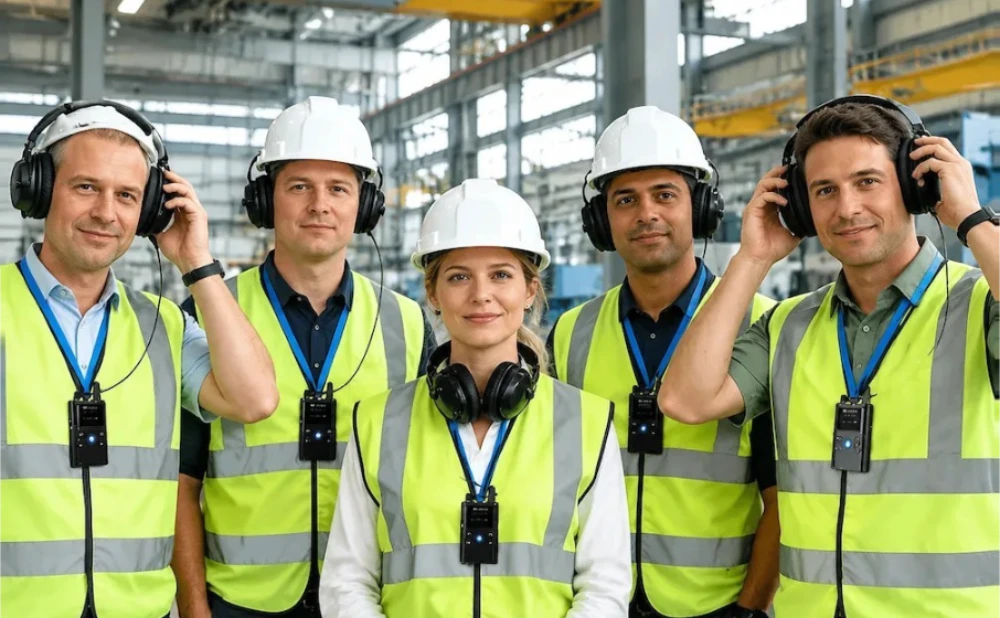
Factory tours are now part of many business operations. Manufacturers use them for customer visits, school groups, partner inspections, investor tours, and internal training. A good visit can improve trust, show production quality, and make complex processes easier to understand.
But factory tours are not ordinary guided visits. They take place in active industrial environments. There may be machine noise, metal structures, changing routes, and more than one visitor group in the same facility. That means the audio system has to do more than simply transmit a voice.
If you are evaluating a factory tour guide system, it helps to look beyond price and basic specifications. The right system should match the way your facility actually works.
1. Prioritize Noise Reduction For Noisy Workshop Environments
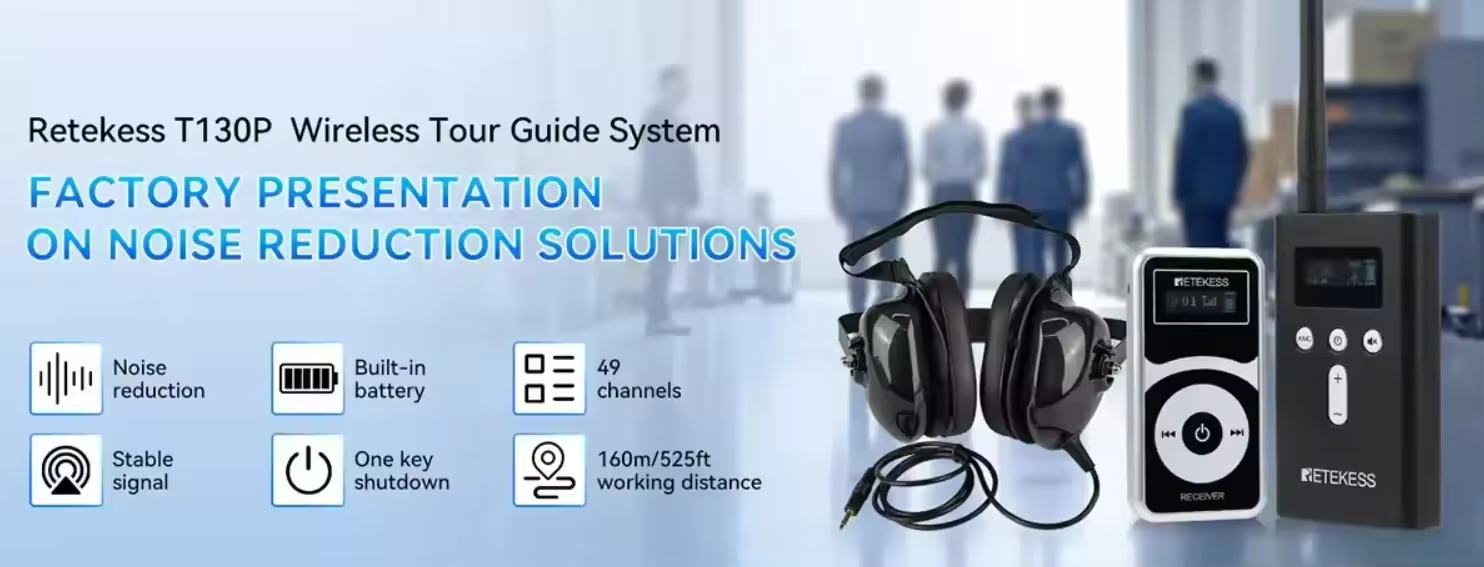
Noise is the first challenge in most factories. Machinery, ventilation, compressors, forklifts, and general production activity all compete with the guide’s voice. In these conditions, simply increasing volume is not enough.
Visitors need to hear instructions and explanations clearly, not just loudly. A system that supports better noise isolation or direct-to-ear audio can make a large difference in understanding. This matters even more for technical tours, where missing a few words may mean missing the point of the explanation.
A useful way to think about this is by noise level:
|
Noise Level |
Approx. dB Range |
Typical Factory Environment |
Audio Solution |
|
Low |
50–70 dB |
light assembly areas, packaging rooms, controlled indoor production |
|
|
Medium |
70–85 dB |
logistics zones, mixed workshop areas, standard production lines |
|
|
High |
85 dB+ |
metalworking, machining, heavy manufacturing, active mechanical workshops |
When comparing options, think about how the system performs in actual workshop conditions, not only in quiet demo settings.
2. Check Signal Stability And Anti-Interference For Metal Workshop Areas
Factories often contain a lot of metal. Steel structures, production equipment, storage racks, machinery lines, and enclosed industrial layouts can all affect wireless performance.
A factory tour guide system needs stable transmission as groups move through different parts of the building. If the signal drops, breaks up, or becomes inconsistent in certain sections, the visitor experience suffers quickly.
This is one reason many buyers pay close attention to UHF-based systems. In indoor industrial environments, UHF is often preferred because it can support more stable communication through complex layouts and obstacle-heavy spaces than solutions designed for simpler open-area use.
This is why anti-interference performance matters. A system may work well in an open room but behave differently in a real manufacturing environment. Buyers should pay close attention to whether the equipment is suitable for metal-heavy workshops and moving group routes.
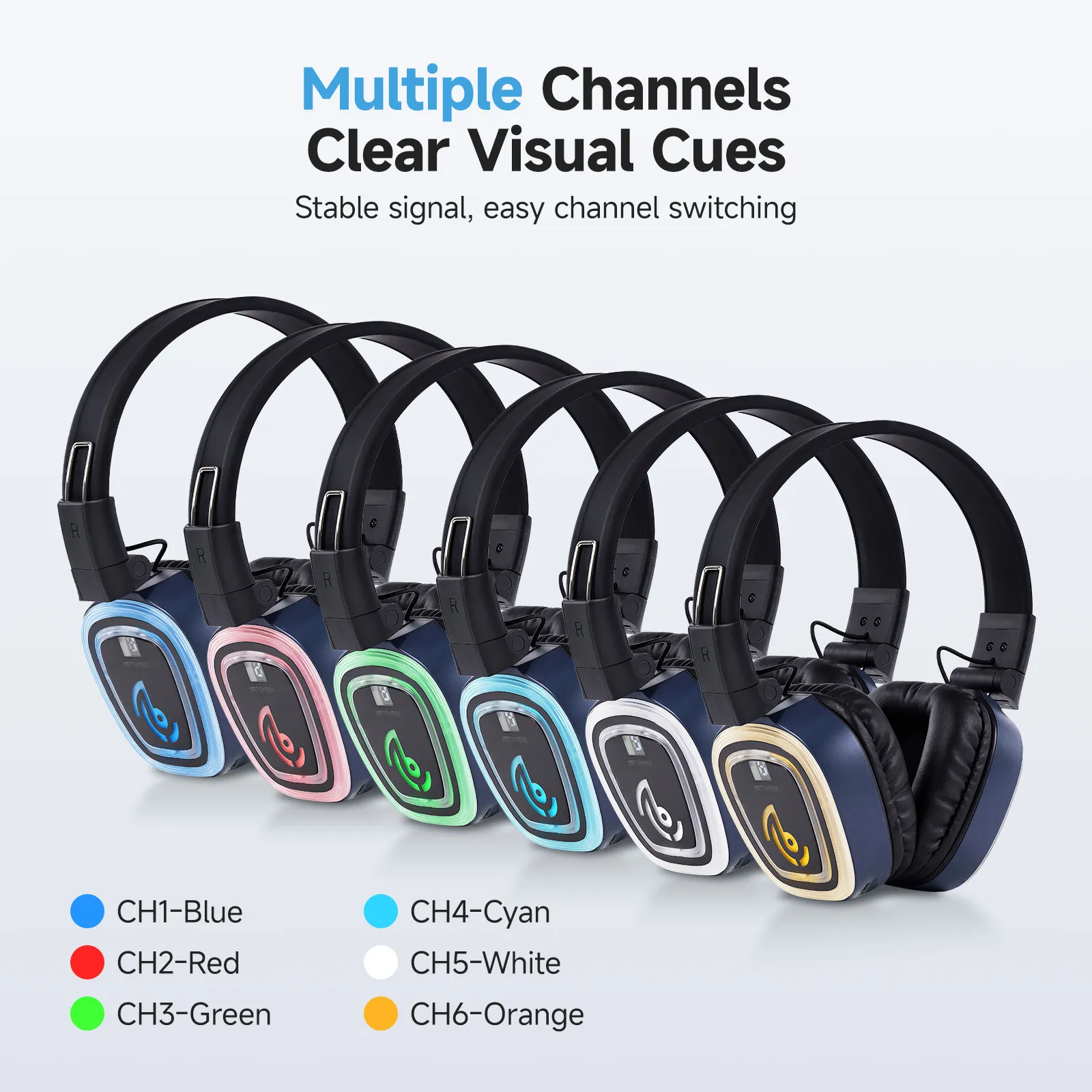
3. Confirm Independent Group Channels For Multiple Visitor Groups
Some factories do not run only one tour at a time. There may be parallel visitor groups, different routes, different languages, or separate staff-led sessions happening on the same day.
In this case, channel separation becomes very important. Independent group channels help prevent one tour from interfering with another. They also make it easier to manage different audiences without overlap or confusion.
This is especially useful for larger facilities that host school groups, customer visits, and internal tours on a regular basis. The ability to keep groups separate is not just a convenience. It improves clarity and makes tour operations more manageable.
4. Look For Flexible Scalability When Visitor Size Grows
Not every factory visit involves the same number of people. One day, you may host a small executive group. Another day, it may be a larger customer delegation or a student visit.
That is why scalability matters. A system should work not only for today’s visitor size, but also for larger groups when needed. If expanding the setup becomes difficult, expensive, or operationally messy, the system may become a limit rather than a support.
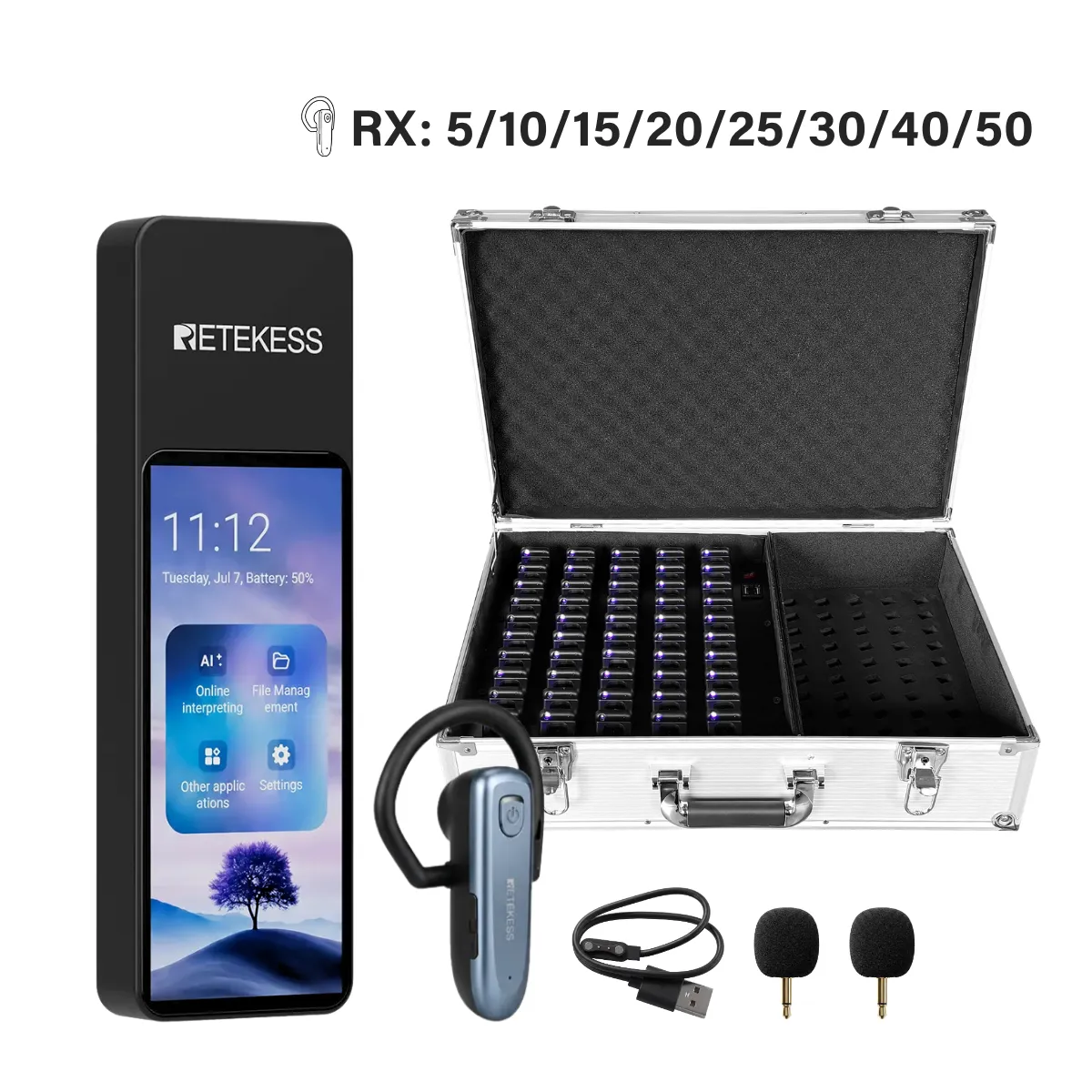
A flexible factory tour guide system should allow teams to add units or adjust group size without changing the whole operating model. Buyers should think about growth, not just the minimum current need.
5. Think About Central Charging And Storage For Daily Use
Charging and storage may seem like secondary details during purchasing, but they become very important in daily use.
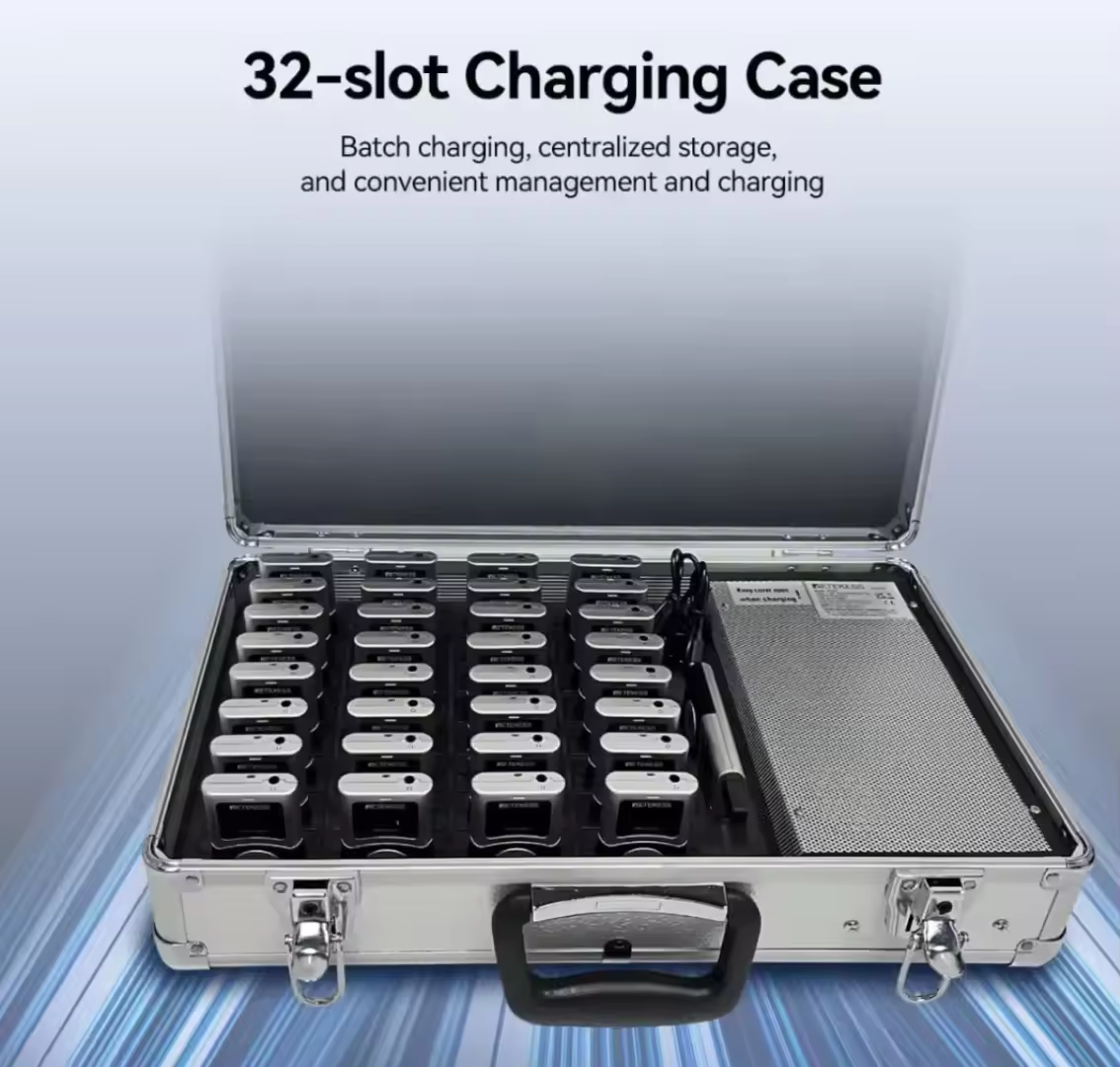
If your team runs tours regularly, devices need to be collected, charged, stored, and prepared again with minimal confusion. Without a clear charging workflow, staff lose time and small operational problems build up. Devices may not be ready when needed. Batteries may not be checked consistently. Storage may become disorganized.
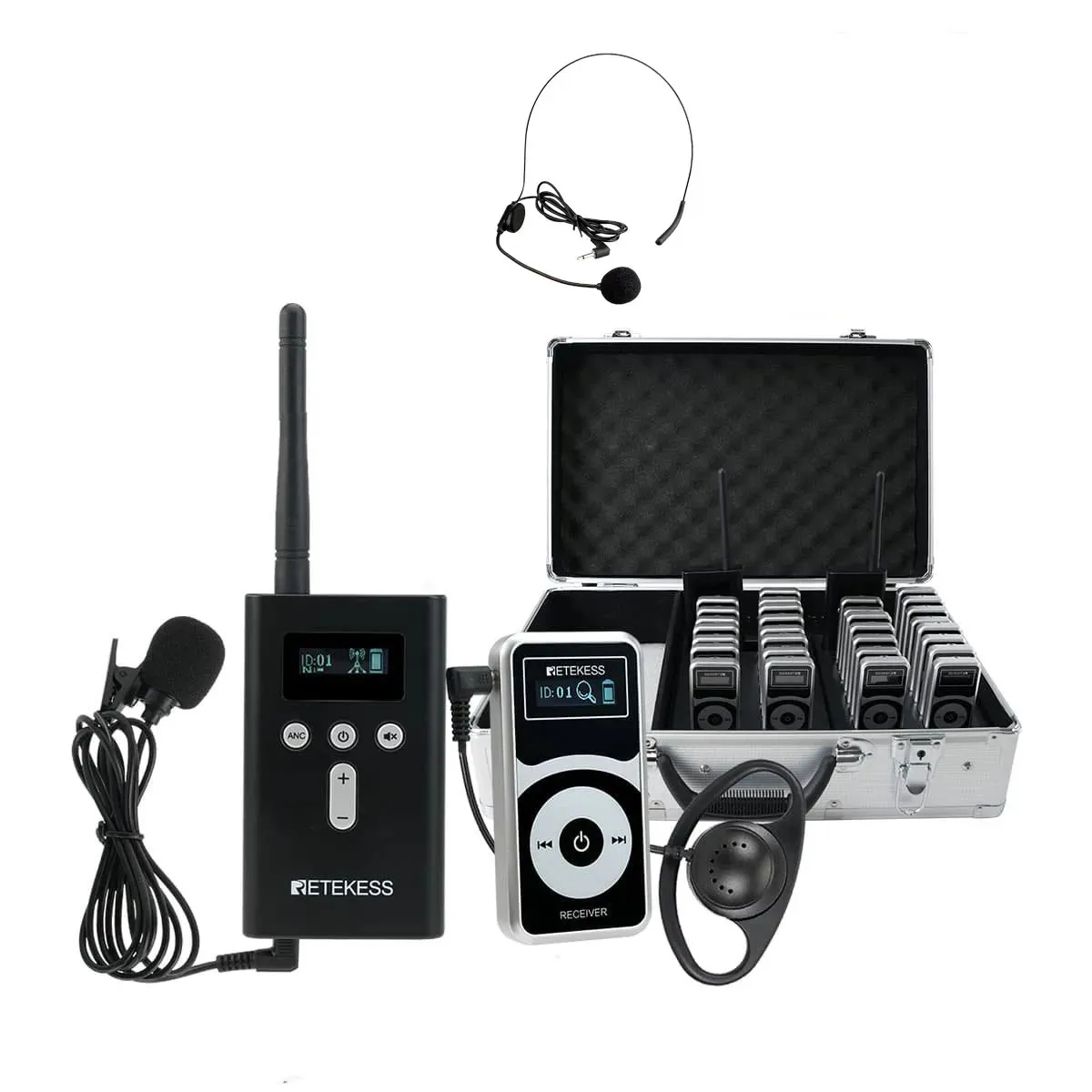
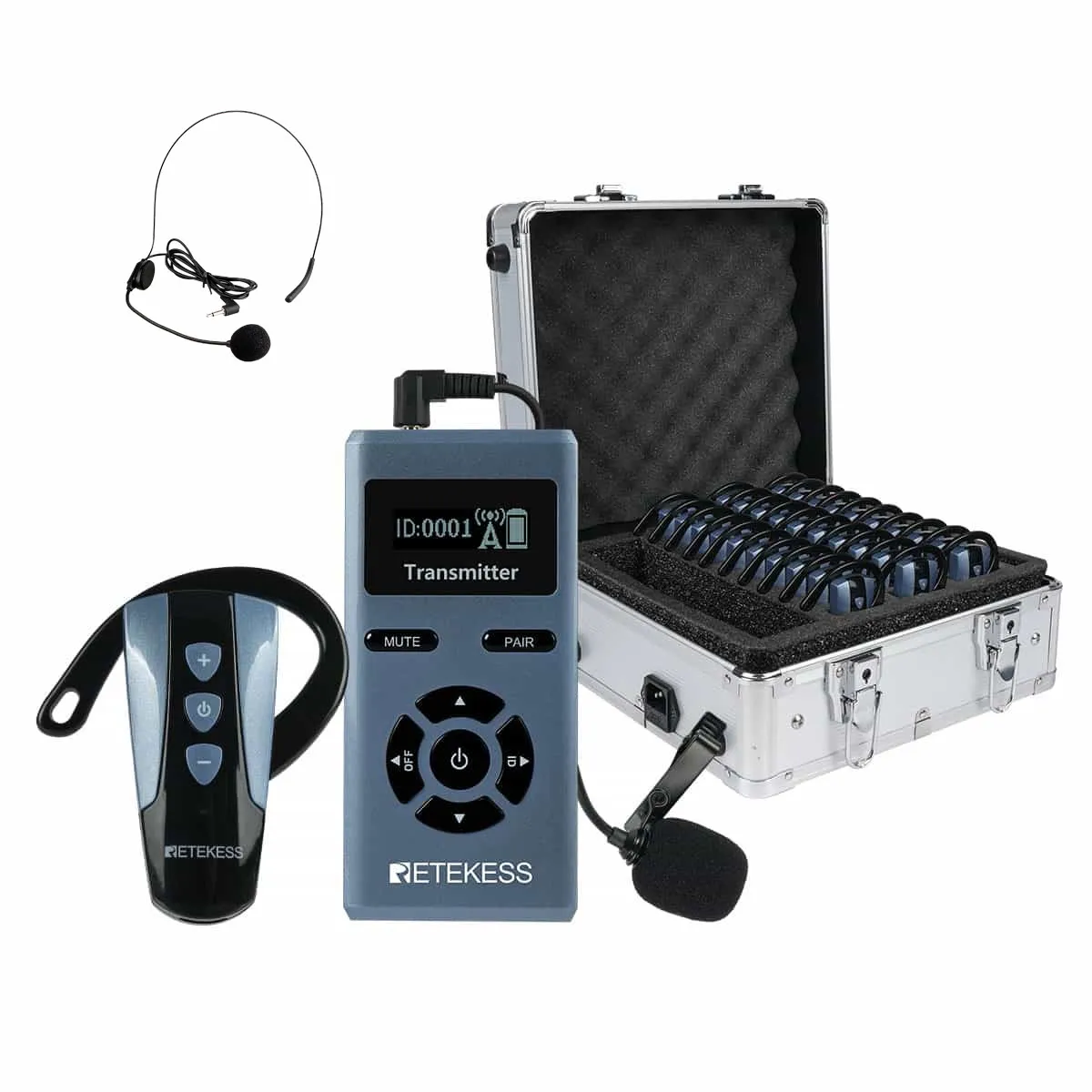
This is why central charging and practical storage should be part of the evaluation. In high-use environments, they are not accessories. They are part of system efficiency.
6. Pick Rugged Devices That Stand Up To Factory Conditions
A factory tour system is not used in a conference room. It is passed between visitors, carried by staff, moved between buildings, and exposed to repeated handling. In some facilities, it may also face dust, accidental drops, and contact with hard industrial surfaces.
That means durability matters. A rugged device is more likely to survive the daily realities of industrial tours without needing constant maintenance or early replacement.
When evaluating a system, think about how often the equipment will be distributed, cleaned, stored, and reused. In repeated-use environments, ruggedness helps reduce long-term operating pressure.
7. Calculate Full Ownership Cost, Not Only Upfront Price
A low upfront price can be attractive, but it does not always mean lower long-term cost.
The true cost of ownership includes replacement units, charging accessories, maintenance, wearable parts, staff time, and possible downtime caused by equipment issues. A cheaper system that fails more often or creates more daily handling effort may cost more over time than a better-designed option.
This is why buyers should look beyond the first quotation. The right question is not only “How much does it cost to buy?” but also “How much will it cost to run well over time?”
For regular factory tours, operational efficiency and product life often matter as much as the purchase price.
8. Confirm Technical Support And On-Site Testing Options
No two factories are exactly the same. Building layouts, metal density, machinery environments, route length, and visitor flow all affect how a system performs.
That is why technical support matters. Buyers should know what kind of setup guidance, after-sales help, and troubleshooting support are available. More importantly, they should ask whether the system can be tested in the real facility before full deployment.
On-site testing or demo support helps reduce purchasing risk. It allows the buyer to verify signal stability, audio clarity, and practical usability in the actual environment where the system will be used.
For many industrial buyers, this is one of the smartest ways to avoid mismatch between the spec sheet and real-world performance. In this area, service policies such as Retekess lifetime technical support and Free Demo programs can provide extra reassurance, especially for buyers who want to test system fit before committing to a larger rollout.
A Better Buying Decision Starts With The Right Questions
The best factory tour guide system is not simply the cheapest model or the one with the longest feature list. It is the one that fits the real conditions of your factory.
To make that decision well, buyers should ask practical questions:
- Can visitors hear clearly in noisy production areas?
- Will the signal stay stable in metal-heavy workshops?
- Can more than one group operate without interference?
- Is the system easy to expand for larger visits?
- How will charging and storage work every day?
- Can the devices handle repeated industrial use?
- What will long-term ownership really cost?
- Can performance be tested in the actual factory?
These questions lead to better outcomes than focusing on price alone.
Conclusion
Buying a factory tour guide system is not only about audio equipment. It is about choosing a communication tool that fits your facility, your visitor flow, and your long-term operating needs.
Factories are demanding environments. Noise, metal structures, changing routes, repeated daily use, and varying group sizes all affect how well a system performs. That is why smart buyers look at noise handling, signal stability, channel separation, scalability, charging workflow, ruggedness, ownership cost, and technical support before making a decision.
A better system does not just help people hear the guide. It helps the whole factory tour run more smoothly.




Follow Us
Pay With


 Google
 Amazon

Comments (0)