
Table of Contents

Applications of Retekess Audio Conferencing Systems in School Scenarios
- Judy
- Sep 7, 2026
A wide variety of audio conferencing systems have diverse applications in schools, enhancing teaching quality, promoting remote learning, and improving management efficiency. These applications can be categorized as follows:
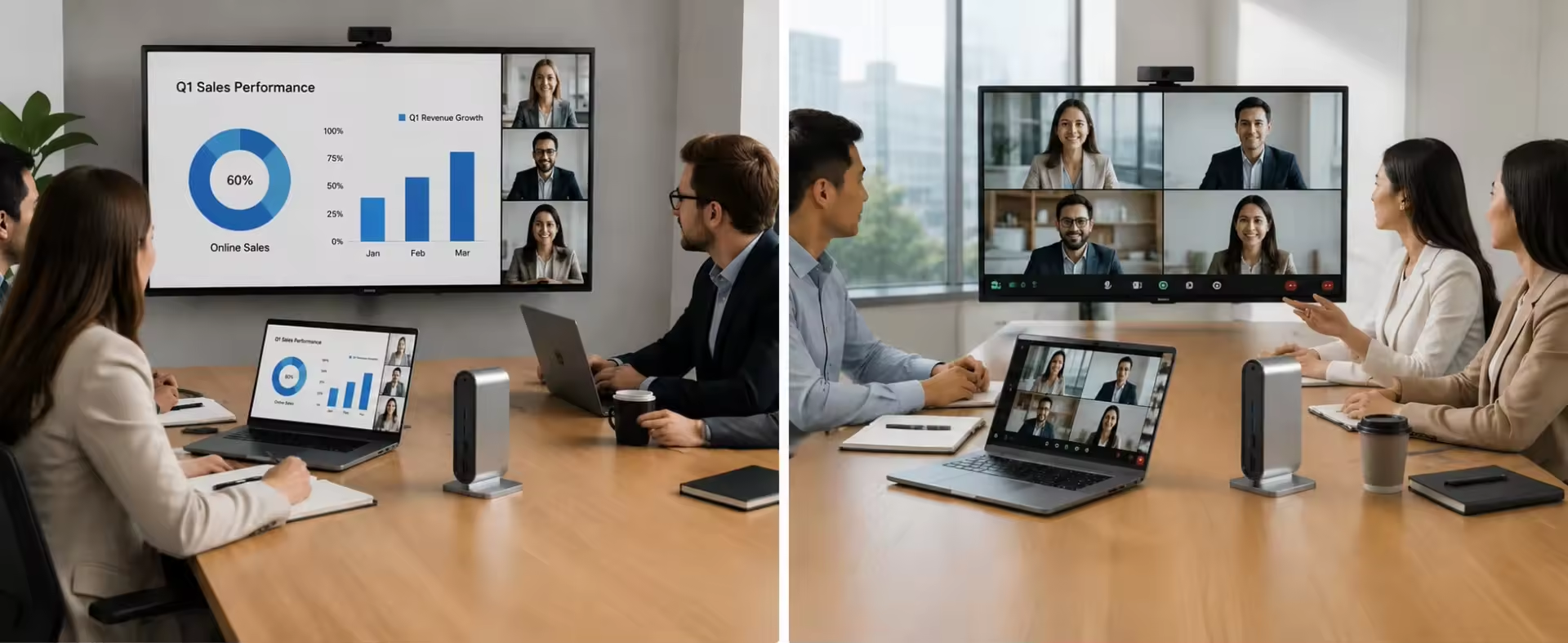
Classroom Instruction
Smart Classrooms: Teachers can project instructional content onto large screens while using microphones and speakers to ensure every student in the room hears the lesson clearly.
Remote Interactive Classrooms: Audio-visual systems integrate with online education platforms, enabling students in different locations to participate in real-time and facilitating synchronous, interactive teaching.
Recorded Lessons: Course content can be recorded and stored for post-class review or remote learning, supporting independent student study.
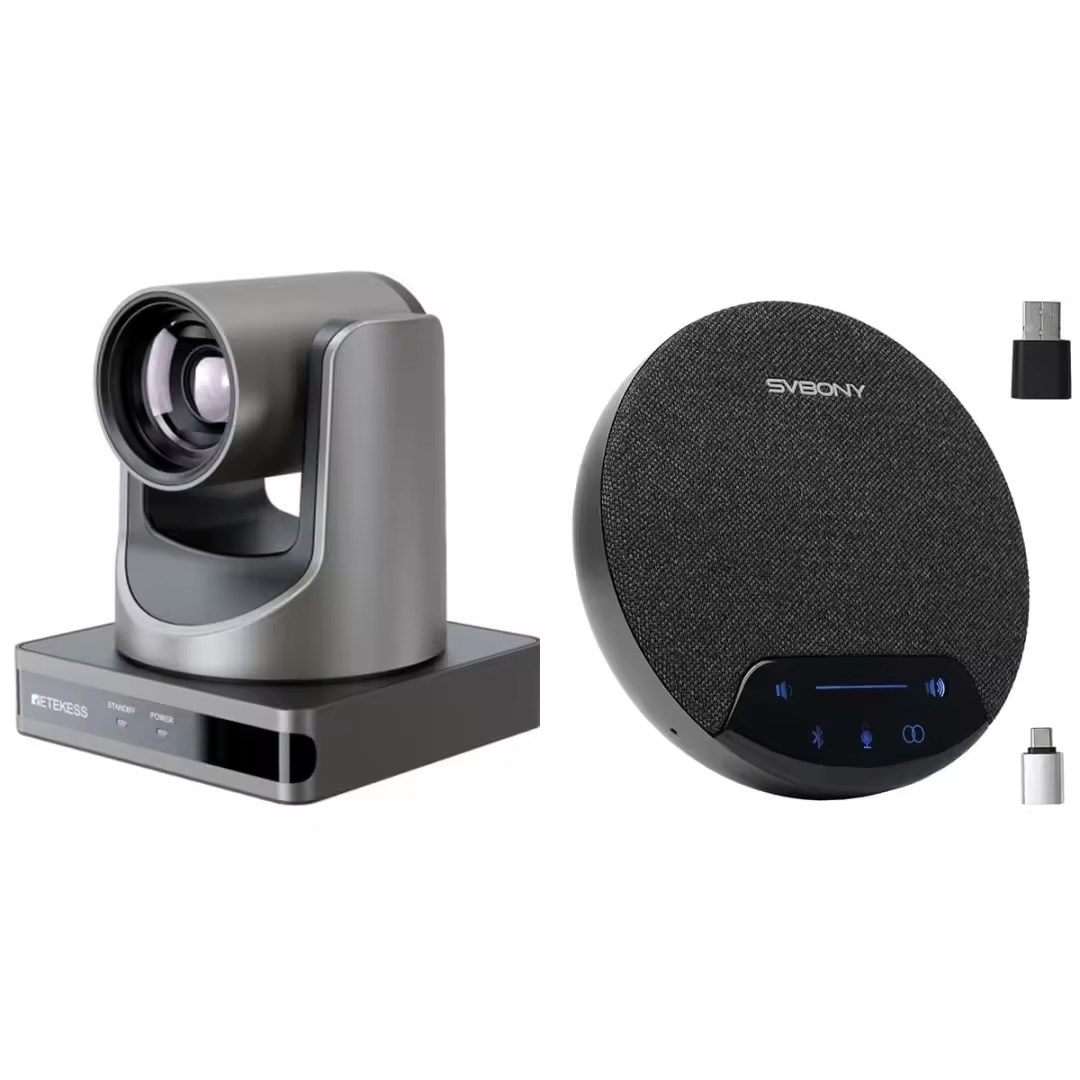
TC202 PTZ Camera + SVN O1 Full-duplex microphone
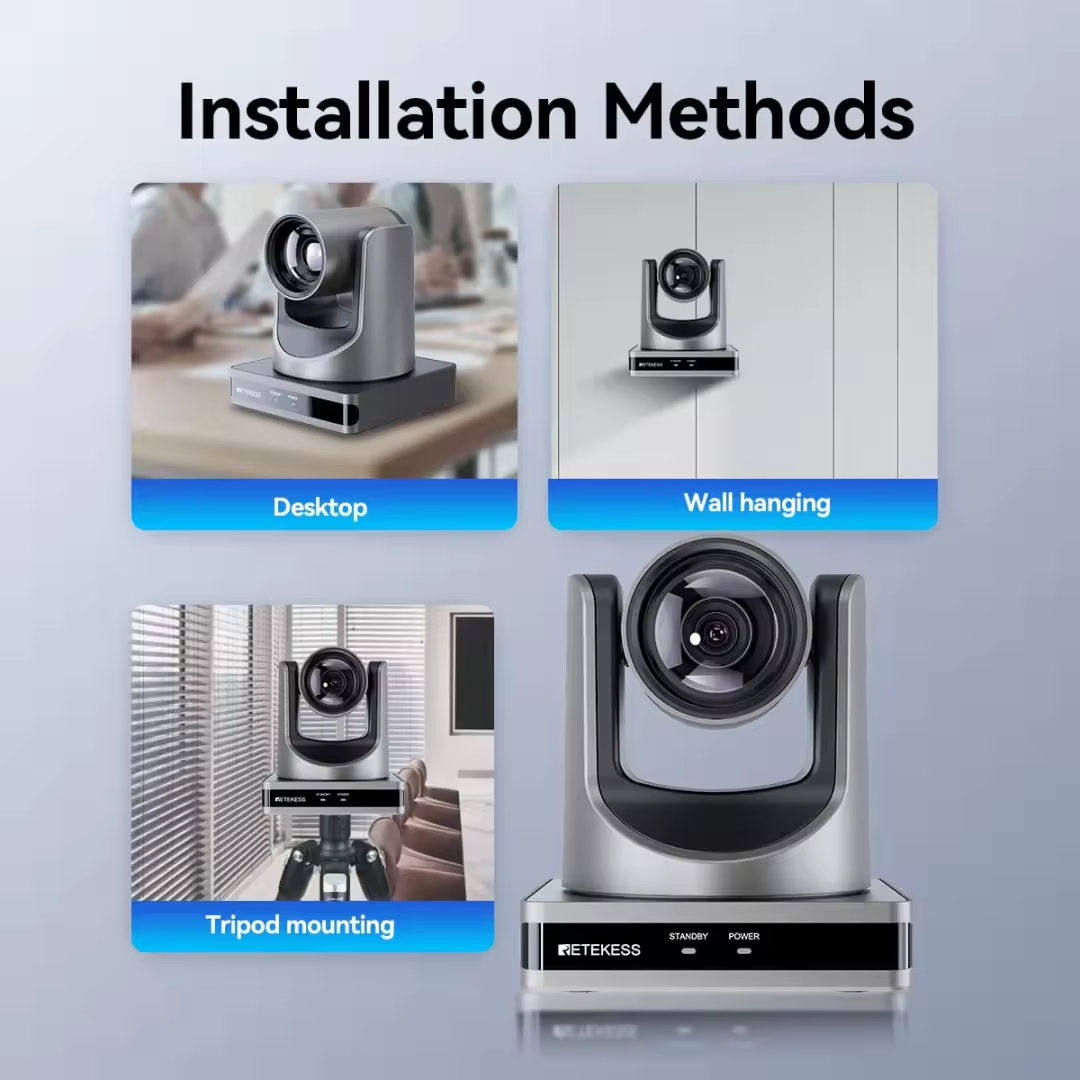
Online Exams and Assessments
Remote Proctoring: Audio-visual systems monitor students during exams to ensure fairness and integrity.
Real-time Feedback: Teachers can monitor students' answering progress and participation status in real-time through the system.
SVN A2 All-in-one video conference bar system
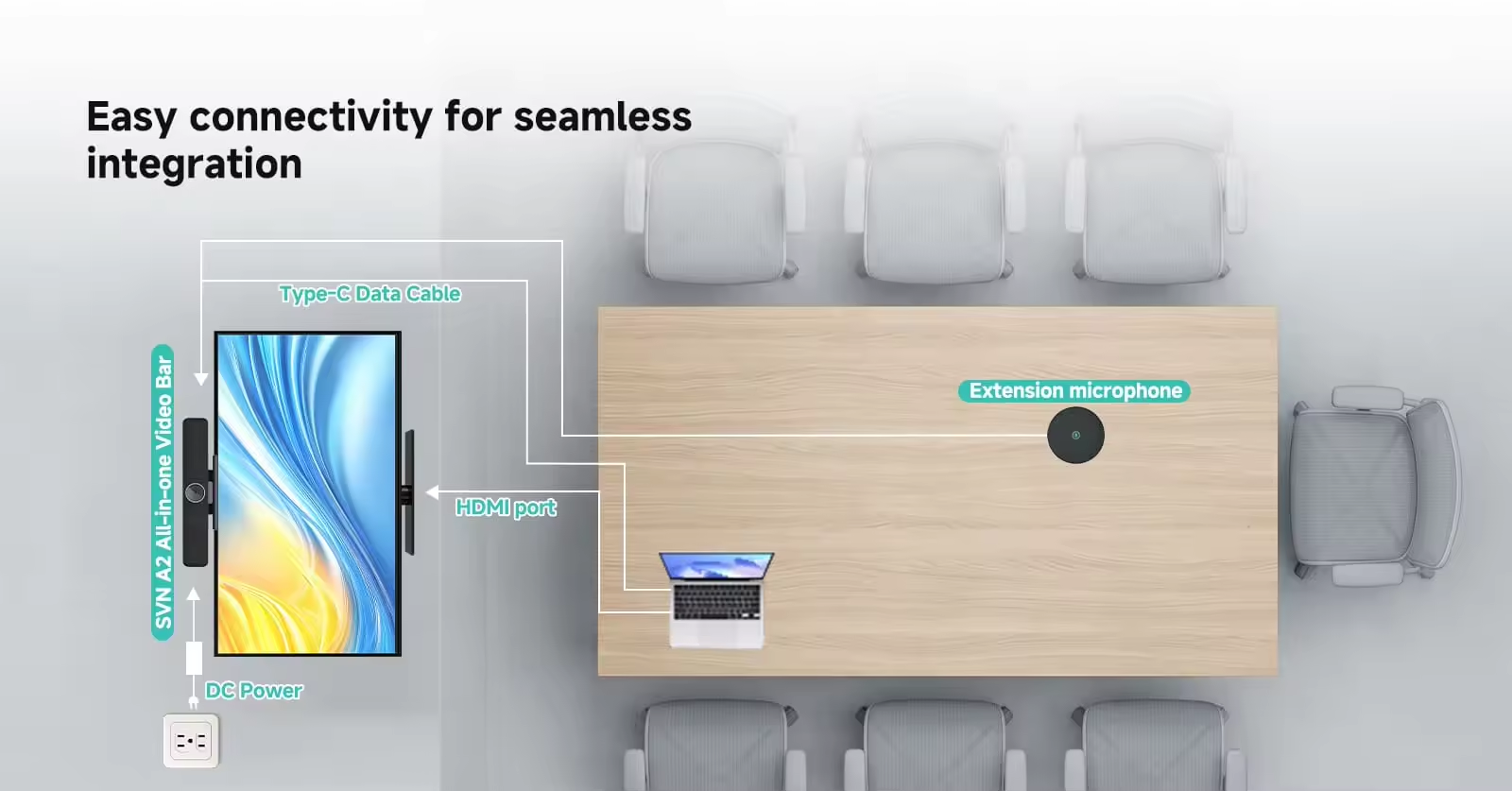
School Meetings and Training
Staff Meetings: Meetings—whether within a single campus or across multiple campuses—can be conducted via audio-visual systems, eliminating the need for in-person gatherings and boosting efficiency.
Training and Lectures: Schools can use remote audio-visual systems to invite external experts for lectures and facilitate interactive Q&A sessions.
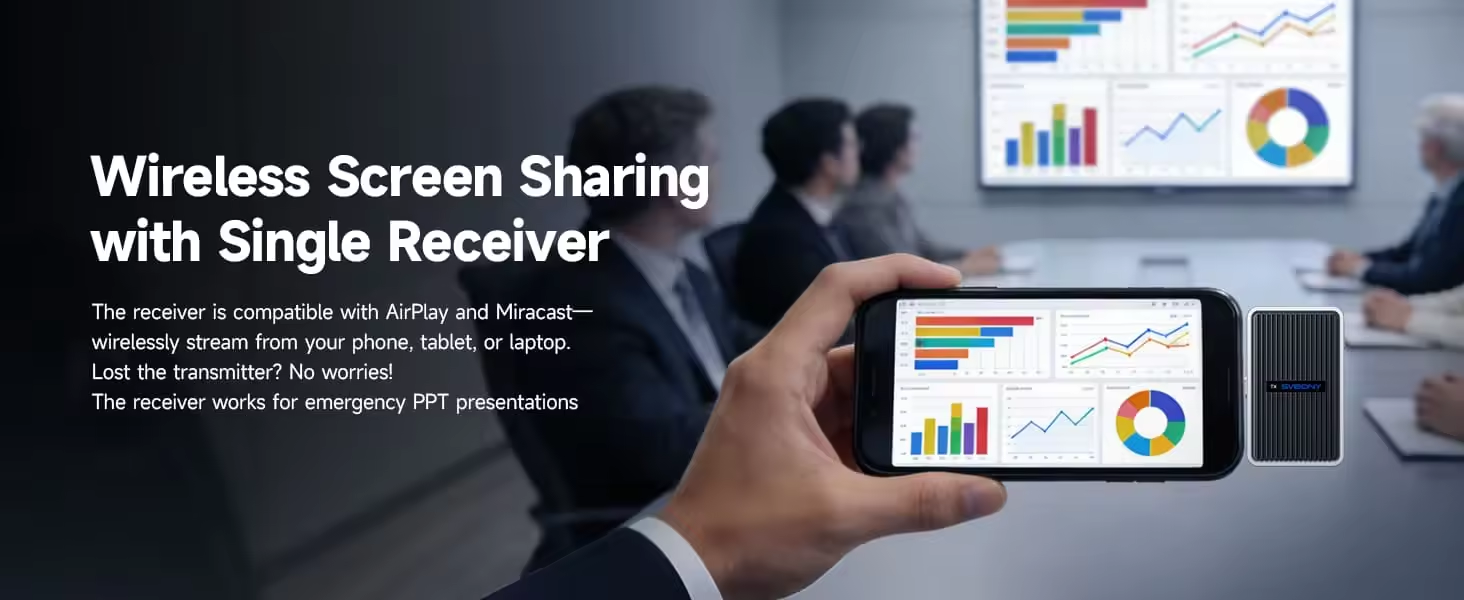
Campus Communication and Information Dissemination
Broadcasting and Announcements: Audio-visual systems allow for the real-time broadcast of notices, event information, and safety alerts in classrooms or public areas.
Campus TV/Media: Some schools establish internal audio-visual platforms to broadcast news and events, as well as showcase student projects.
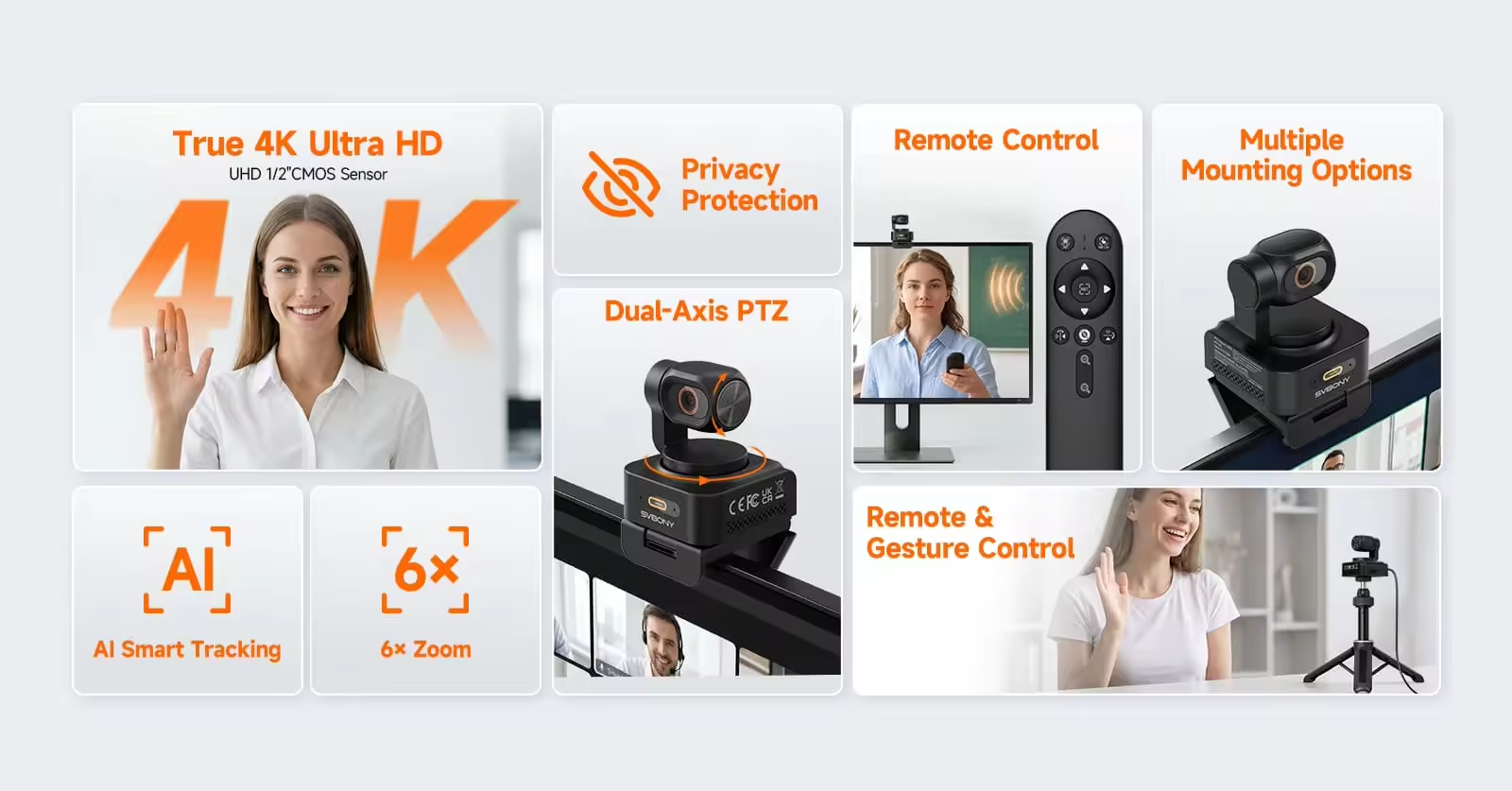
Special Education and Personalized Instruction
Personalized Tutoring: Audio-visual systems enable one-on-one tutoring, which is particularly beneficial for students with learning disabilities or those requiring extra attention.
Inter-school Exchange: Students can connect via video to engage in academic exchanges or collaborative projects with other schools.
SVN W1 2K All-in-One Video Conference Webcam
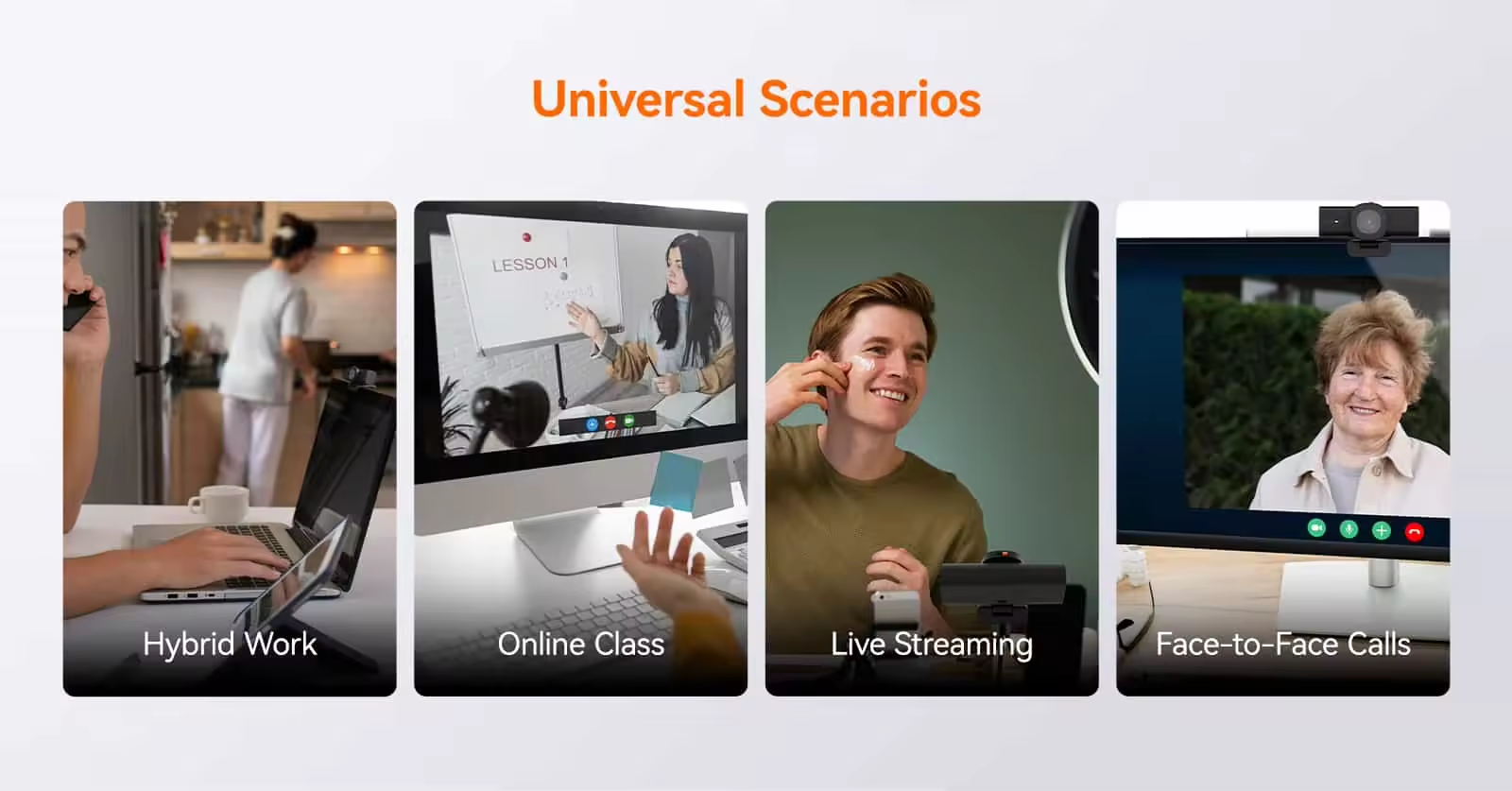
Practical Training and Laboratory Courses
Remote Lab Demonstrations: Cameras and audio equipment allow for the demonstration of experimental procedures, enabling students to watch from different classrooms or remote locations.
Virtual Classrooms and Hybrid Teaching: Integrating virtual simulation software allows for instruction that combines theory with practical application.
Conclusion:
In schools, audio-visual systems serve not merely as teaching aids but as vital components of the modern smart campus. It supports remote instruction, classroom interaction, meetings and training, campus management, and special education, enhancing educational efficiency and quality while offering students and teachers more flexible ways to learn and teach.
Leave a Reply
![[18th Anniversary] 18 Years of Echoing Excellence: Making Communication Easier, Connecting Trust Beyond Borders](https://res.retekess.com/z_file/20260716/retekess-brand-story-making-communication-easier_20260716151044_7682.jpg)
![[18 Years in Wireless Communication] Silent Disco Systems Anniversary Celebration: Top-Selling Headphones & Event Mechanics Revealed!](https://res.retekess.com/z_file/20260713/18-years-in-wireless-communication-silent-disco-systems-anniversary-celebration_20260713175011_5749.webp)
![[Anniversary Carnival] Ding-dong! 18th Anniversary Mega Sale on Guest Paging & Calling Systems: Full Reveal of 12+ Products & Promo Rules!](https://res.retekess.com/z_file/20260713/18th-anniversary-mega-sale-on-guest-paging-calling-systems_20260713175257_0295.webp)
![[Retekess 18th Anniversary Teaser] Tour Guide System Exclusive Perks: Sneak Peek at Event Dates & Mechanics!](https://res.retekess.com/z_file/20260713/retekess-18th-anniversary-tour-guide-system-exclusive-perks--2-_20260713180135_6435.webp)
Follow Us
Pay With


 Google
 Amazon
Comments (0)