
Table of Contents
Back-to-School Buying Guide: Selecting Audio Systems for University Campus Tours & Orientation
- Retekess
- Jul 20, 2026
Back-to-school season brings tight timelines for audio equipment procurement. Purchases must meet compliance rules, fit varied campus use cases, and support easy bulk management for long-term use.
This guide breaks down clear selection criteria, common campus applications, and practical bulk management methods to streamline decision-making for campus audio systems.
Core Selection Criteria for Campus Audio Systems
Four key factors determine whether an audio system fits regular campus use. No extra technical background is required to evaluate these points.
1.Transmission range
The system should deliver clear, stable audio across campus walkways, open courtyards, and building entrances. Performance remains consistent during normal walking speeds, with no restriction to small enclosed areas.
2.Channel capacity
Multiple groups operate simultaneously without interference. Separate tour groups and language channels run in parallel, even during peak orientation periods with high visitor volume.
3.Battery life
A single full charge supports full-day operation. Mid-session charging interruptions disrupt orientation schedules and daily teaching activities.
4.Compliance certifications
Systems carry official regional certifications. These documents serve as formal supporting materials for internal procurement approval and meet standard campus purchasing requirements.
Common Campus Use Cases for One Audio System
A single wireless audio system supports multiple daily campus scenarios, improving asset utilization and budget efficiency.
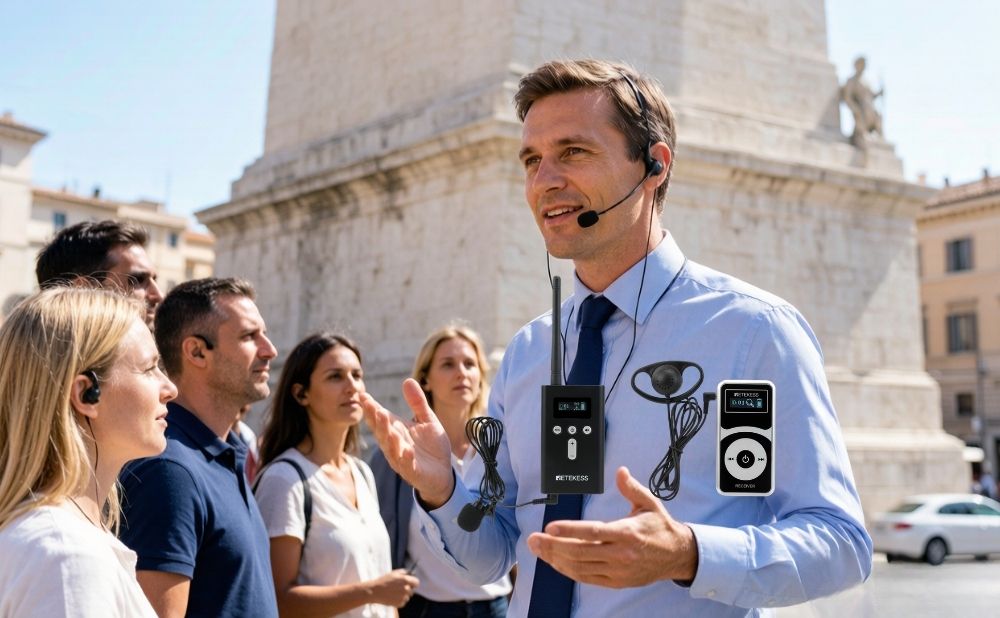
1.New student campus tours
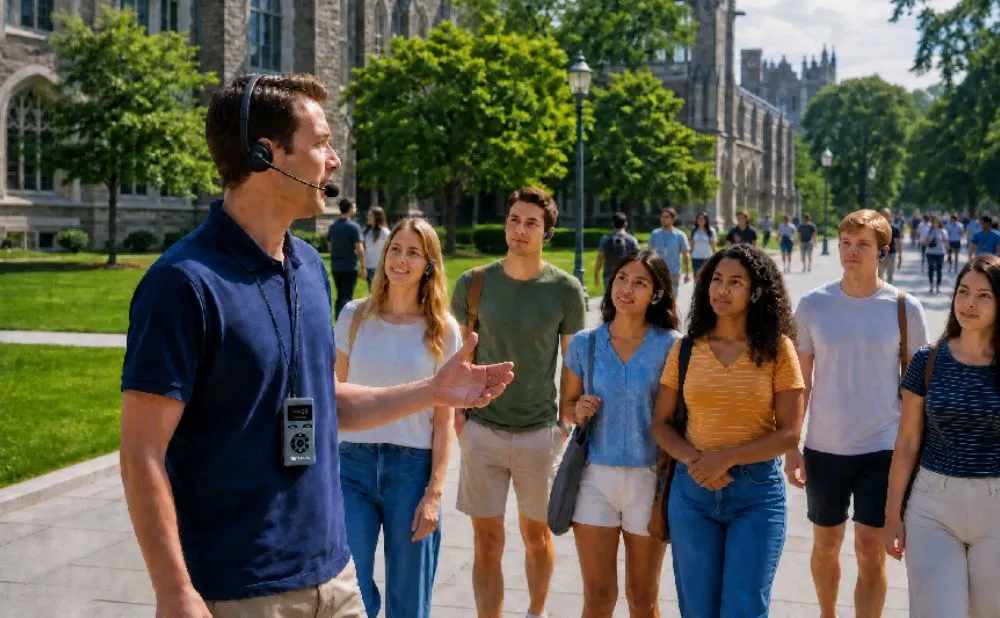
Guides deliver commentary as groups move across campus. No loud shouting is required, and nearby classes remain undisturbed.
2.Multilingual orientation and classes
Multiple channels transmit different languages at the same time. International students switch to their preferred channel directly, with no need for separate translated sessions.
3.Outdoor practical teaching
Instructors speak to dispersed groups in outdoor spaces. All participants hear clear guidance without crowding closely together.
4.Campus guest visits
External visitors and delegations receive consistent, clear commentary during walking tours. The experience stays organized and professional across all stops.
5.Small department events
The system works for department meetings and small lectures as a temporary audio solution. No separate sound equipment purchase is required for low-frequency events.
Practical Bulk Management Methods
Bulk equipment stays organized and lasts longer with standard management steps.
1.Centralized storage and charging
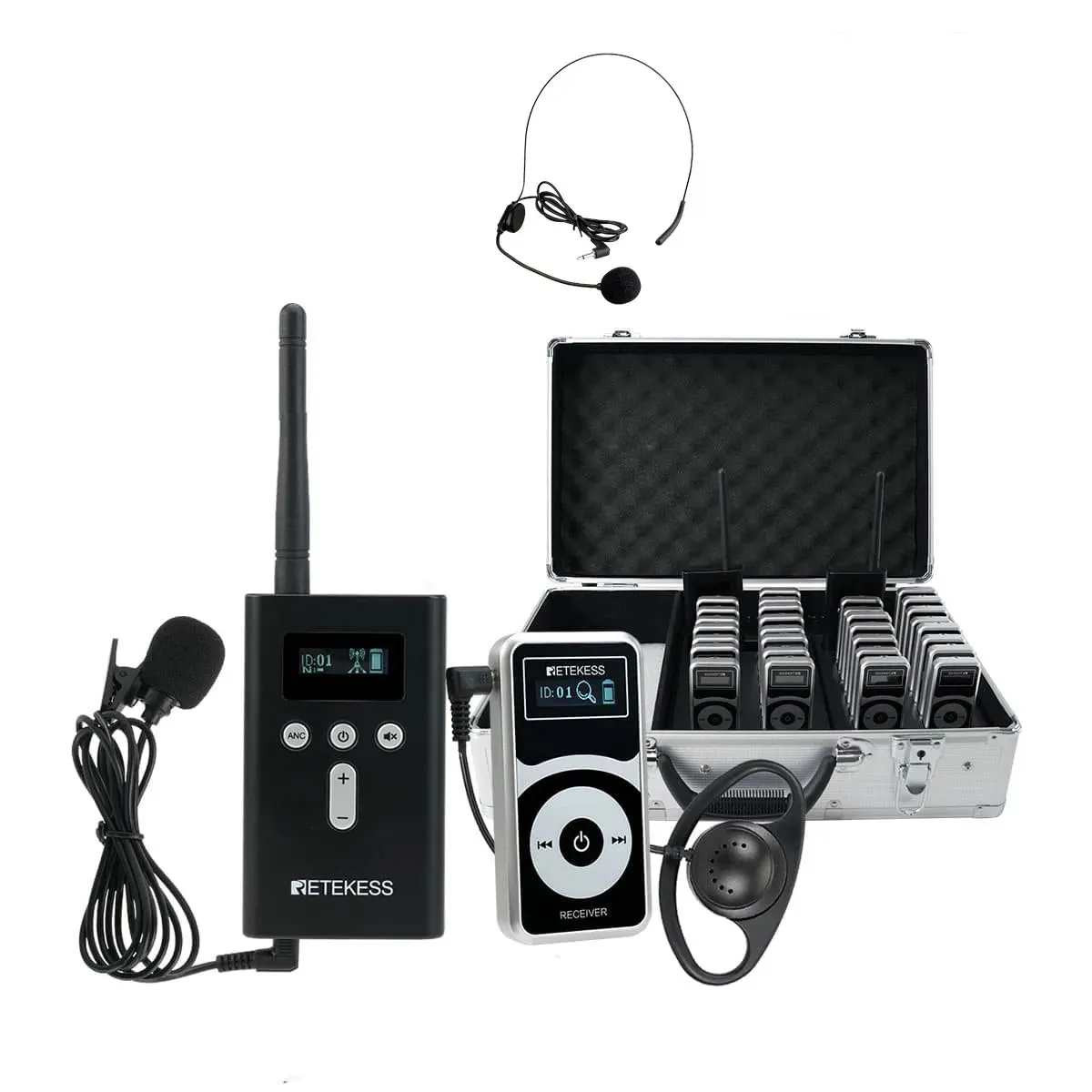
Matching multi-slot charging cases or charging docks charge and store units at the same time. No individual cable plug-in is required for each device. Lockable cases keep inventory secure in shared storage areas.
2.Loss and damage reduction
Numbered devices align with numbered slots for quick inventory checks after each use. Lanyards for receivers reduce drops and loss during active walking tours.
3.Routine maintenance
Durable casings withstand regular daily handling and minor bumps. Wiping surfaces with a dry cloth is sufficient for regular cleaning, with no complex maintenance procedures required.
Product Recommendations by Priority Need
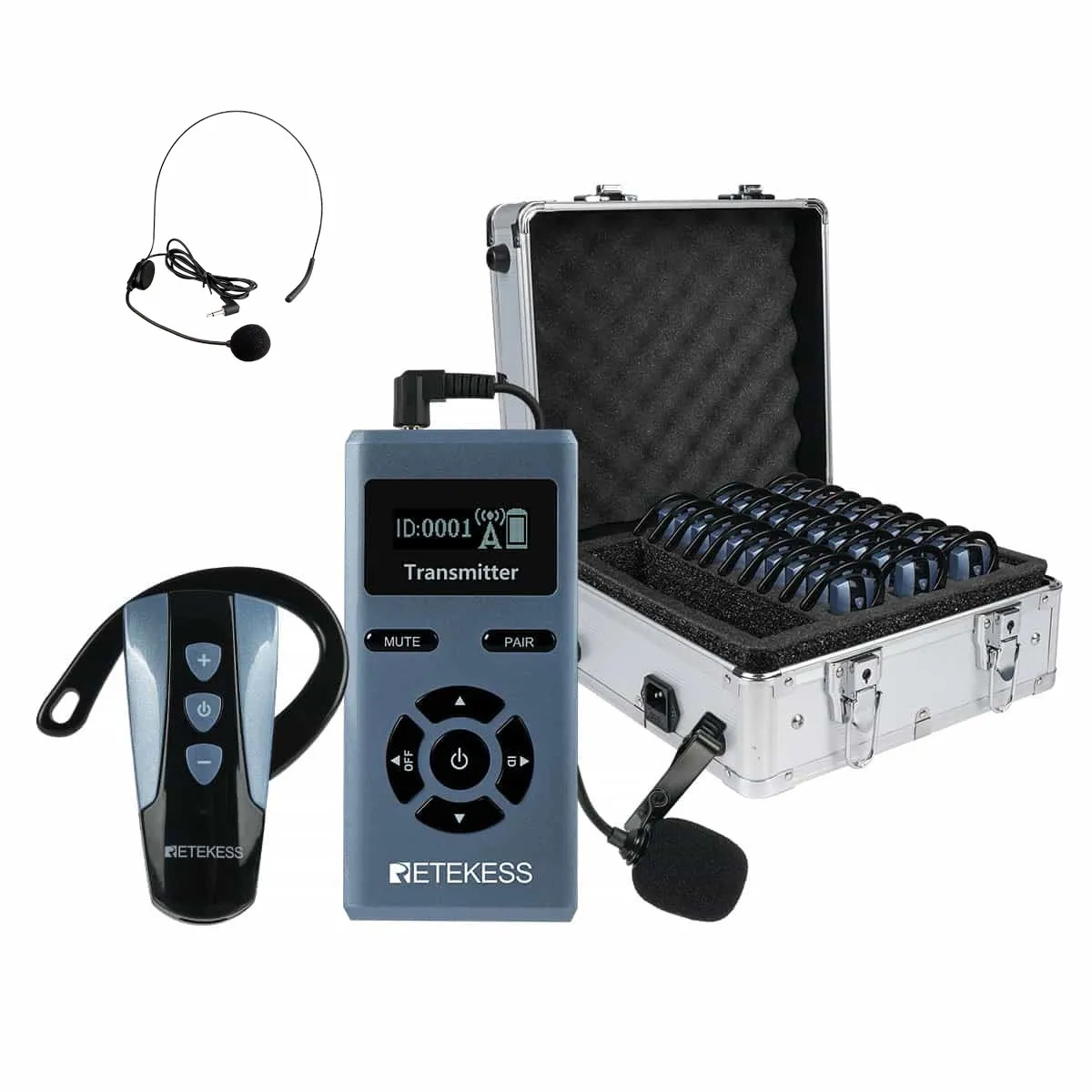
Three options match different core requirements for campus use. All models hold FCC, CE, and RoHS certifications for standard procurement approval.
For premium sound quality: T130P
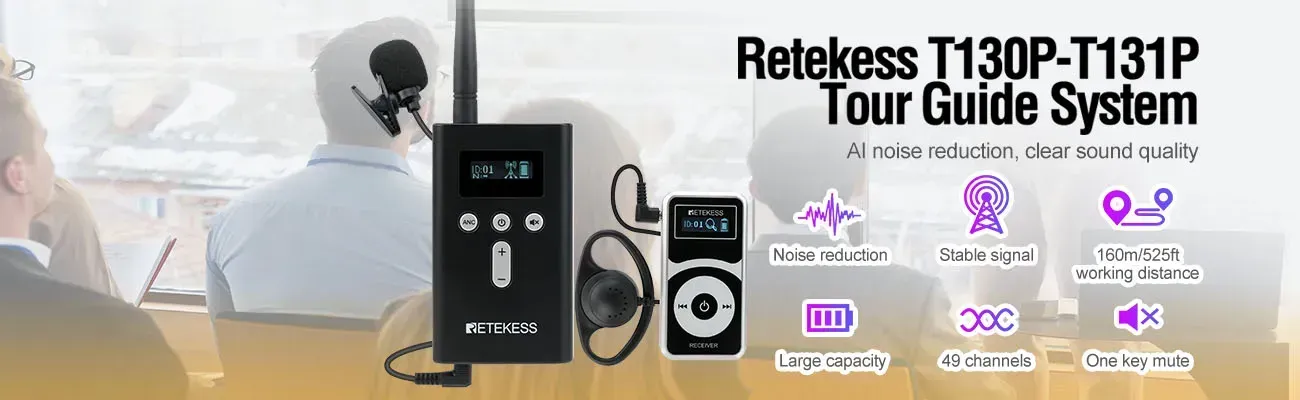
This model features DSP noise reduction technology with adjustable levels, delivering clear, crisp voice audio with strong signal-to-noise performance.
49 independent channels, 160-meter open-area transmission range
Up to 20 hours of receiver battery life for full-day events
Auto-pairing function for fast setup
Ideal for multilingual classroom interpretation, formal campus receptions, and indoor academic events
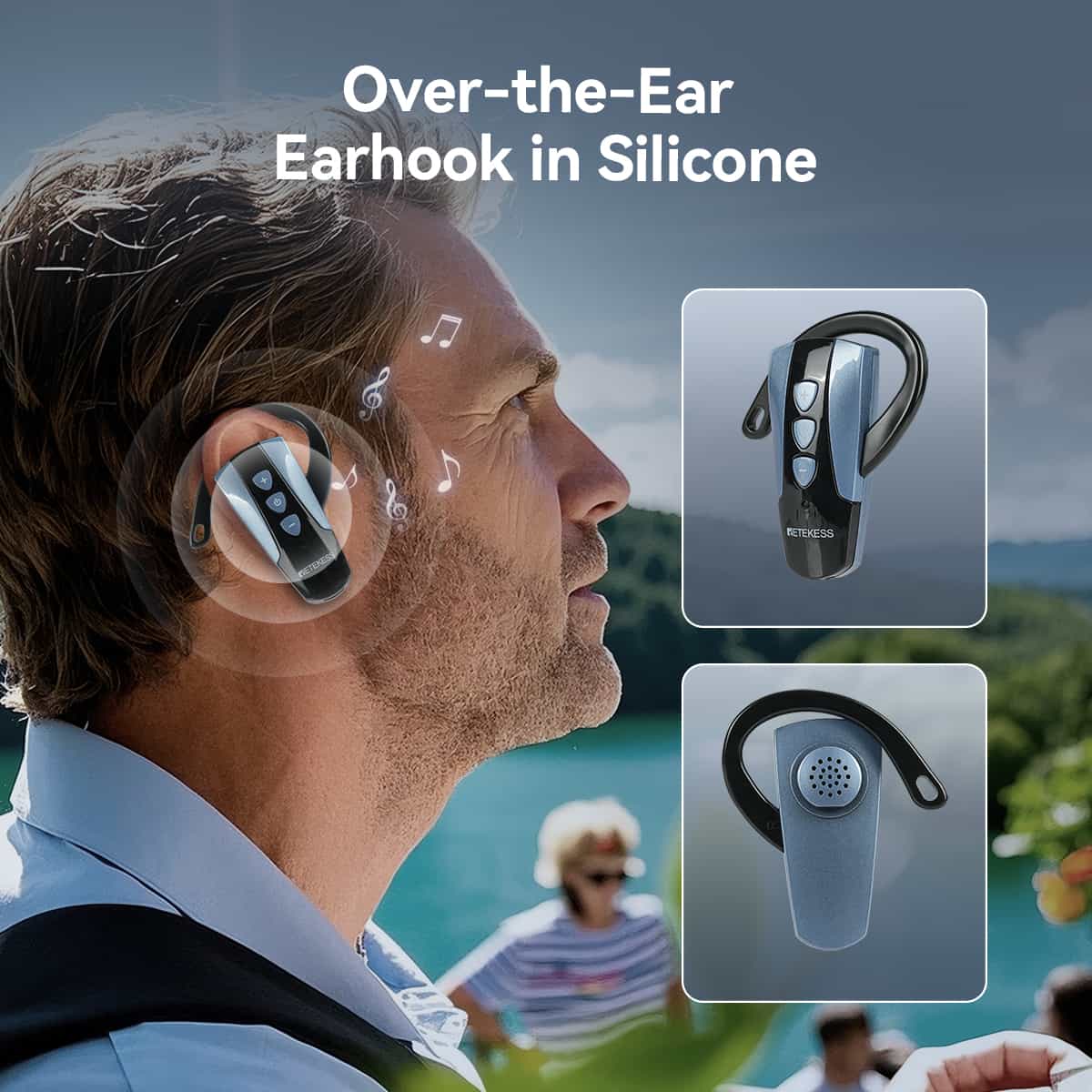
For lightweight, all-day comfort: TT106S
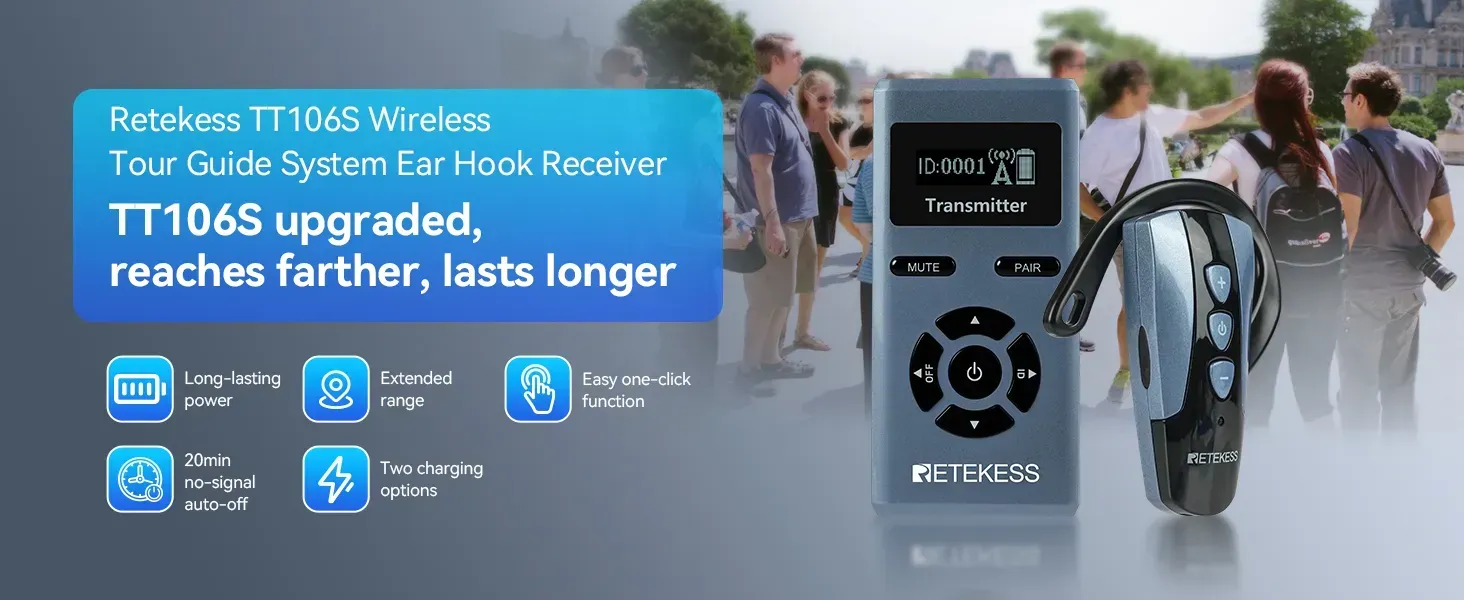
Each earhook-style receiver weighs approximately 18 grams, with no ear pressure even during extended wear.
2.4GHz frequency band for stable anti-interference performance
200-meter open-area transmission range for large outdoor campuses
Up to 50 hours of receiver battery life to reduce charging workload during peak orientation
9999 ID channels to prevent cross-interference between multiple groups
Ideal for large-scale campus orientation, outdoor practical teaching, and long multi-batch tour days
For automatic simultaneous interpretation: TT136 (new release)
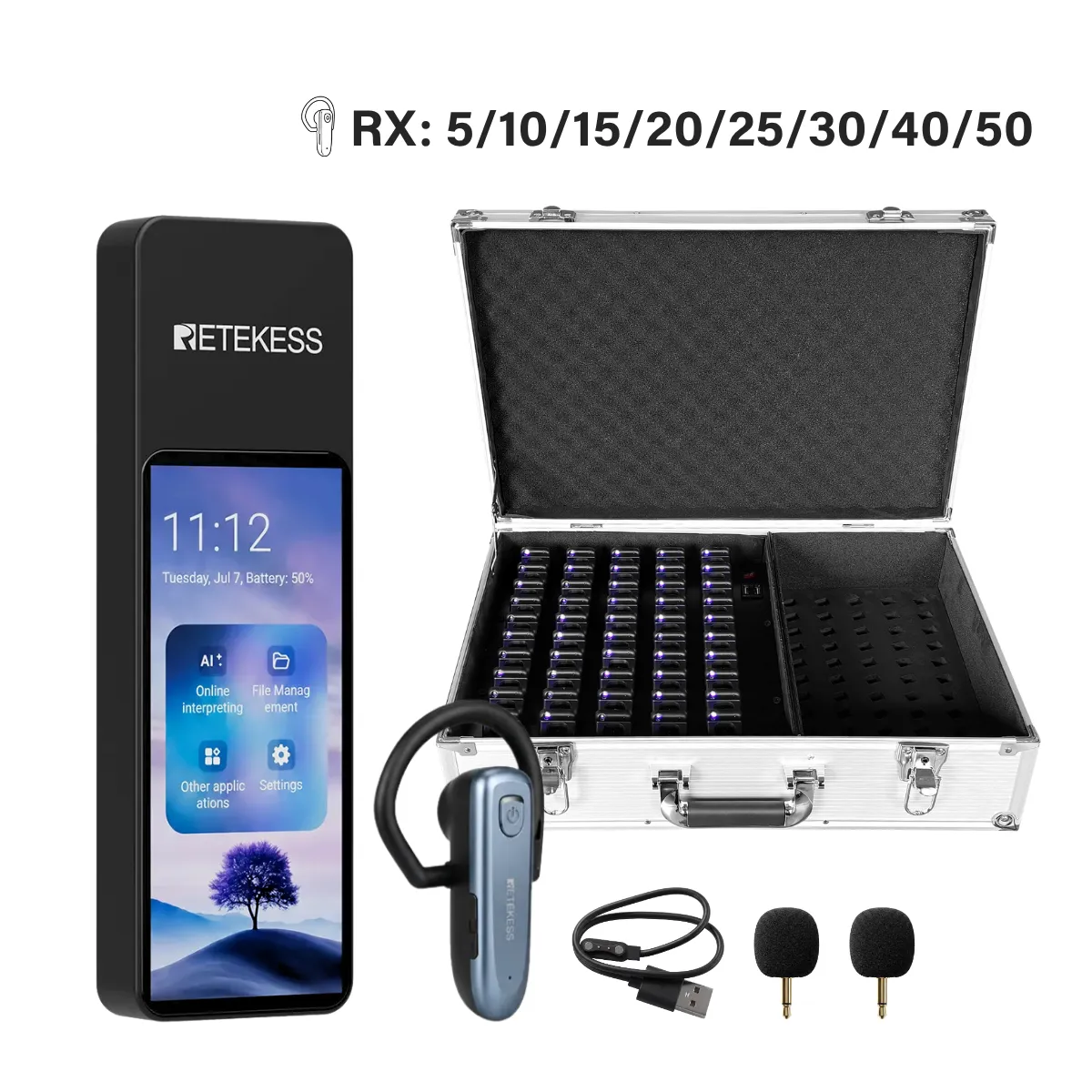
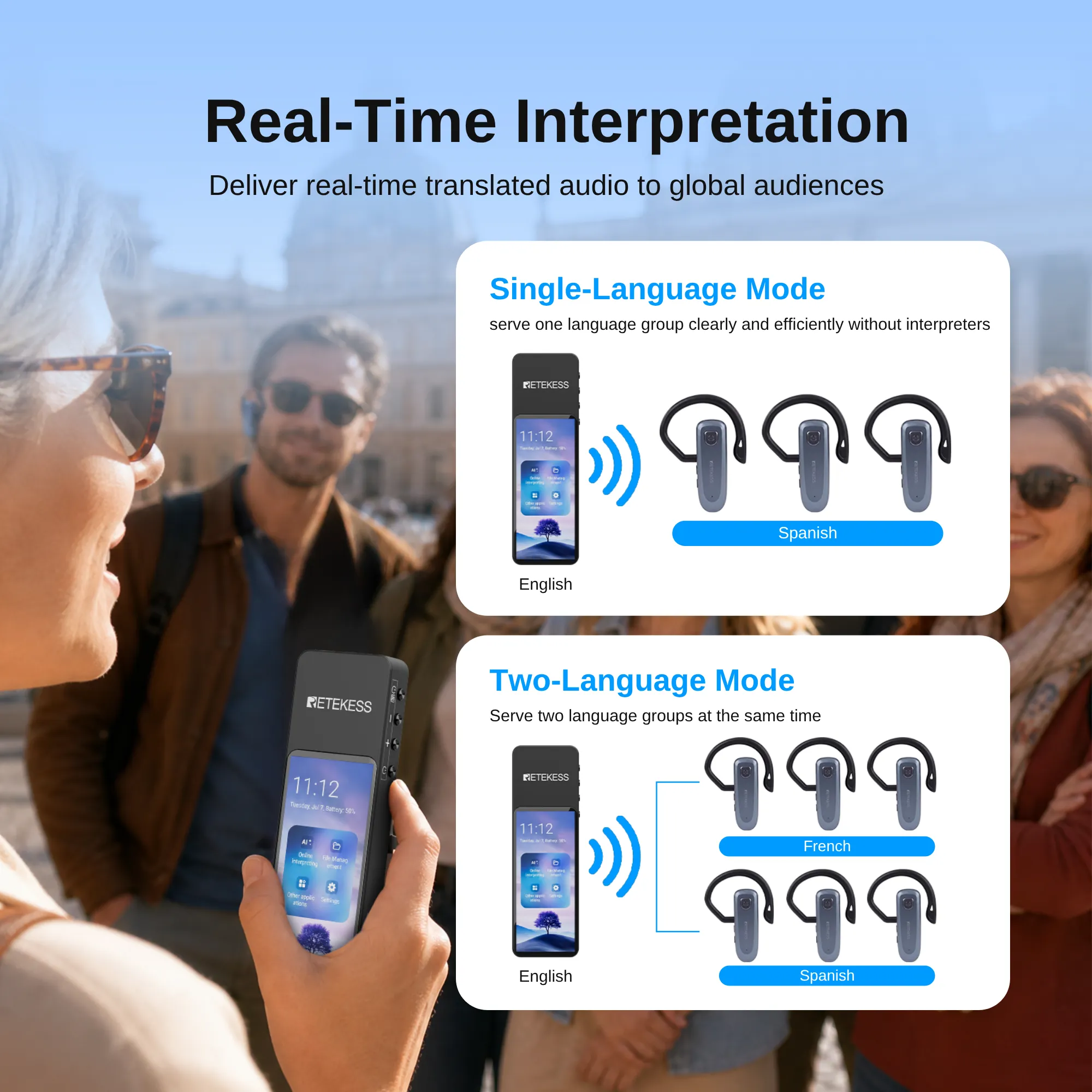
Built-in AI real-time translation supports automatic multilingual conversion. No dedicated on-site interpreter is required for multilingual tours and briefings.
Simple operation with fast language switching
Spoken content translates and transmits to receivers in real time
Ideal for campuses with high international student enrollment and frequent international exchange activities
Frequently Asked Questions
Q: Is special training required to operate the equipment?
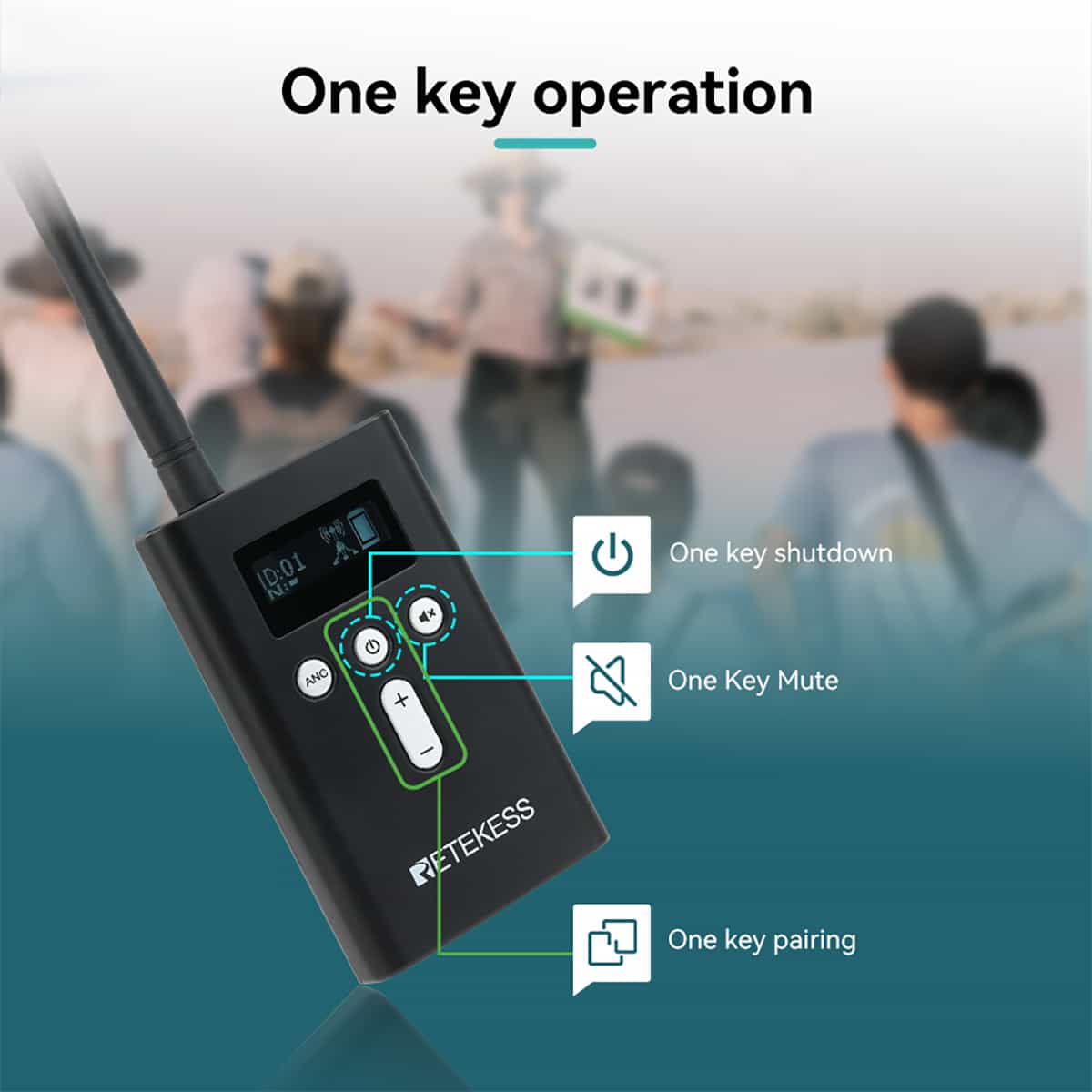
A: No. All models feature simple button controls and auto-pairing functions. Staff can begin use after a brief introductory walkthrough.
Q: How is after-sales support handled for equipment malfunctions?
A: Standard warranty coverage applies to all units. Replacement parts and troubleshooting support are available for bulk orders.
Q: Is trial testing available before bulk purchase?
A: Sample units are available for pre-purchase testing to confirm fit with campus use cases.
Q: Can replacement accessories be purchased separately?
A: Yes. Common accessories including earpads, lanyards, and charging cables are available for individual reorder.
Leave a Reply


![[18th Anniversary] 18 Years of Echoing Excellence: Making Communication Easier, Connecting Trust Beyond Borders](https://res.retekess.com/z_file/20260716/retekess-brand-story-making-communication-easier_20260716151044_7682.jpg)
![[18 Years in Wireless Communication] Silent Disco Systems Anniversary Celebration: Top-Selling Headphones & Event Mechanics Revealed!](https://res.retekess.com/z_file/20260713/18-years-in-wireless-communication-silent-disco-systems-anniversary-celebration_20260713175011_5749.webp)
![[Anniversary Carnival] Ding-dong! 18th Anniversary Mega Sale on Guest Paging & Calling Systems: Full Reveal of 12+ Products & Promo Rules!](https://res.retekess.com/z_file/20260713/18th-anniversary-mega-sale-on-guest-paging-calling-systems_20260713175257_0295.webp)
![[Retekess 18th Anniversary Teaser] Tour Guide System Exclusive Perks: Sneak Peek at Event Dates & Mechanics!](https://res.retekess.com/z_file/20260713/retekess-18th-anniversary-tour-guide-system-exclusive-perks--2-_20260713180135_6435.webp)
Follow Us
Pay With


 Google
 Amazon
Comments (0)