
Table of Contents
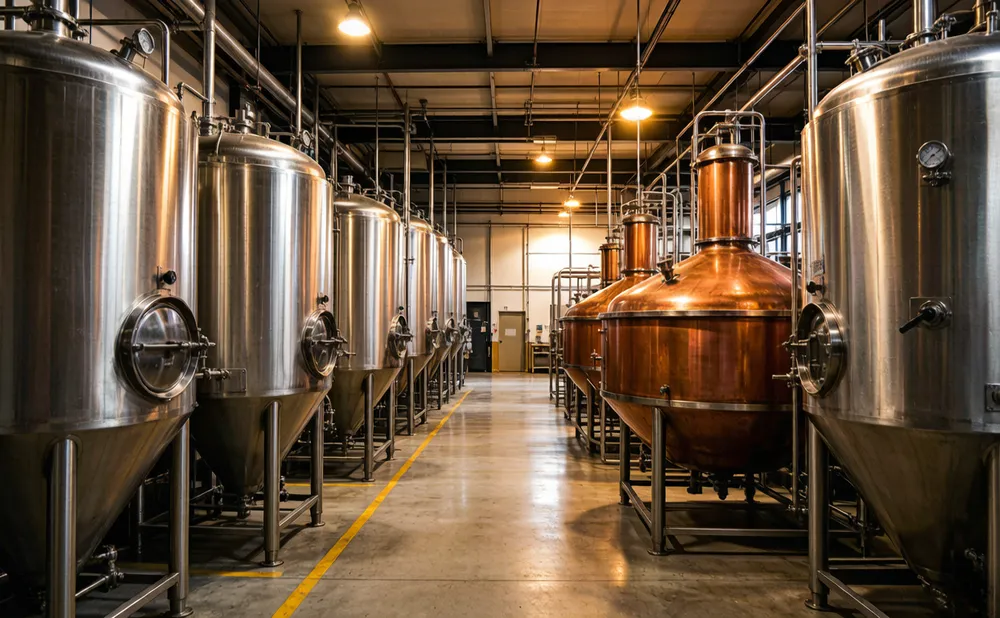
Brewery Tour Communication System: A Complete Guide for Craft Breweries
- Retekess
- Aug 5, 2026
Brewery tours occupy a unique position: they combine production-floor intensity with tasting-room hospitality, often in the same building. To spare operators the hassle of switching or cluttering complex equipment across different zones, this guide focuses on a single, high-value, versatile device—the Retekess T130P brewery tour communication system—and explores how to tailor your communication approach across different tour spaces for a streamlined, immersive brewing journey.
I. Why Brewery Tours Require Adaptable Voice Communication
Breweries are deceptively complex audio environments. Consider:
The brewing floor has steam, copper kettles, and ambient noise in the 75-85 dB range — loud enough to drown out an unmic'd guide, but not loud enough to demand hearing protection.
The cellar has fermenting tanks, often cold (4-8 °C), with quiet zones that amplify every footstep.
The packaging hall has bottling lines at 80-90 dB.
The tasting room has music, conversation, and glassware clinking — all in a hospitality mode that doesn't suit a tour guide lecturing.
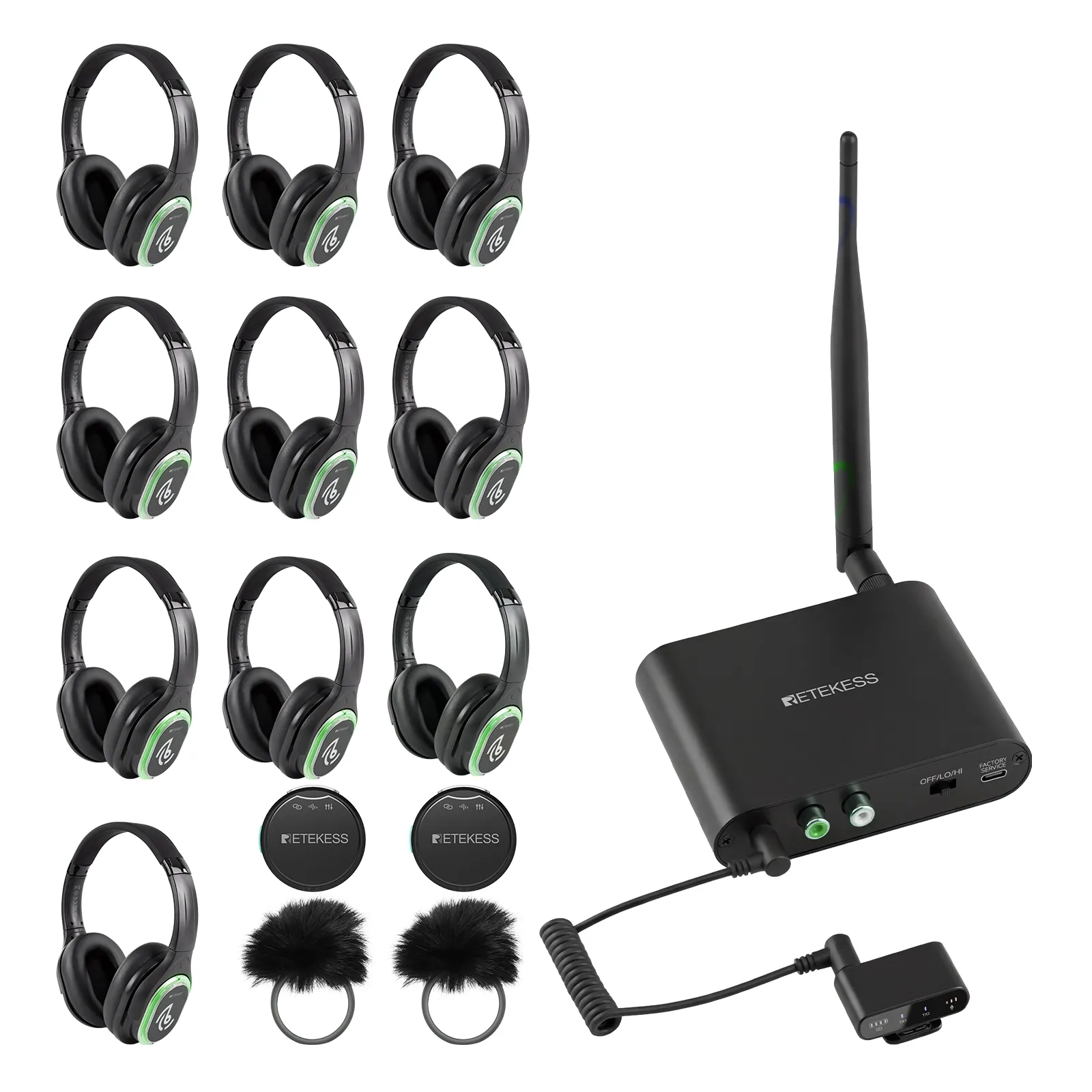
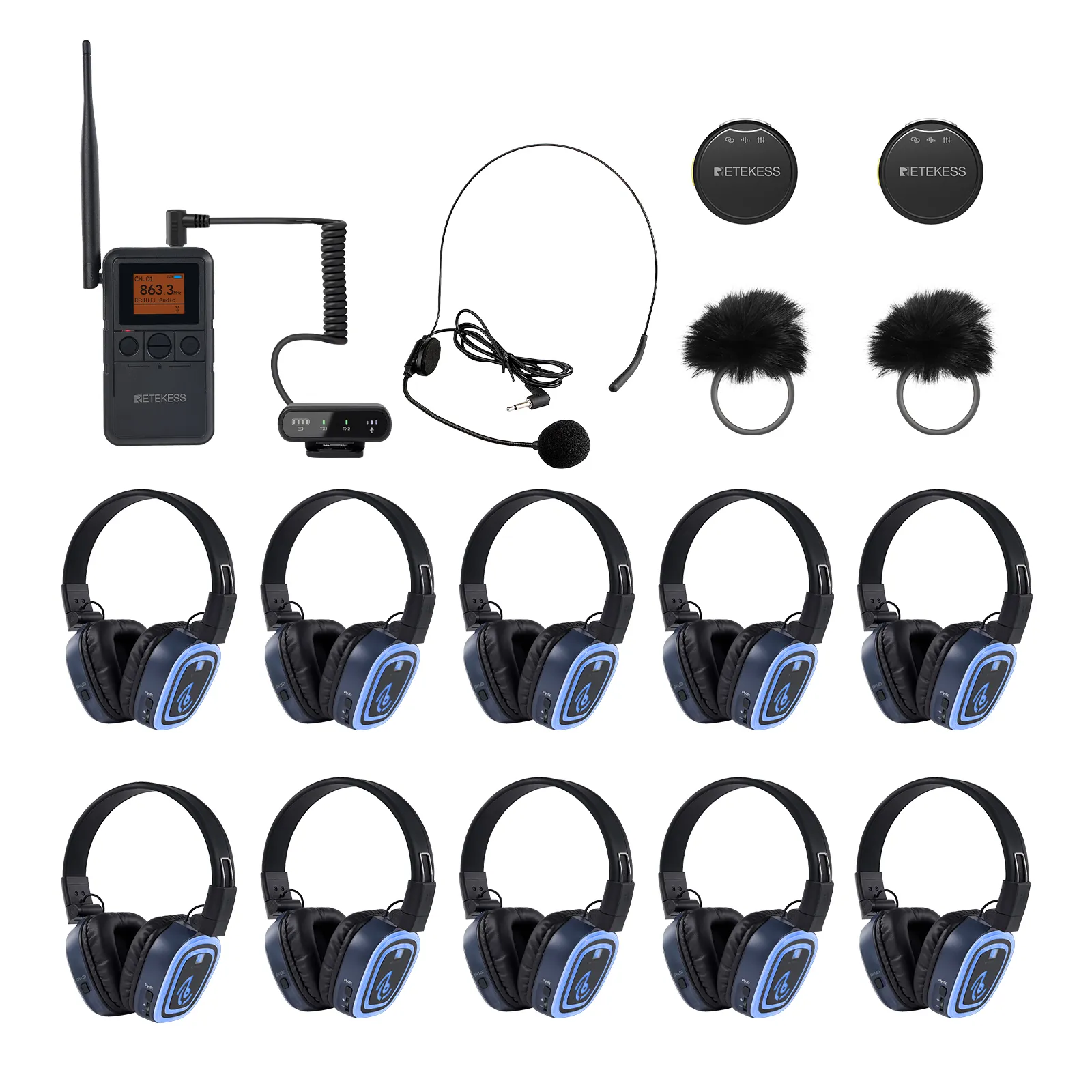
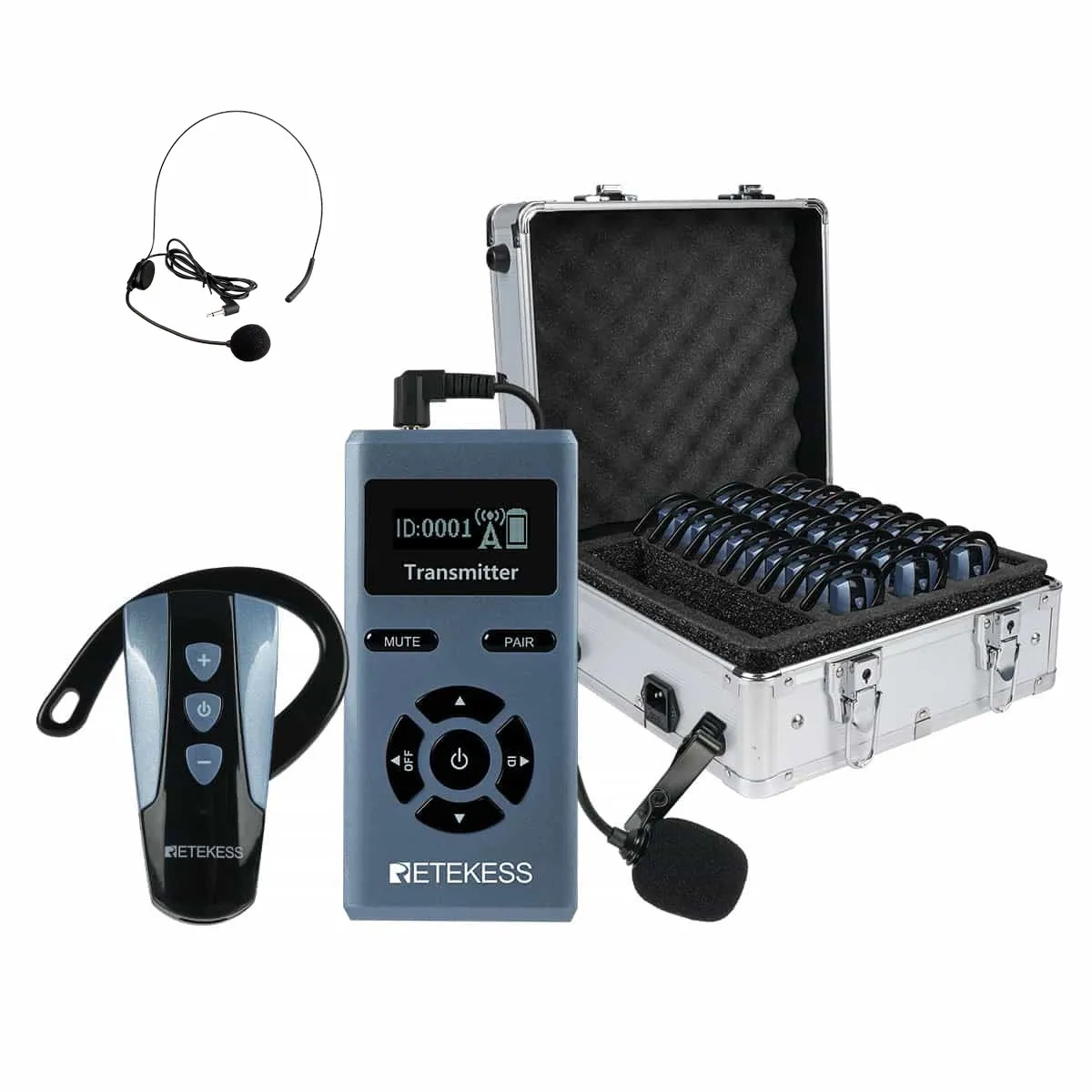
By standardizing on the Retekess T130P Factory Tour Headsets, a single system can effortlessly span the entire tour route by flexibly adjusting its settings to match the specific needs of each zone.
2. Zone 1: The Brewing Floor (Production Tour)
The brewing floor is the centerpiece. Visitors want to see the mash tun, the boil kettle, and the whirlpool — and hear the brewer explain what's happening.
2.1 Noise Profile
Steam and kettle noise lands around 75-85 dB, peaking during hops additions and knock-out. Not dangerously loud, but loud enough to require a microphone-and-receiver system.
2.2 Recommended Equipment
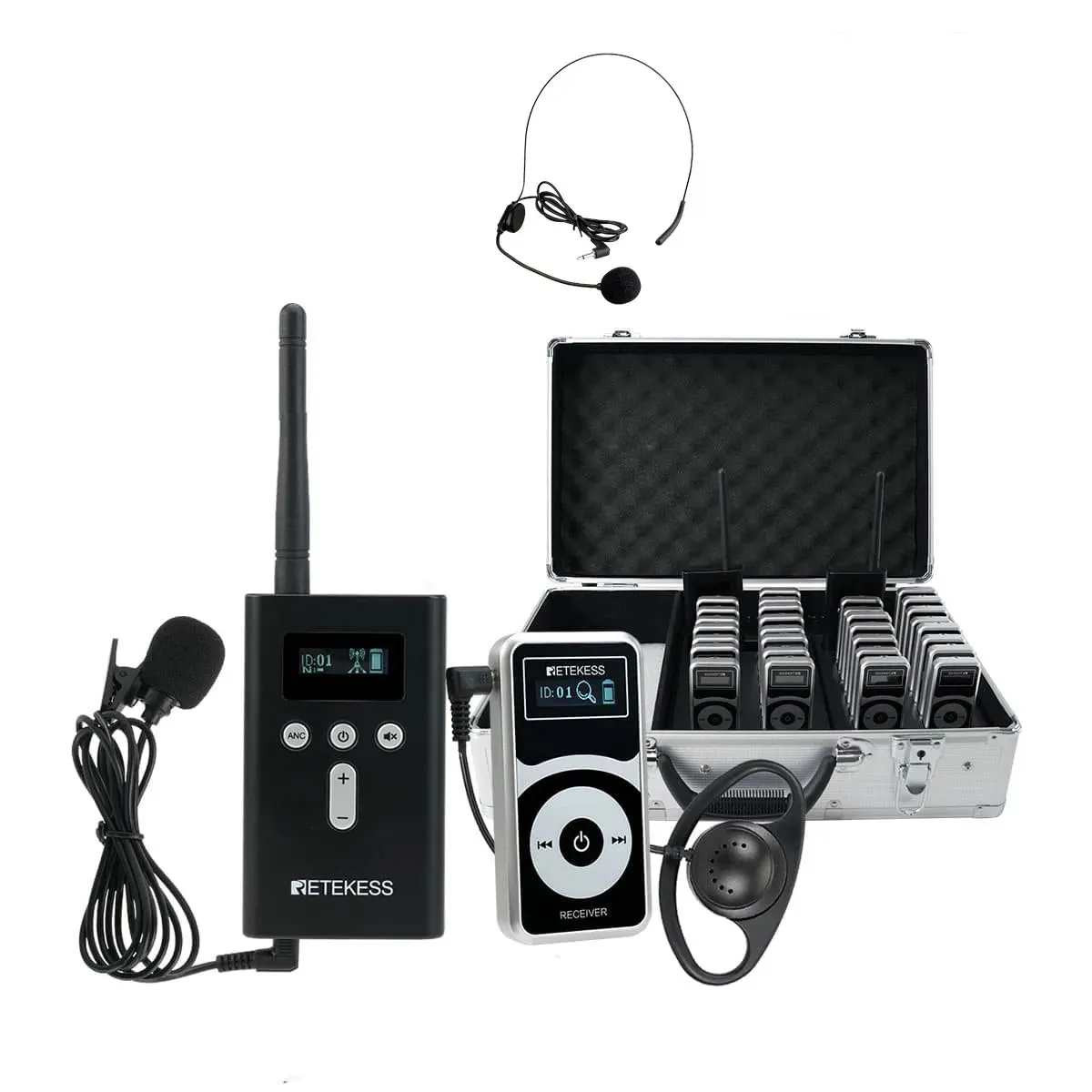
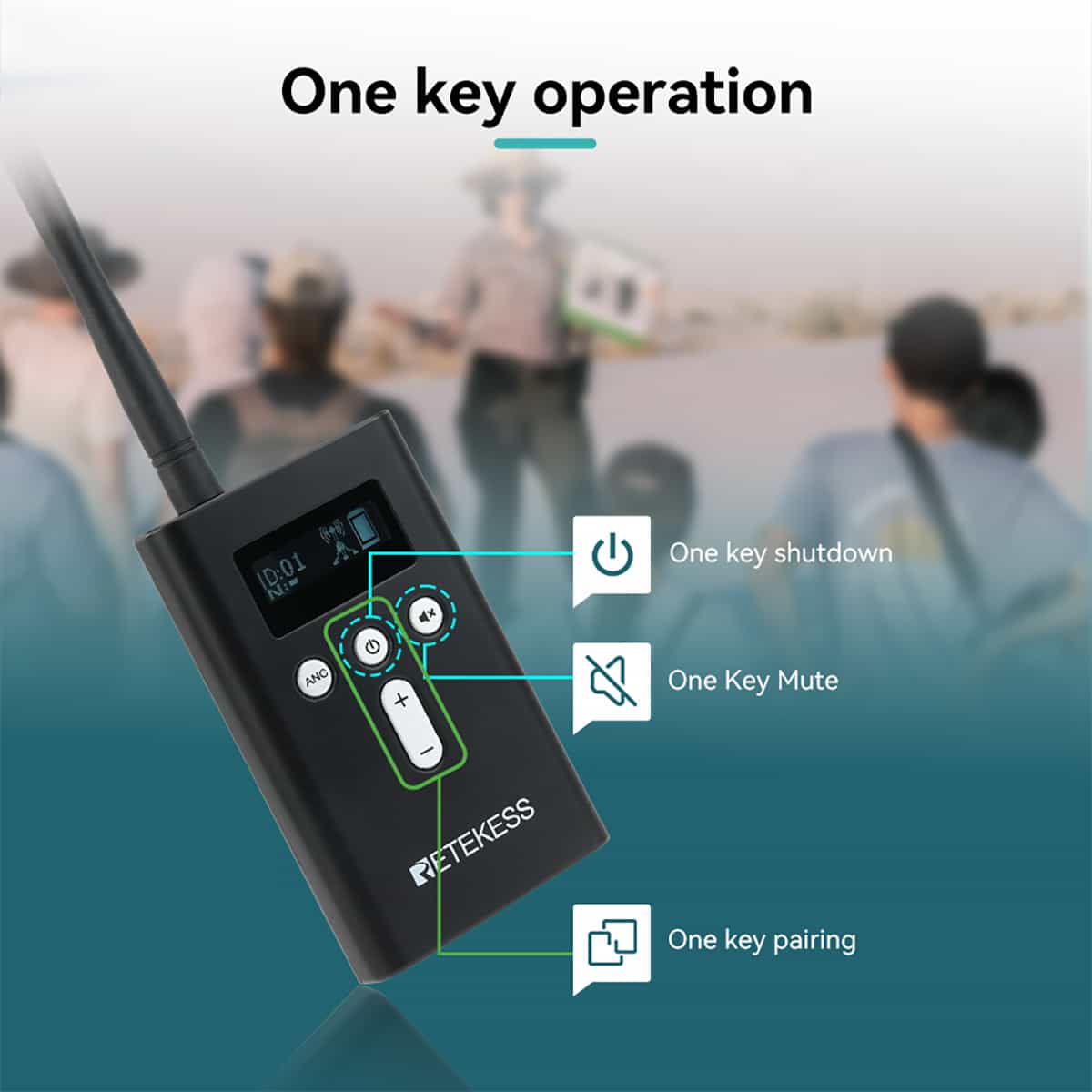
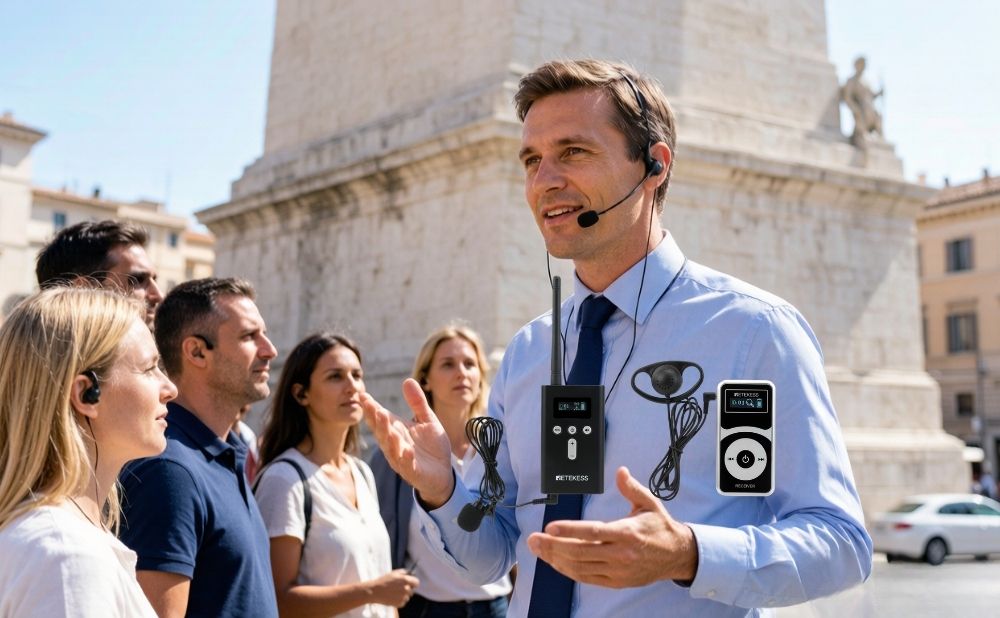
T130P : The guide uses a lightweight microphone with the T130P set to a low-to-medium DSP noise-reduction level. With its 160-meter stable wireless transmission range, the guide doesn't need to crowd the group, allowing visitors to spread out comfortably on elevated catwalks or safe viewing platforms while listening clearly.
2.3 Tour Path Considerations
Stand visitors on the catwalk (less equipment noise there).
Walk visitors past, not into the hot-side area if safety or sanitation requires it.
View into the cellar from outside if possible — saves visitors from changing into cold-gear.
3. Zone 2: Packaging and Cellar (Logistics Tour)
3.1 Packaging Hall
Bottling and canning lines run around 80-90 dB. When visiting this area, adjust the T130P's DSP noise reduction to the highest level (Level 4), or wear noise-cancelling headphones for a more significant effect. Powerfully filters out high-frequency mechanical noise to ensure that the tour guide speaks at a normal volume and can reach tourists' ears directly.
3.2 Cellar
Fermenting tanks sit in cold rooms at 4-8 °C. Quieter zones mean a lapel mic can sound uncomfortably loud. Adjust receiver volume at the cellar transition.
4. Zone 3: The Tasting Room (Hospitality Tour)
The tasting room is where the tour "lands" — visitors sit, drink, and engage. Audio here is less about narration and more about facilitating conversation.
4.1 Minimal Equipment
Many breweries turn the tour audio off in the tasting room and have the guide speak naturally. The transition is part of the experience.
4.2 Special Case: Beer Education Programs
Some breweries run structured tasting classes (a flight of four beers with detailed notes). For these, the Retekess T130P wireless audio tour guide kit works well too.
4.3 Music and Tour Audio Don't Mix
If the tasting room has music, lower it during tour segments. Background music + tour audio fights for clarity and visitor attention.
Conclusion
Modern craft breweries do not need the complexity of managing multiple fragmented hardware systems. By deploying a single Retekess T130P wireless tour guide system across the entire facility—and simply adjusting noise cancellation and volume levels tailored to the brewing floor, cellar/packaging line, and tasting room—operations achieve dramatic cost savings alongside a quantum leap in visitor experience.
Frequently Asked Questions
1. Q: How many visitors per tour is ideal for a craft brewery?
A: Most craft breweries run 8-15 visitors per tour. Larger groups exceed the guide's ability to manage questions and pacing.
2. Q: Can visitors take photos during brewing tours?
A: Most breweries allow non-flash photography in production zones. Confirm your plant's protocol. Coordinate with the tour guide before the tour starts.
3. Q: How do we handle multilingual visitors?
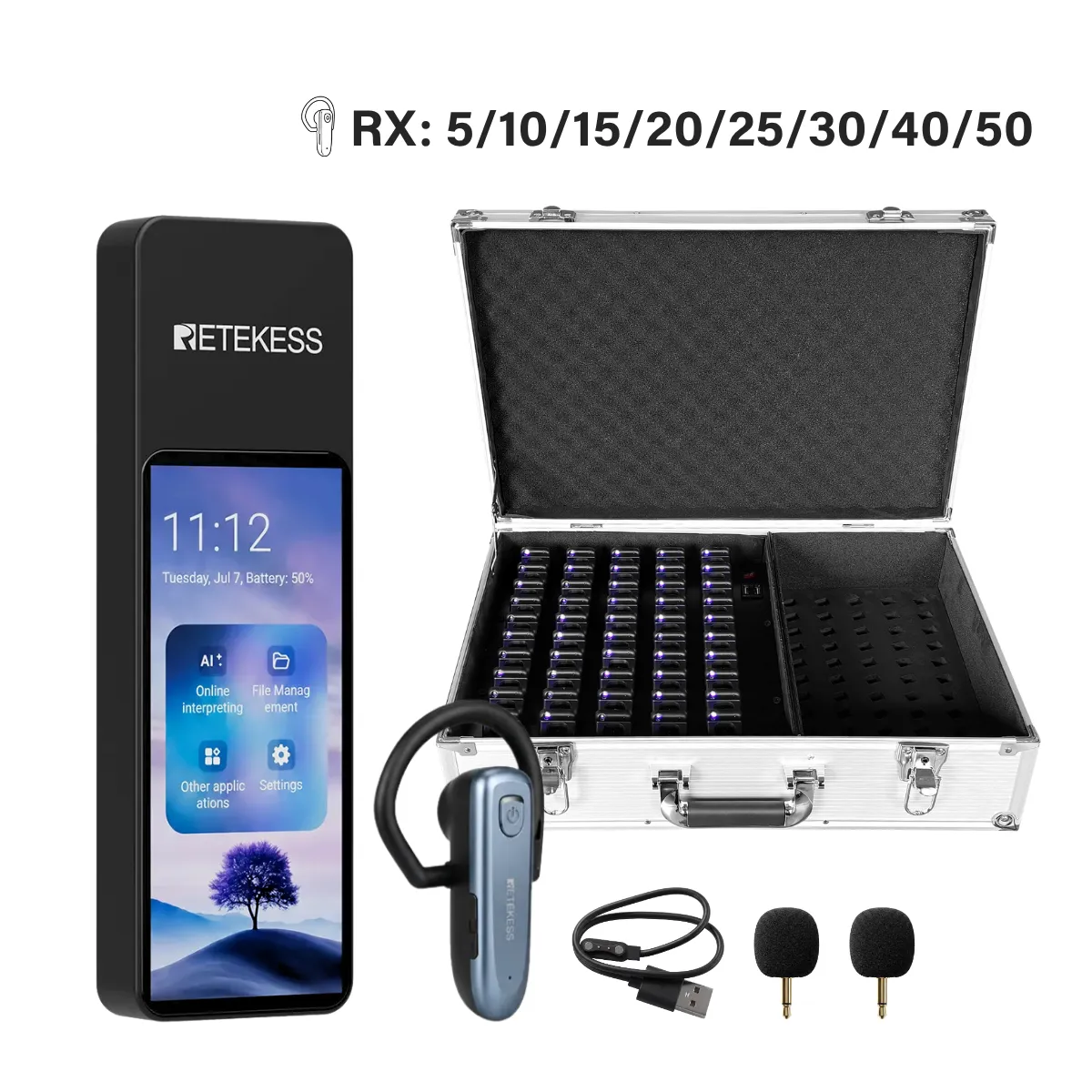
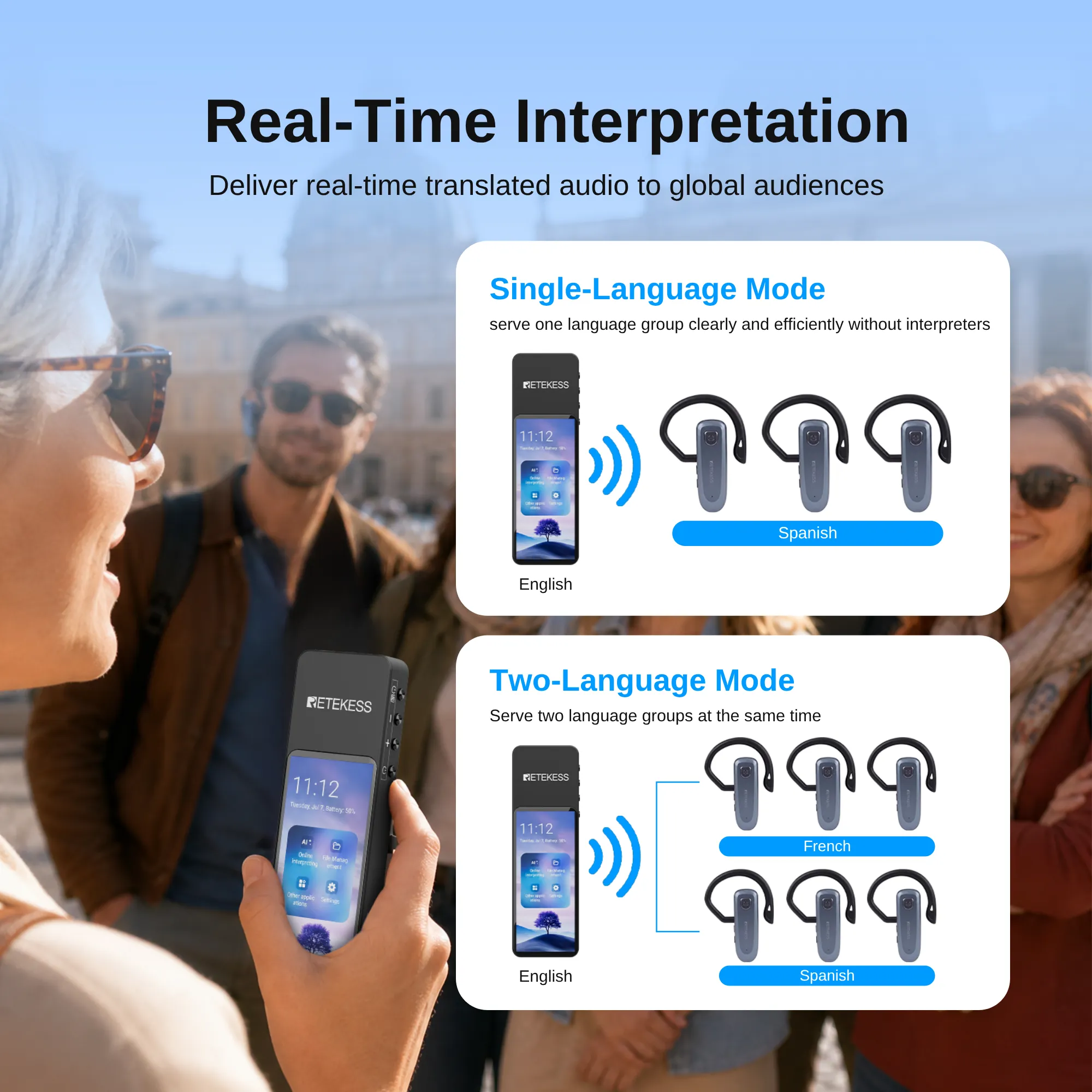
A: You can use the Retekess T130P paired with professional foreign language interpreters for simultaneous or consecutive interpretation, which is ideal for groups requiring in-depth communication, or deploy the Retekess TT136 AI automatic translation and tour guide devices for non-in-depth communication.
4. Q: Do we need hearing protection in the brewing area?
A: For visitors: typically no. Brewing floor noise is 75-85 dB, below the 85 dB action level for mandatory hearing protection in many jurisdictions (verify your local rule). Brief tours of an hour or less don't require PPE. For staff: yes, hearing protection in the packaging hall.
5. Q: Can we run two brewery tours at once?
A: Yes — assign each tour a different channel. Industrial tour systems support 16+ simultaneous channels.(T130P has 49 channels)
6. Q: Does the tasting room need separate audio?
A: Not necessarily. Many breweries turn off tour audio in the tasting room and let the guide speak normally. If you want consistent audio quality across the entire visit, keep receivers on, with volume adjusted down.
7. Q: What's the typical cost for a brewery tour system?
A: Reference: a mid-market kit with 30 receivers + 2 transmitters + charging case runs $1,500-$3,500 in consumer pricing. Industrial-grade tour guide kits from suppliers like Retekess run comparable or below.
Leave a Reply
![[18th Anniversary] 18 Years of Echoing Excellence: Making Communication Easier, Connecting Trust Beyond Borders](https://res.retekess.com/z_file/20260716/retekess-brand-story-making-communication-easier_20260716151044_7682.jpg)
![[18 Years in Wireless Communication] Silent Disco Systems Anniversary Celebration: Top-Selling Headphones & Event Mechanics Revealed!](https://res.retekess.com/z_file/20260713/18-years-in-wireless-communication-silent-disco-systems-anniversary-celebration_20260713175011_5749.webp)
![[Anniversary Carnival] Ding-dong! 18th Anniversary Mega Sale on Guest Paging & Calling Systems: Full Reveal of 12+ Products & Promo Rules!](https://res.retekess.com/z_file/20260713/18th-anniversary-mega-sale-on-guest-paging-calling-systems_20260713175257_0295.webp)
![[Retekess 18th Anniversary Teaser] Tour Guide System Exclusive Perks: Sneak Peek at Event Dates & Mechanics!](https://res.retekess.com/z_file/20260713/retekess-18th-anniversary-tour-guide-system-exclusive-perks--2-_20260713180135_6435.webp)
Follow Us
Pay With


 Google
 Amazon
Comments (0)