
Table of Contents
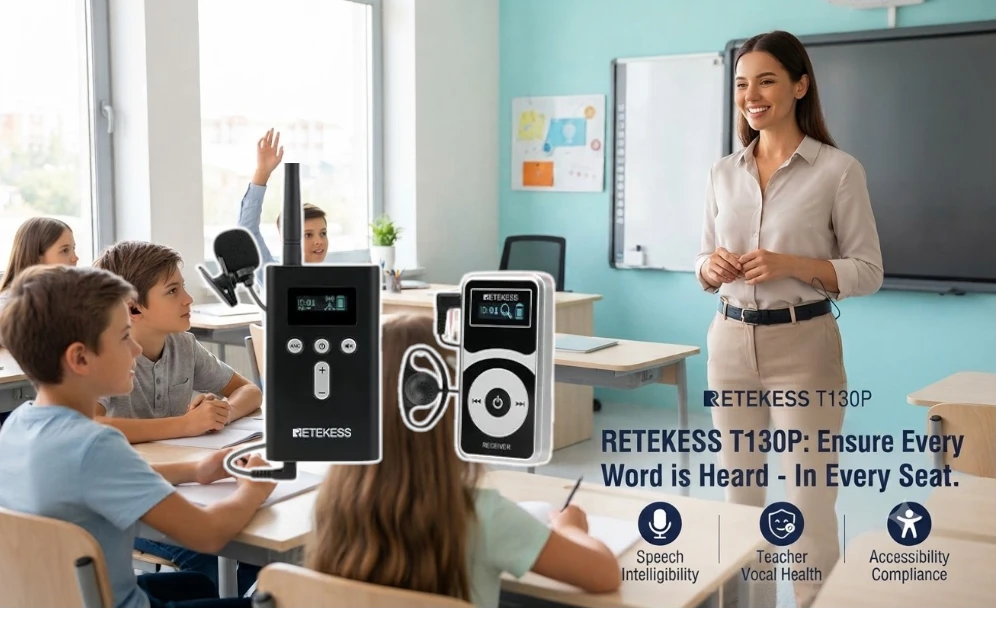
Classroom Voice Amplification System for Teachers: Why Your Voice Deserves Protection
- Retekess
- Jul 31, 2026
Did you know that 85.9% of teachers suffer from chronic pharyngitis (throat inflammation), making it the number one occupational health issue in education? Teachers spend hours each day projecting their voices over classroom noise, HVAC hum, and hallway distractions. The result is vocal fatigue, hoarseness, and in severe cases, vocal nodules that require medical intervention and time off work.
A classroom voice amplification system for teachers is the most effective solution. By wearing a lightweight wireless microphone that transmits to student receivers or a classroom speaker, teachers can speak at a normal conversational volume while ensuring every student hears clearly. This guide explores the health benefits, learning outcomes, and practical implementation of teacher voice amplification in 2026 classrooms.
The Hidden Crisis of Teacher Vocal Strain
The Statistics Are Alarming
Studies consistently show that educators face a significantly higher risk of voice-related problems than nearly any other profession. A survey of 956 teachers found chronic pharyngitis at an 85.9% prevalence rate. Voice disorders lead to an estimated $2.5 billion annually in economic costs in the US alone, including medical treatment, substitute teacher costs, and lost productivity.
Why Teachers Lose Their Voices
The core problem is the signal-to-noise ratio (SNR) in classrooms. Ambient noise from air conditioning, projectors, hallway traffic, and student movement typically registers at 50–65 dB. To be heard clearly, a teacher's voice needs to be 15 dB above this noise floor — roughly 65–80 dB of sustained vocal output. Maintaining this level for 6–7 hours per day places enormous strain on the vocal cords.
The Learning Impact
Without amplification, speech intelligibility drops dramatically with distance. In a typical unamplified classroom, front-row students understand approximately 90% of spoken words, middle-row students understand 55%, and back-row students understand only 36%. This means students in the back of the room are missing nearly two-thirds of instruction — not because they cannot hear, but because they cannot understand.
How Voice Amplification Systems Work
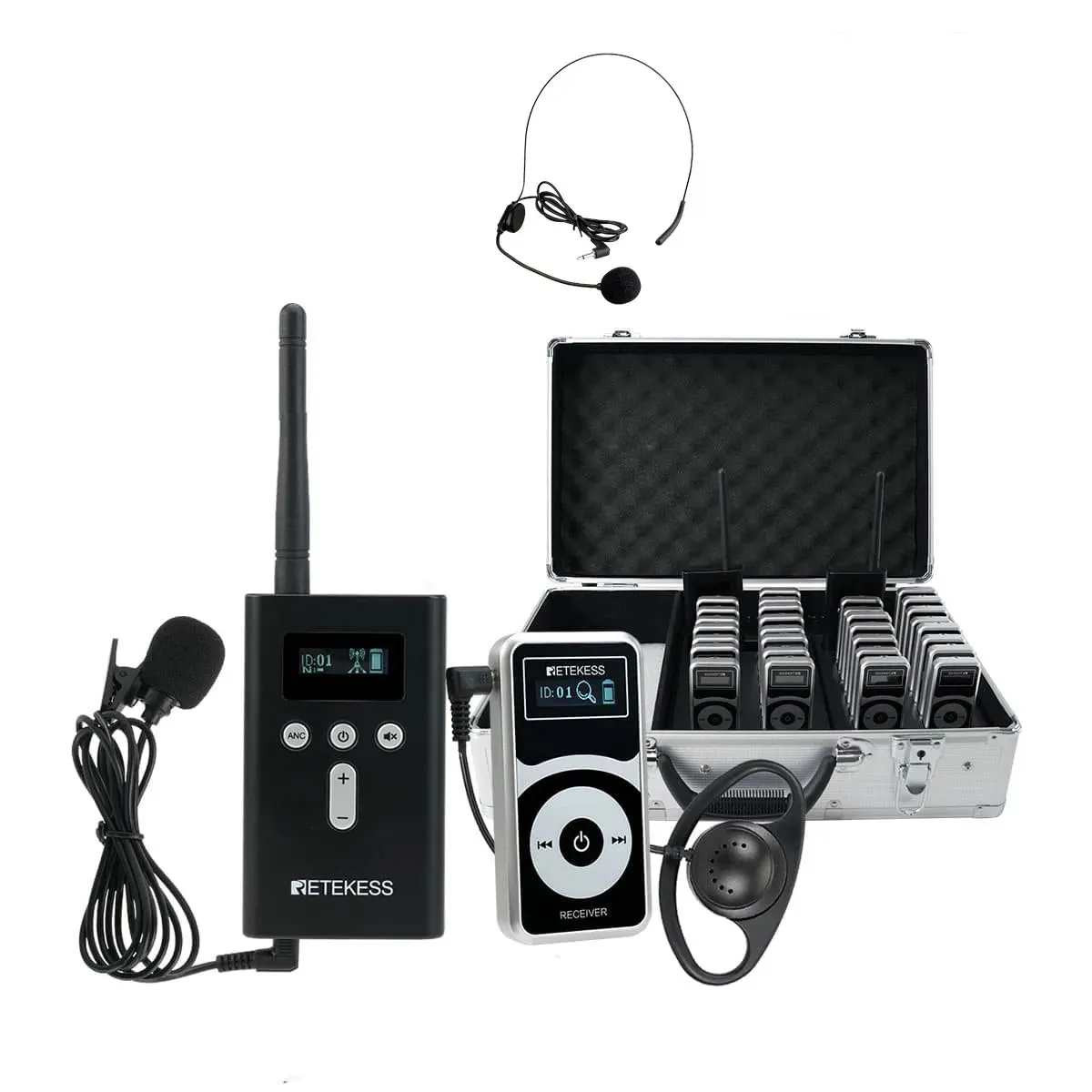
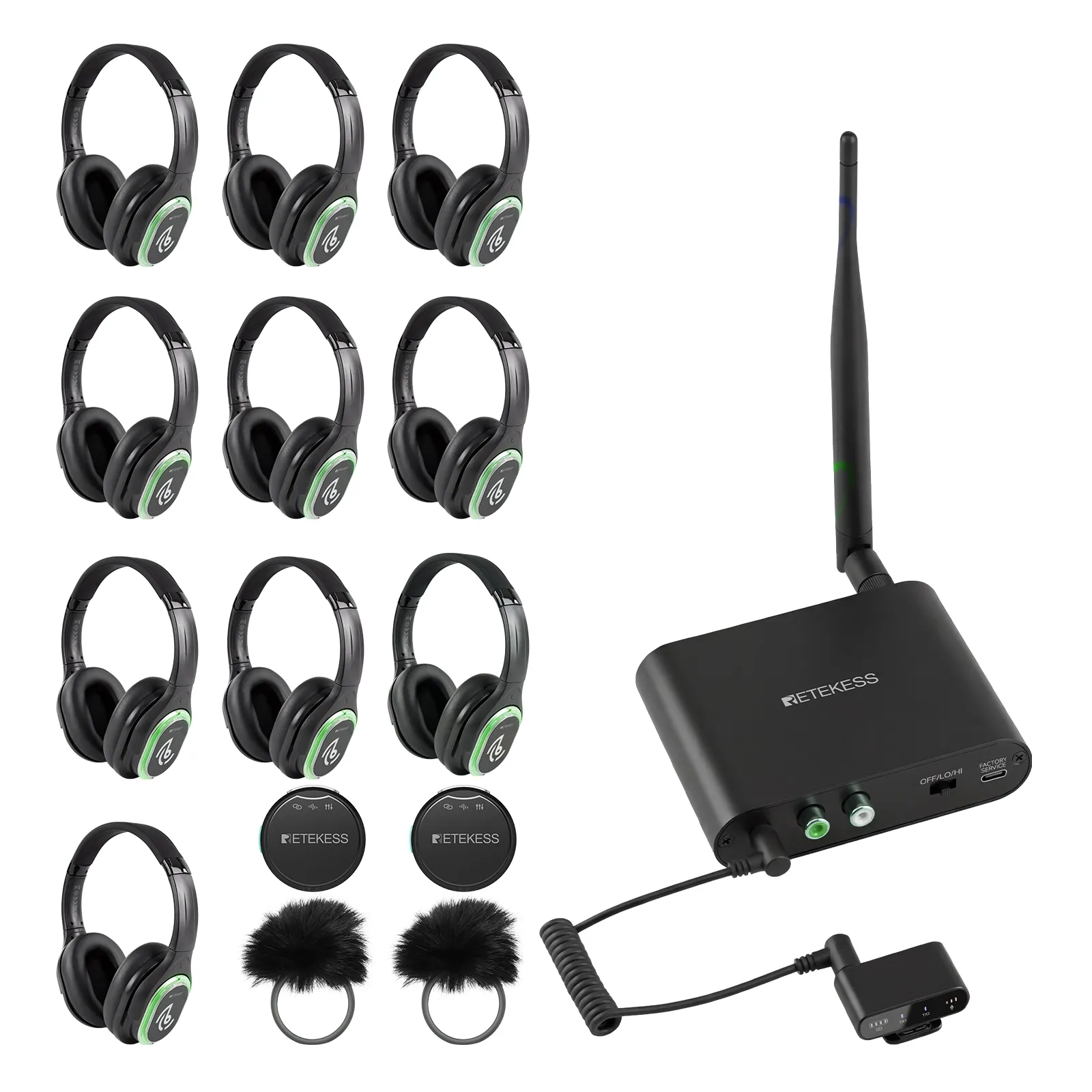
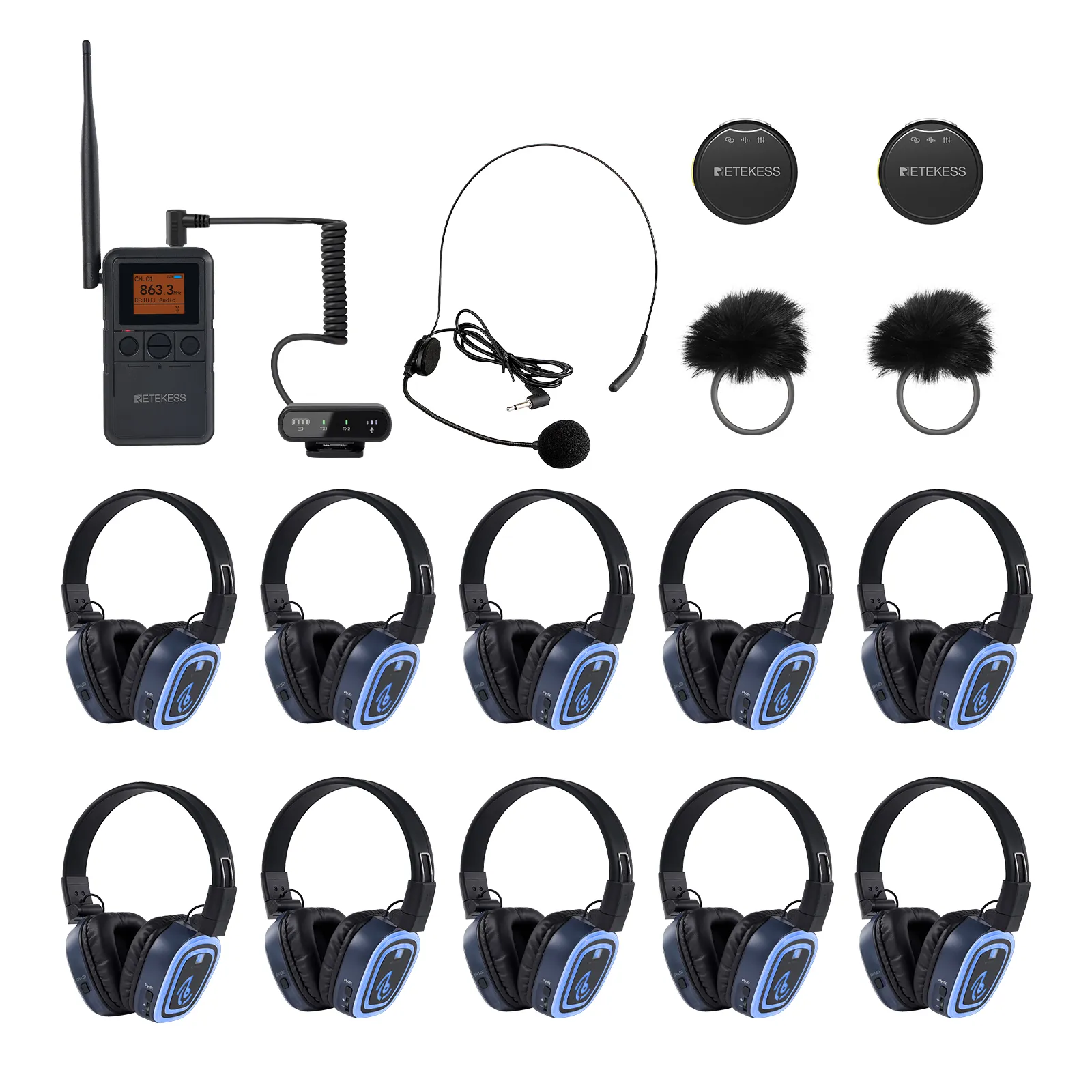
A teacher voice amplification system consists of three components:
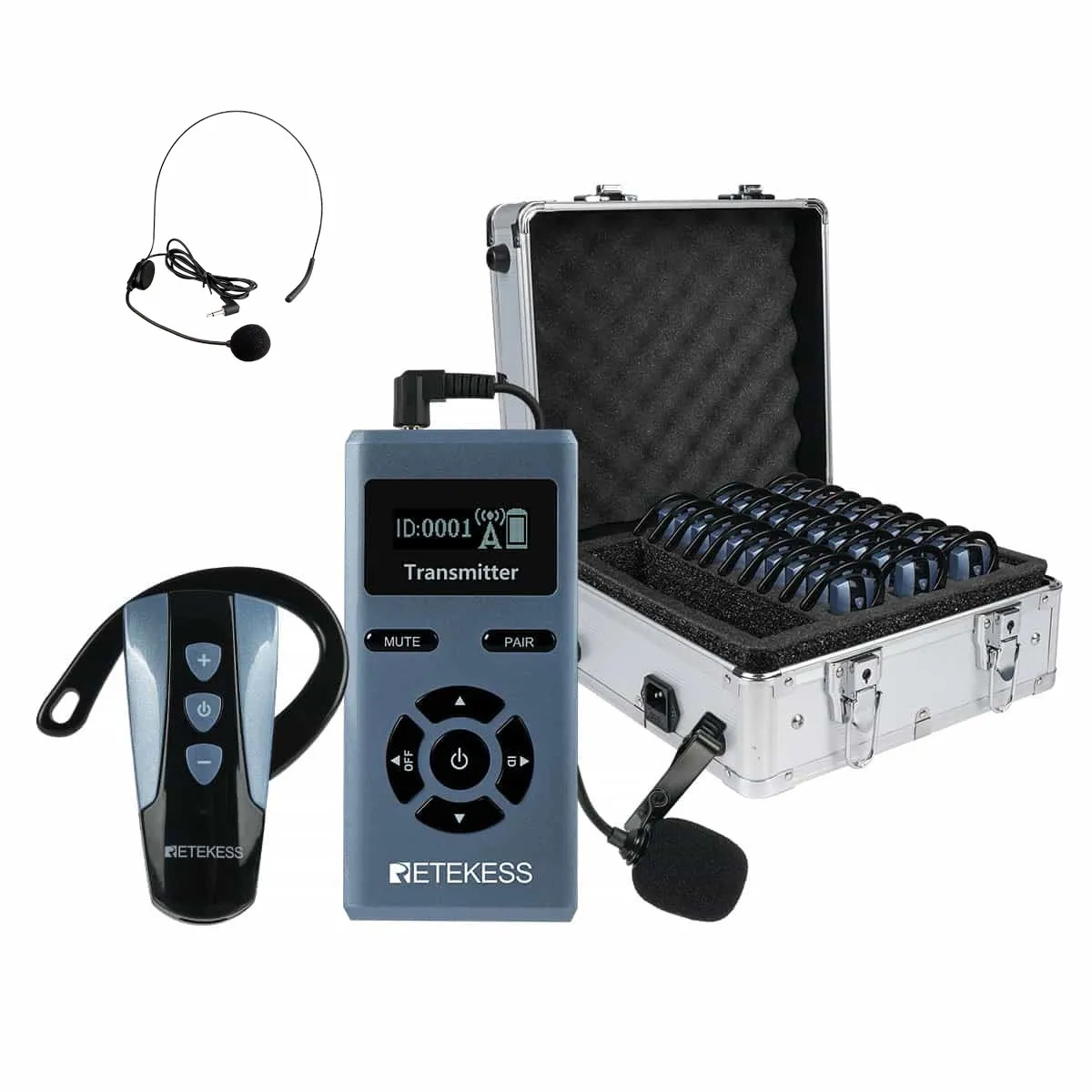
1. Transmitter with microphone: A small, lightweight device worn on a belt clip or lanyard, paired with a headset, lavalier, or wireless handheld microphone
2. Receivers: Earphones worn by students (for individual listening) OR connected to a classroom speaker system (for room-wide amplification)
3. Charging infrastructure: USB charging cables or multi-slot charging cases for fleet management
The teacher speaks at a normal volume. The transmitter captures the audio, applies digital noise reduction, and wirelessly transmits it to receivers. Every student — whether in the front row or the back corner — hears the teacher at the same clear volume.
Benefits Beyond Voice Protection
Improved student engagement: When students hear clearly, they stay on task longer and participate more actively
Reduced behavioral issues: Misbehavior often stems from students who cannot hear instructions and act out from frustration or boredom
Equity for ELL students: English Language Learners benefit enormously from clear, amplified speech — it reduces the cognitive load of decoding unfamiliar words
Better performance for students with auditory processing disorders: Many students who "hear" but cannot "understand" in noisy environments benefit from direct-to-ear audio delivery
Reduced teacher absenteeism: Fewer voice-related health issues mean fewer sick days and less spending on substitute teachers
Recommended: Retekess T130P for Teacher Voice Amplification
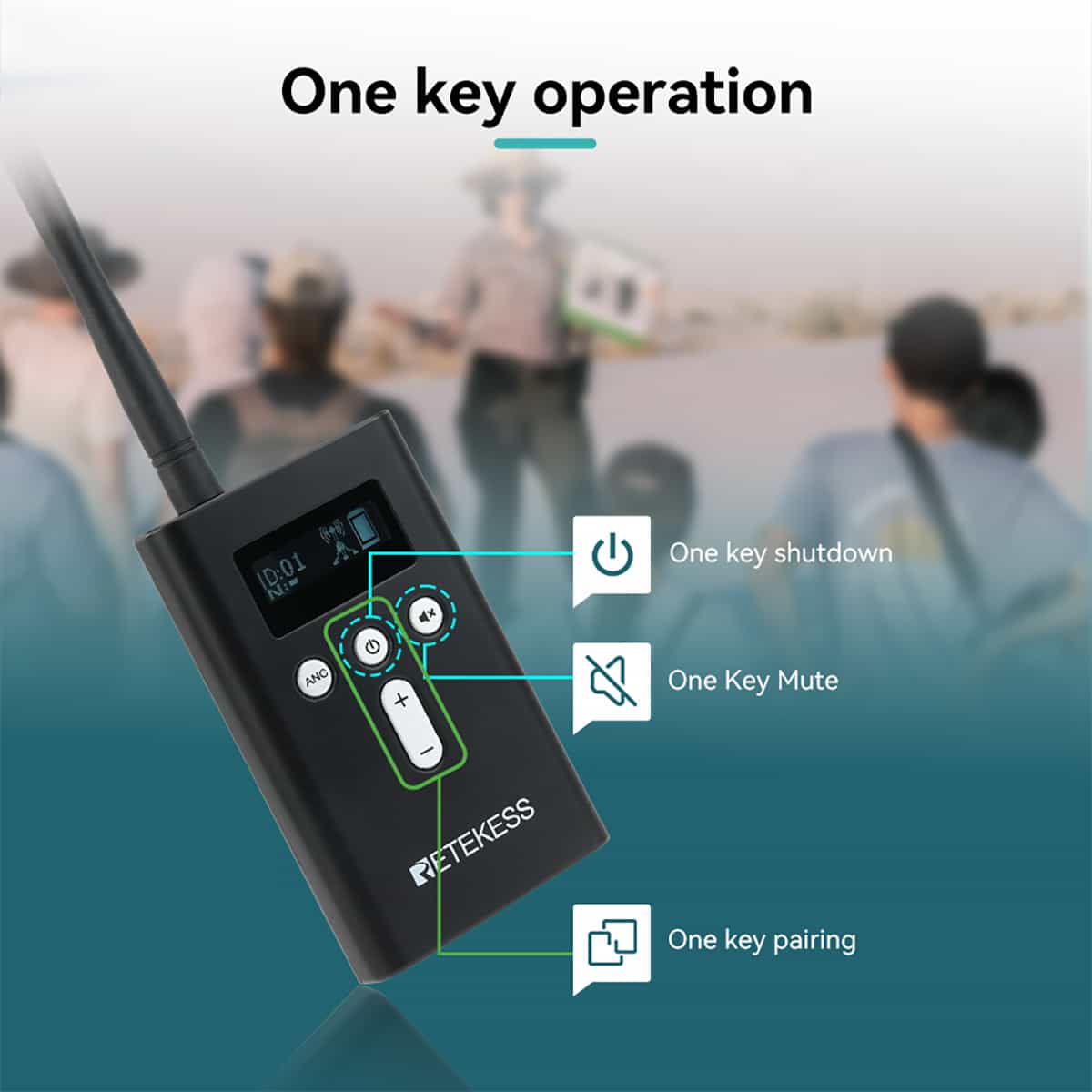
The Retekess T130P is an ideal classroom voice amplification system. Its DSP intelligent noise reduction technology filters out classroom background noise, ensuring the teacher's voice comes through with crystal clarity. The adjustable noise reduction level lets teachers customize the audio environment — more reduction for noisy classrooms, less for quiet study periods. The transmitter's 4200mAh battery delivers 20 hours of continuous use, easily covering a full school day plus after-school activities. Receivers last up to 36 hours on a single charge. The system supports both AUX and MIC inputs, allowing teachers to integrate multimedia audio alongside their voice. One-key operation means no technical training is required — turn it on, clip it on, and teach.
Implementation Tips for Schools
Start with pilot classrooms: Deploy in 2–3 classrooms first, gather teacher and student feedback, then expand
Choose the right microphone type: Headset microphones provide the best noise rejection; lavalier microphones are less conspicuous but pick up more ambient noise
Train teachers on mic technique: Position the microphone 2–3 inches from the corner of the mouth; speak at a normal volume — the system handles the rest
Establish a charging routine: Designate a charging station in each classroom; plug in devices at the end of each school day
Sanitize between uses: If using earphone-style receivers, wipe them with alcohol pads between class periods
People Also Ask
Q: Do voice amplification systems replace classroom speakers?
A: Not necessarily. Systems like the Retekess T130P can deliver audio directly to student earphones (ideal for noisy environments or individualized learning) or connect to existing classroom speaker systems via the AUX output. Both approaches work; the best choice depends on your classroom layout and teaching style.
Q: Will amplification make the classroom too loud?
A: No. The goal is not to increase volume but to improve intelligibility. DSP noise reduction technology ensures the teacher's voice is clear and comfortable, not painfully loud. Students control their own receiver volume, so each student sets a comfortable level.
Q: How much does a teacher voice amplification system cost?
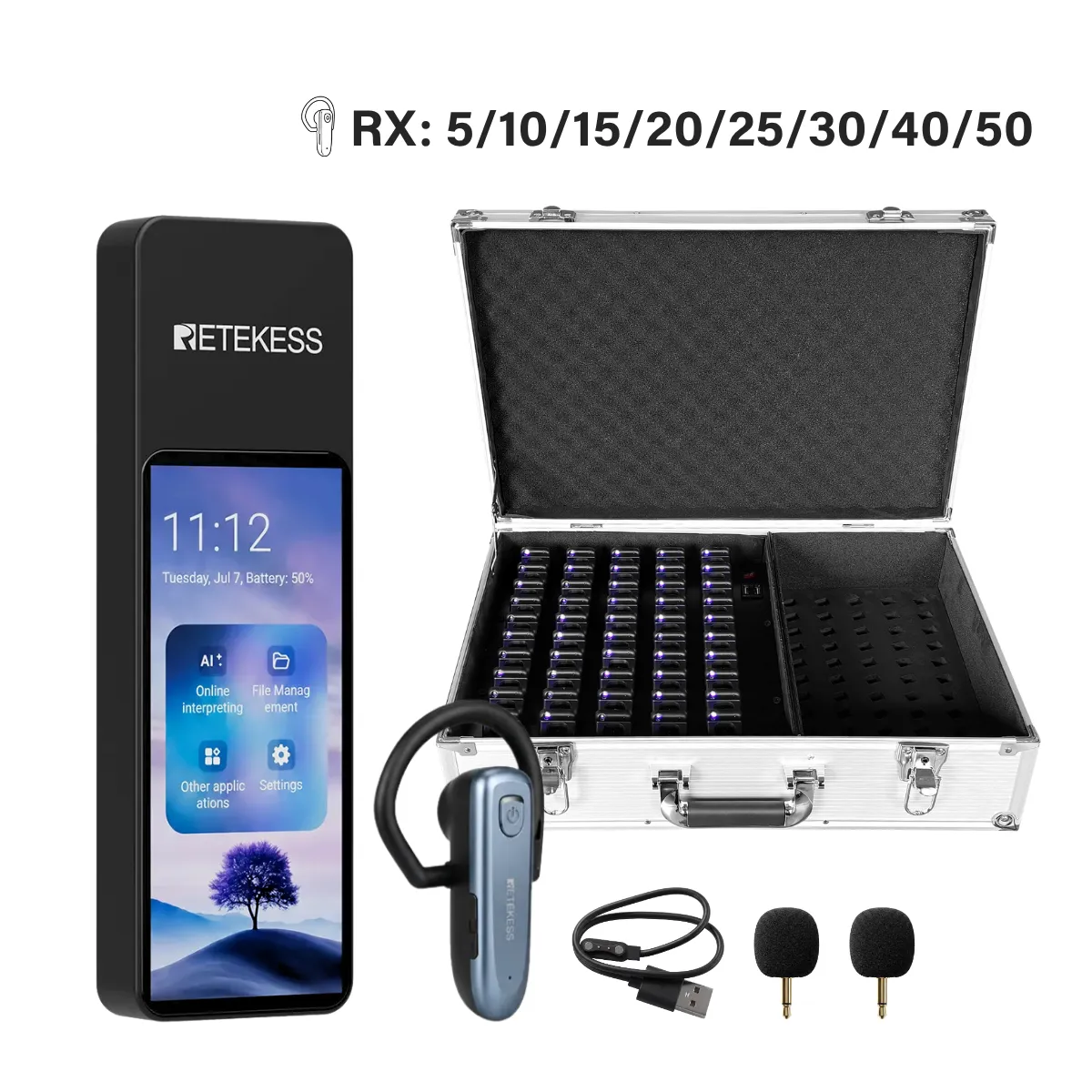
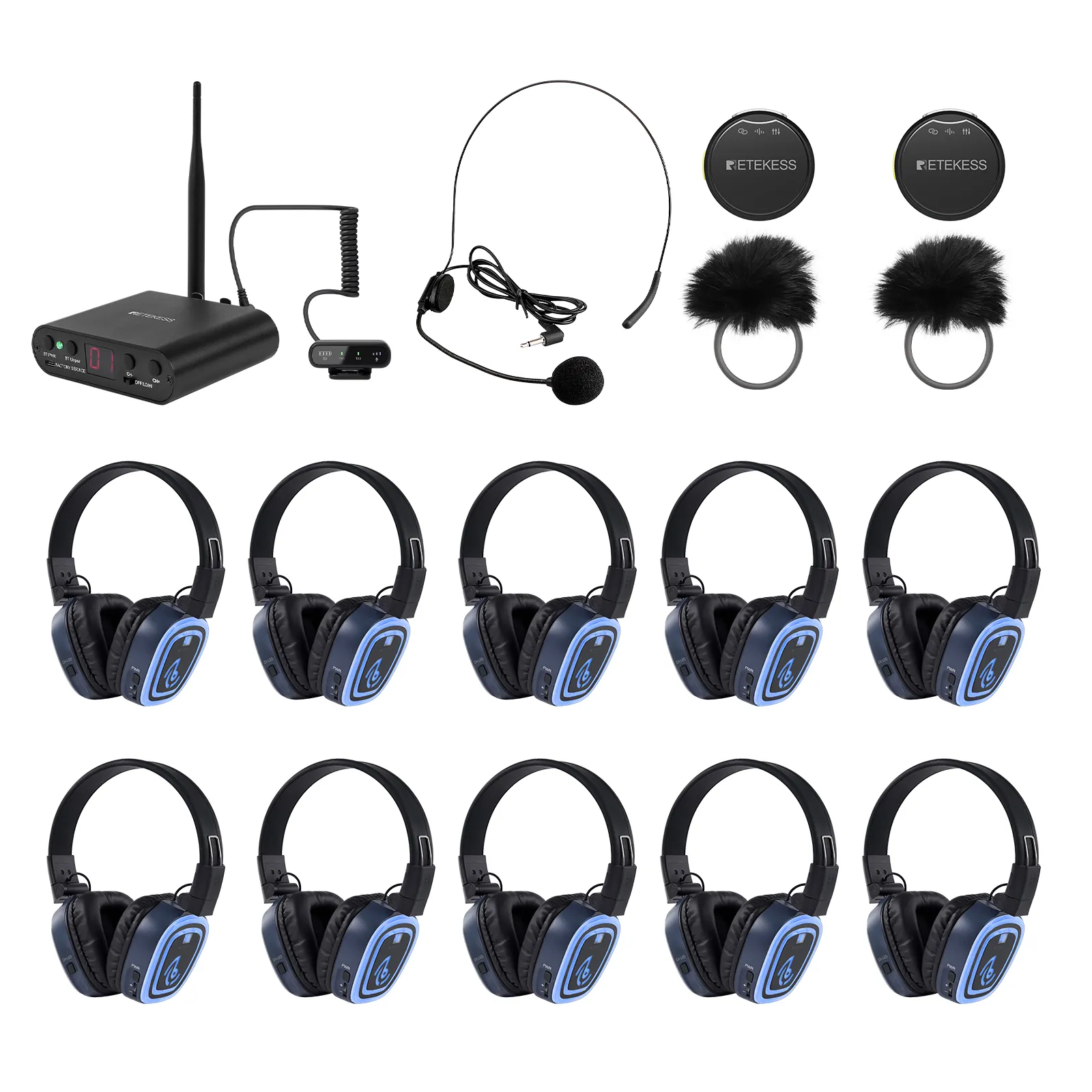
A: A complete Retekess T130P system (1 transmitter + 10 receivers) costs significantly less than installed ceiling-speaker systems, which typically run $1,500–$4,000 per room. Retekess offers scalable configurations from 1 transmitter + 5 receivers up to 2 transmitters + 30+ receivers.
Conclusion
Teacher voice strain is not a minor inconvenience — it is an occupational health crisis that affects teaching quality, student learning, and school budgets. A classroom voice amplification system is the simplest, most cost-effective intervention available. With the Retekess T130P, teachers get professional-grade DSP noise reduction, all-day battery life, and effortless operation at a price that fits school procurement budgets. As you plan your back-to-school technology purchases for 2026, make voice amplification a priority — your teachers (and their vocal cords) will thank you.
Leave a Reply



![[18th Anniversary] 18 Years of Echoing Excellence: Making Communication Easier, Connecting Trust Beyond Borders](https://res.retekess.com/z_file/20260716/retekess-brand-story-making-communication-easier_20260716151044_7682.jpg)
![[18 Years in Wireless Communication] Silent Disco Systems Anniversary Celebration: Top-Selling Headphones & Event Mechanics Revealed!](https://res.retekess.com/z_file/20260713/18-years-in-wireless-communication-silent-disco-systems-anniversary-celebration_20260713175011_5749.webp)
![[Anniversary Carnival] Ding-dong! 18th Anniversary Mega Sale on Guest Paging & Calling Systems: Full Reveal of 12+ Products & Promo Rules!](https://res.retekess.com/z_file/20260713/18th-anniversary-mega-sale-on-guest-paging-calling-systems_20260713175257_0295.webp)
![[Retekess 18th Anniversary Teaser] Tour Guide System Exclusive Perks: Sneak Peek at Event Dates & Mechanics!](https://res.retekess.com/z_file/20260713/retekess-18th-anniversary-tour-guide-system-exclusive-perks--2-_20260713180135_6435.webp)
Follow Us
Pay With


 Google
 Amazon
Comments (0)