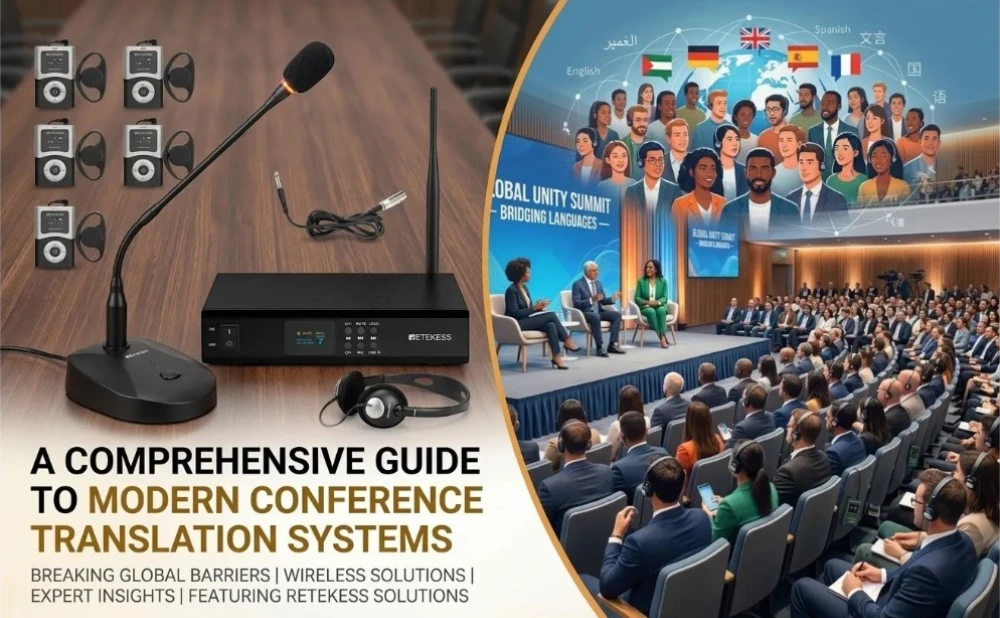
In today’s interconnected global economy, international conferences, multinational corporate meetings, and cross-border academic summits are commonplace. However, bringing together attendees from diverse linguistic backgrounds introduces a significant challenge: the language barrier.
To foster truly inclusive dialogue and ensure that every participant can engage seamlessly, event organizers rely heavily on conference translation systems.
A conference translation system (frequently referred to as an interpretation or simultaneous interpretation system) is a specialized audio setup designed to facilitate real-time language translation during live events.
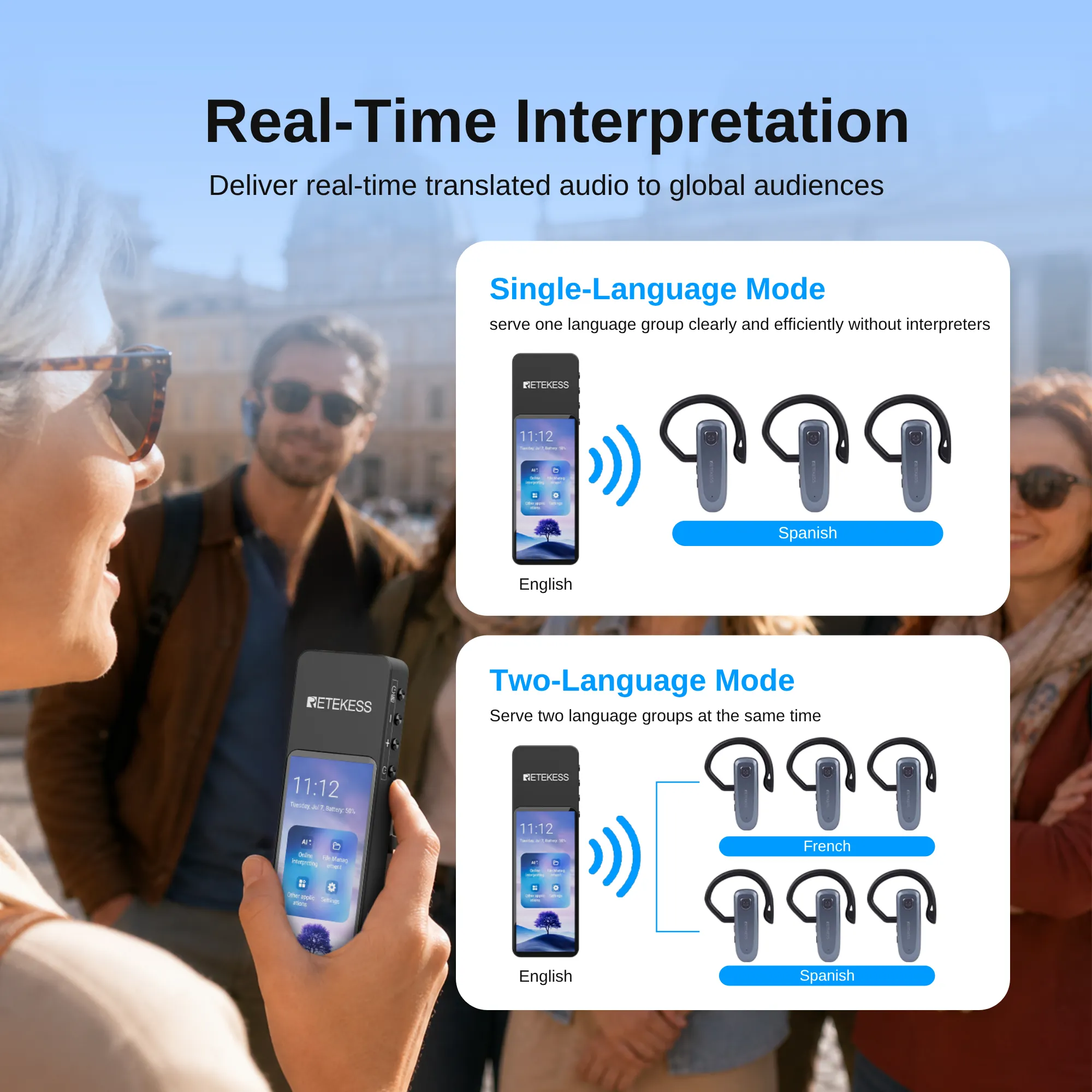
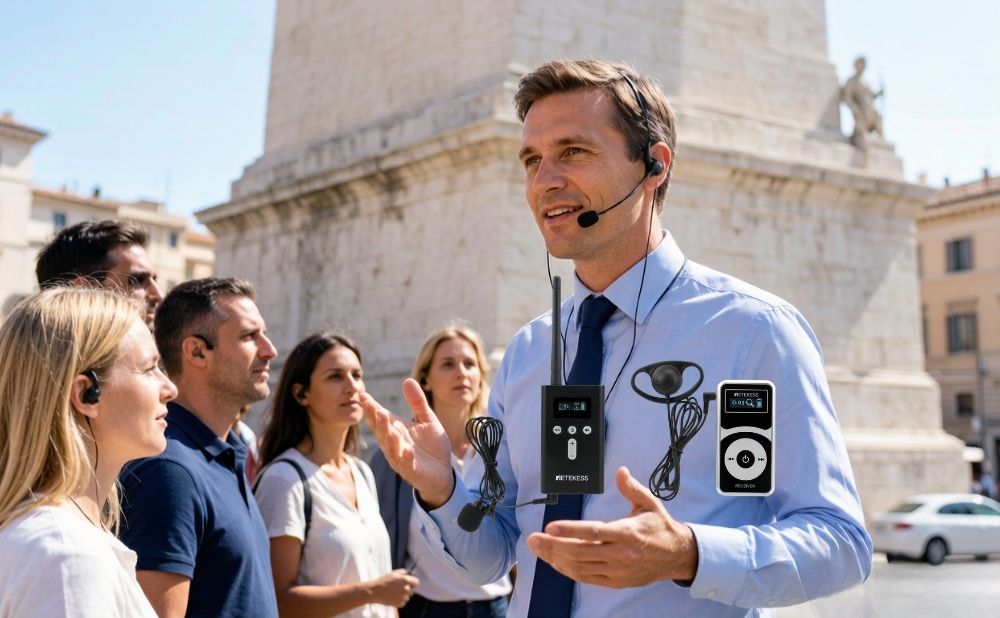
Unlike everyday sound reinforcement systems, these setups allow professional interpreters to translate a speaker’s words instantly, transmitting the target languages discretely to attendees equipped with personal receivers.
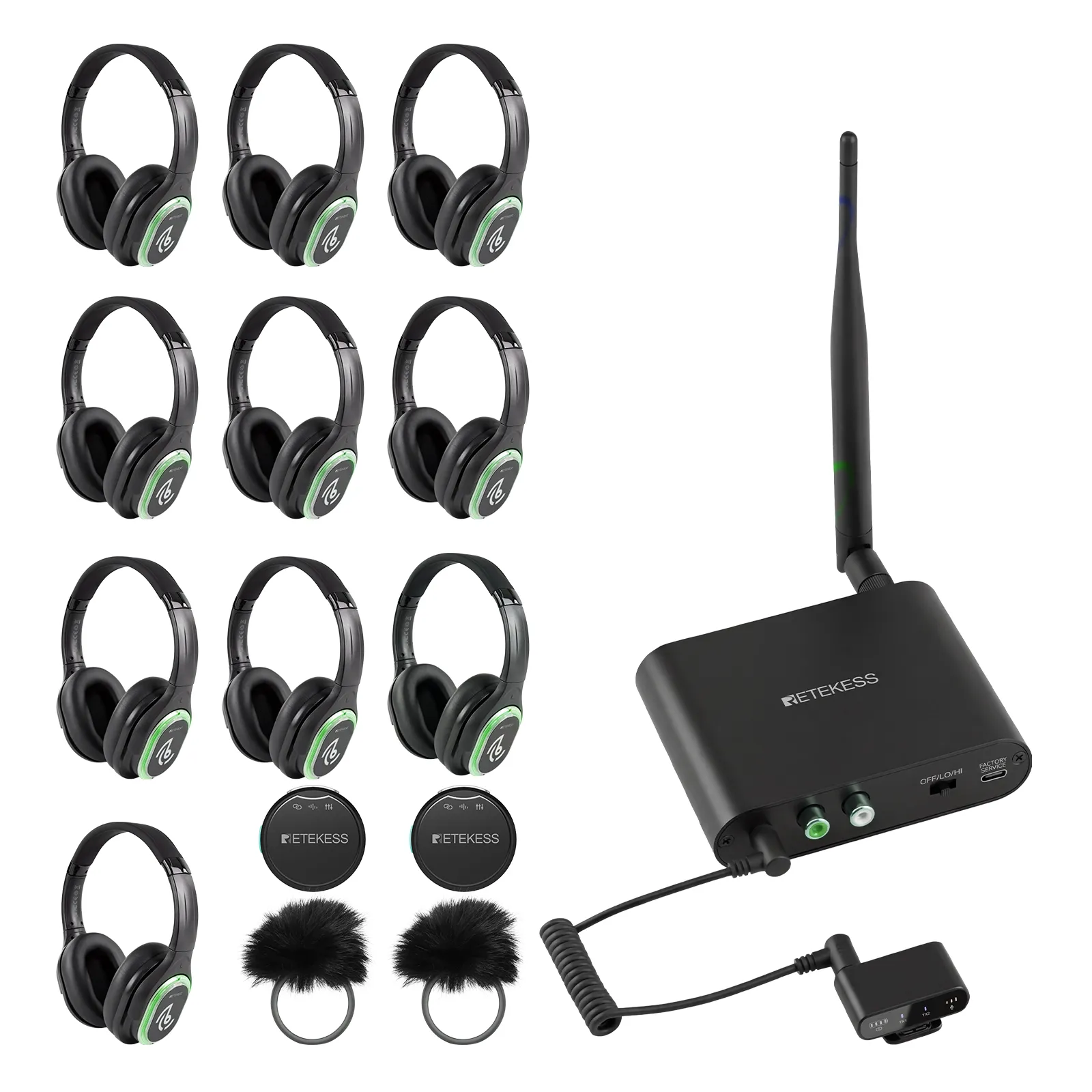
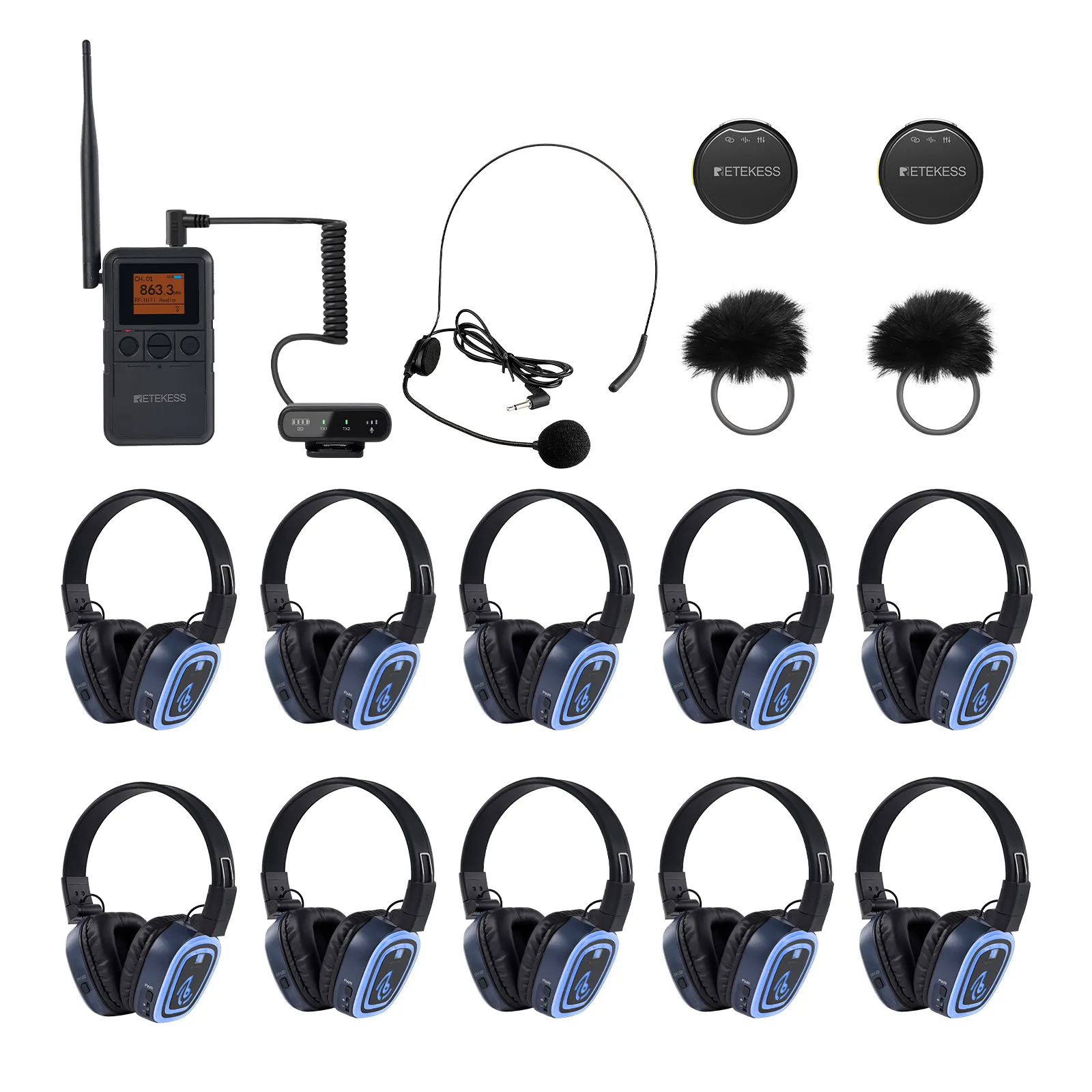
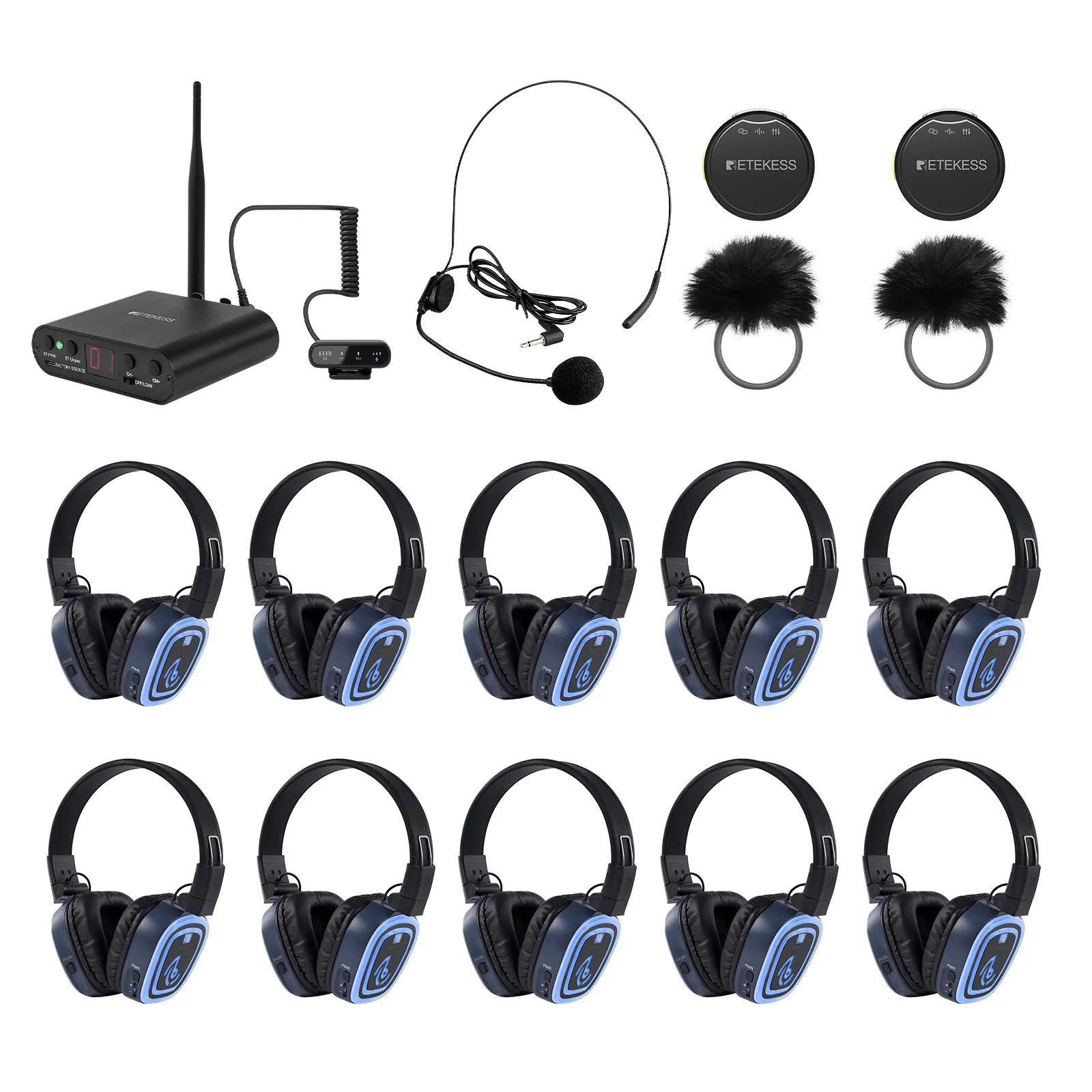
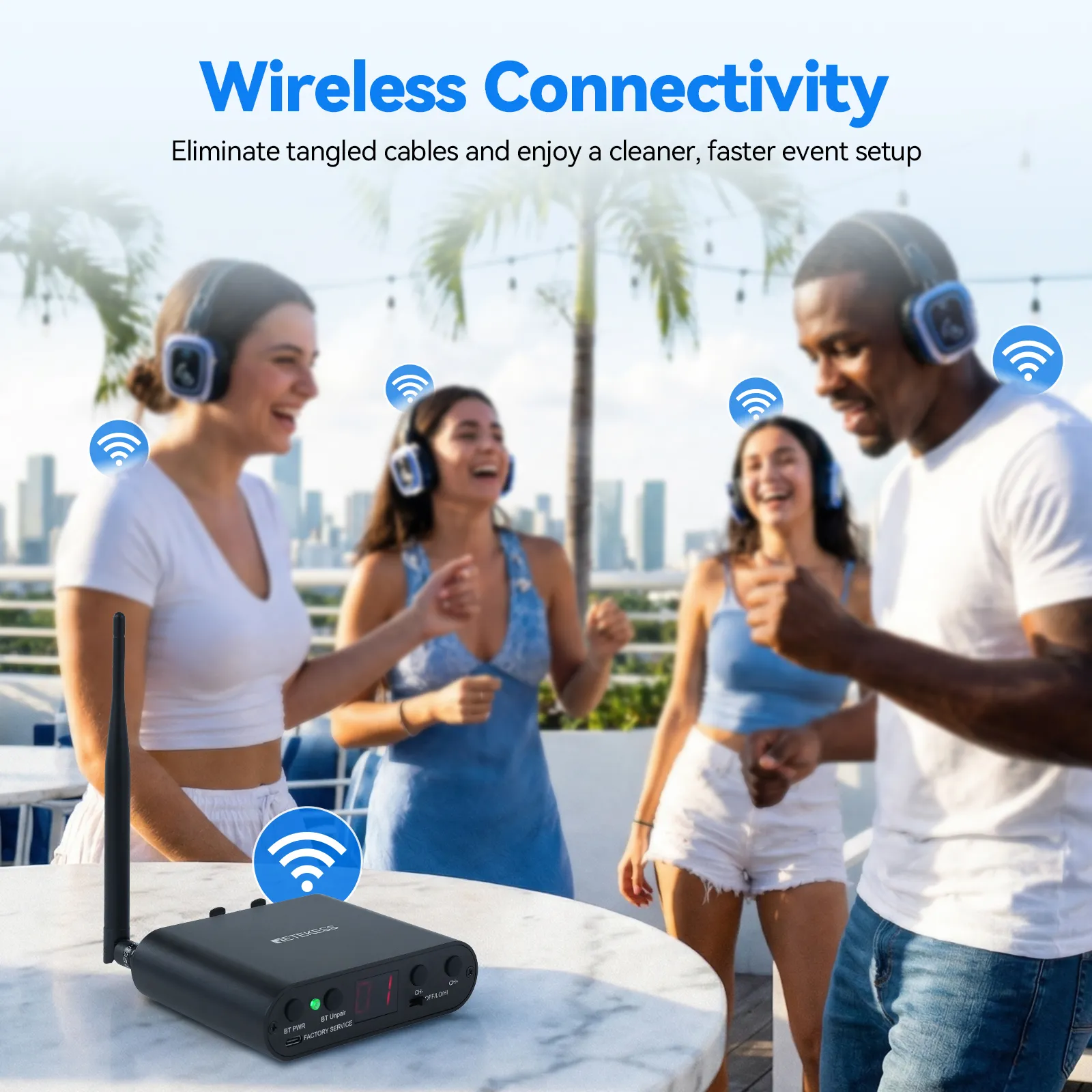
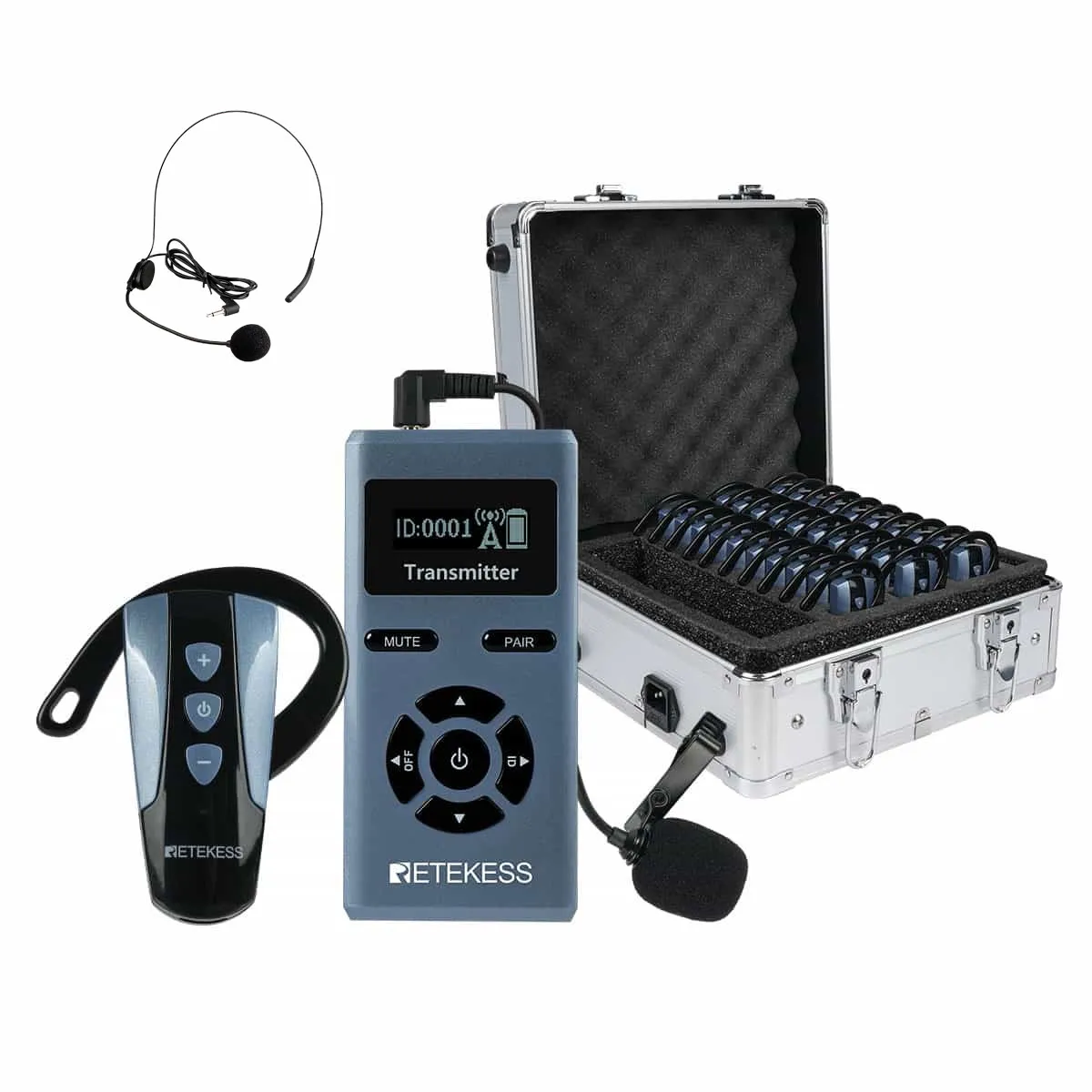
Transmitters:
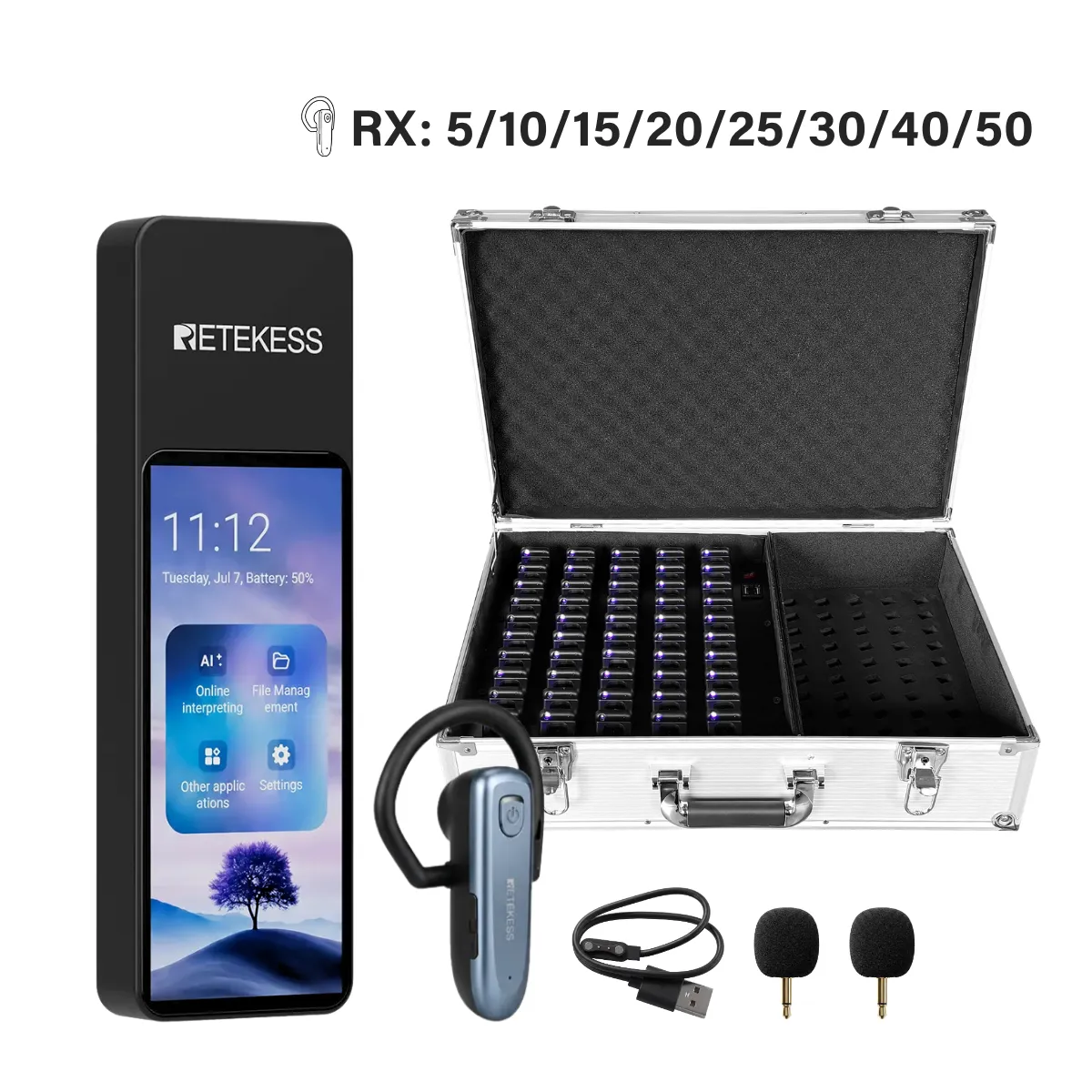
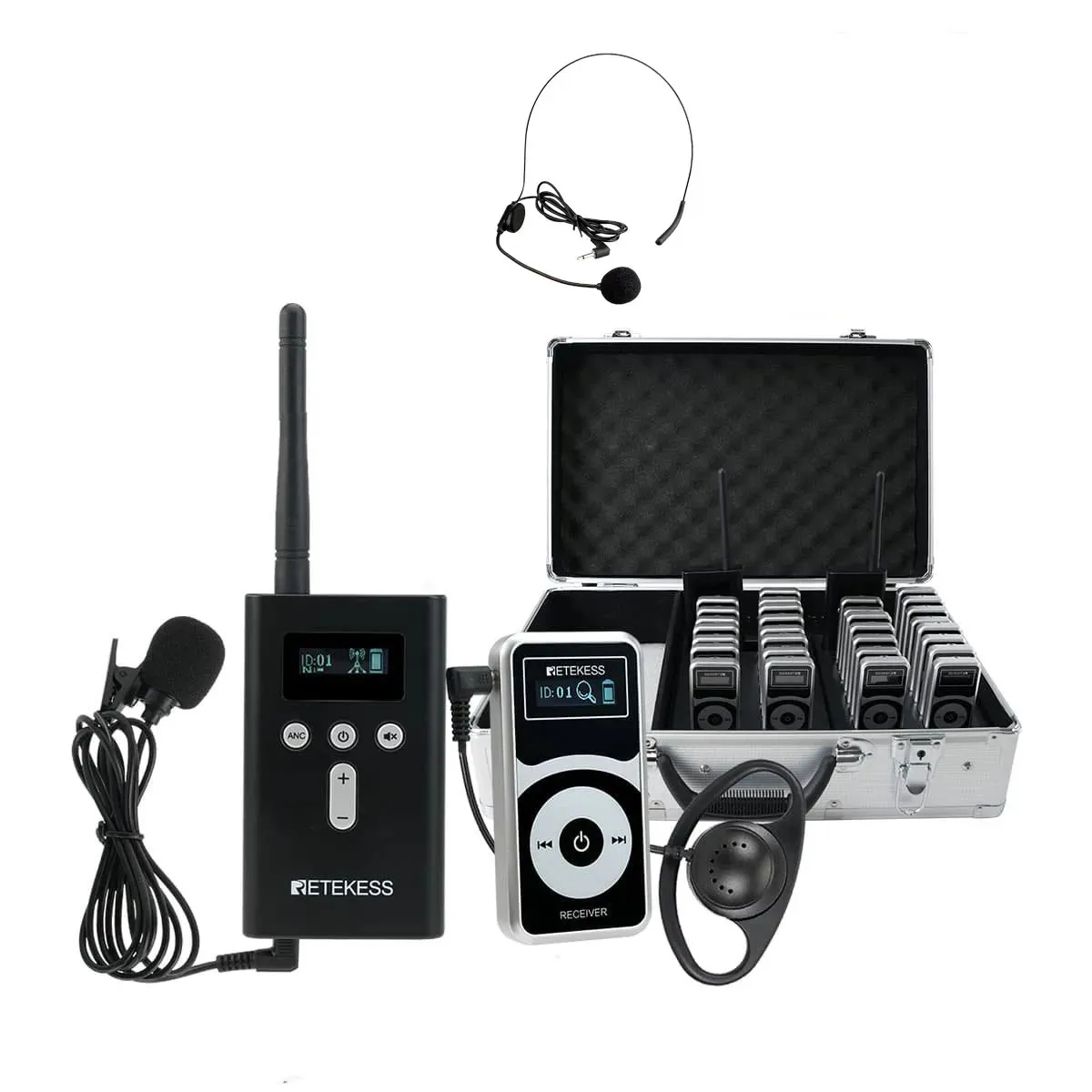
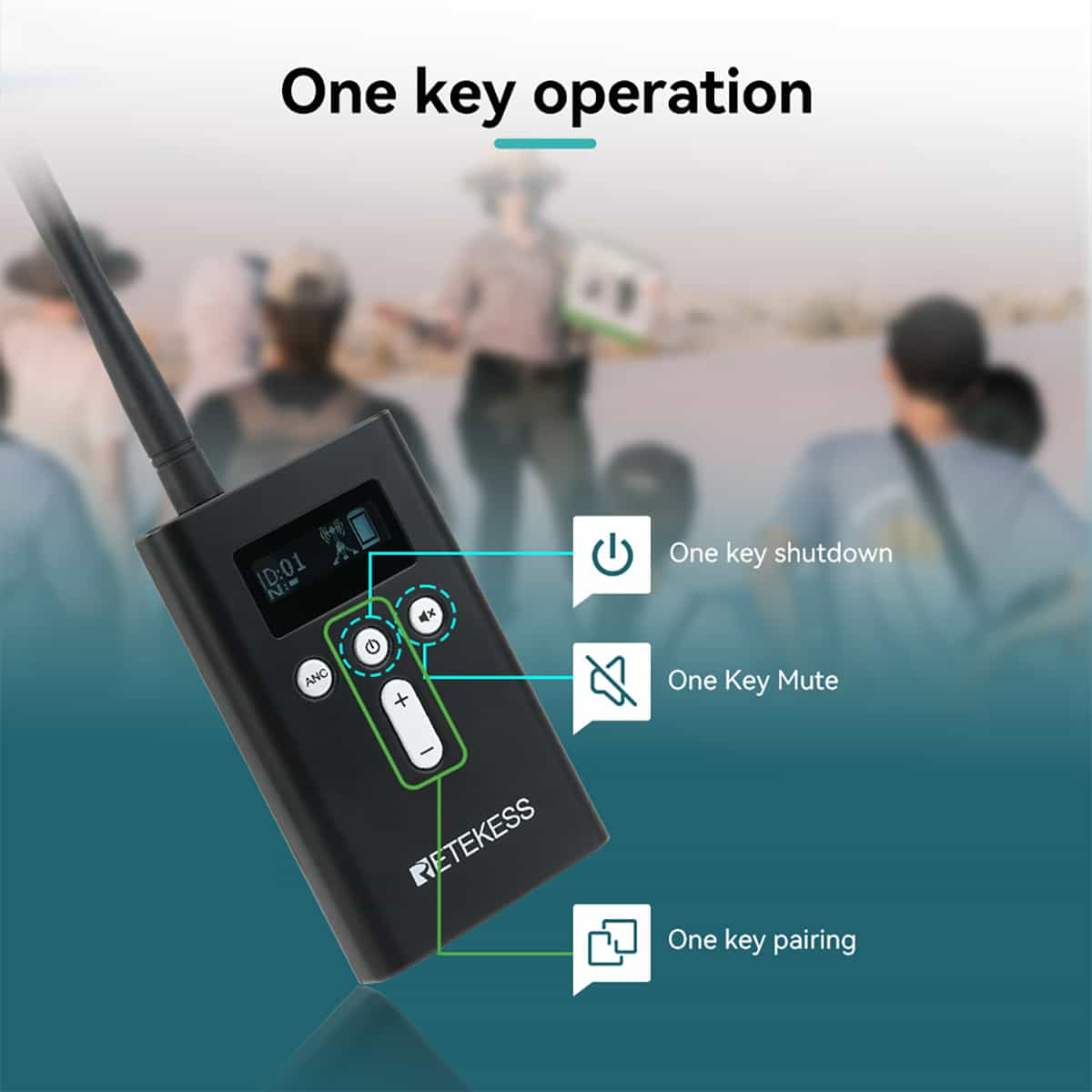
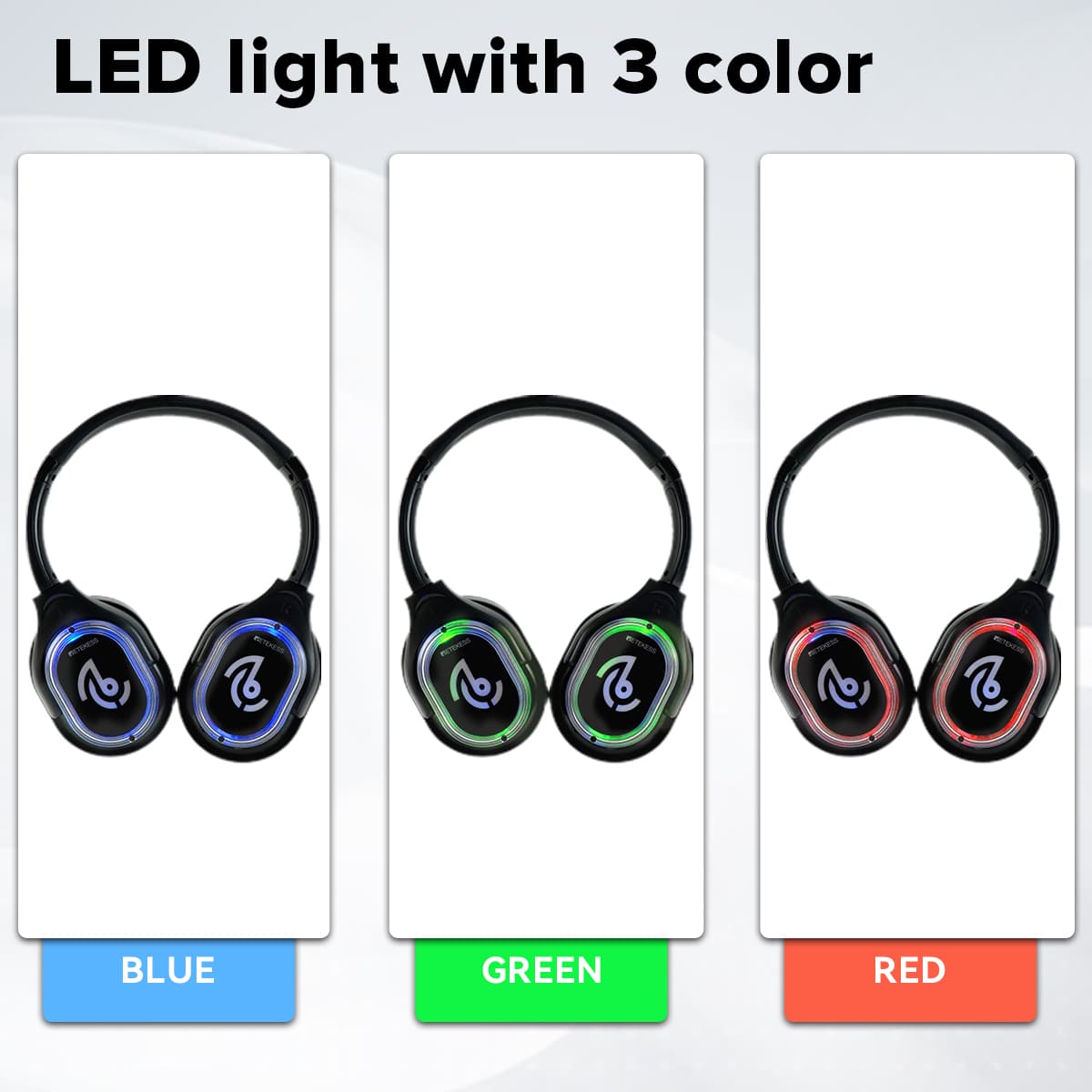
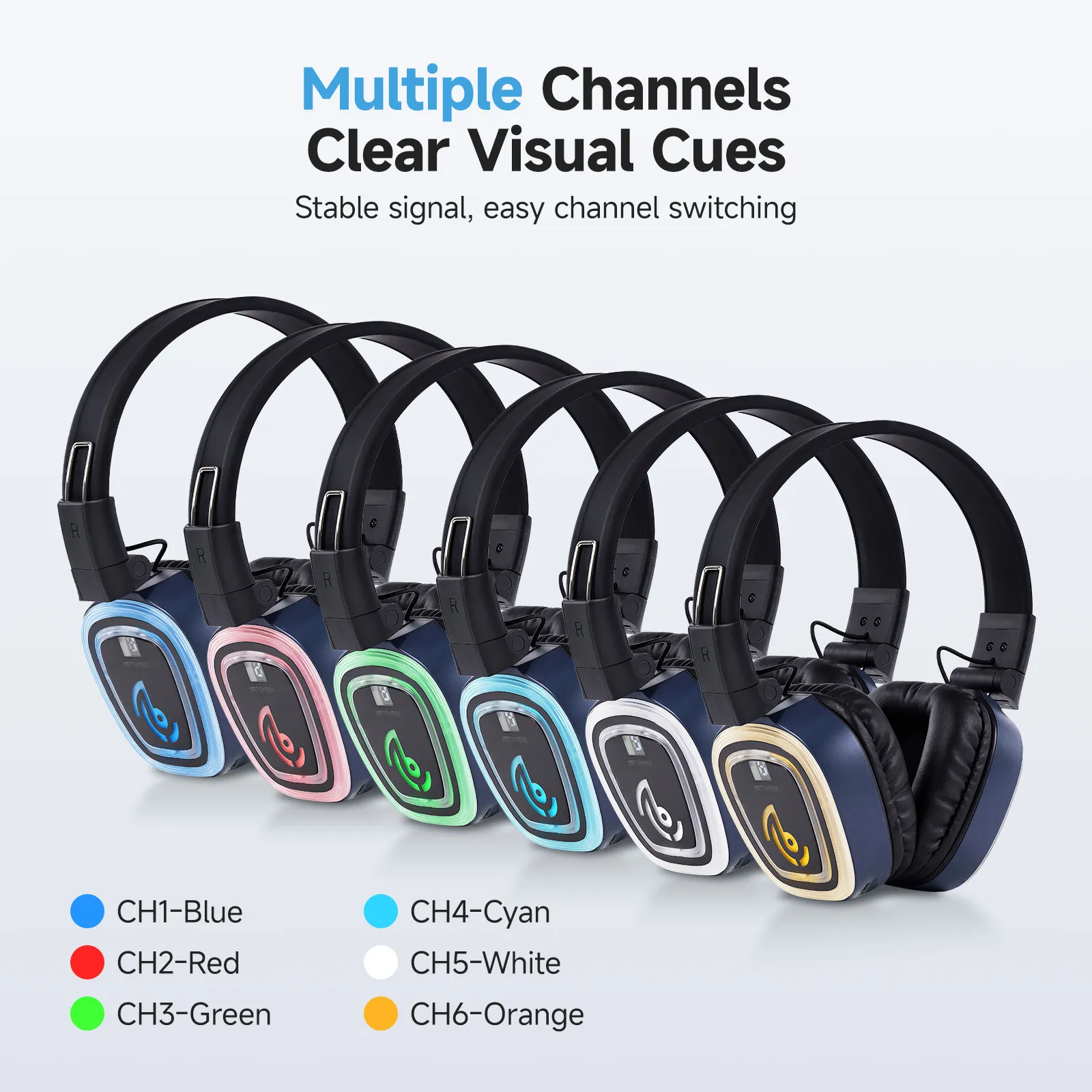
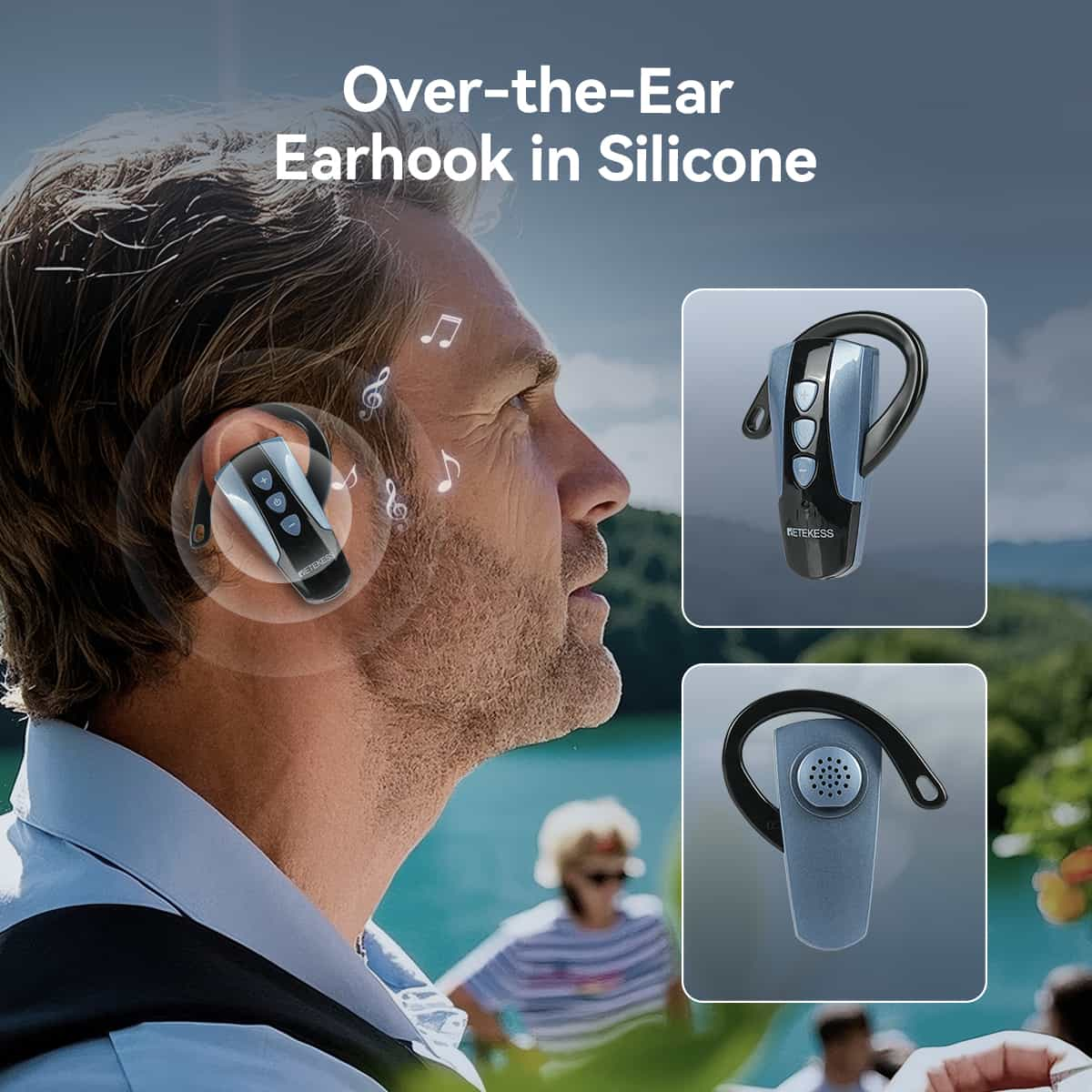
Receivers & Headsets: Lightweight devices worn by attendees, allowing them to tune into their native or preferred language channel.
Interpreter Microphones & Consoles:
Sound Management/Control Units: Centralized hubs or desktop consoles that manage audio routing, channel switching, and volume levels.
Depending on the scale, format, and budget of your event, interpretation typically falls into three main categories:
Simultaneous Interpretation: The gold standard for large conferences.
Consecutive Interpretation:
Remote Simultaneous Interpretation (RSI):
Selecting the right hardware can make or break a multilingual event.
For Portable & Mid-Sized Events (e.g., TT117 / TT118 Systems):
Compact FM-based systems are ideal for corporate seminars, regional workshops, or houses of worship. They offer multi-channel support (e.g., 6 to 17 channels), allowing multiple languages to be broadcast simultaneously.
For Large-Scale Conferences & Fixed Venues (e.g., TT119 T130T Desktop Translation Systems & UHF Series):
High-performance desktop transmitters paired with extensive receiver pools provide robust coverage (spanning up to 120m to 250m).
To guarantee a frictionless multilingual experience, event organizers and AV technicians should follow these strategic steps:
Conduct a Thorough Needs Assessment:
Optimize Channel Management: Ensure proper frequency allocation to prevent signal overlap or interference, especially when running multiple systems concurrently in adjacent rooms.
Invest in Quality Testing: Always run a full rehearsal.
Prioritize User-Friendly Design:
A well-executed conference translation system does more than just translate words—it bridges cultural gaps, ensures equal participation, and elevates the professional standard of any international event.






 Google
 Amazon