
Table of Contents
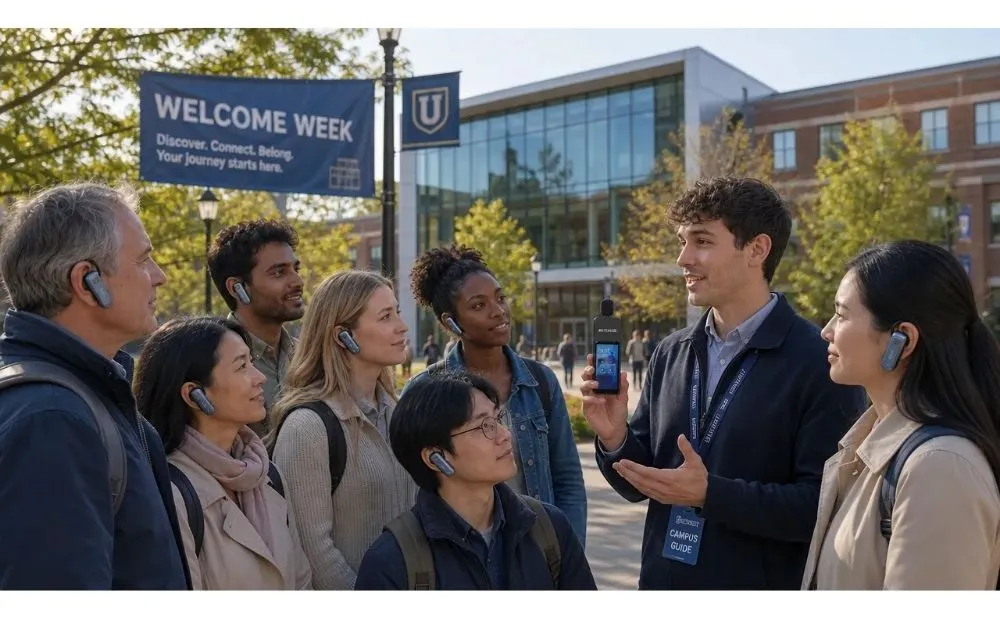
How AI Translation Helps Universities Create Multilingual Campus Tours
- Retekess
- Aug 7, 2026
August and September are busy months for North American universities. Welcome Week, orientation programs, and campus tours bring new students, parents, and staff to campus. More and more of these families come from other countries. As a result, many parents do not speak English well enough to follow every part of a campus tour.
That creates a simple but important problem. A campus tour should help families understand the school, the campus, and student life. But if the tour is only in English, some parents may miss key details. They may not fully understand housing, safety rules, student services, or academic support. This can leave them with questions and lower confidence in the school.
That is why AI translation is becoming more useful for campus tour translation. It helps universities offer a more inclusive experience during multicultural Welcome Week. Instead of asking families to depend on one language, AI translation helps more people follow the tour in real time.
Why International Parents Struggle During Traditional Campus Tours
The main problem for international parents is not lack of interest. It is access. They want to understand the tour, ask questions, and feel confident about the school. But if the tour is delivered only in English, the message may not arrive clearly.
Many parents can understand some English, but not enough to catch every detail during a fast-moving tour. A guide may speak clearly and use simple words, but the family can still miss key points. That is especially true when the tour covers practical information such as:
- Residence halls and housing rules
- Campus safety and emergency procedures
- Dining services and meal plans
- Student support offices
- Academic resources and tutoring
- Health and wellness services
These are not minor details. They are exactly the kinds of things parents care about most. When families cannot fully understand them, they may leave with questions unanswered.
There is also an emotional side to this issue. Parents are not just walking around campus as visitors. They are trying to answer a much bigger question: Will my child be safe, supported, and successful here? If they cannot follow the campus tour clearly, their trust in the university may not grow as much as it should.
Common Problems During English-Only Campus Tours
|
Issue |
Result |
|
Parents cannot follow every explanation |
Important information is missed |
|
Questions are hard to ask in English |
Families stay silent even when confused |
|
Students must translate for parents |
The student becomes the interpreter |
|
Staff must slow down or repeat information |
The tour becomes less smooth |
|
Families leave with uncertainty |
Trust and confidence are reduced |
This is why campus tour translation matters. It is not just about convenience. It is about making sure the families who visit campus can truly understand what they are seeing and hearing.
Why Universities Need Multilingual Communication During Campus Events
The problem is not limited to international parents. University teams also feel the pressure.
Admissions staff and orientation teams often run events for many families at once. In one session, they may have parents who speak English, Chinese, Spanish, Korean, or other languages. In a normal campus tour, that becomes hard to manage. The guide may need to repeat the same explanation several times. The event may slow down. The message may become inconsistent. And the staff may spend more time managing language issues than welcoming families.
Universities care about three things in these moments:
- Student experience
- International reputation
- Operational efficiency
If the tour feels confusing or fragmented, it affects all three. Families may leave feeling less welcome. The university may appear less prepared for international enrollment. And staff may struggle to deliver a smooth event flow.
In other words, English-only tours are not just a communication problem. They are also a Welcome Week operations problem.
How Real-Time AI Translation Improves Campus Tours
Real-time AI translation changes the model of the campus tour itself.
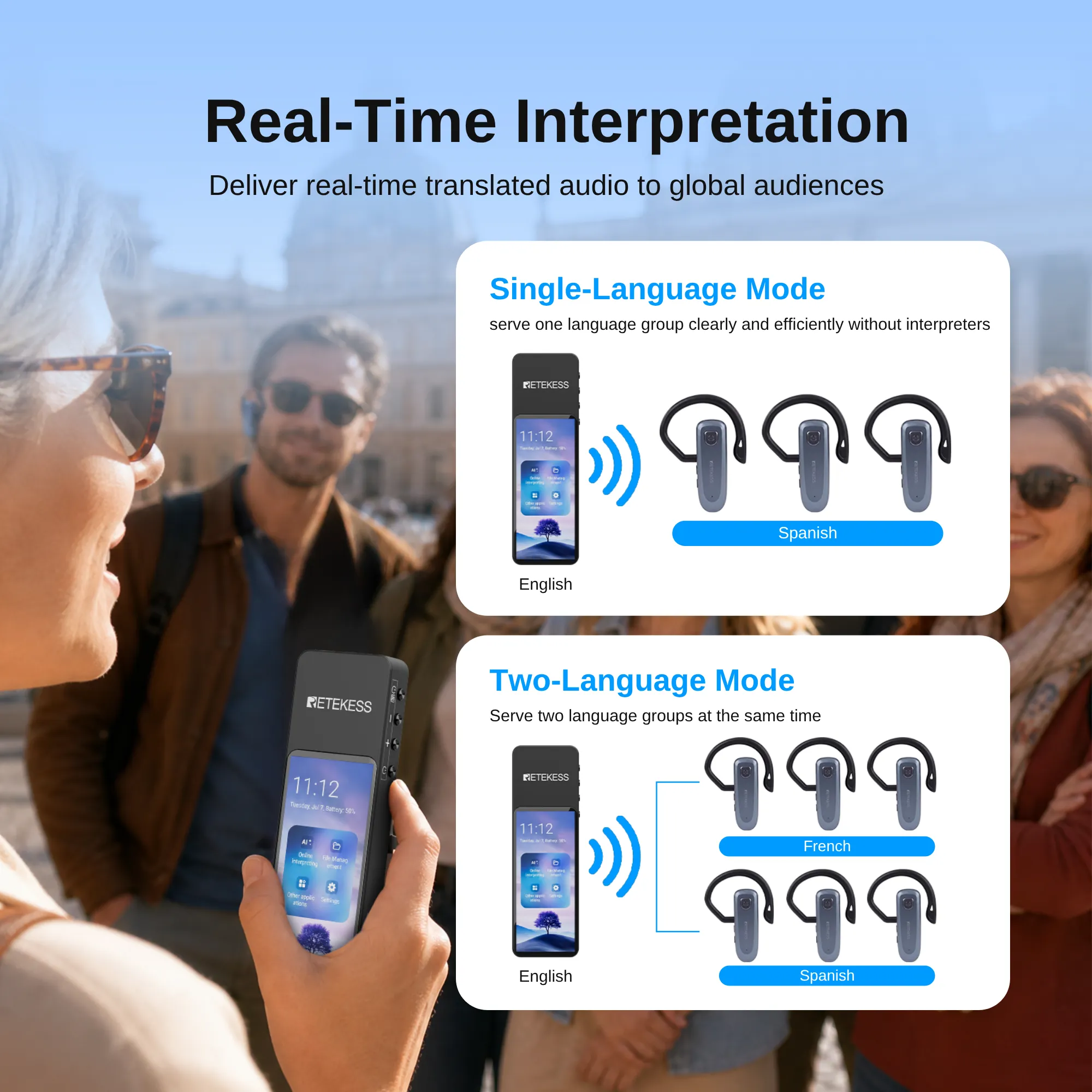
Instead of one guide speaking to one language group, one guide can now support multiple language audiences at the same time. That means families can hear the tour in their own language while still being part of the same event.
This is a major improvement for university communication. It allows:
- Parents to follow explanations instantly
- Students to participate without translating everything
- Staff to deliver one consistent message
- Larger groups to move through the tour more smoothly
The biggest advantage is not just speed. It is inclusion. When parents can understand the tour in real time, they do not feel left behind. They can focus on the campus itself instead of struggling to decode the language.
Traditional Tour vs. AI Translation Tour
|
Feature |
Traditional Campus Tour |
Multilingual Campus Tour |
|
Language access |
Primarily one language |
Multiple languages supported |
|
Parent understanding |
Depends on language ability |
More families can participate |
|
Staff workload |
Repeated explanations |
One message reaches more families |
|
Family experience |
Can feel exclusive |
More welcoming and inclusive |
This is why AI translation for universities is becoming more relevant. It helps solve a real problem in a way that fits the pace of Welcome Week.
Where AI Translation Fits In Welcome Week
AI translation is useful in more than just campus tours. It can support several parts of Welcome Week.
Campus Tours
Campus tours often include dorms, classrooms, libraries, dining halls, and student centers. These places are easy to show, but not always easy to explain in a second language. AI translation helps families follow along more easily.
Parent Orientation Sessions
Many universities also hold parent sessions during Welcome Week. These sessions may cover safety, campus rules, student support, and daily life on campus. These are important topics, but they can be hard to understand in English only.
International Family Events
Some schools also host welcome events for international families. These events work better when families can communicate in their own language. AI translation makes it easier for them to listen, ask questions, and take part in the event.
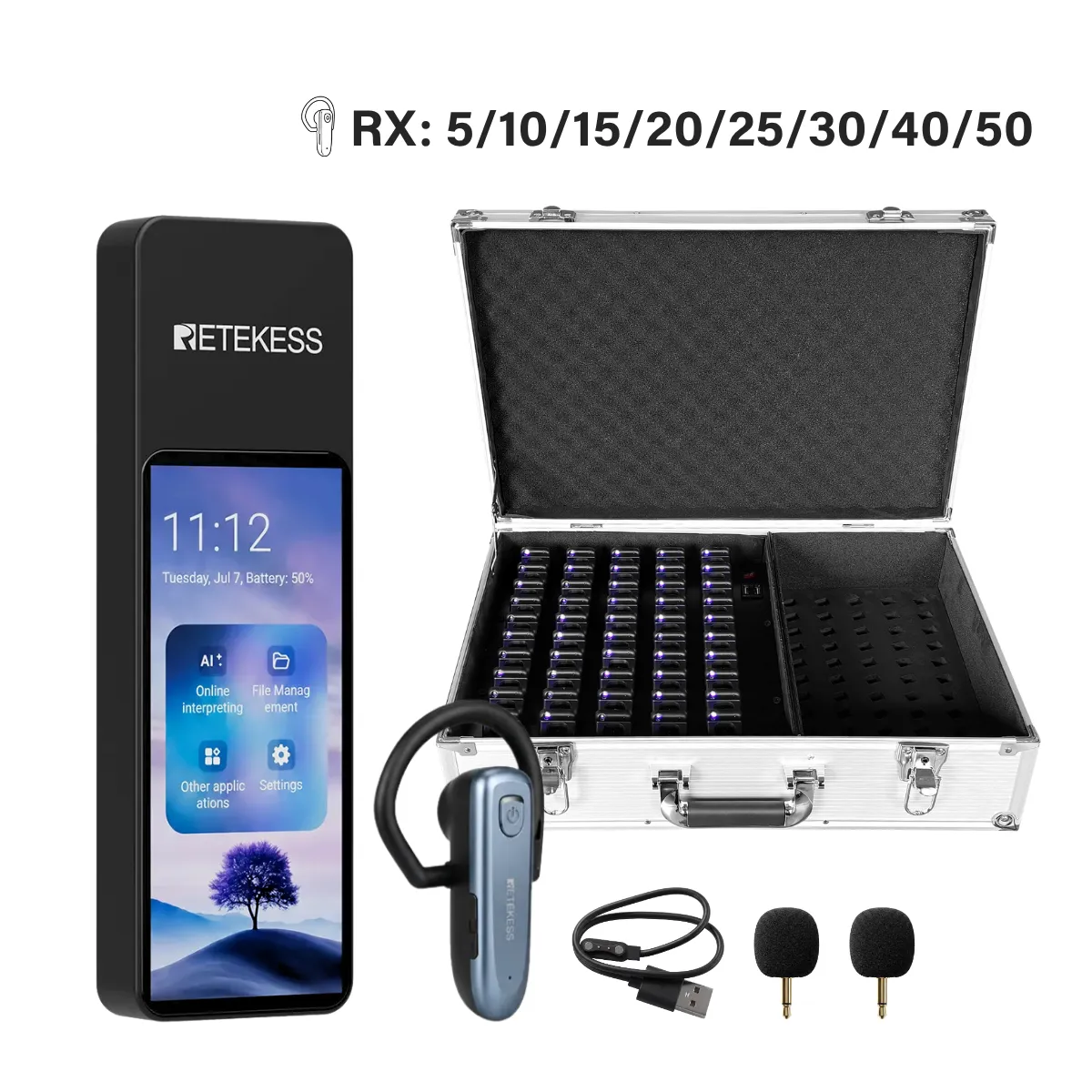
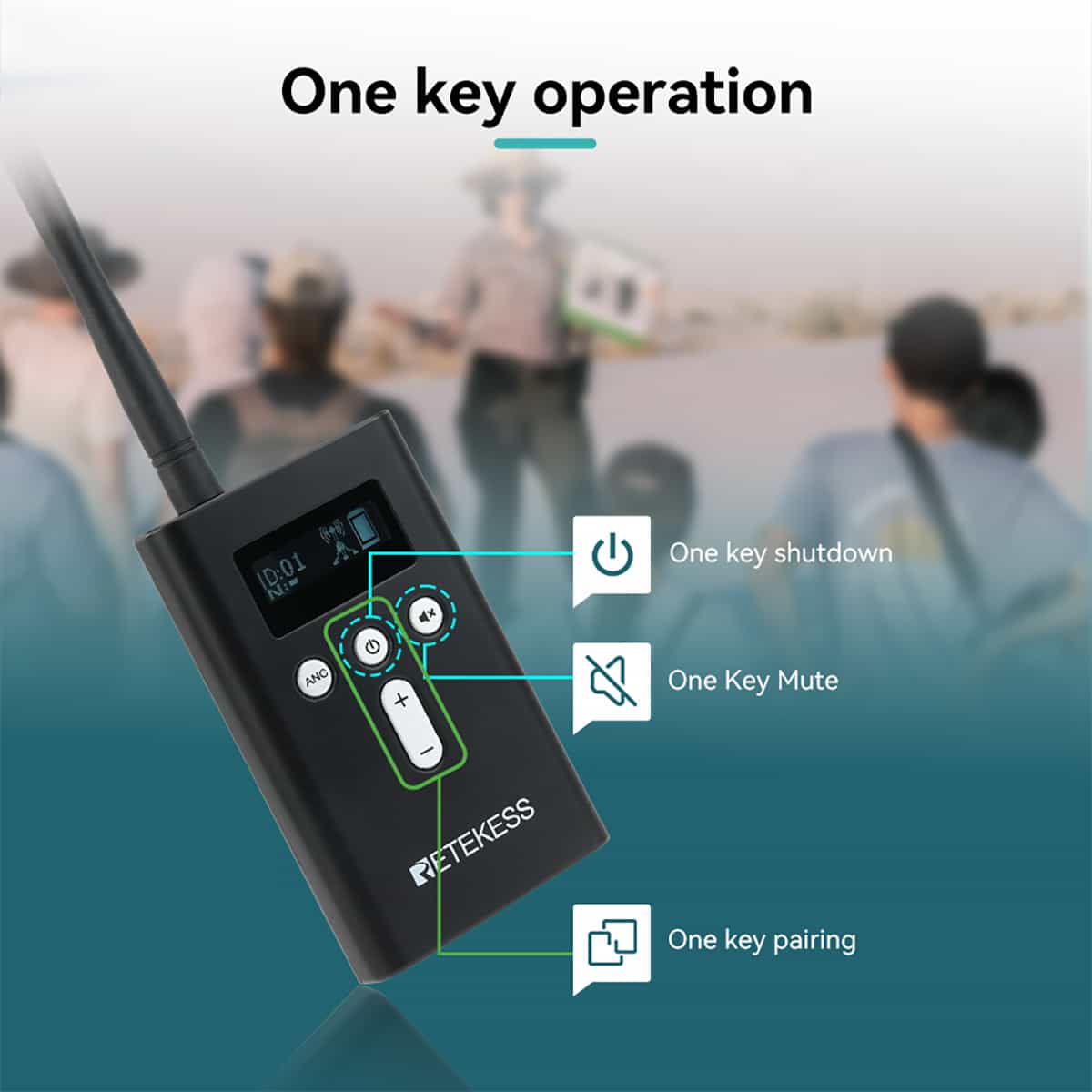
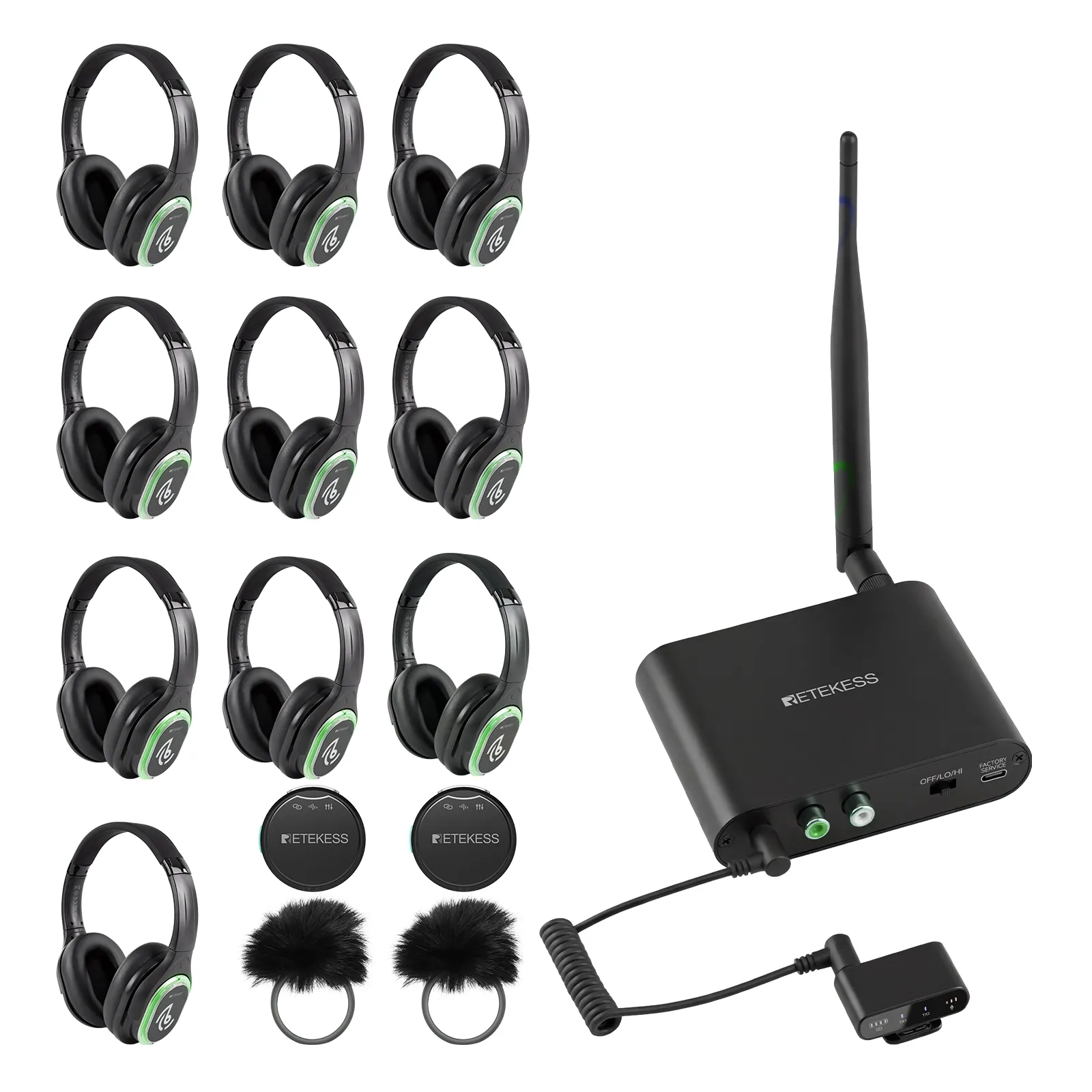
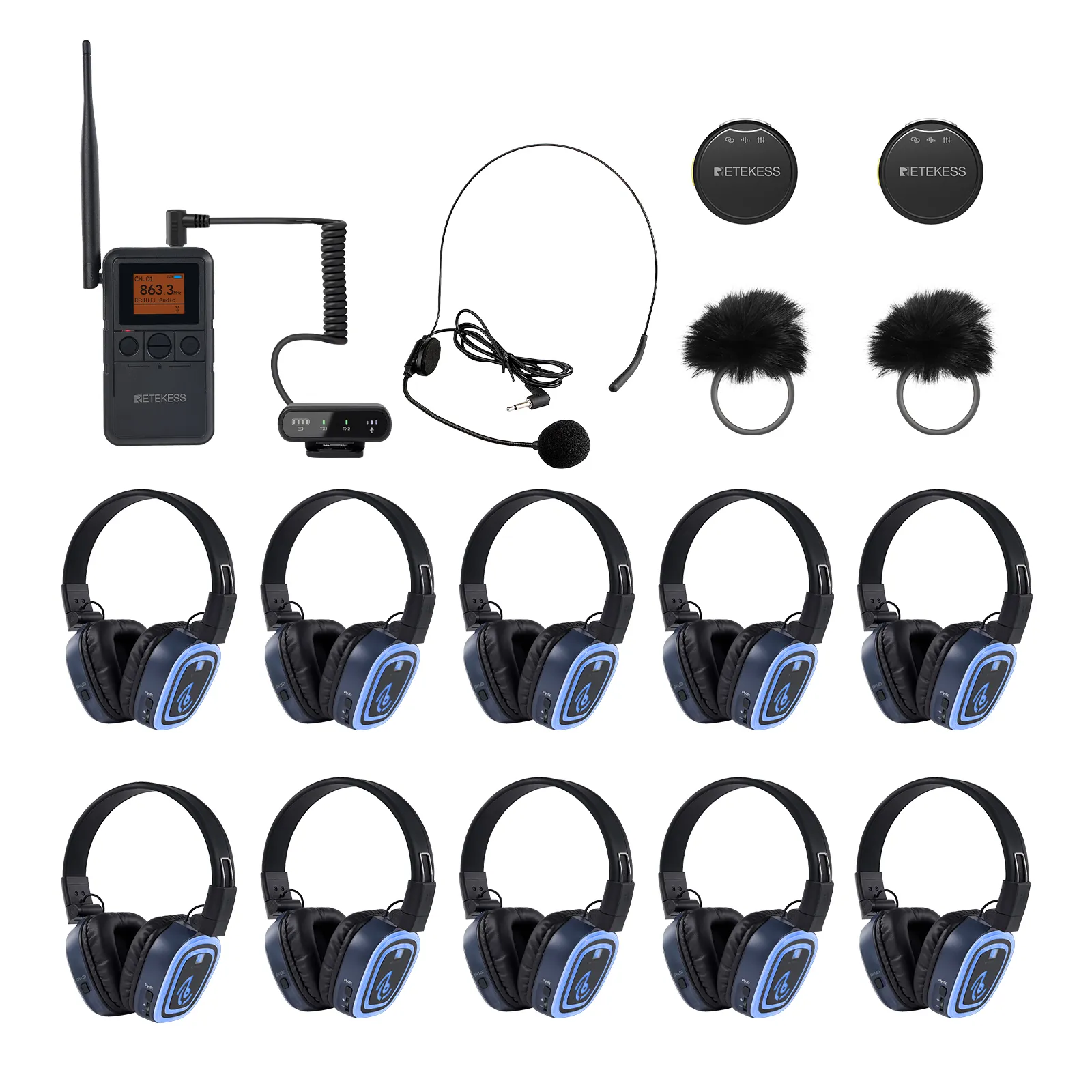
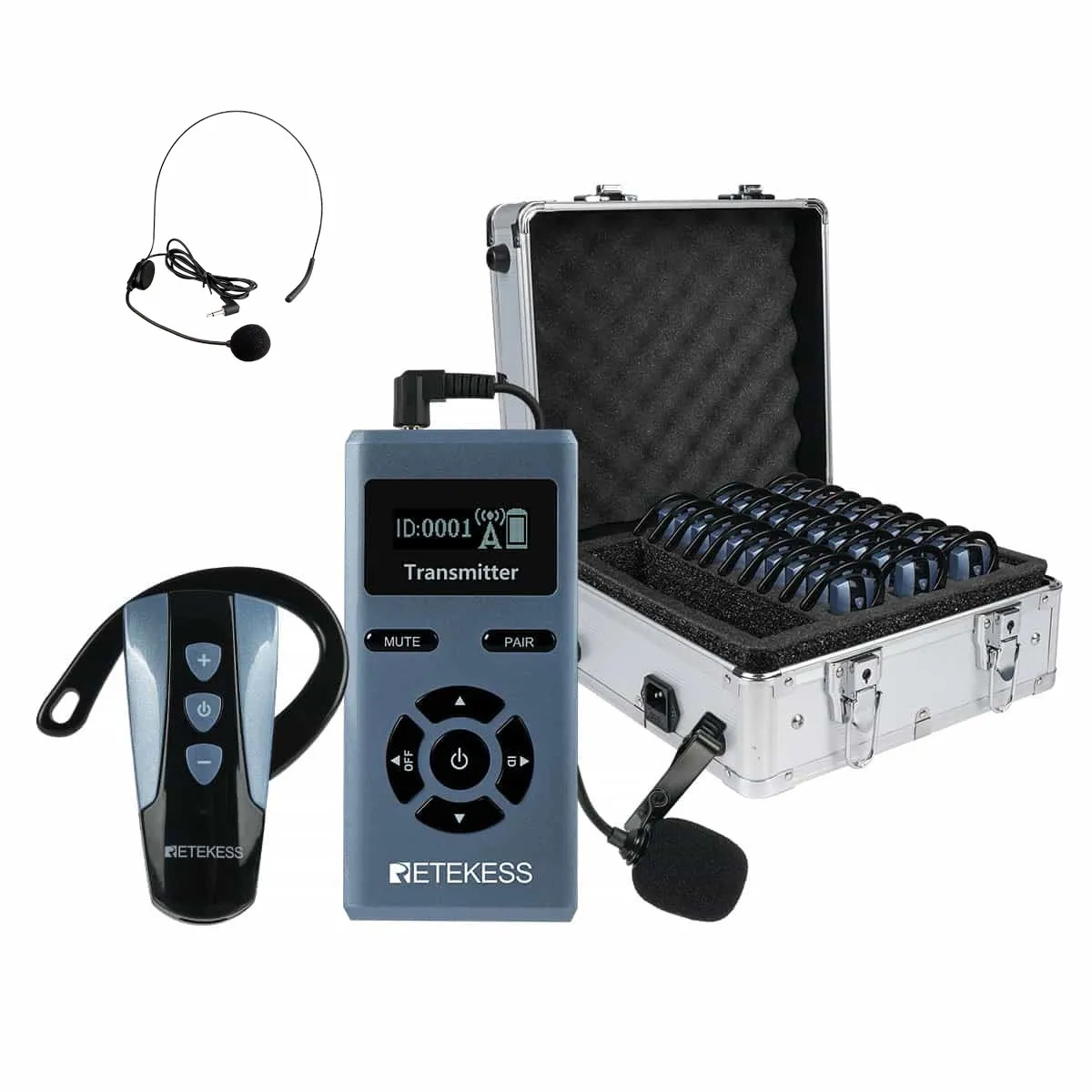
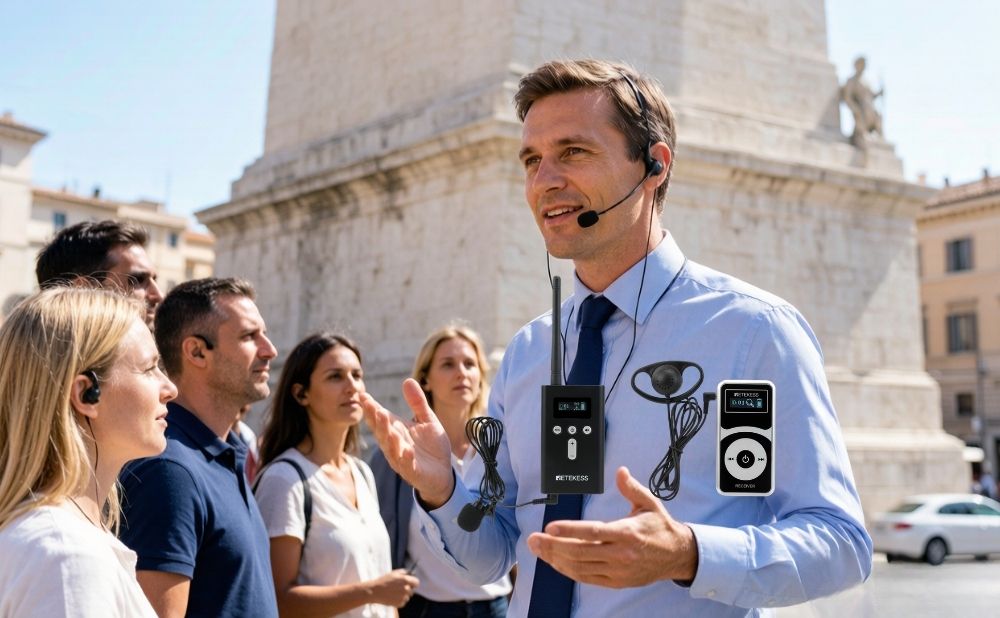
Real-time Translation Guided Tour systems such as Retekess TT136 demonstrate how universities can hold multilingual events. By supporting features such as 120+ languages, real-time translation and dual-language broadcasting, these solutions help staff communicate with diverse audiences while maintaining a smooth event experience.
Why Better Translation Improves The Whole Experience
AI translation helps three different groups at once: parents, students, and universities. Each group gets a different benefit, but the result is the same: better communication.
For Parents
Parents feel more informed and more comfortable. They can understand the tour better and ask questions with more confidence.
For Students
Students do not have to translate every detail for their family. That lowers stress and helps them focus on starting campus life.
For Universities
Universities can run smoother events and give international families a better welcome. That supports both student experience and school reputation.
This is why campus tour translation is more than a technical upgrade. It is a better communication strategy.
Building Better Multilingual Experiences Across Campus Events
For universities, the goal of AI translation is not to add another complicated system. It is to create smoother communication across campus events and make multilingual experiences easier to manage.
A good solution should help the university:
- Reach multiple language groups at once
- Keep the event flow smooth
- Avoid repeated explanations
- Improve family understanding
- Support international enrollment goals
The goal is not to add more work. The goal is to remove language barriers and help families feel included.
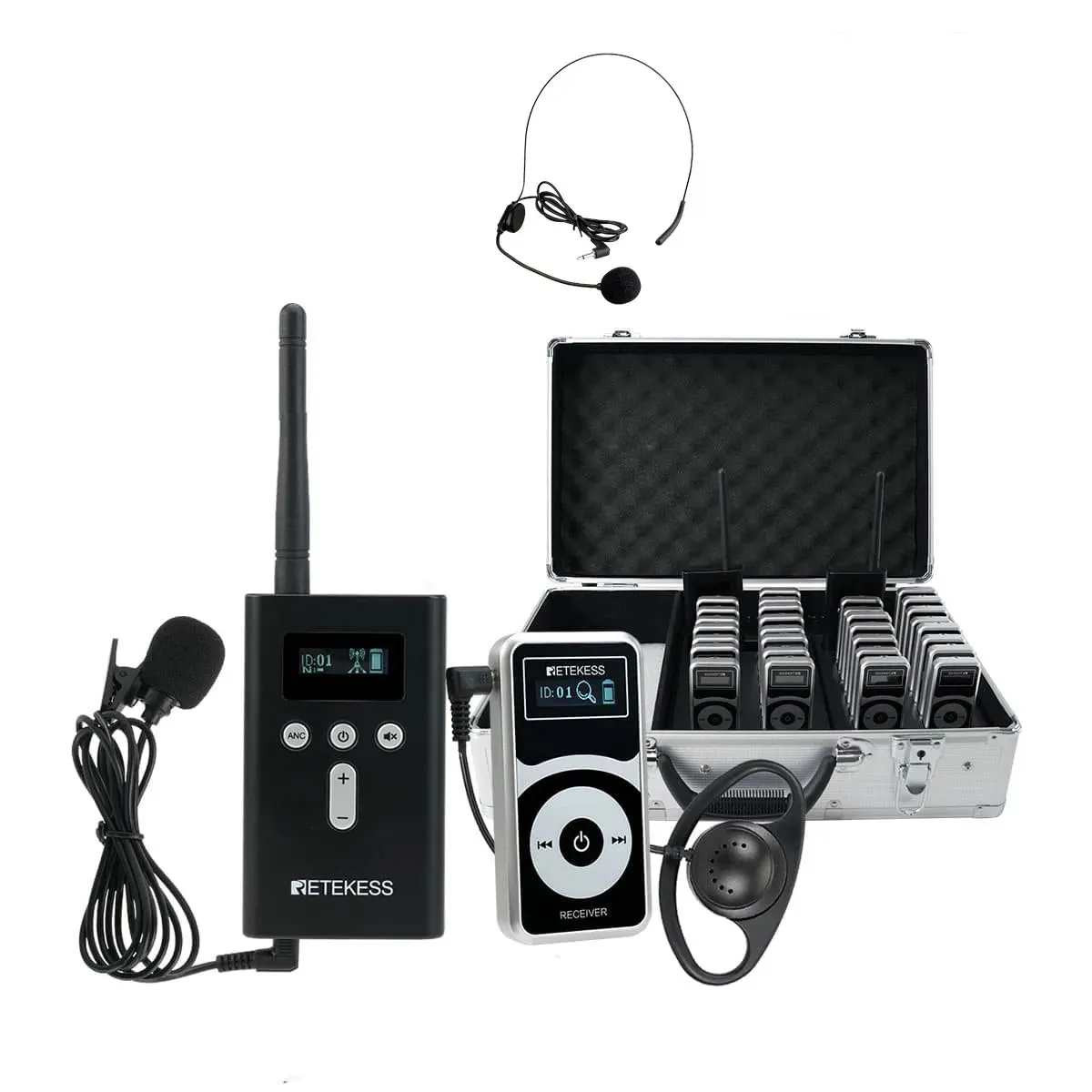
That is why devices made for group translation are useful in higher education. They fit naturally into campus tours and other Welcome Week events.
Conclusion: A Better Campus Tour Starts With Better Understanding
A campus tour should do more than show buildings and give information. It should help every family feel welcome and informed. That matters even more during multicultural Welcome Week, when international parents are trying to learn about a school that may be very new to them.
AI translation does not replace human support. It helps remove the language barriers that make campus communication harder than it should be. With the right campus tour translation solution, universities can create a more inclusive, smooth, and helpful experience for international families.
As campuses become more global, communication needs to become more flexible too. Universities that can support different languages will build more trust and give families a better welcome.
A better campus tour starts with better understanding — and AI translation helps make that possible.
Leave a Reply



![[18th Anniversary] 18 Years of Echoing Excellence: Making Communication Easier, Connecting Trust Beyond Borders](https://res.retekess.com/z_file/20260716/retekess-brand-story-making-communication-easier_20260716151044_7682.jpg)
![[18 Years in Wireless Communication] Silent Disco Systems Anniversary Celebration: Top-Selling Headphones & Event Mechanics Revealed!](https://res.retekess.com/z_file/20260713/18-years-in-wireless-communication-silent-disco-systems-anniversary-celebration_20260713175011_5749.webp)
![[Anniversary Carnival] Ding-dong! 18th Anniversary Mega Sale on Guest Paging & Calling Systems: Full Reveal of 12+ Products & Promo Rules!](https://res.retekess.com/z_file/20260713/18th-anniversary-mega-sale-on-guest-paging-calling-systems_20260713175257_0295.webp)
![[Retekess 18th Anniversary Teaser] Tour Guide System Exclusive Perks: Sneak Peek at Event Dates & Mechanics!](https://res.retekess.com/z_file/20260713/retekess-18th-anniversary-tour-guide-system-exclusive-perks--2-_20260713180135_6435.webp)
Follow Us
Pay With


 Google
 Amazon
Comments (0)