
Table of Contents
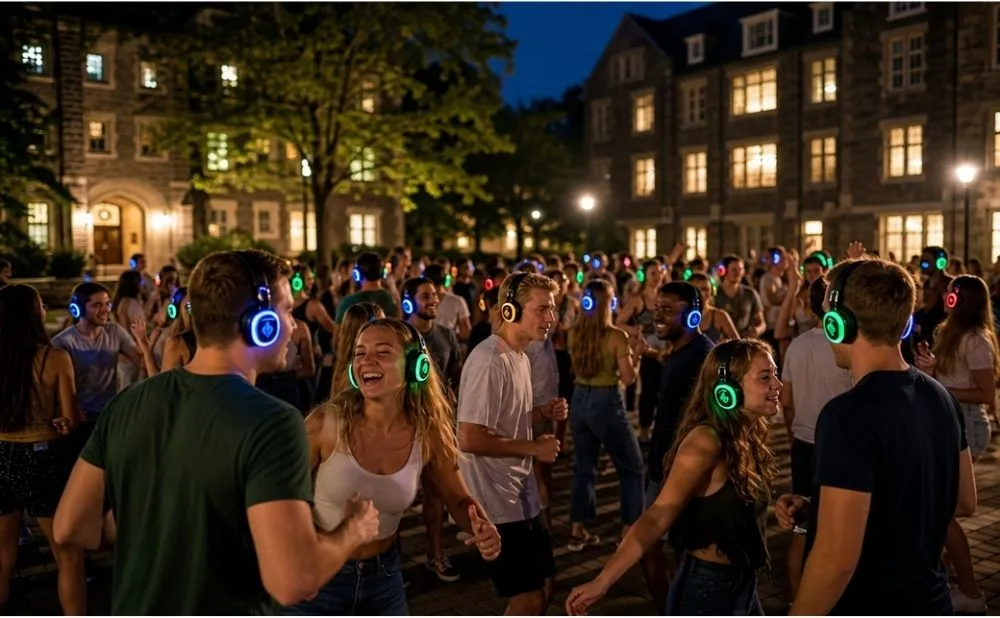
Silent Disco for College Welcome Week: Fun Campus Events Without Noise Complaints
- Retekess
- Aug 7, 2026
Low-pressure icebreakers, full energy, and zero noise issues for student orientation activities
Welcome week events walk a fine line. They need enough energy to bring new students together, but loud music quickly triggers noise complaints from dorms and nearby neighborhoods. Many teams end up turning music down so far that the event loses its atmosphere, or scrapping evening activities entirely.
Traditional dance parties and mixers also fall flat for large incoming classes. Some students love loud, crowded environments. Many others hold back, feel awkward, or leave early because the music is too loud to hold a conversation.
Silent disco — also called quiet disco — solves both problems at once. It uses wireless headphones to deliver audio directly to each participant, with no external speakers. This format has grown rapidly across US and UK campuses, and it fits perfectly with the goals of welcome week orientation events.
Why Silent Disco Works for College Welcome Week
School party headphones create a better experience for students and simpler logistics for event organizers, with four core benefits that directly address the biggest welcome week pain points.
Zero noise complaints, full campus rule compliance
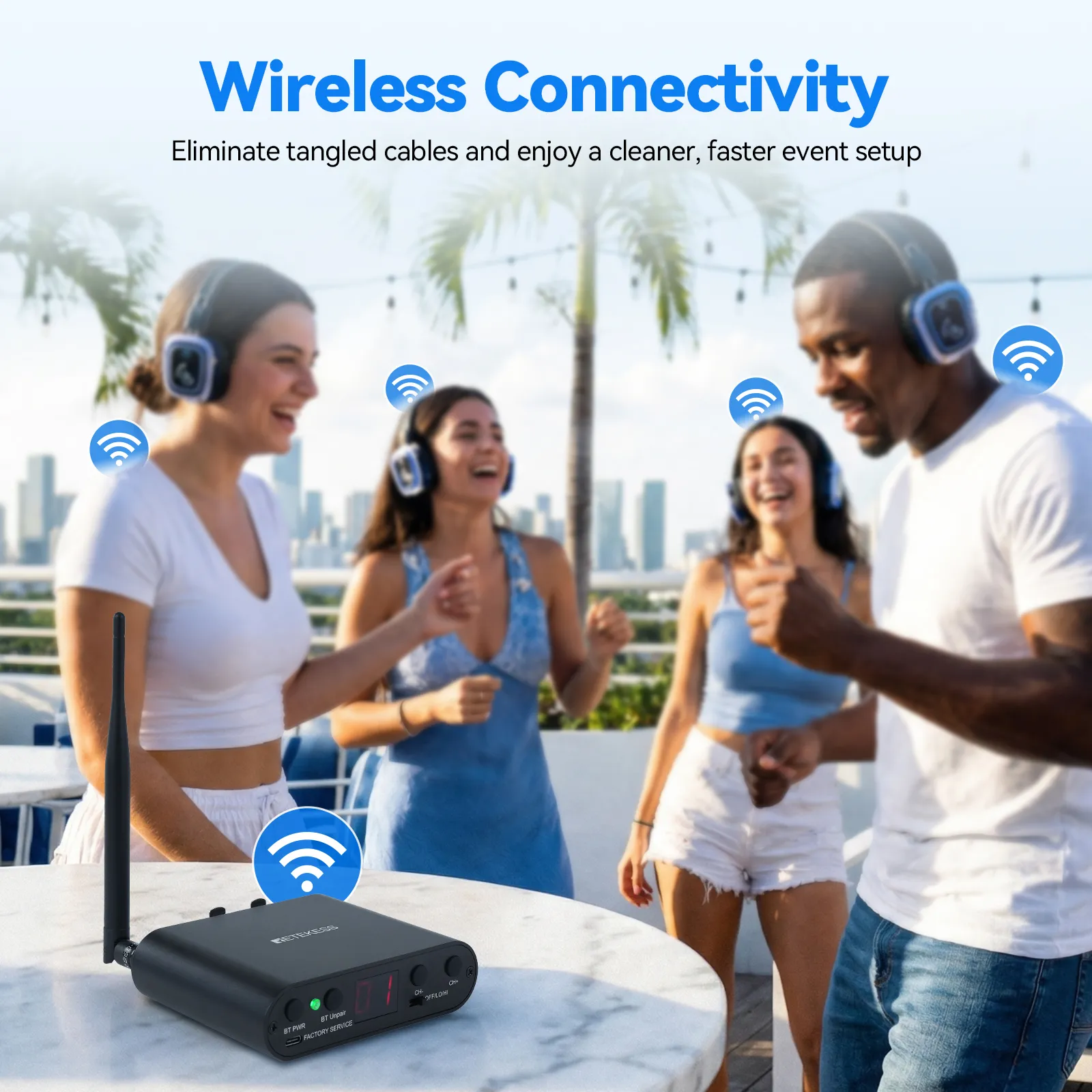
All audio plays directly through the headphones, with no sound projecting into open air. Events stay fully compliant with campus quiet hour policies, even when held in dorm courtyards, outdoor quads, or spaces near residential buildings.
Organizers do not need to apply for special noise permits, monitor volume levels throughout the event, or worry about last-minute shutdowns from campus staff. Evening and late-night welcome activities run smoothly without pushback from housing departments or local residents.
Low-pressure socializing that works for all personality types
Welcome week’s core goal is to help new students meet each other and feel comfortable on campus. Traditional loud mixers work for outgoing students, but they often leave quieter or more reserved students feeling excluded.
Silent disco removes that pressure. Students can dance and listen to music when they want, and take off their headphones to have a conversation at any point. There is no need to yell over music, and no pressure to participate nonstop. This format draws higher attendance from a wider range of students, and creates more natural, relaxed icebreaker moments.
Multiple music channels to fit every taste
Incoming student groups have very different music preferences. A single shared playlist will never satisfy everyone, and many students leave events early when they do not like the music.
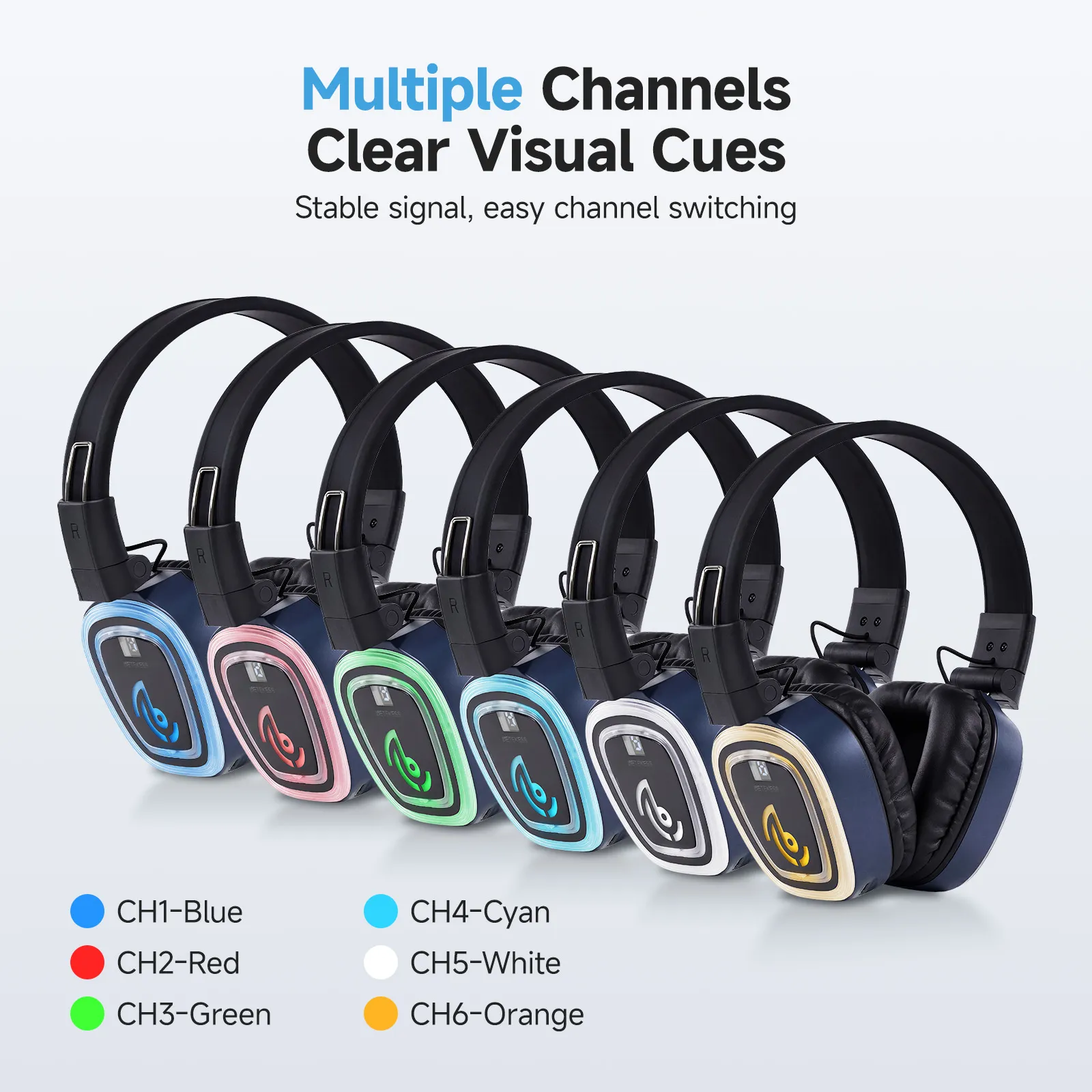
Multi-channel silent disco systems run six independent audio feeds at the same time. Students switch between channels with one button to pick their preferred genre. One event can serve pop, EDM, hip-hop, throwback classics, international hits, and chill tracks all at once, with no compromise on taste. This keeps more students engaged for longer, and raises overall satisfaction with the event.
Simple setup for every campus venue
Welcome week events take place across gyms, auditoriums, outdoor quads, and dorm courtyards. Traditional sound systems require heavy equipment, complex wiring, and trained technicians to set up.
Silent disco systems work with compact transmitters and pre-charged headphones. Setup takes 10 to 15 minutes, and no specialized technical staff are required. Student volunteers can handle distribution and collection of headphones. The system works equally well indoors and outdoors, and moves easily between venues for back-to-back welcome week events.
What to Look For in a Campus-Ready Silent Disco System
Not all silent disco headsets hold up to regular student use and busy event schedules. Four features matter most for campus welcome week and year-round student events.
- Durable construction. Headsets need to withstand frequent handling by large groups of students.
- All-night battery life. Long runtime on a single charge to cover full evening events without mid-event charging.
- Simple one-button controls. Intuitive channel and volume controls that work for all students with no instruction.
- Reliable signal range. Strong coverage across large gyms, auditoriums, and open outdoor quads.
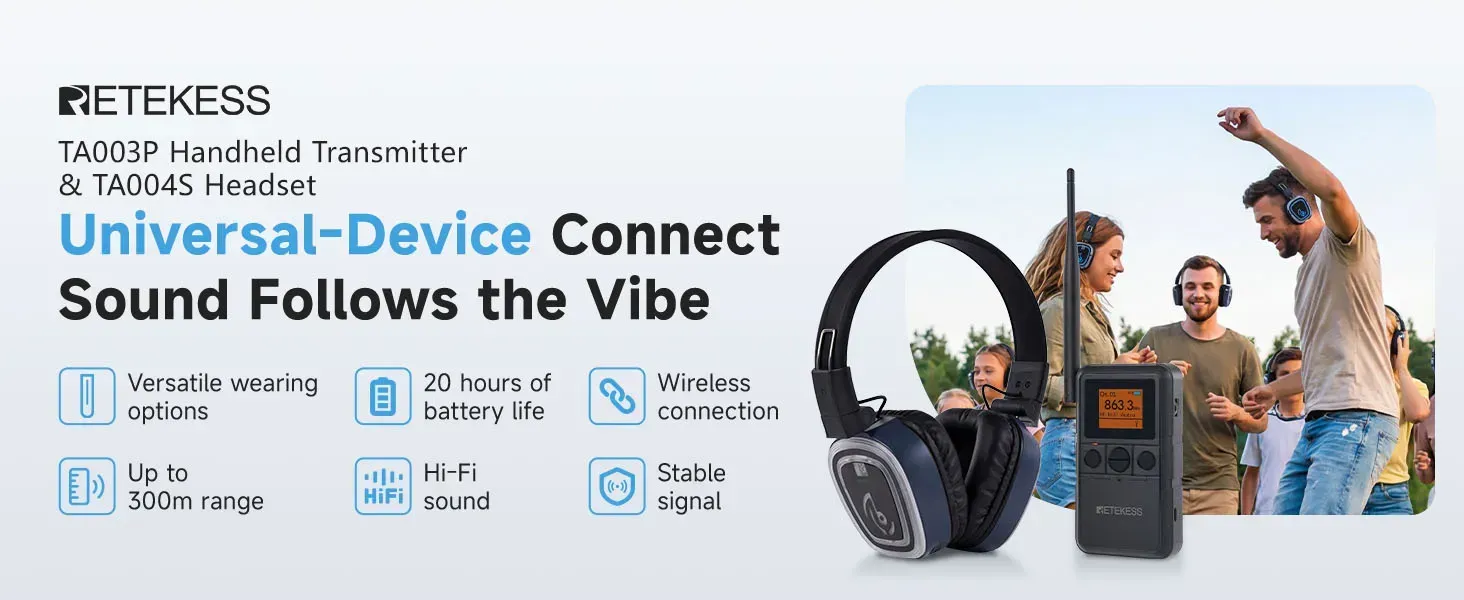
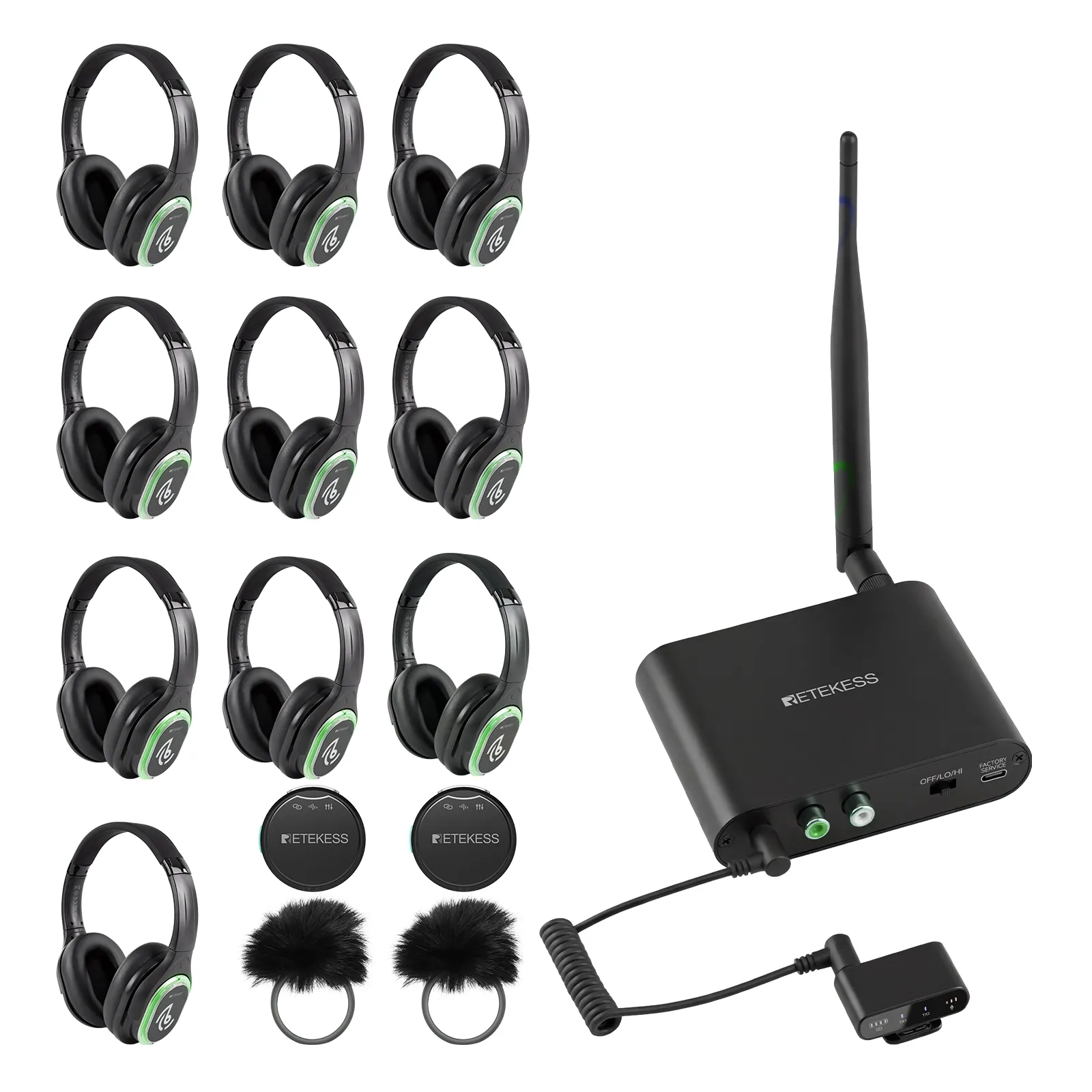
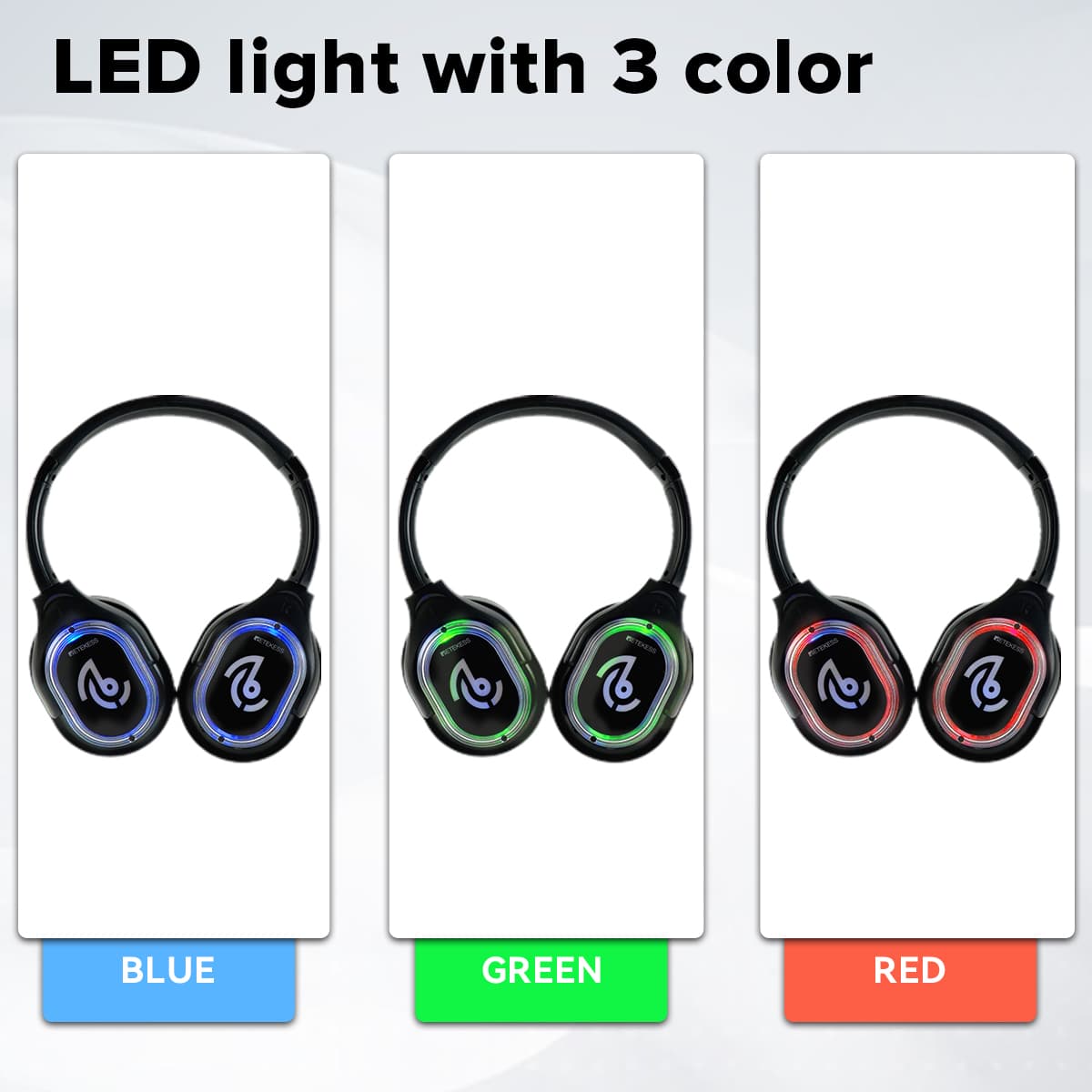
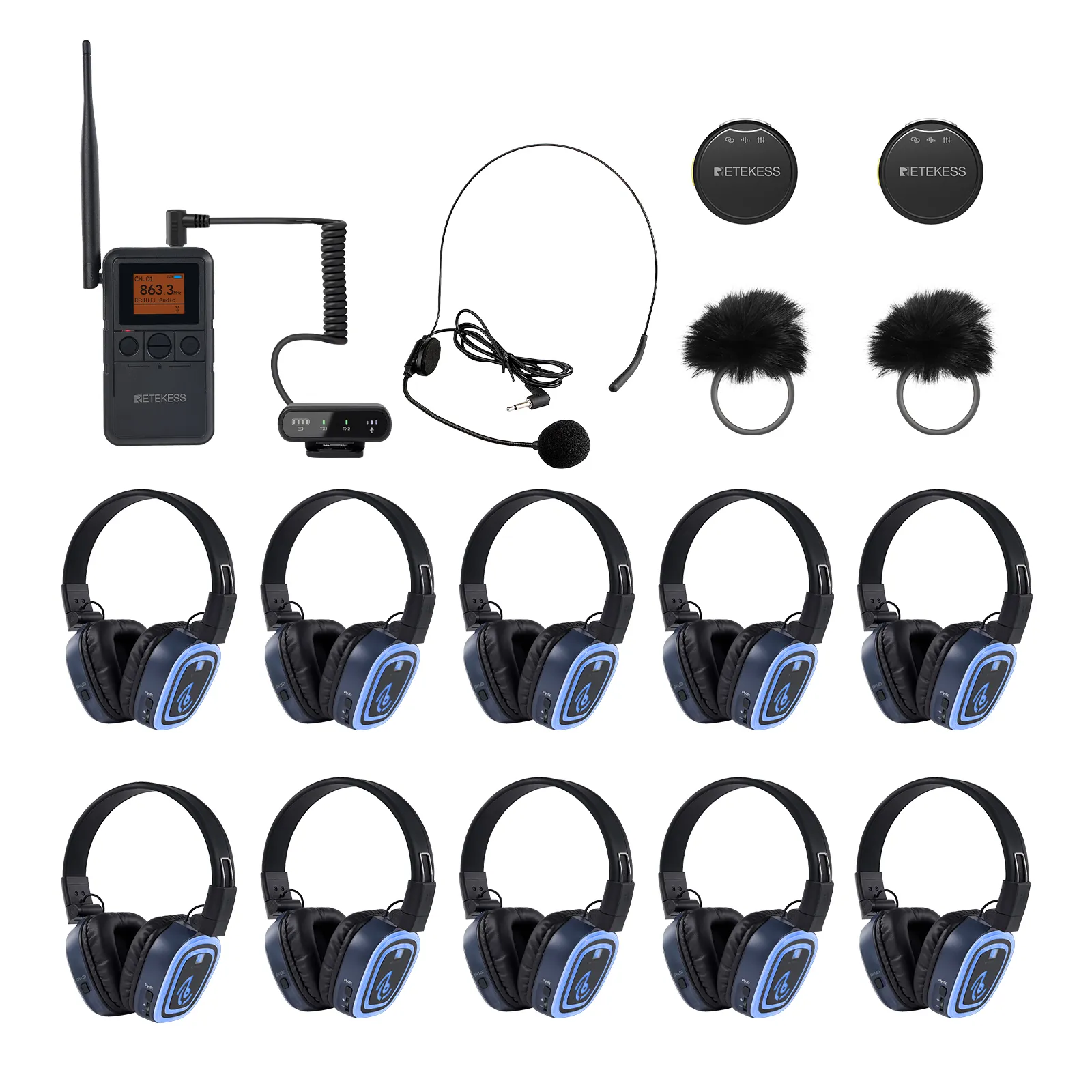
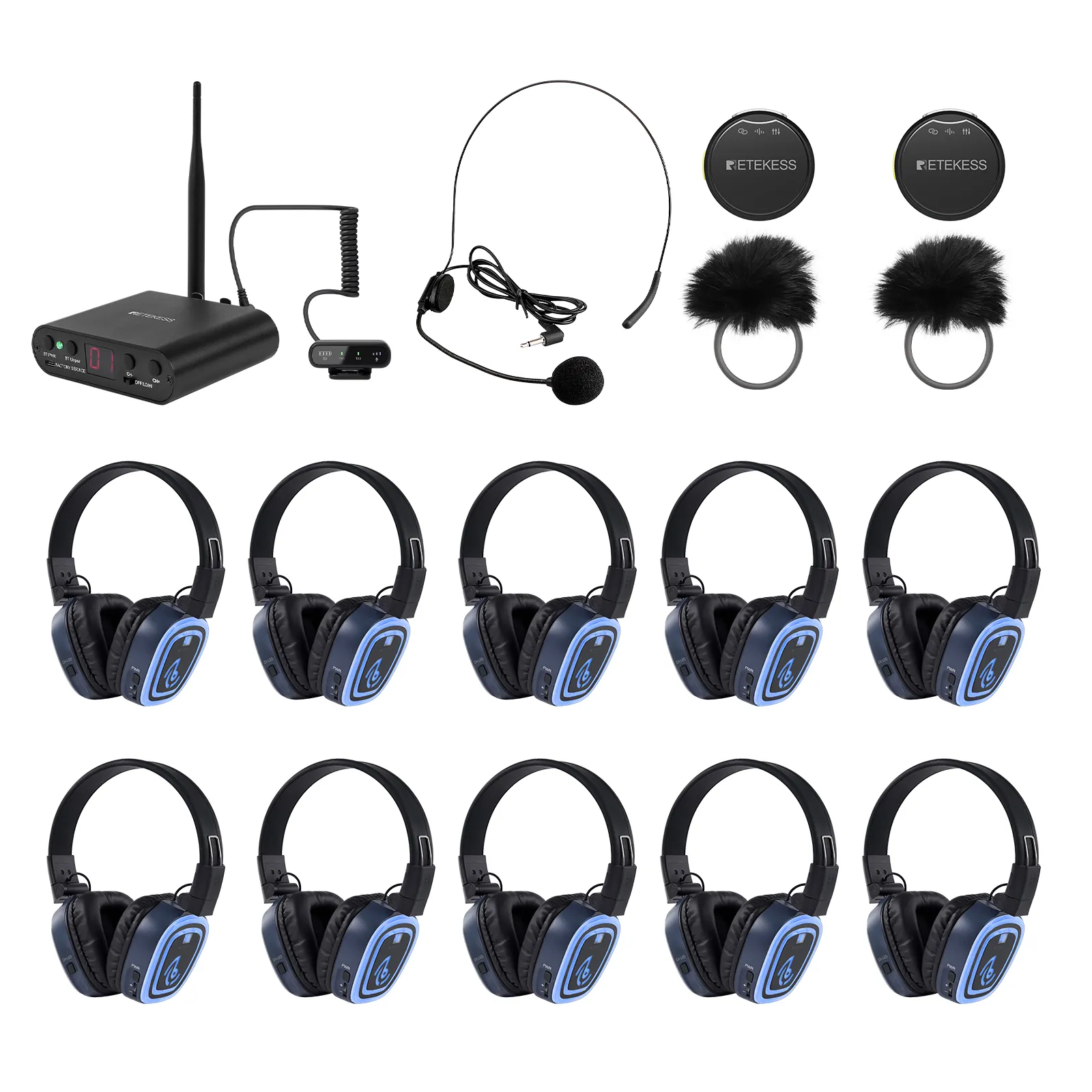
The Retekess TA004S headphones paired with TA003S or TA003P transmitters fit these campus event requirements. The system supports 6 independent audio channels, delivers 10+ hours of battery life per unit, and provides reliable signal across large indoor and outdoor campus spaces. The sturdy build and simple controls work well for high-volume student events.
Frequently Asked Questions
Can students talk to each other while wearing the headphones? Yes. Headphones deliver clear audio without fully blocking surrounding sound. Students adjust their own volume and can hold normal conversations without removing the device.
Does the system work for both indoor gym events and outdoor quad events? Yes. The transmitter delivers steady signal across enclosed auditoriums, large gym spaces, and open outdoor areas. It works for all standard campus event venues.
How long does setup take for a welcome week event? Basic setup takes 10 to 15 minutes. Transmitters connect directly to standard audio sources, and pre-charged headphones are ready to hand out to students.
Conclusion
Welcome week events do not have to choose between high energy and compliance. They also do not have to force all students into the same one-size-fits-all experience.
Silent disco eliminates noise complaint risk, creates a more inclusive environment for icebreaking, and gives students more control over their experience. It works across every type of campus venue, and runs simply enough for student-led teams to manage.
Contact us to receive a custom system recommendation tailored to your typical welcome week event sizes and campus venues.
Leave a Reply
![[18th Anniversary] 18 Years of Echoing Excellence: Making Communication Easier, Connecting Trust Beyond Borders](https://res.retekess.com/z_file/20260716/retekess-brand-story-making-communication-easier_20260716151044_7682.jpg)
![[18 Years in Wireless Communication] Silent Disco Systems Anniversary Celebration: Top-Selling Headphones & Event Mechanics Revealed!](https://res.retekess.com/z_file/20260713/18-years-in-wireless-communication-silent-disco-systems-anniversary-celebration_20260713175011_5749.webp)
![[Anniversary Carnival] Ding-dong! 18th Anniversary Mega Sale on Guest Paging & Calling Systems: Full Reveal of 12+ Products & Promo Rules!](https://res.retekess.com/z_file/20260713/18th-anniversary-mega-sale-on-guest-paging-calling-systems_20260713175257_0295.webp)
![[Retekess 18th Anniversary Teaser] Tour Guide System Exclusive Perks: Sneak Peek at Event Dates & Mechanics!](https://res.retekess.com/z_file/20260713/retekess-18th-anniversary-tour-guide-system-exclusive-perks--2-_20260713180135_6435.webp)
Follow Us
Pay With


 Google
 Amazon
Comments (0)