
Table of Contents
Museum Tours: How AI Translation Serves Multilingual Student Groups
- Retekess
- Aug 14, 2026
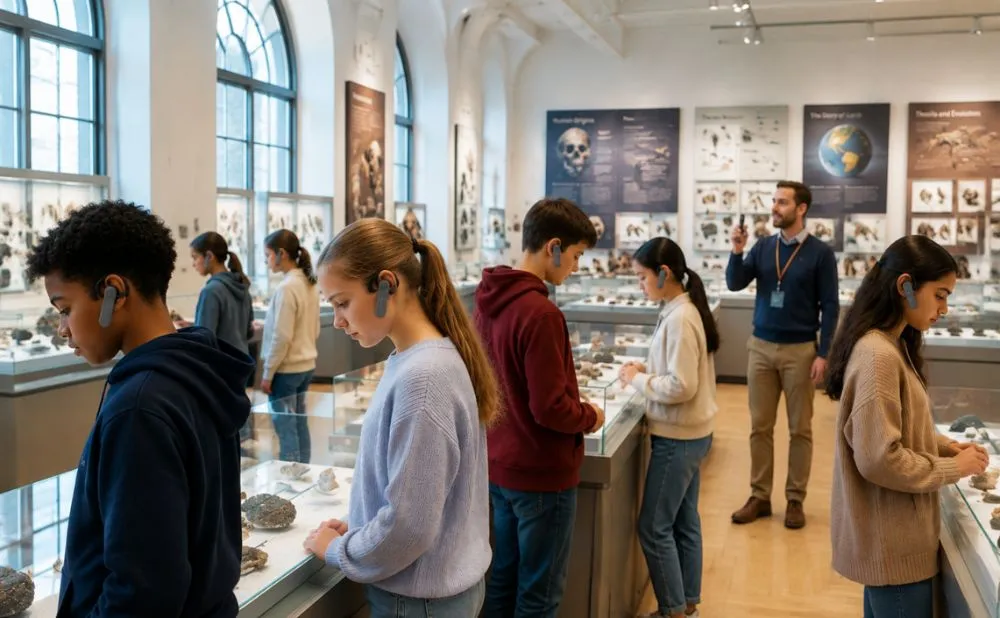
Museum field trips are a core part of K12 experiential learning, giving students hands-on access to history, science, and art beyond the classroom. For international schools and diverse student bodies, however, these trips come with a persistent logistical challenge: how to deliver high-quality explanations to students who speak different native languages, without stretching teachers thin or rushing through exhibits. A tour system with built-in translation solves this problem by combining structured group learning with personalized language support, making trips accessible and effective for every student.
The Growing Challenge of Multilingual Museum Field Trips
More Diverse Classrooms, Same Museum Schedule
Across North America and Europe, K12 classrooms are more linguistically diverse than ever. Many international school study groups include students from 5 to 10 different language backgrounds on a single museum trip. At the same time, museum peak seasons pack multiple school groups into the same building on the same day, with tight time slots for each exhibit.
This combination means teachers and museum educators can no longer rely on the old model of one guide speaking one language to a single group. What worked for homogeneous student groups 10 years ago no longer meets the needs of today’s diverse school communities. Many schools are now turning to the automatic translation tour format to address this gap, as it balances group structure with individual language support.
The Hidden Costs of Repeating Explanations
The most common workaround — having a teacher repeat every explanation in 2 or 3 languages — creates cascading problems. First, it cuts into learning time: if a 10-minute exhibit explanation gets repeated twice, students lose 20 minutes of exploration time across the full trip. Often, groups run out of time to visit planned exhibits entirely.
Second, it creates discipline and engagement gaps. Students who understand the first language sit idle while the teacher repeats the lesson for others. Bored students wander off, distract peers, or miss safety instructions. For students who speak less common languages, they may get no explanation at all, left to only look at displays without context. A automatic translation tour approach eliminates this downtime entirely.
Why Standard Tour Setups Fail Multilingual Student Groups
Many schools and museums try to fix language gaps with two common approaches: hiring multilingual guides or splitting groups by language. Neither approach delivers the smooth, inclusive experience that a well-designed guided tour can provide.
One Guide Can Only Cover So Many Languages
Hiring professional multilingual guides seems like a solution, but it is expensive and hard to scale during peak season. Most museums only have staff who speak 2 or 3 common languages. For student groups that speak less widespread languages, there is often no guide available at all.
Even when multilingual staff are on hand, they can only lead one group at a time. On busy field trip days, this creates long wait times and forces schools to schedule trips at inconvenient off-peak hours.
Splitting Groups by Language Creates New Risks
Some schools split students into smaller groups by native language, each with a separate guide. This solves the language problem but creates bigger management headaches.
Splitting groups requires more adult chaperones, which many schools cannot easily arrange. It also separates friends and classmates, which hurts the student experience. Most importantly, spreading groups across a large museum makes it harder to track attendance, enforce safety rules, and stick to the shared schedule. For younger K12 students, this creates real safety concerns.
How a Tour System Fixes Multilingual Group Management
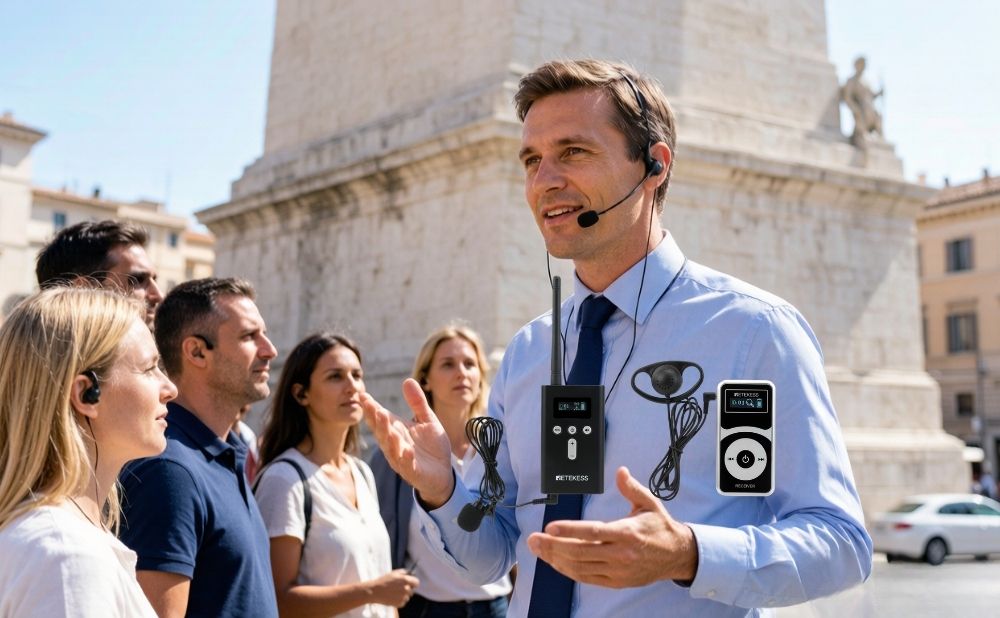
A modern tour system with real-time translation offers a middle ground: students stay with their class group, move through the museum on a shared schedule, but each hears explanations in their own native language. It combines the structure of a guided group trip with the personalized access of independent exploration.
One Explanation, Delivered in Every Language at Once
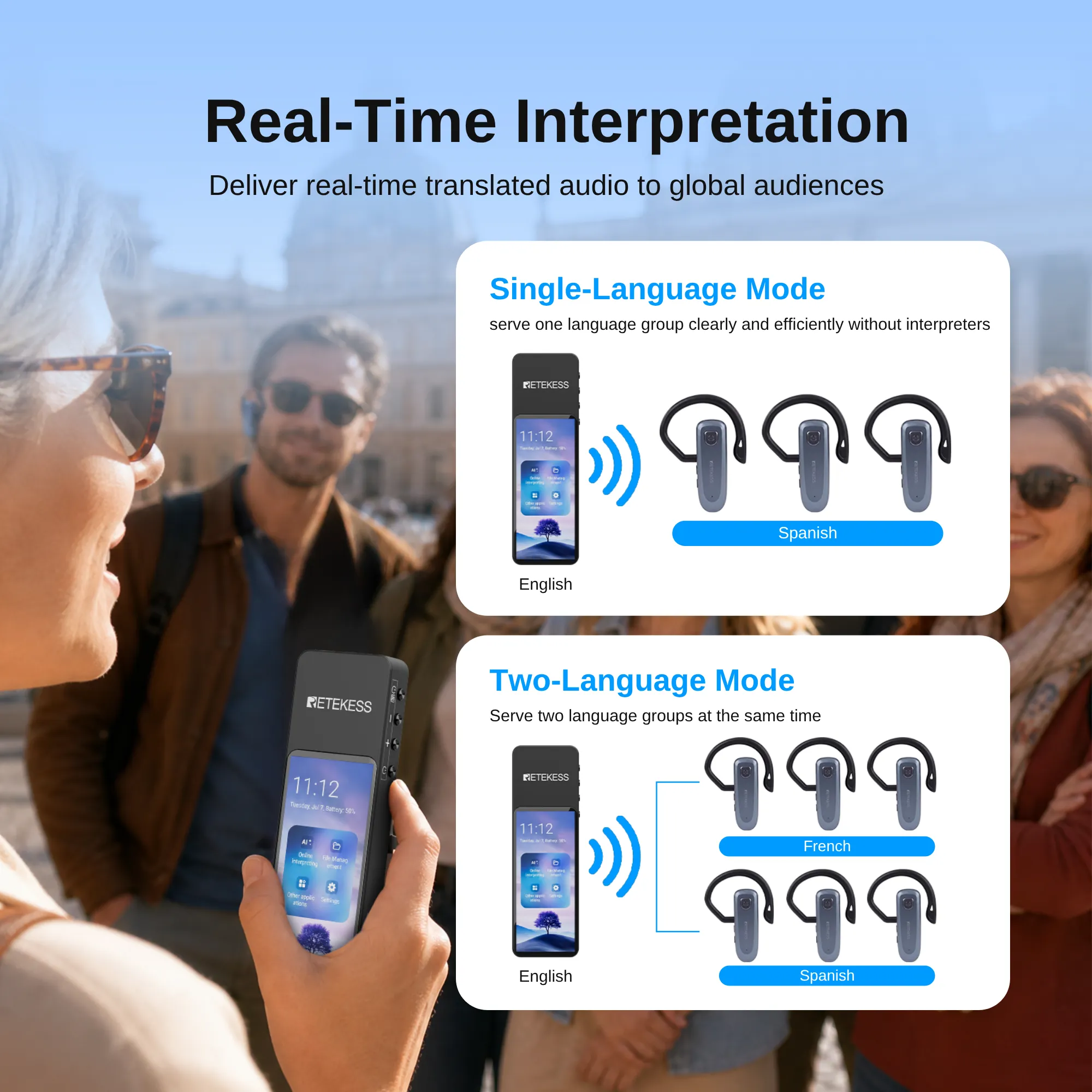
The core advantage is simultaneous translation. A teacher or museum guide speaks once into a transmitter, and the system instantly converts the speech into selected languages and sends audio to each student’s receiver.
There is no waiting for repetition, no rushing through content, and no student gets left out. The whole group moves at the same pace, stops at the same exhibits, and gets the same full learning experience — just in the language each student understands best. This is the core value of a translation-powered tour: equal access for all, without extra work for staff.
How the Retekess TT136 Supports Multilingual Student Museum Tours
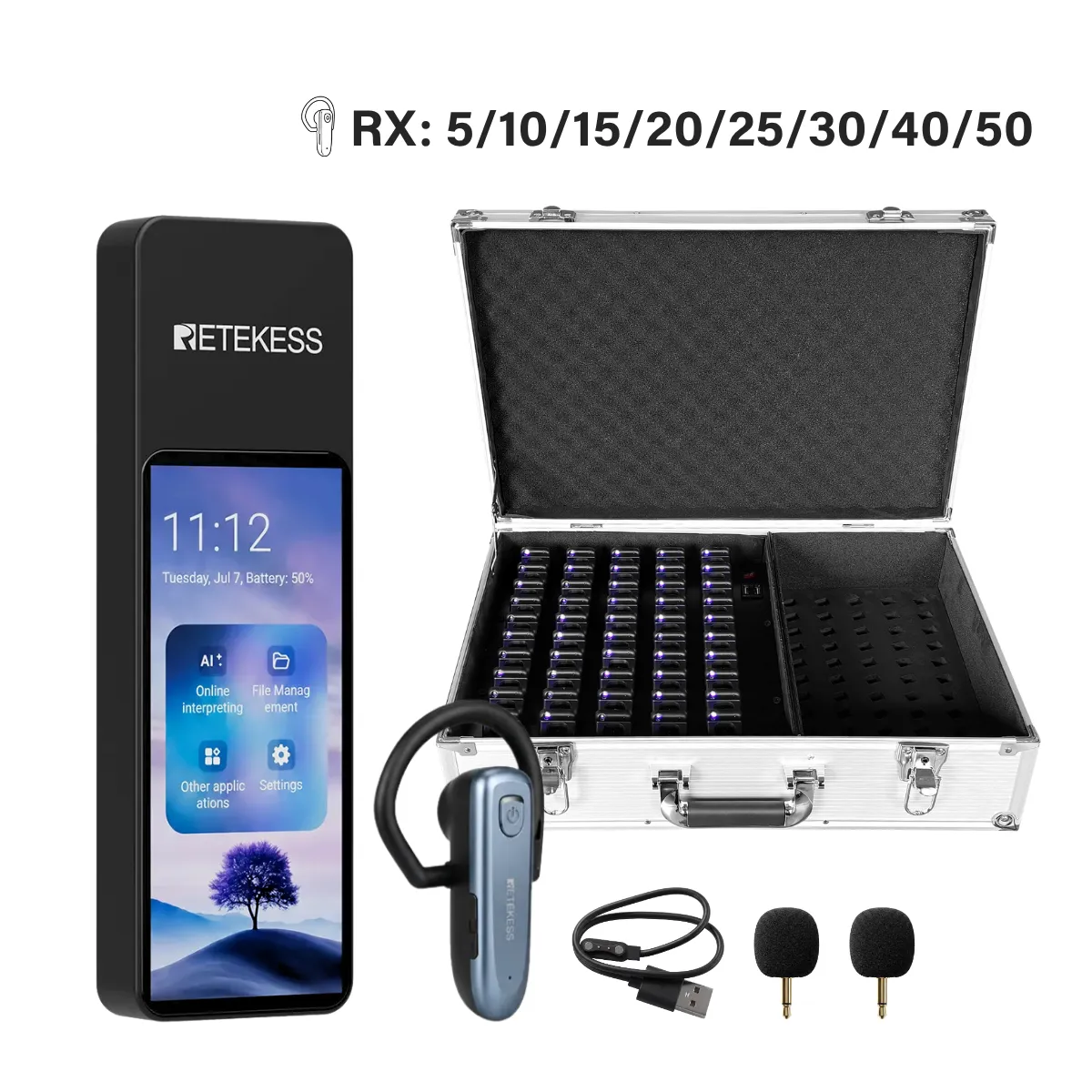
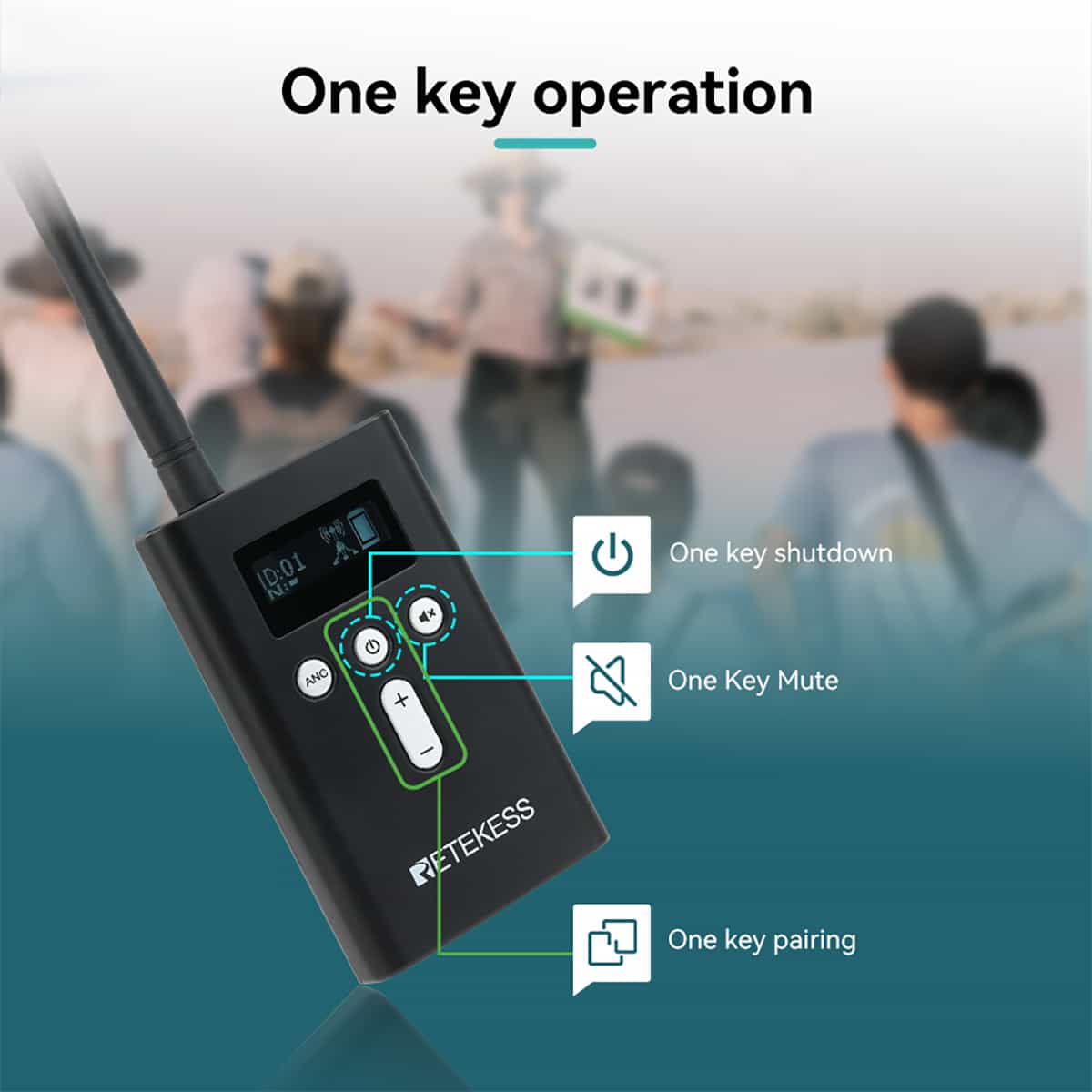
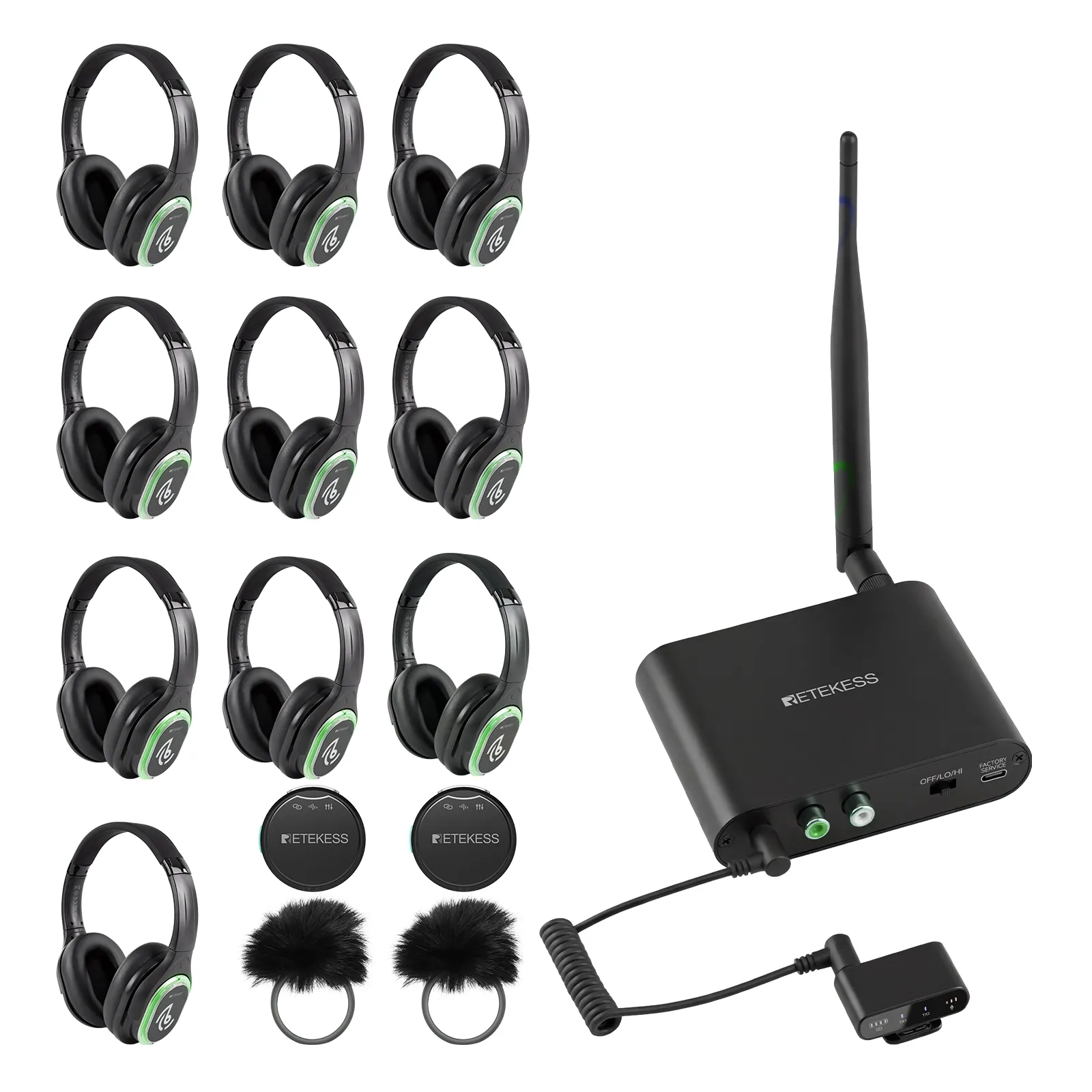
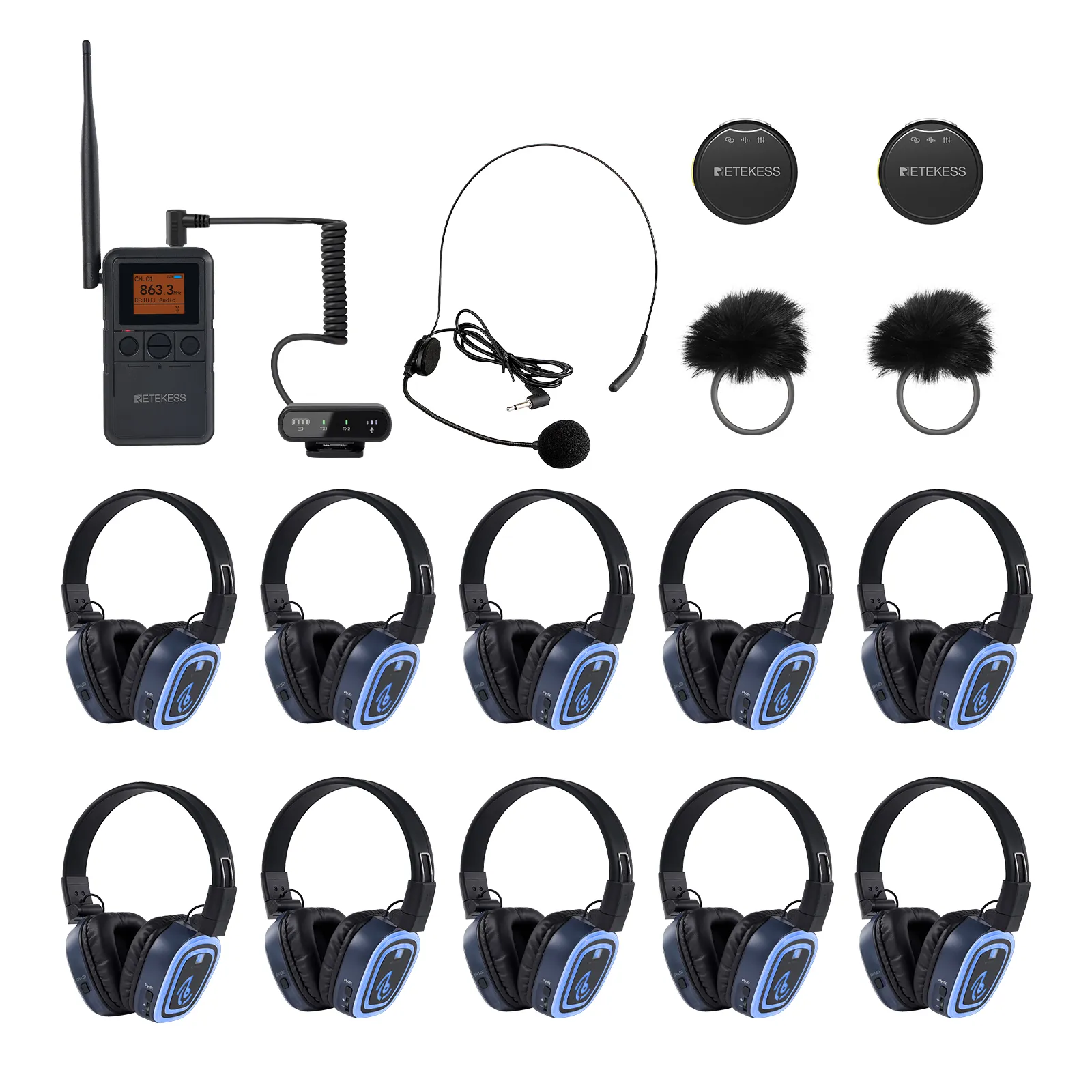
The Retekess TT136 tour guide translation system is built to handle exactly these K12 field trip scenarios, with features designed for ease of use, reliability, and inclusive learning.
120+ Languages for Native-Language Learning
With support for around 120 languages via Wi-Fi or mobile hotspot, the TT136 covers nearly all language backgrounds found in international K12 groups. Whether students speak Spanish, Mandarin, Arabic, German, or less common regional languages, they can select their preferred language and follow every explanation clearly.
The real-time interpretation feature works for both pre-planned lessons and spontaneous Q&A, so teachers can answer student questions on the spot and have the answer translated instantly. This makes the experience feel natural, not scripted.
Multi-Channel Support for Flexible Grouping
The TT136 features a large-capacity channel bank supporting automatic frequency hopping pairing, with an upper limit of 9999 channels, delivering schools and museums complete flexibility for group management. You can assign one channel per class, per language group, or per activity station. Students simply tune to their assigned channel and listen, no extra steps required.
The system uses 2.4G wireless technology with a 150 to 200 meter transmission range, so audio stays clear even in large museum halls or spread-out exhibit spaces. Students can step closer to look at artifacts, read display text, or take notes, without losing audio or falling behind the group. Students get the freedom to explore at their own pace within the group, which is the heart of a great tour experience.
All-Day Battery and Simple Device Management
Field trips last all day, and devices need to keep up. The TT136 transmitter delivers up to 20 hours of continuous use, and receivers last around 13 hours on a single charge. That covers a full school day of travel, museum exploration, and post-trip activities, with no mid-day charging breaks or dead devices cutting students off.
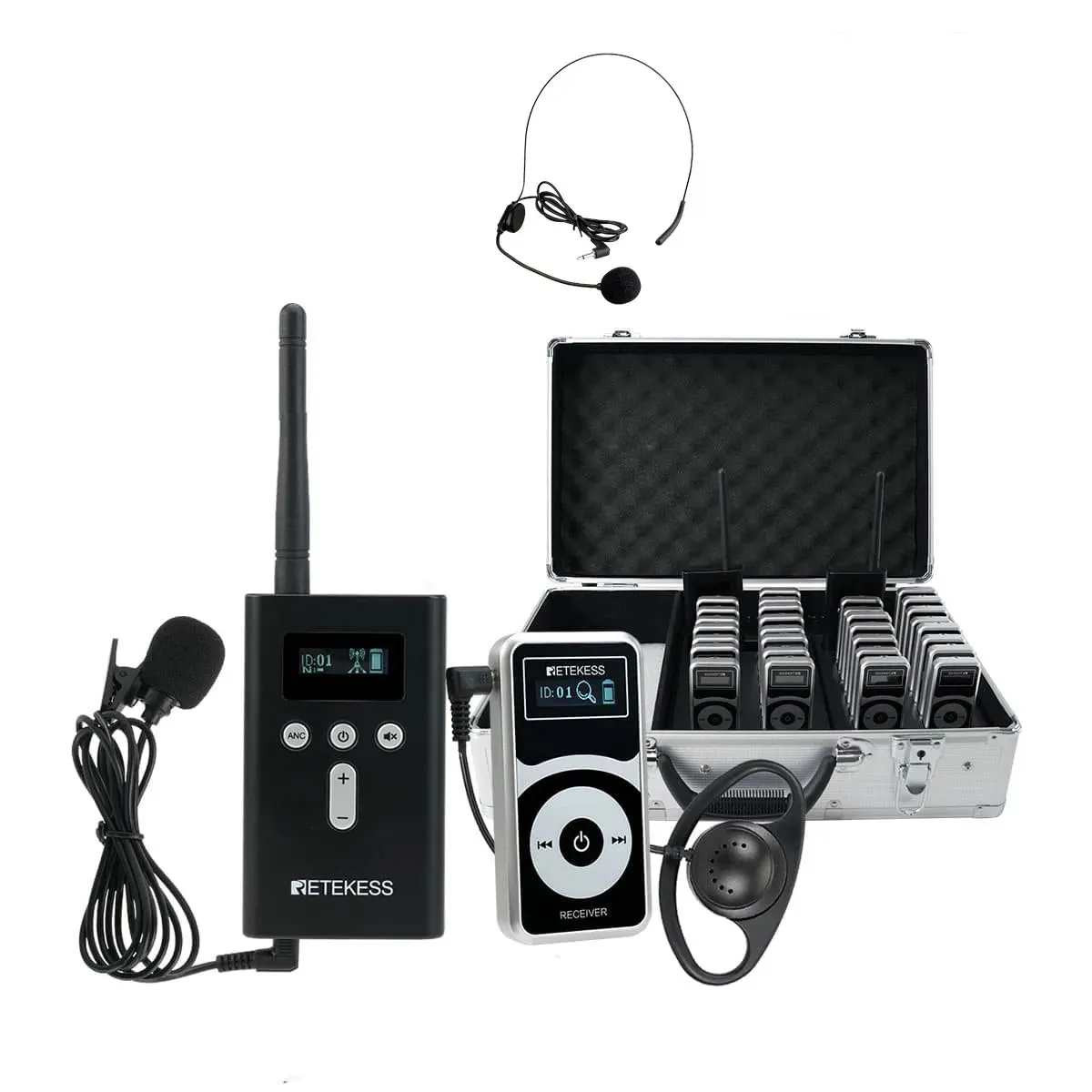
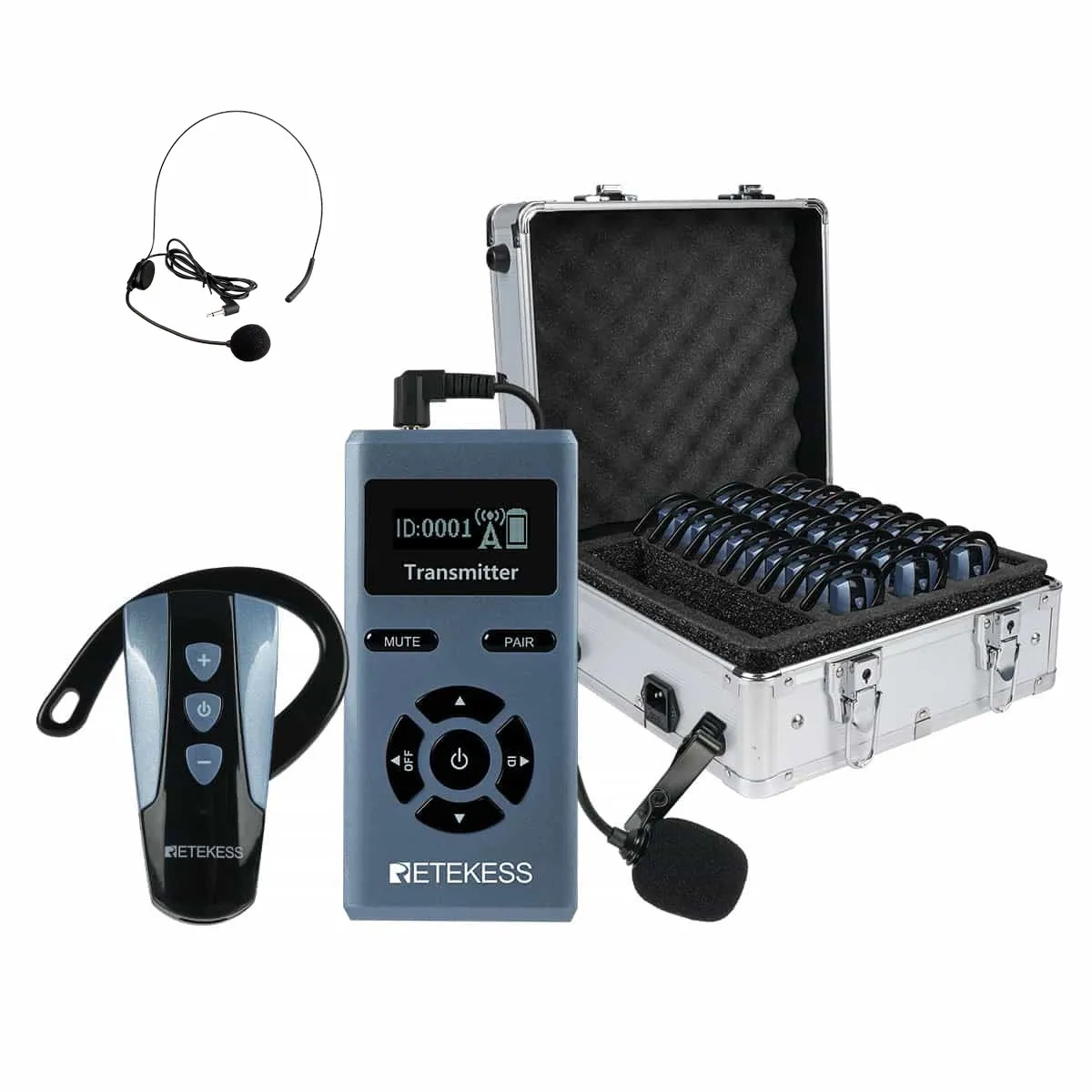
For school and museum staff, the centralized charging and storage case simplifies daily management. At the end of each trip, you place all receivers back in the case to charge and sanitize at once. There is no need to plug in devices one by one, and you can quickly count units to make sure nothing is lost.
Comfortable, Hygienic Design for Student Use
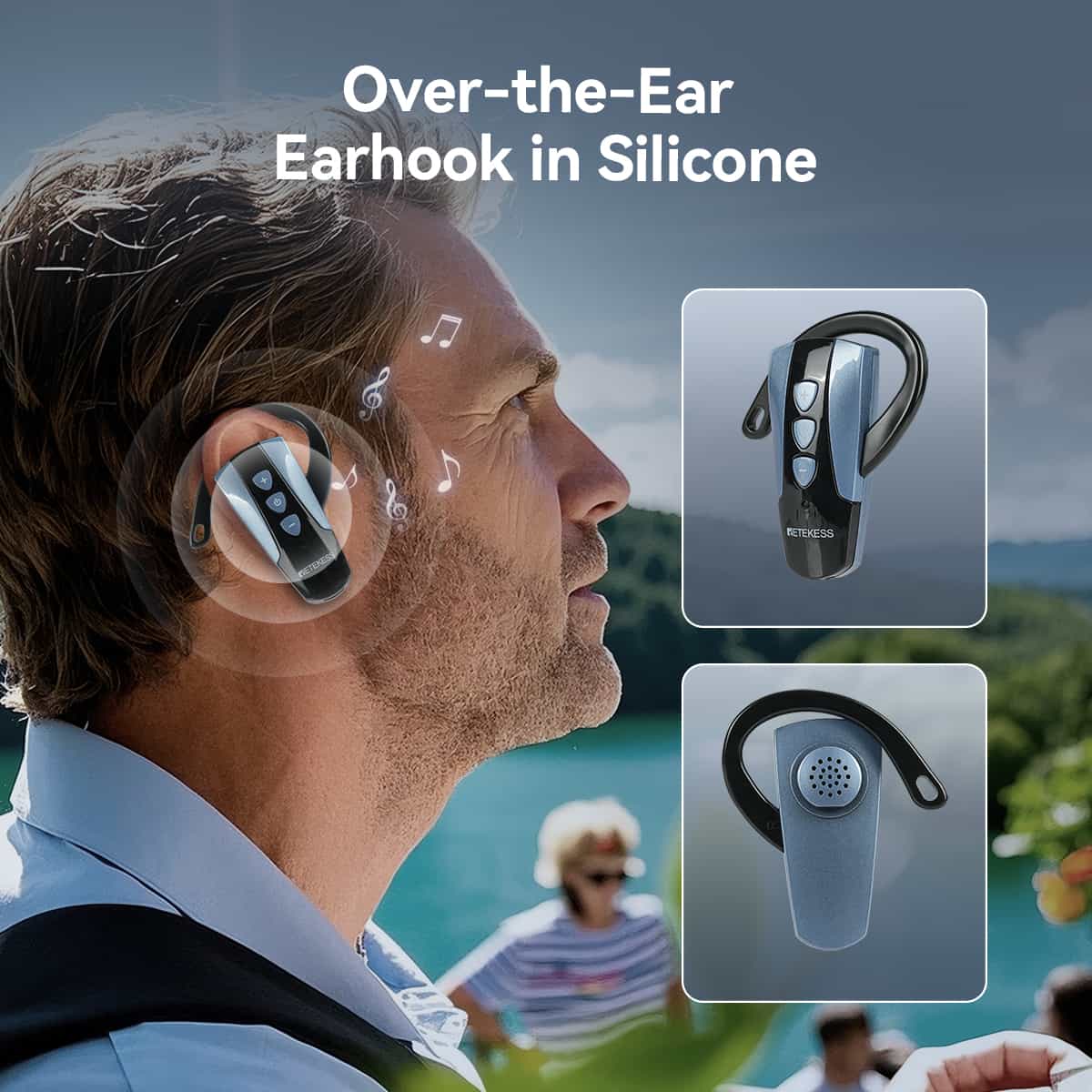
Students wear devices for hours at a time, so comfort and hygiene matter. The TT136 uses an open ear-hook receiver design that sits outside the ear canal, rather than inserting inside it. This is more comfortable for long wear, works with glasses and hearing aids, and reduces direct contact for better hygiene when shared between groups.
Measurable Benefits for Schools and Museums
Adding a translation-enabled tour setup creates clear wins for everyone involved in K12 field trips.
For teachers and school administrators, it cuts down on prep work and on-site stress. Teachers no longer have to repeat lessons multiple times or coordinate separate language groups. They can focus on supporting student learning, answering questions, and keeping the group safe. A self-guided tour with translation also reduces the need for extra chaperones, since students stay within the main group while listening in their own language. Schools also get more value out of each museum trip, because students cover more content and retain more information.
For museum education departments, it expands your capacity to serve diverse groups. You can accept bookings from international schools and multilingual student groups without hiring extra multilingual staff. You also deliver a more equitable experience, so every visitor gets access to your educational content regardless of language.
Most importantly, for students, it makes field trips truly inclusive. No student feels left out because they cannot understand the guide. Every learner can engage with exhibits, ask questions, and get the full educational value of the trip.
Next Steps to Upgrade Your Multilingual Field Trips
You do not need a full overhaul to improve your museum field trip experience. You can start small and scale based on feedback. Even a small self-guided tour setup can make a noticeable difference in trip quality and staff workload.
First, map out your most common language needs and group sizes. Count how many different languages your student groups typically speak, and how many students you bring on each trip. This will help you choose the right number of devices and test the most relevant languages.
Second, run a pilot test with a small student group. Try the Retekess TT136 on a single museum trip, and collect feedback from teachers, chaperones, and students. Ask if the audio was clear, if the translation was easy to follow, and if the device was comfortable to wear.
Third, expand the model once you see results. Start with your busiest field trip season, then add the system to more grade levels or museum partner sites over time.
Final Thoughts
Multilingual student groups are not a temporary trend — they are the new standard for K12 education across Europe and North America. Relying on repeated explanations or split groups will only create more stress and leave more students behind.
A tour system with real-time AI translation turns this challenge into an opportunity. It lets you deliver more inclusive, effective, and well-organized museum field trips, with less work for teachers and better outcomes for students. With the right tool in place, every student can get the full value of experiential learning, no matter what language they speak.

![[18th Anniversary] 18 Years of Echoing Excellence: Making Communication Easier, Connecting Trust Beyond Borders](https://res.retekess.com/z_file/20260716/retekess-brand-story-making-communication-easier_20260716151044_7682.jpg)
![[18 Years in Wireless Communication] Silent Disco Systems Anniversary Celebration: Top-Selling Headphones & Event Mechanics Revealed!](https://res.retekess.com/z_file/20260713/18-years-in-wireless-communication-silent-disco-systems-anniversary-celebration_20260713175011_5749.webp)
![[Anniversary Carnival] Ding-dong! 18th Anniversary Mega Sale on Guest Paging & Calling Systems: Full Reveal of 12+ Products & Promo Rules!](https://res.retekess.com/z_file/20260713/18th-anniversary-mega-sale-on-guest-paging-calling-systems_20260713175257_0295.webp)
![[Retekess 18th Anniversary Teaser] Tour Guide System Exclusive Perks: Sneak Peek at Event Dates & Mechanics!](https://res.retekess.com/z_file/20260713/retekess-18th-anniversary-tour-guide-system-exclusive-perks--2-_20260713180135_6435.webp)
Follow Us
Pay With


 Google
 Amazon
Comments (0)