
Table of Contents
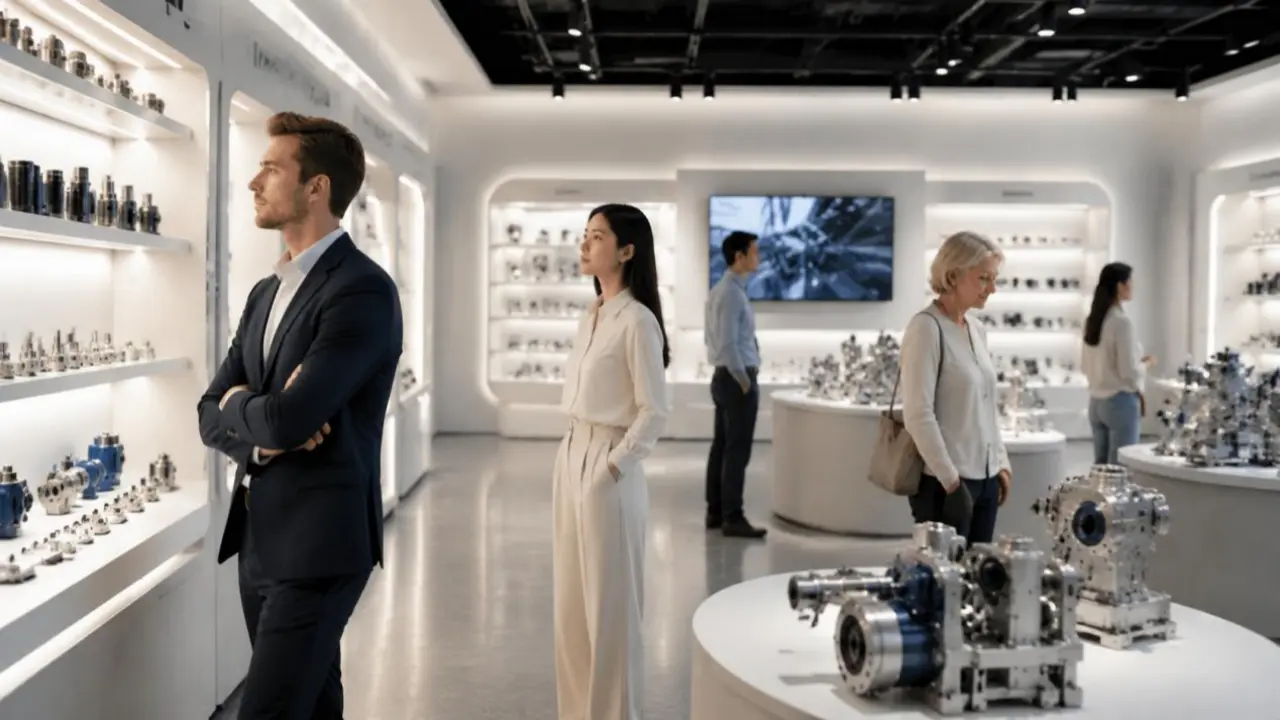
Self-Guided Tours in Factory Showrooms: A Flexible Way to Serve Every Visitor
- Retekess
- Aug 13, 2026
Industrial tourism and factory open days continue to grow, with more brands turning showrooms, sample rooms, and brand experience zones into permanent visitor attractions. Traditional group guided tours work well for organized groups, but they struggle to meet the needs of visitors who want to explore independently. A thoughtfully designed self-guided tour fixes this gap: it gives visitors the freedom to linger at exhibits that interest them, while ensuring they still receive complete, on-brand product and company information. This article breaks down how to build a self-guided tour system for industrial spaces that balances flexible pacing with deep content delivery, and what tools you need to make it work.
The Growing Demand for Self-Guided Options in Factory Visits
Factory showrooms, sample display rooms, and brand experience zones serve a wide mix of visitors: corporate buyers checking product details, casual tourists learning about brand history, industry partners exploring new solutions, and student groups on educational trips. Each group has different pacing and content needs, but traditional guided tours force everyone into the same schedule.
Visitors who want to spend extra time examining a product sample often fall behind the group and miss key explanations about later exhibits. Those who move faster get bored waiting for the group to catch up. Over time, this mismatch leads to lower visitor satisfaction and incomplete brand messaging. As more visitors expect control over their own experience, adding a self-guided tour option has gone from a nice-to-have to a core part of showroom operations.
Core Pain Points of Traditional Showroom Tour Management
Before designing a solution, it helps to name the specific problems that come with relying only on live guided tours.
Uneven Content Coverage When Visitors Stray
The biggest challenge with group tours is that you cannot keep every visitor in the group at all times. In large showrooms or sprawling sample rooms, visitors naturally drift to displays that catch their eye. Once they step away from the guide, they lose access to all the context, technical details, and brand stories that make the visit meaningful.
Even for visitors who stay with the group, those at the back of a long line may struggle to hear the guide clearly. The result is inconsistent content delivery: some visitors get the full experience, while others leave with only a surface-level impression of your products. A self-guided tour eliminates this gap by putting content directly in each visitor’s control.
Language Barriers for International Guests
For factories that host global buyers and international visitors, language adds another layer of difficulty. Hiring multilingual guides is expensive, and it is impractical to have on-site staff who speak every language your visitors might use. Without a multilingual solution, international guests on self-guided exploration can only look at products without understanding their features, value, or application scenarios.
Staffing Limits and Peak-Time Pressure
During peak seasons, trade shows, or open house events, visitor numbers can spike quickly. Relying only on live guides means you can only serve a limited number of groups at once. Walk-in visitors who arrive outside scheduled tour times often have to wait long periods or explore with no guidance at all. This creates unnecessary friction and wastes opportunities to connect with potential customers.
How to Design a Self-Guided Tour That Delivers Both Freedom and Depth
A good self-guided tour is not just letting visitors wander around on their own. It is a structured experience that lets visitors choose their own pace while still guiding them through your most important content. Here are the key principles to follow.
Map Clear, Logical Tour Paths With Marked Stops
Start by planning a clear route through your showroom, sample room, and experience zone. Mark each key exhibit with a clear number or QR code that corresponds to an audio explanation. Visitors can follow the recommended path from start to finish, or jump directly to sections they care about most.
Signage should be simple and easy to follow, even for first-time visitors. The goal is to remove confusion about where to go next, so visitors can focus on the content instead of navigation.
Layer Content for Different Visitor Interests
Not every visitor wants the same level of detail. A casual tourist may want a 30-second overview of each product, while a technical buyer may want five minutes of in-depth specifications. Design your self-guided tour content in layers:
- Basic level: Short, clear introductions for general visitors
- Deep level: Technical details, production processes, and case studies for professional visitors
- Extended level: Brand stories, sustainability efforts, and company milestones for visitors who want more context
This layered approach ensures you do not overwhelm casual visitors while still giving professional guests the depth they need.
Deploy a Reliable Audio Guide System
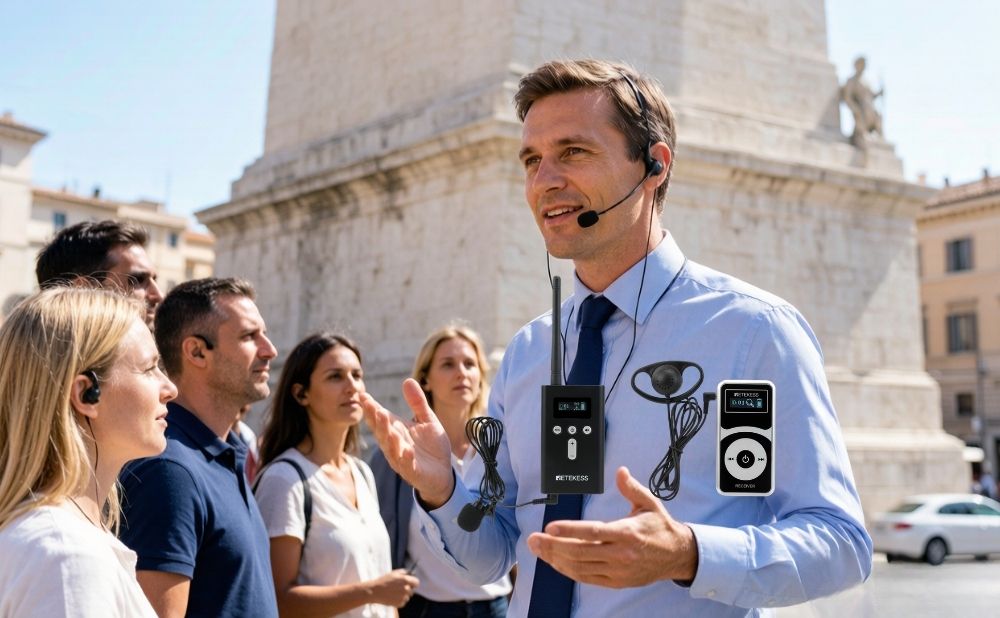
Text signs and QR codes can only deliver so much information. Most visitors absorb content better through audio, and audio is essential for supporting multiple languages. A dedicated audio guide system lets visitors listen to pre-recorded explanations at each stop, in their preferred language, without needing to follow a live guide.
For the best experience, choose a system that delivers clear sound, works reliably across large spaces, and is easy for both visitors and staff to use.
How the Retekess TT136 Tour Guide Translation System Enhances Self-Guided Tours
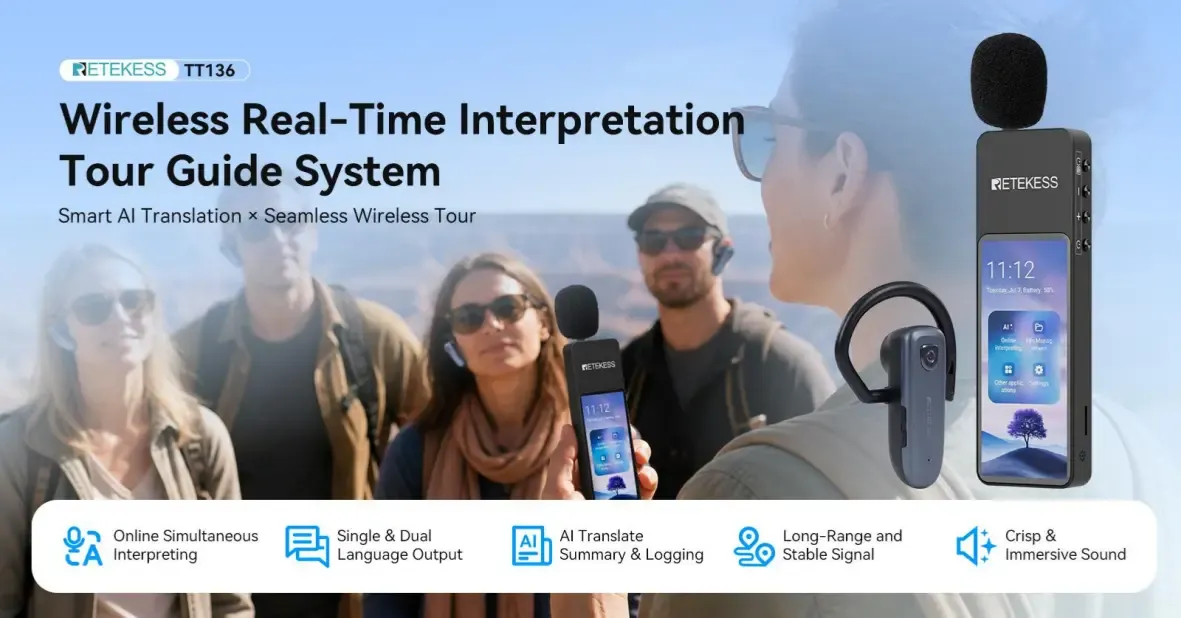
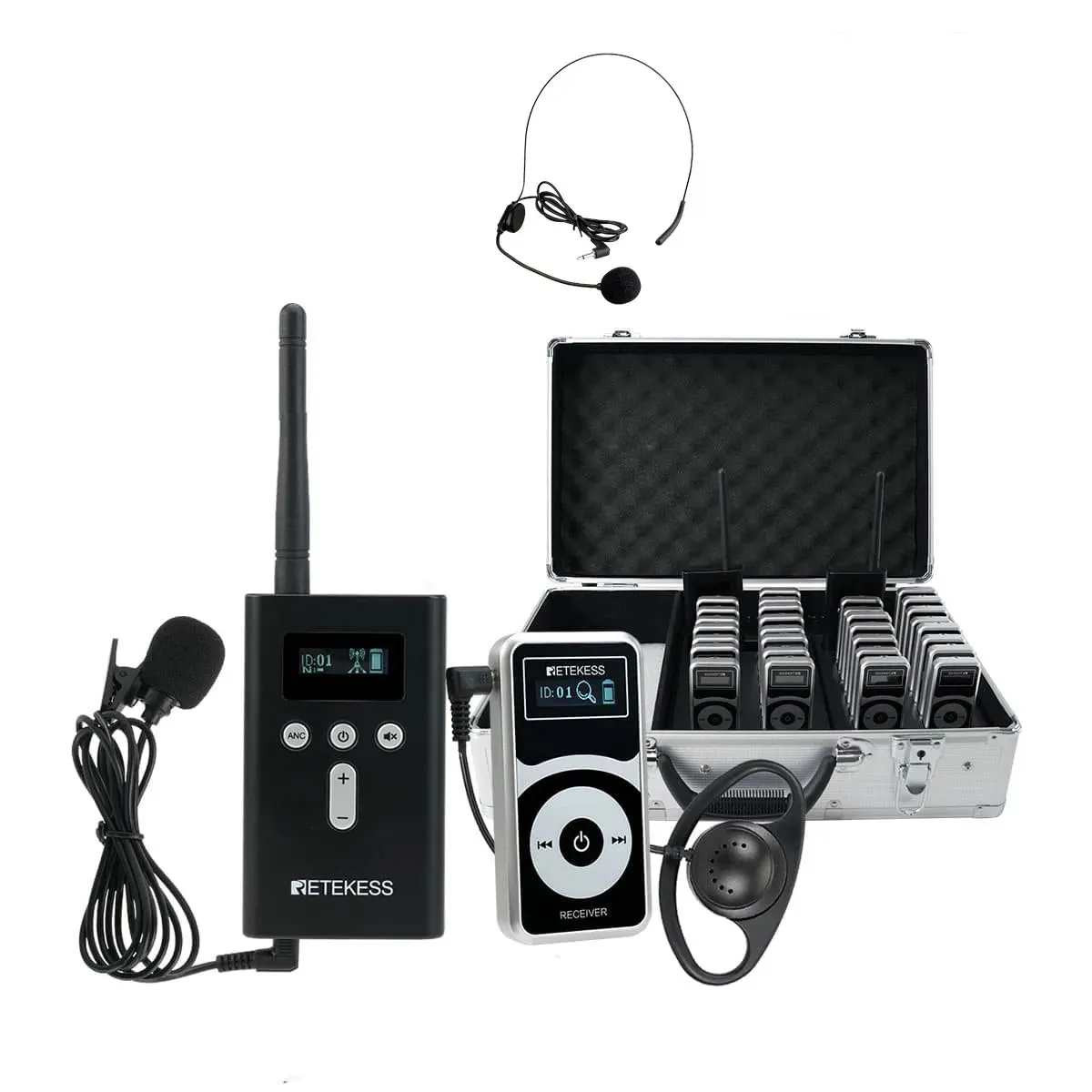
The right tool makes self-guided tour management much simpler. The Retekess TT136 tour guide translation system is built to support both live guided tours and self-guided exploration, addressing the most common pain points of factory showroom operations.
Multilingual Support for Every Visitor
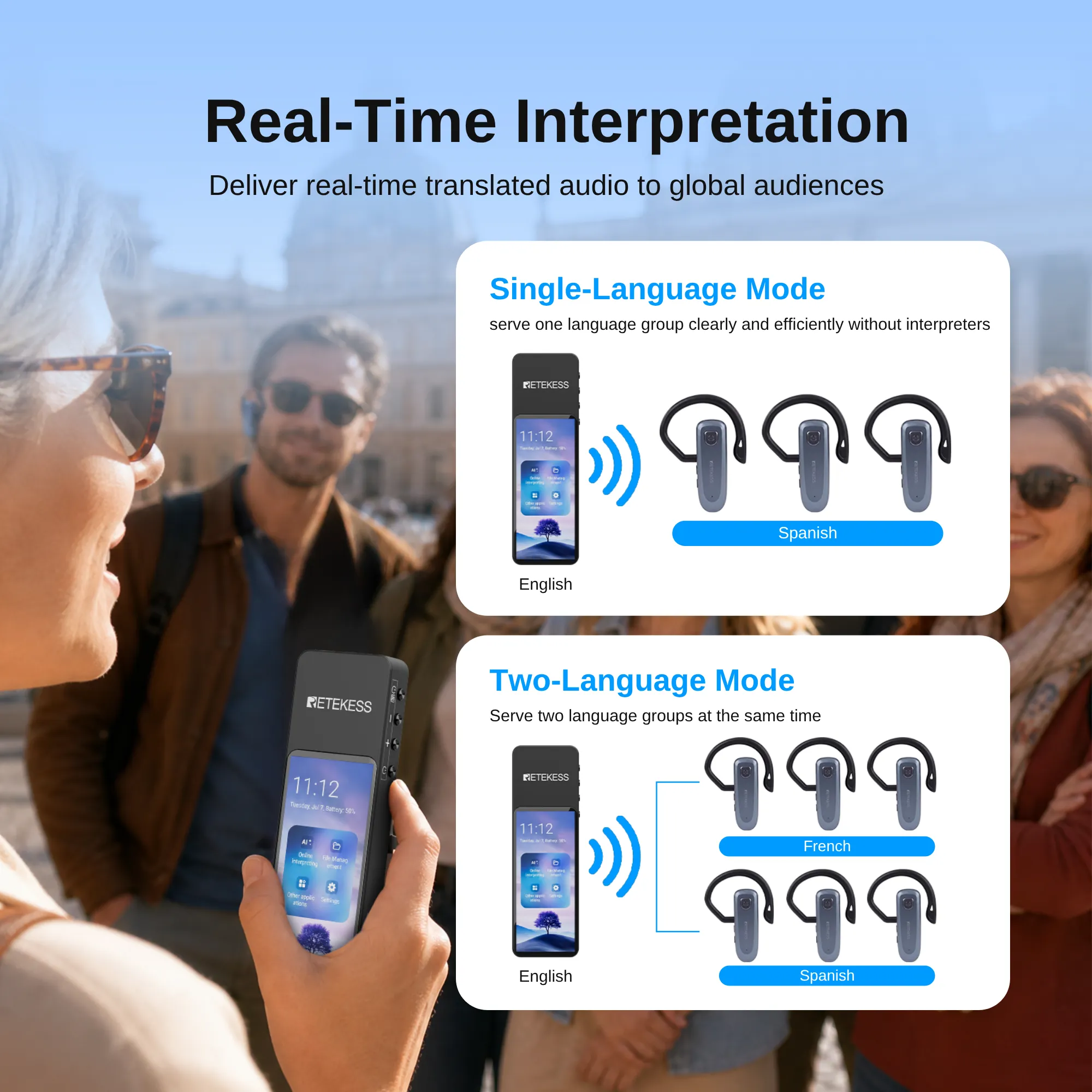
With support for around 120 languages via Wi-Fi or mobile hotspot, the TT136 removes language barriers for self-guided visitors. You can pre-record tour explanations in multiple languages and store them directly on the device. Visitors simply select their preferred language and listen to clear, native-language explanations at each exhibit.
For mixed-language groups or live Q&A sessions, the real-time interpretation feature converts speech into selected languages and sends audio directly to visitor receivers. This means international guests can follow along even during unscripted parts of the visit, without needing a separate human translator.
Stable Audio Across Large Showroom Spaces
Factory showrooms and sample rooms are often large, spread-out spaces. The TT136 uses 2.4G wireless technology to deliver stable audio across a 150 to 200 meter range. Visitors can walk freely between displays, step closer to examine samples, and explore side sections without losing audio clarity.
The system also supports stereo original audio transmission, creating a more immersive listening experience that makes self-guided visits feel more engaging and professional.
Long Battery Life for All-Day Operation
Few things disrupt a visit faster than a dead audio device. The TT136 transmitter supports up to 20 hours of continuous use, and receivers work for around 13 hours on a single charge. That is enough to cover a full day of showroom operations, with no need for mid-day charging breaks or device swaps.
For visitors who spend extra time exploring your sample room or experience zone, they will not have to cut their visit short because of low battery.
Hygienic, Comfortable Design for Shared Use
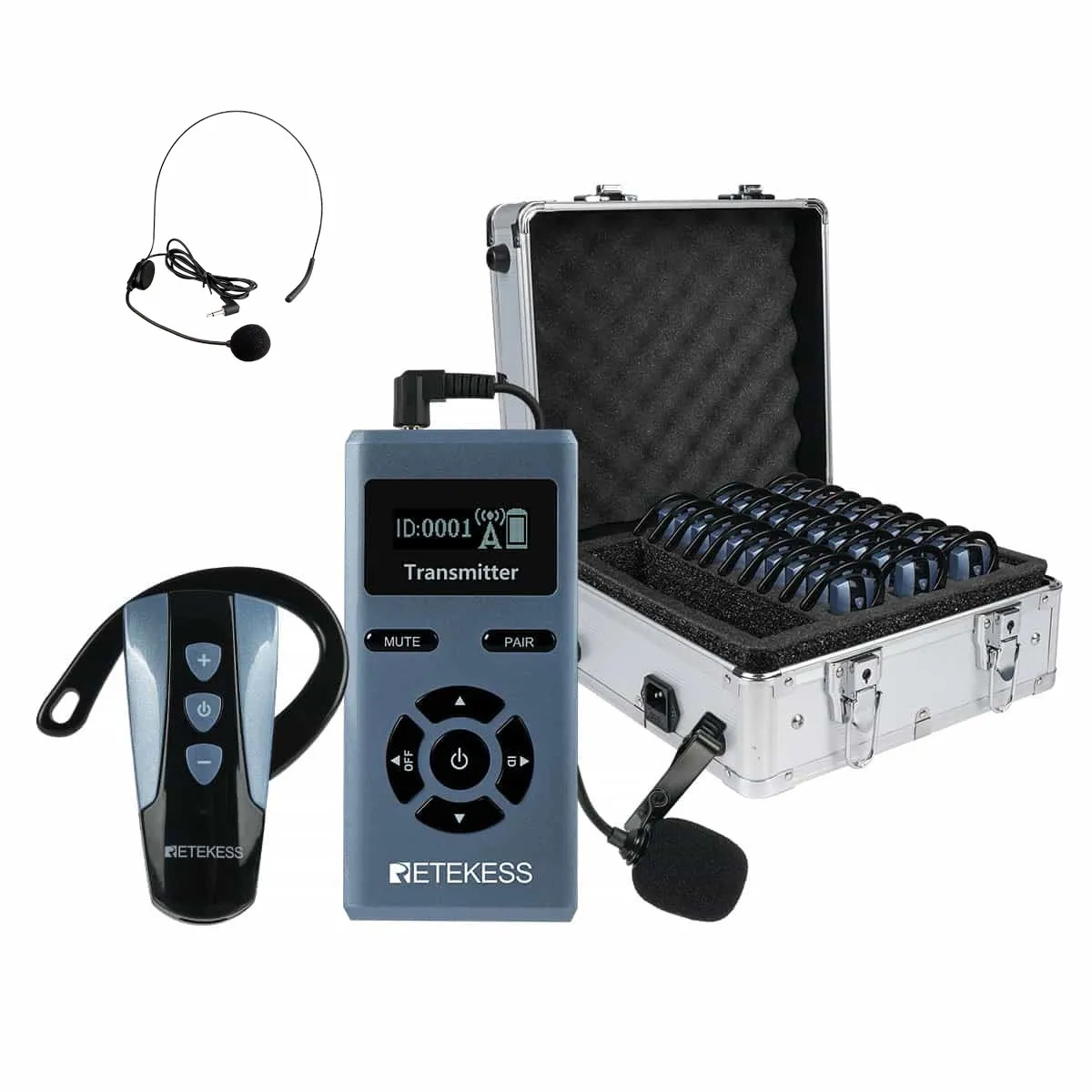
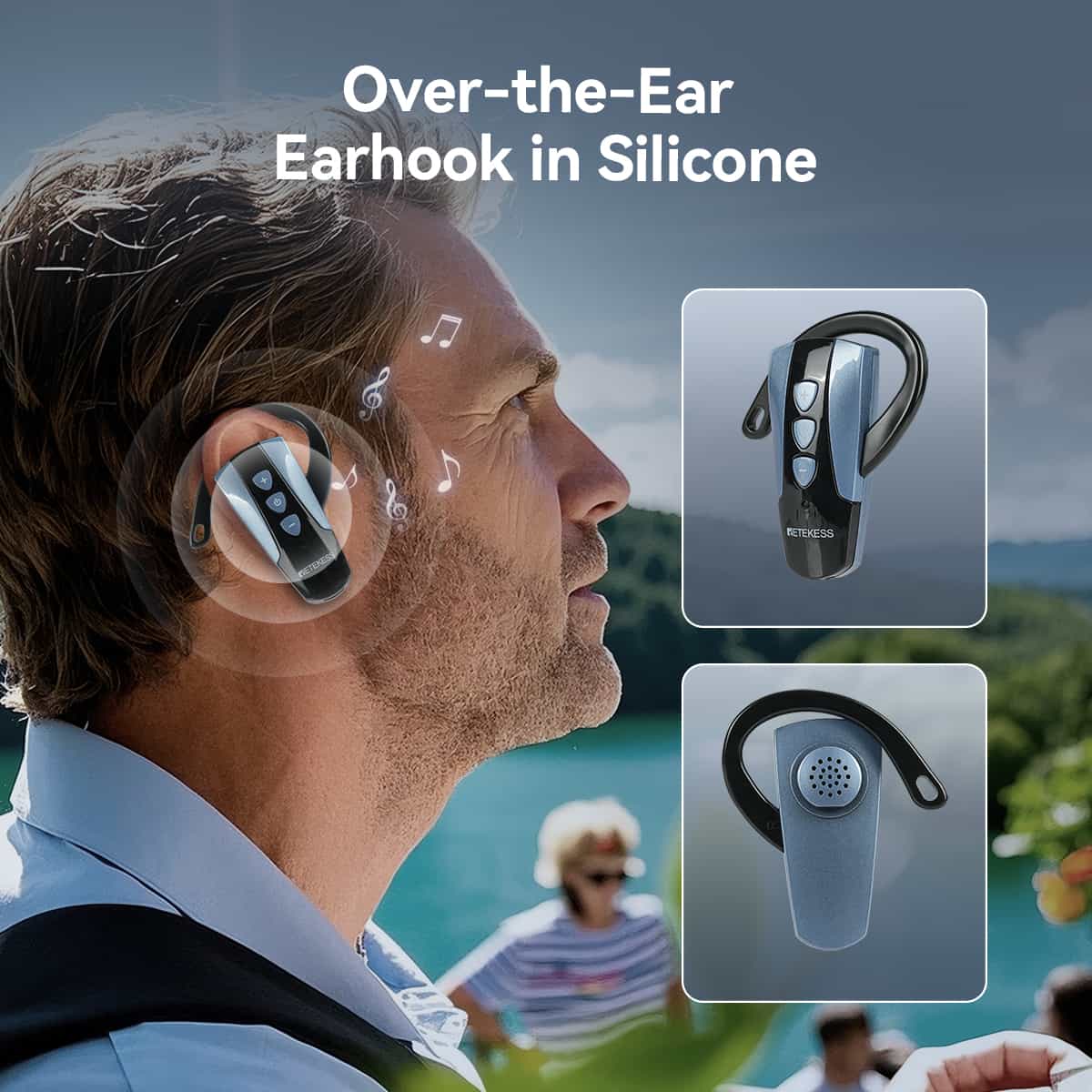
Since self-guided tour devices are used by many different visitors each day, hygiene is a top concern. The TT136 uses an open ear-hook receiver design that reduces direct contact with the ear canal. This is more comfortable for long visits and more hygienic for repeated public use.
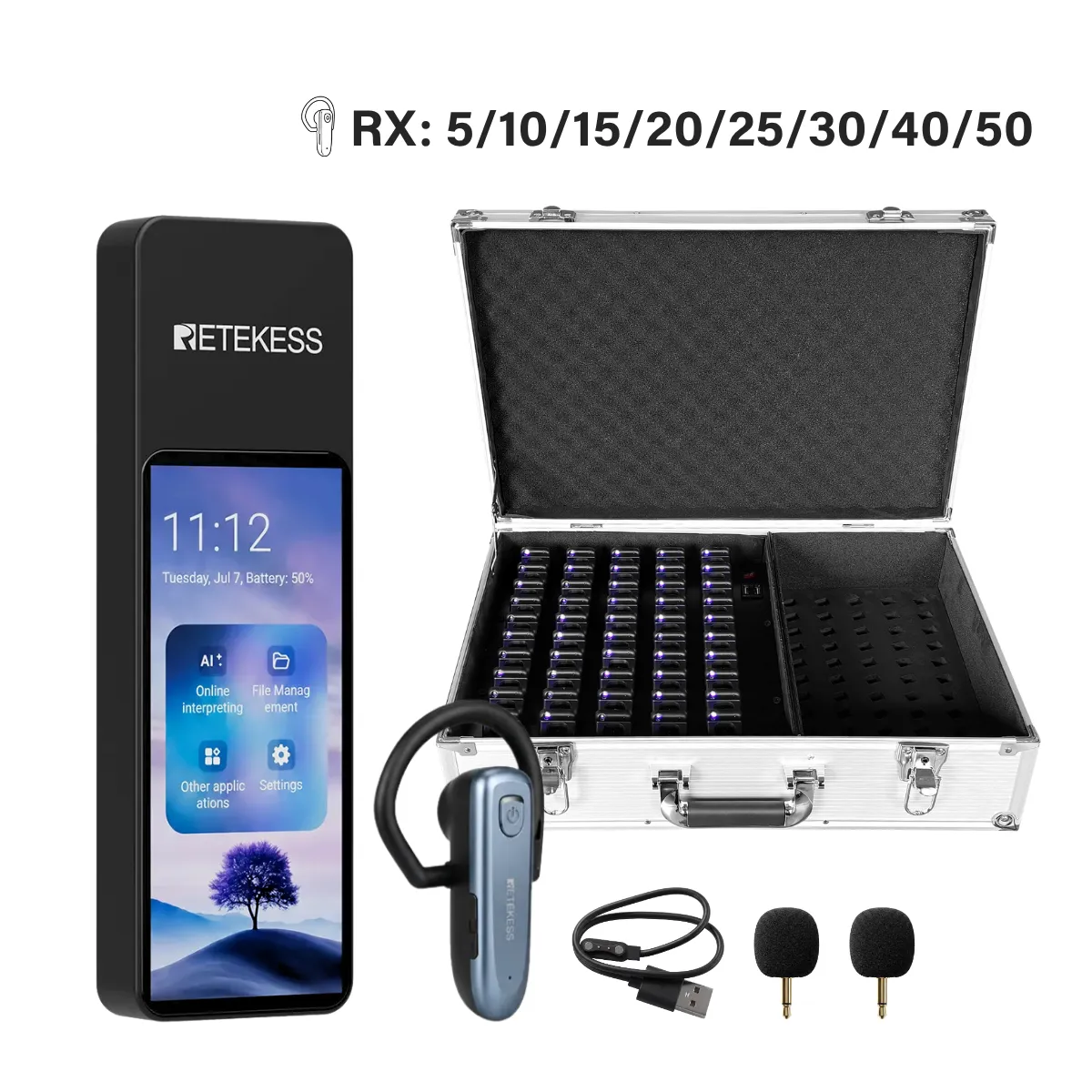
The included charging case also supports storage and sanitation for multiple units at once. Staff simply place receivers back in the case after use, and they charge, clean, and stay organized for the next visitor.
Simple Content and Device Management
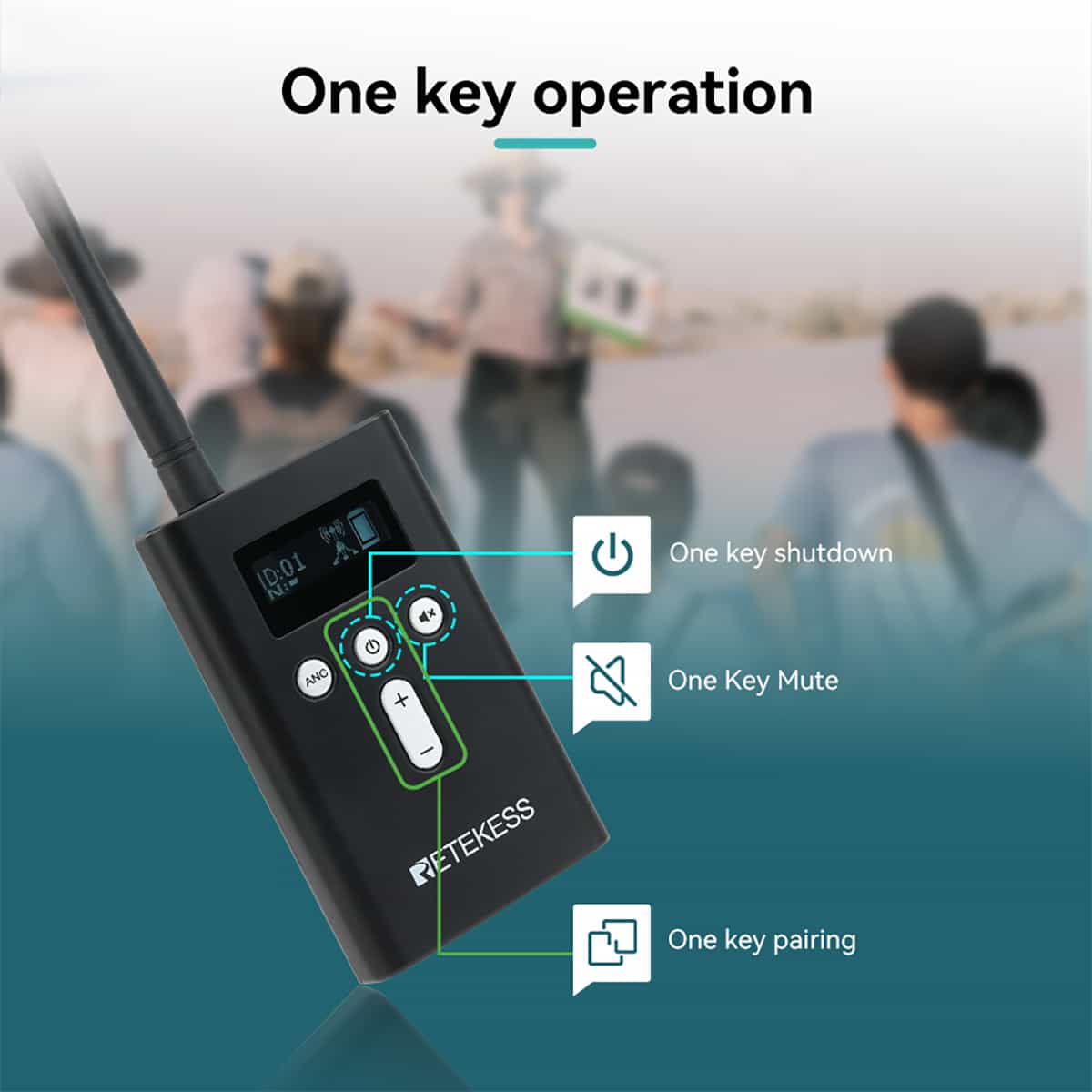
For showroom operators, managing self-guided tour content and devices should not add extra work. The TT136 features a 3.99-inch touch display with Android system, making it easy to upload, update, and organize tour recordings. You can add new product explanations, update brand stories, or adjust content for different events without complex technical support.
The centralized charging and storage case also simplifies device management for tour operators and facility managers. At the end of the day, you can quickly count devices, charge them all at once, and keep them secure.
Measurable Benefits of Adding a Self-Guided Tour Option
Investing in a self-guided tour system delivers clear returns for your showroom operation.
First, you get more consistent content delivery. Every visitor hears the same accurate, on-brand information, whether they join a group tour or explore on their own. No one misses key product details or brand messages because they wandered away from the group.
Second, visitor satisfaction goes up. People appreciate being able to set their own pace, spend more time on what interests them, and skip sections they do not care about. This positive experience makes visitors more likely to remember your brand and recommend it to others.
Third, you reduce pressure on your staff. With a self-guided option, your guides can focus on groups that need live support, while walk-in visitors and independent explorers can start their visit right away. You can serve more visitors during peak times without hiring extra temporary staff.
Finally, you create a more inclusive experience. International visitors, people with accessibility needs, and introverted guests all benefit from having a self-guided option that lets them engage with your brand on their own terms.
Next Steps to Upgrade Your Showroom Tour Experience
Adding a self-guided tour option to your factory showroom, sample room, or brand experience zone does not have to be complicated. You can start small and expand over time.
Begin by mapping out your 5 to 10 most important exhibit stops. Write short, clear scripts for each stop, in the languages your visitors use most. Then test an audio guide system like the Retekess TT136 to confirm sound quality, transmission range, and battery life work for your space.
Run a pilot with a small group of visitors, ask for feedback, and adjust your content and route based on what you learn. Once the system works well for your core route, you can add more stops, deeper content layers, and additional languages.
Final Thoughts
A self-guided tour is not a replacement for live guided tours — it is a complement that lets you serve more types of visitors, more effectively. For factory showrooms, sample rooms, and brand experience zones, balancing free exploration with deep, accurate content delivery is the key to creating memorable, valuable visits.
With the right audio guide system in place, you can give visitors the freedom they want while making sure your brand message reaches every single person who walks through your doors.
![[18th Anniversary] 18 Years of Echoing Excellence: Making Communication Easier, Connecting Trust Beyond Borders](https://res.retekess.com/z_file/20260716/retekess-brand-story-making-communication-easier_20260716151044_7682.jpg)
![[18 Years in Wireless Communication] Silent Disco Systems Anniversary Celebration: Top-Selling Headphones & Event Mechanics Revealed!](https://res.retekess.com/z_file/20260713/18-years-in-wireless-communication-silent-disco-systems-anniversary-celebration_20260713175011_5749.webp)
![[Anniversary Carnival] Ding-dong! 18th Anniversary Mega Sale on Guest Paging & Calling Systems: Full Reveal of 12+ Products & Promo Rules!](https://res.retekess.com/z_file/20260713/18th-anniversary-mega-sale-on-guest-paging-calling-systems_20260713175257_0295.webp)
![[Retekess 18th Anniversary Teaser] Tour Guide System Exclusive Perks: Sneak Peek at Event Dates & Mechanics!](https://res.retekess.com/z_file/20260713/retekess-18th-anniversary-tour-guide-system-exclusive-perks--2-_20260713180135_6435.webp)
Follow Us
Pay With


 Google
 Amazon
Comments (0)