
Table of Contents
The October Museum Strategy: How to See Italy's Big Five Without the Summer Regret
- Retekess
- Oct 15, 2026
October Is a Shoulder Season, Not a Secret
October in Italy sells itself. Temperatures drop to a walkable 15–22°C, summer crowds thin by nearly half, and the slant of autumn light against limestone and marble creates a mood that July simply cannot replicate. It feels like the perfect time to wander the Vatican Museums, stand before Michelangelo's David, or lose an afternoon in the Uffizi.
But here is what the postcard does not show: shoulder season does not mean walk-in friendly.
The Vatican Museums still see 25,000 visitors a day in October. The Uffizi still sells out its morning slots a week in advance. The Colosseum still operates on timed entry. The difference between August and October is not the absence of crowds. It is the size of the margin for error. In summer, a poor plan means heatstroke. In October, a poor plan means standing in a beautiful gallery with a ticket you cannot use, watching the light fade on a Botticelli you cannot reach.
This guide is about closing that margin.
The Booking Reality: What You Are Actually Competing Against
Before you choose a date, understand the field. In October, Italy's Big Five museums do not empty out. They simply shift from "overwhelming" to "competitive."
|
Museum |
Average daily visitors(Oct.) |
Booking Lead Time |
Peak Times |
What Makes It Competitive |
|
Vatican Museums |
25,000-30,000 |
2-4 weeks |
9:00-11:00 AM |
Tour operators block-book early; morning entry disappears first |
|
Uffizi Gallery |
12,000-15,000 |
1-2 weeks |
10:00 AM-1:00 PM |
Florence day-trippers arrive at the same time |
|
Accademia Gallery |
6,000-8,000 |
1-2 weeks |
Around David 9:30-11:00 AM |
Small interior volume; most visitors cluster around David quickly |
|
Colosseum |
18,000-22,000 |
2-3 weeks |
10:00 AM-2:00 PM |
Timed entry plus long standard-ticket queues |
|
Doge's Palace |
8,000-10,000 |
3-7 days |
11:00 AM-1:00 PM |
Bottlenecks form at the Bridge of Sighs and main route transitions |
Mini Takeaway Box
- The Vatican and Uffizi are the hardest to time well.
- Accademia is physically smaller than many visitors expect.
- The Colosseum punishes standard-entry buyers.
- Doge’s Palace is manageable—but only if you avoid the midday route bottleneck.
The strategy is not to avoid people. It is to arrive where they are not.
The Anti-Crowd Reservation Strategy
Vatican Museums: Book the Edges
Reserve the 8:00 a.m. first entry or the Friday or Saturday 7:00 p.m. night opening. The morning slot gives you 90 minutes before the tour-bus tsunami. The night opening—available through October—cuts daily attendance by roughly 60% and lets you see the Sistine Chapel under artificial light that most visitors never witness. Book four to six weeks ahead.
Uffizi: Chase the Afternoon Light
Book Tuesday or Thursday, 4:00–6:00 p.m. Tour groups begin evacuating Florence by 3:00 p.m. to catch buses back to Rome or Milan. By 4:30, the long corridors open up. More importantly, the low October sun angles through the north-facing windows between 4:00 and 5:30, throwing a warm, diffuse light across Botticelli's Primavera that the harsh summer sun never produces. This is the Uffizi's golden hour, and most tourists miss it entirely.
Accademia: Front-Load Your Morning
Take the 8:15 a.m. first slot. David stands at the end of a long nave; if you are inside at 8:20, you will have him nearly alone for ten minutes. By 9:30, the hall becomes a shuffle of selfie sticks. Budget 60 minutes total, then walk twelve minutes to the Uffizi for a 10:30 follow-up.
Colosseum: Buy the Restricted Ticket
The standard-entry ticket is a trap. Instead, book the Underground and Arena Floor combined tour. It costs more and limits group size, which means it filters out 70% of the casual visitors. The underground hypogeum—where gladiators and animals waited before rising through trapdoors—is only accessible by guided tour, and the arena-floor perspective changes how you understand the architecture. Book the 8:30 a.m. or 4:00 p.m. slot.
Doge's Palace: Take the Secret Route
The standard palace route is beautiful but packed. The Secret Itinerary tour—accessing hidden passages, the interrogation rooms, and Casanova's prison cell—runs in small groups with hard caps. It books out three to seven days in advance in October, but the experience is dramatically quieter and narratively richer.
The Flow Strategy: Moving Through Without Fighting
In Rome, do not try to do the Vatican and the Colosseum on the same day. They are on opposite sides of the city, and each deserves full cognitive bandwidth. Instead, pair the Vatican with St. Peter's Basilica in one morning, then spend your afternoon at Centrale Montemartini—a decommissioned power plant housing ancient Roman sculpture in an industrial cathedral that receives almost no tour traffic.
In Florence, the Accademia-to-Uffizi same-day hack works because the two museums are twelve minutes apart on foot and because Accademia has a natural time limit: once you have seen David and the unfinished Slaves, you are done. Leave by 9:45, grab a coffee at Mercato del Porcellino, and enter the Uffizi at 10:30—just as the early-morning rush is peaking and beginning to thin.
In Venice, schedule Doge's Palace for late morning, then escape the Piazza San Marco vortex by walking ten minutes to the Scuola Grande di San Rocco. Tintoretto covered its walls with massive canvases in the 16th century, and in October you will share the space with perhaps a dozen other visitors.
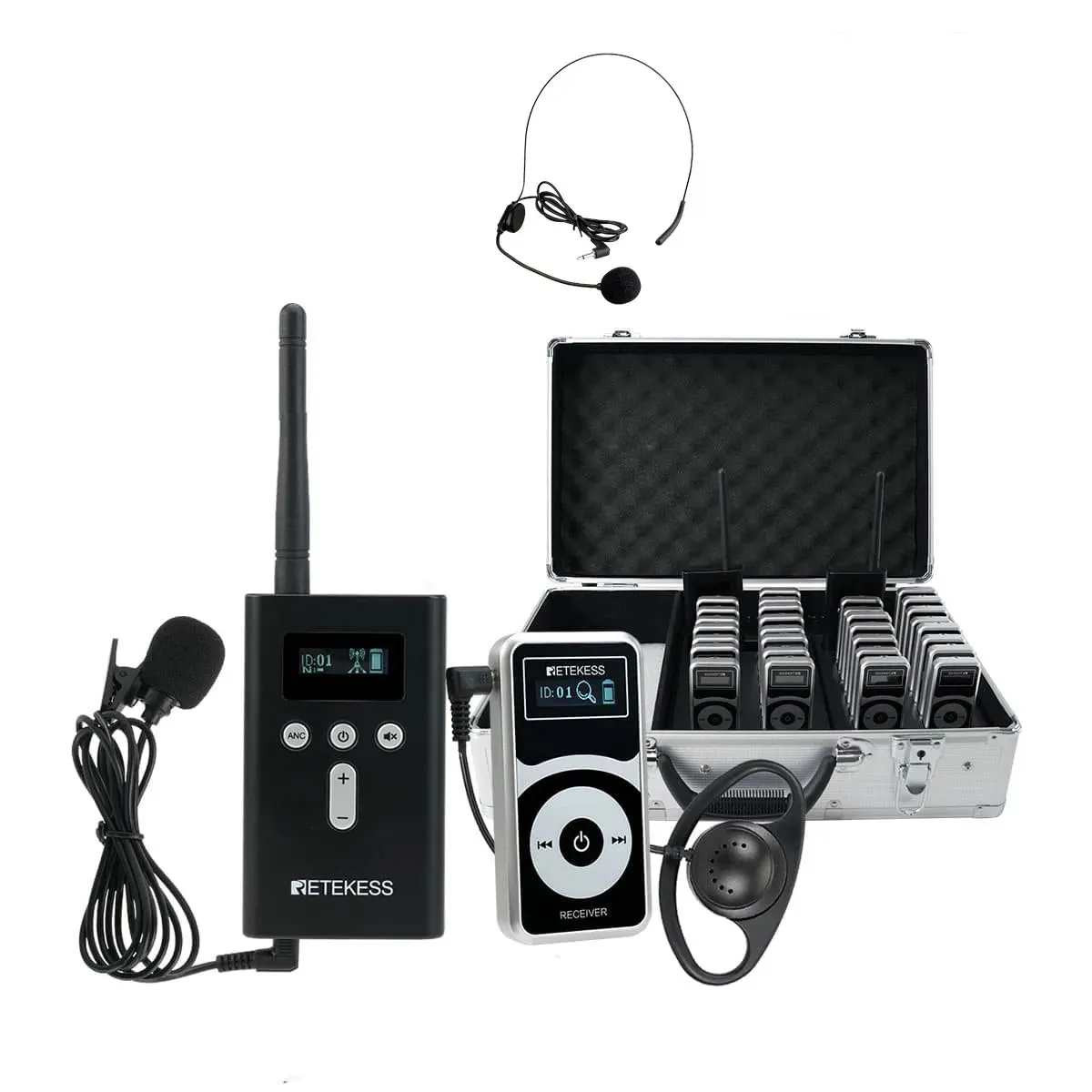
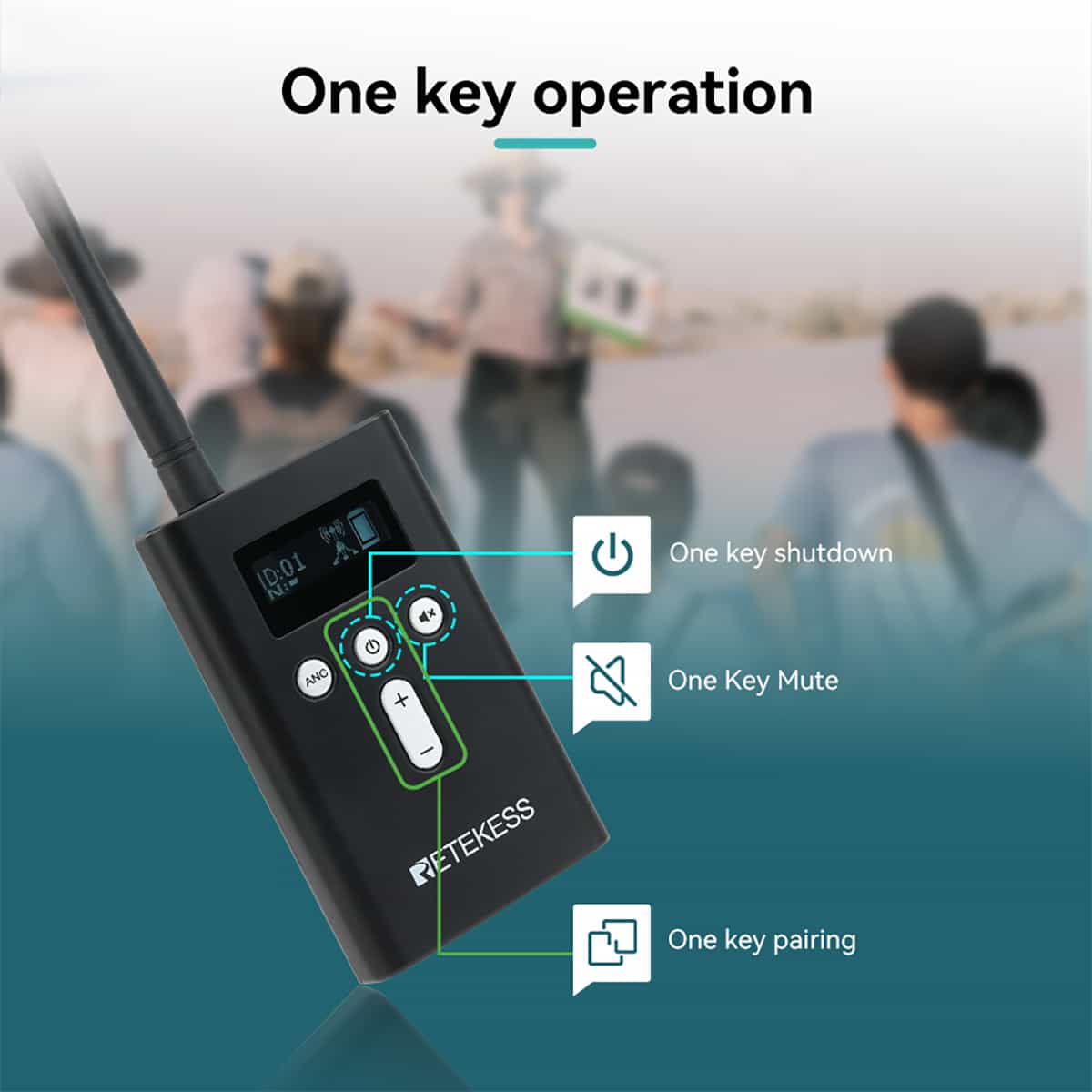
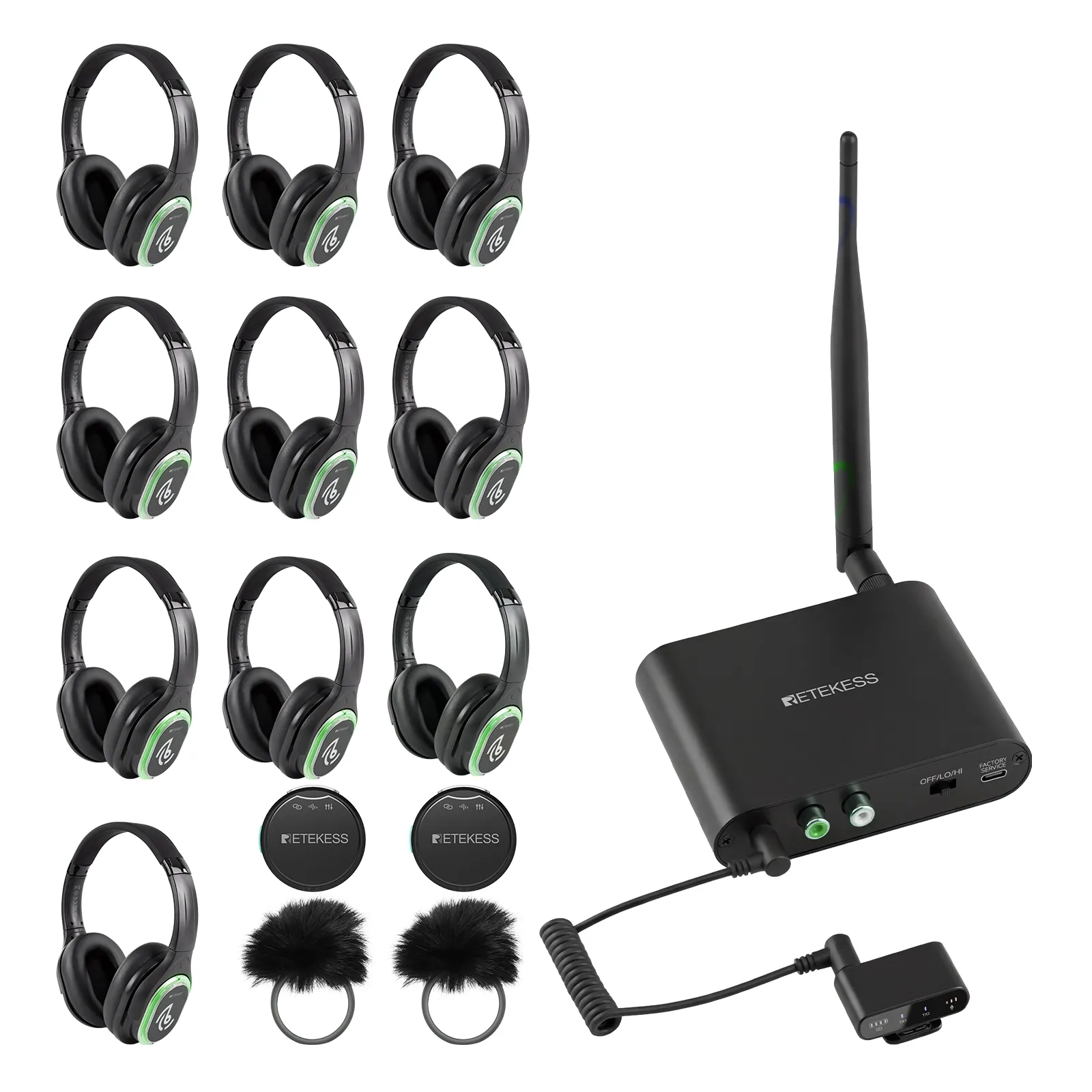
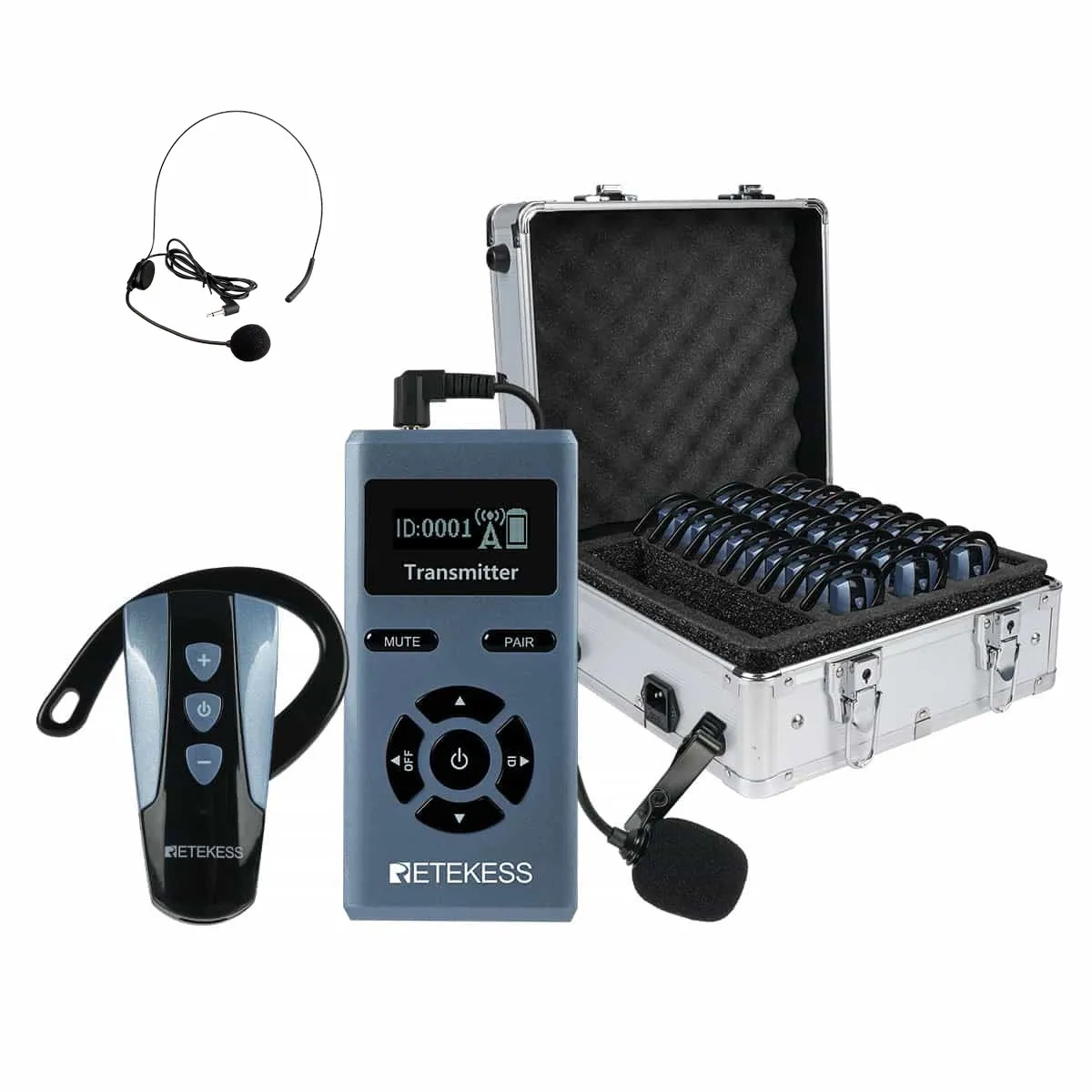
For guides moving groups through busy museum interiors, clear audio delivery can matter just as much as a well-timed ticket. In shoulder season, when galleries are still active but less chaotic than summer, lightweight tour guide headsets can make commentary easier to follow without interrupting the flow of the visit.
October-Specific Tactics
Dress for the building, not the street. Italian museums are carved from stone and marble. In October, their interiors run 3–5°C cooler than the outdoor temperature. The Vatican's long galleries and the Uffizi's corridors can feel genuinely chilly by late afternoon. Bring a layer you can carry.
Watch the weather. October is Italy's autumn rain season. If the forecast turns, the Colosseum's underground tour becomes your best friend—it is entirely covered. Conversely, Venice's acqua alta (high water) typically begins in late October; check tide forecasts if your Doge's Palace visit falls in the final week of the month.
Use the light. Schedule the Uffizi and the Vatican's Gallery of Maps in the late afternoon. The autumn sun sits lower, and the resulting warm, directional light transforms painted surfaces in ways that midday glare simply flattens.
The October Mindset
October in Italy is not a discounted version of summer. It is a different experience entirely. The galleries are cooler, the light is angled, the crowds are manageable but not absent, and the city breathes differently.
The only mistake is assuming that shoulder season forgives poor planning. It does not. It simply shifts the penalty from heat exhaustion to missed reservations.
Book the edges. Front-load the mornings. Chase the afternoon light. And remember: summer regret is about crowds you cannot escape. October regret is about slots you failed to reserve. The first is unavoidable. The second is a choice.
FAQ: Planning Italy’s Big Five Museums in October
Is October a good time to visit Italy’s major museums?
Yes. October offers cooler weather and somewhat lighter crowds than summer, but the major museums are still busy and usually require advance booking.
Can I visit the Accademia and Uffizi on the same day?
Yes. A practical plan is Accademia at 8:15 a.m. followed by the Uffizi at 10:30 a.m. The walk between them is short.
Is the standard Colosseum ticket worth it in October?
It can be, but many visitors get a better experience by booking the Underground and Arena Floor option, which is usually less crowded.
What should I wear to museums in Italy in October?
Bring layers. Many museum interiors feel cooler than the street, especially in the afternoon.
Are guided groups easier to manage in October?
They are easier to move than in summer, but museums can still be busy enough to make spoken commentary difficult. For small groups, a lightweight tour guide audio system can help keep explanations clear.










![[18th Anniversary] 18 Years of Echoing Excellence: Making Communication Easier, Connecting Trust Beyond Borders](https://res.retekess.com/z_file/20260716/retekess-brand-story-making-communication-easier_20260716151044_7682.jpg)
![[18 Years in Wireless Communication] Silent Disco Systems Anniversary Celebration: Top-Selling Headphones & Event Mechanics Revealed!](https://res.retekess.com/z_file/20260713/18-years-in-wireless-communication-silent-disco-systems-anniversary-celebration_20260713175011_5749.webp)
![[Anniversary Carnival] Ding-dong! 18th Anniversary Mega Sale on Guest Paging & Calling Systems: Full Reveal of 12+ Products & Promo Rules!](https://res.retekess.com/z_file/20260713/18th-anniversary-mega-sale-on-guest-paging-calling-systems_20260713175257_0295.webp)
![[Retekess 18th Anniversary Teaser] Tour Guide System Exclusive Perks: Sneak Peek at Event Dates & Mechanics!](https://res.retekess.com/z_file/20260713/retekess-18th-anniversary-tour-guide-system-exclusive-perks--2-_20260713180135_6435.webp)

Follow Us
Pay With


 Google
 Amazon
Comments (0)