
Table of Contents
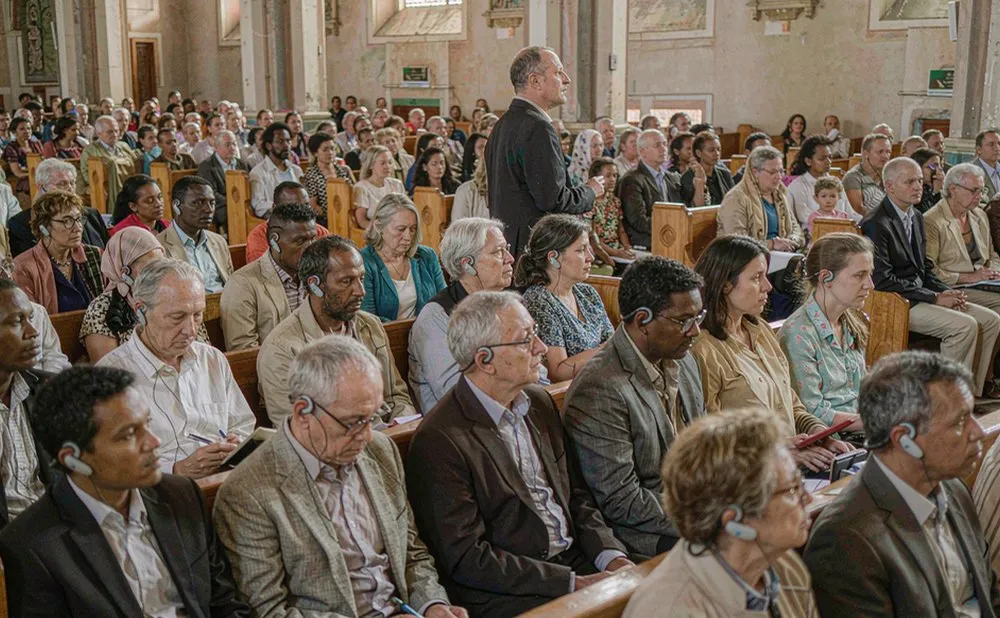
What does real-time translation look like for a group in 2026?
- Retekess
- Sep 29, 2026
By 2026, what will the "real-time translation" experience be like when meeting a team's translation needs?
Four approaches compete, and they deliver very different experiences. This guide walks through each one — what it costs, what it sounds like, how guests experience it, and when it's worth the trade-offs.
The 4 Approaches to Real-Time Tour Translation
Approach 1: Multiple Human Guides (the traditional approach)
Hire one guide per language. Tourists cluster by language and follow their assigned guide.
- Cost: 400 per guide per tour × number of languages
- Pro: highest comprehension, authentic cultural nuance
- Con: operationally complex; expensive at scale; limits your language coverage to what you can hire
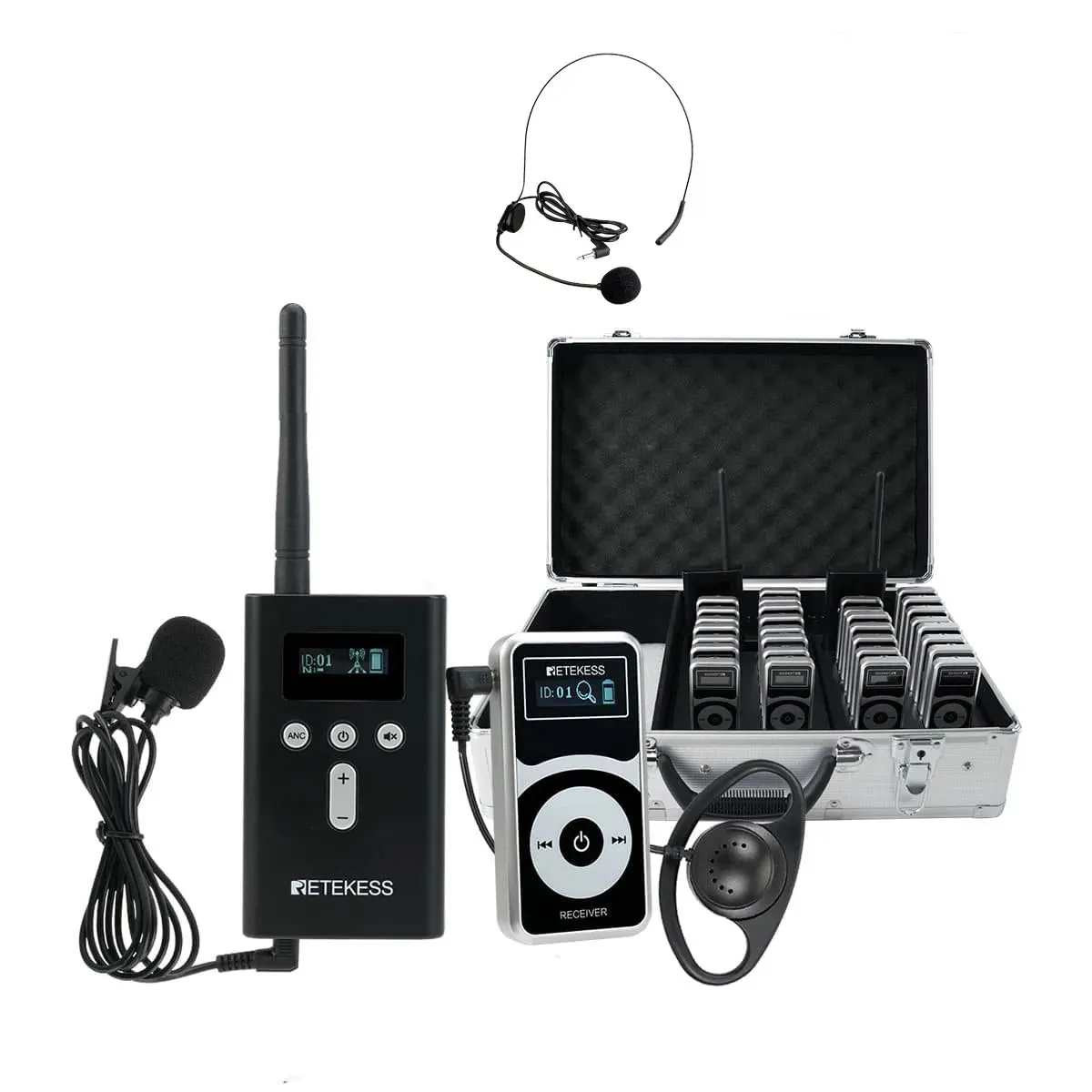
Approach 2: Tour Guide System with Whisper Interpreter (Wireless-based)
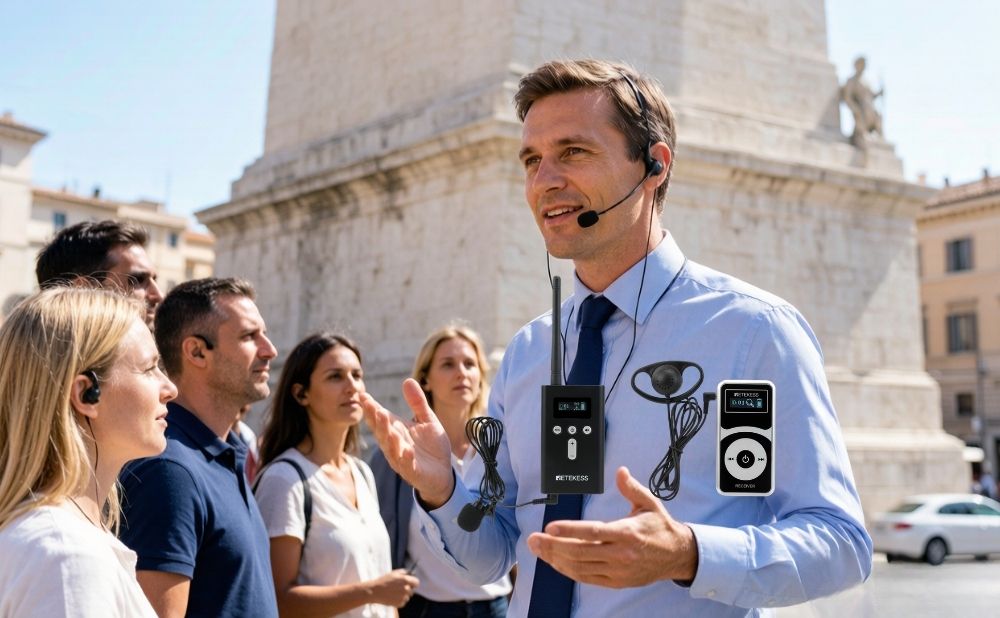
One guide speaks. A whisper interpreter (human) follows along, interprets into a second language, and broadcasts on a separate FM channel. Tourists with receivers tuned to that channel hear the interpretation.
- Cost: 3,000 for equipment + interpreter fee
- Pro: accurate, low-tech, no app needed
- Con: adds 2–5 seconds of latency; one extra language at a time; requires hiring an interpreter
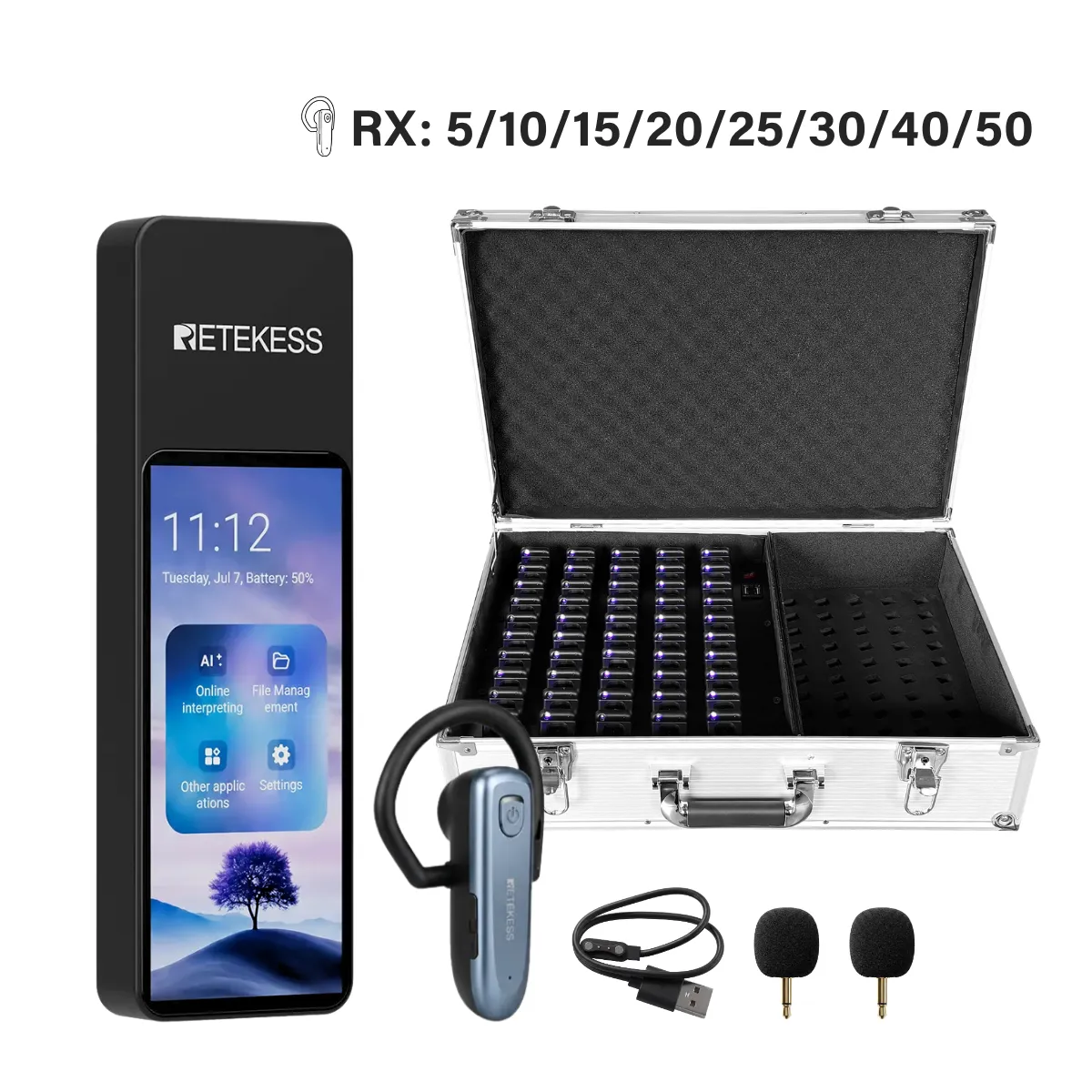
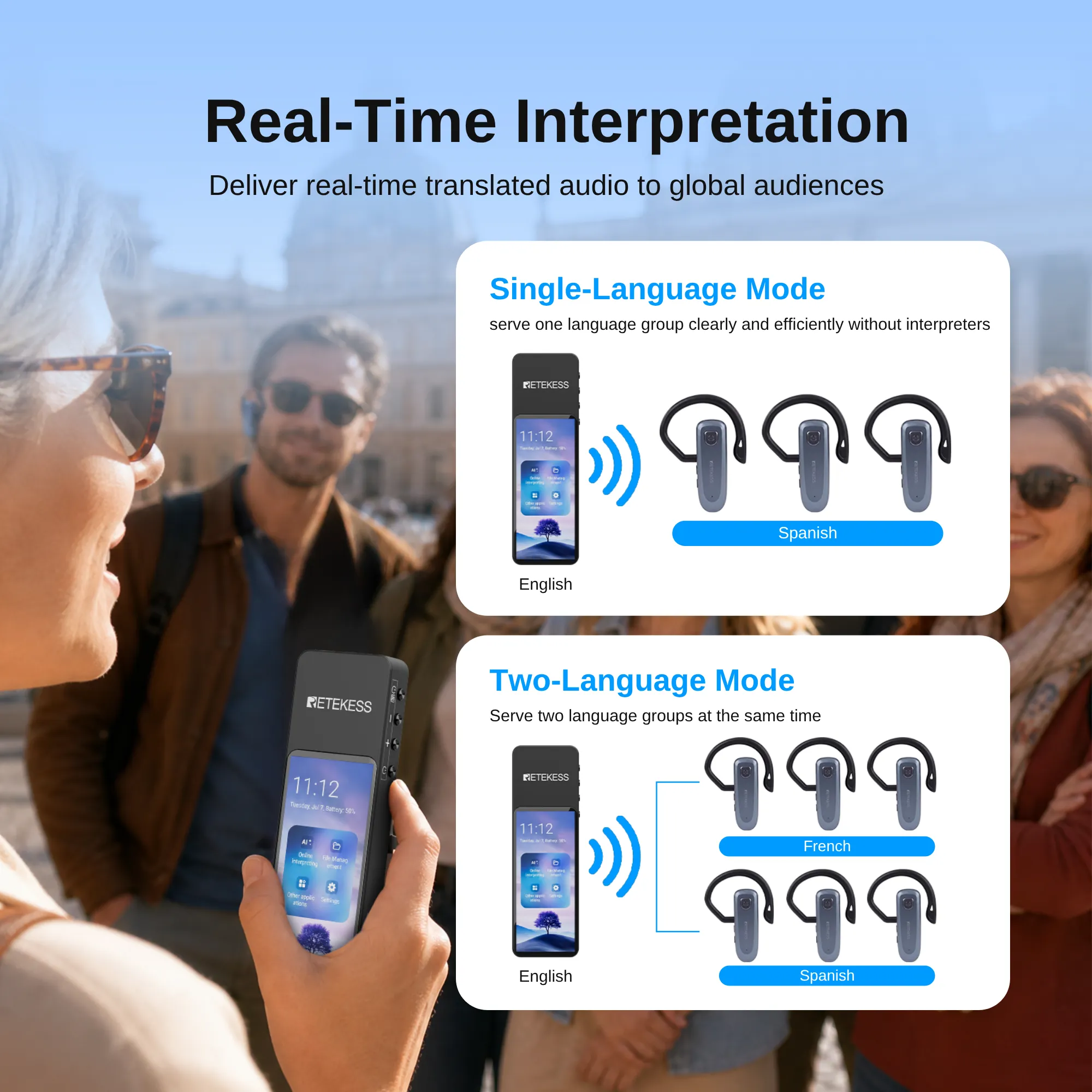
Approach 3: AI Translation Device (the 2026 newcomer)
One guide speaks. AI on the transmitter translates in real time and broadcasts to receivers on multiple channels — one per language.
- Cost: 3,500 for hardware, near-zero marginal cost per tour
- Pro: scales to 120 languages, no interpreter needed, low latency
- Con: 90–95% accuracy on top language pairs; below 80% on rare pairs; still robotic in edge cases
Approach 4: Smartphone App-Based Translation
Tourists install an app on their own phone, connect to a guide's audio stream, and hear translation through their earphones.
- Cost: 10 per tourist in app fees; 500 for guide's transmitter
- Pro: zero hardware to distribute; tourists use their own earphones
- Con: every tourist needs a charged phone, the right app, internet or Bluetooth connection, and the patience to set it up
For tour operators in 2026, the decision is increasingly between Approach 2 (FM + interpreter) and Approach 3 (AI). Approach 4 is dying because of the friction.
Approach-by-Approach Comparison
| Aspect | Multiple Human Guides | FM + Whisper | AI Device | App-Based |
|---|---|---|---|---|
| Comprehension | 99%+ | 95–99% | 85–95% | 75–90% |
| Latency | None | 3–8 sec | 1–3 sec | 2–8 sec |
| Cost per tour (25 guests) | 1,200 | 600 + interpreter | 100 amortized | 50 |
| Languages covered | 1–3 (hire limit) | 1–2 (interpreter limit) | 120 | 50–100 |
| Tourist setup | None | Pick up receiver | Pick up receiver | Install app, pair, connect |
| Works without internet | Yes | Yes | Yes (on-device) | Sometimes |
| Works for elderly tourists | Excellent | Excellent | Excellent | Poor |
| Battery concerns | None | 8–12 hr receivers | 8–12 hr receivers | Phone-dependent |
| Operational complexity | High | Medium | Low | High |
| Best for | Cultural tours | Bilingual groups | Multilingual groups | Tech-savvy backpackers |
AI vs Traditional: The Real Question
For most tour operators in 2026, the choice comes down to:
- AI if you need to cover 5+ languages, can't afford interpreters, or run high-volume tours
- FM + interpreter if you run 1–2 language tours where quality matters most
- Hybrid if you run premium tours (FM + interpreter for English/Spanish) and standard tours (AI for everything else)
The AI option has decisively won on economics — covering 120 languages at a translation cost of $1.50 per hour.
The Latency Question
Latency matters more than most buyers expect.
- 0–2 seconds: feels natural; nobody notices
- 2–5 seconds: noticeable but acceptable
- 5–10 seconds: feels awkward; comprehension drops
- 10+ seconds: feels broken; tourists check their phones
FM + whisper interpreter sits at 3–8 seconds. AI on-device sits at 1–3 seconds. App-based translation often sits at 2–8 seconds with spikes.
For walking tours where the group is constantly moving, lower latency is better — guests don't fall behind waiting for translation.
What About Audio Quality?
All four approaches deliver intelligible speech in 2026. Differences:
- Multiple guides: variable; depends on guide's voice and microphone technique
- FM + interpreter: depends on interpreter's voice and mic; usually excellent
- AI: clean, slightly robotic, improving every quarter
- App-based: depends on phone's Bluetooth codec and earphones
For elderly tourists or those with hearing aids, FM systems with dedicated receivers and T-coil compatibility win. AI ear-hook receivers are catching up but aren't universal yet.
FAQ
Q: Can AI translation handle tour narration well?
A: For most tours, yes — at 90–95% accuracy for major European language pairs. Specialized tours (wine, architecture, history) need glossary pre-loading.
Q: What if my tourists don't have smartphones?
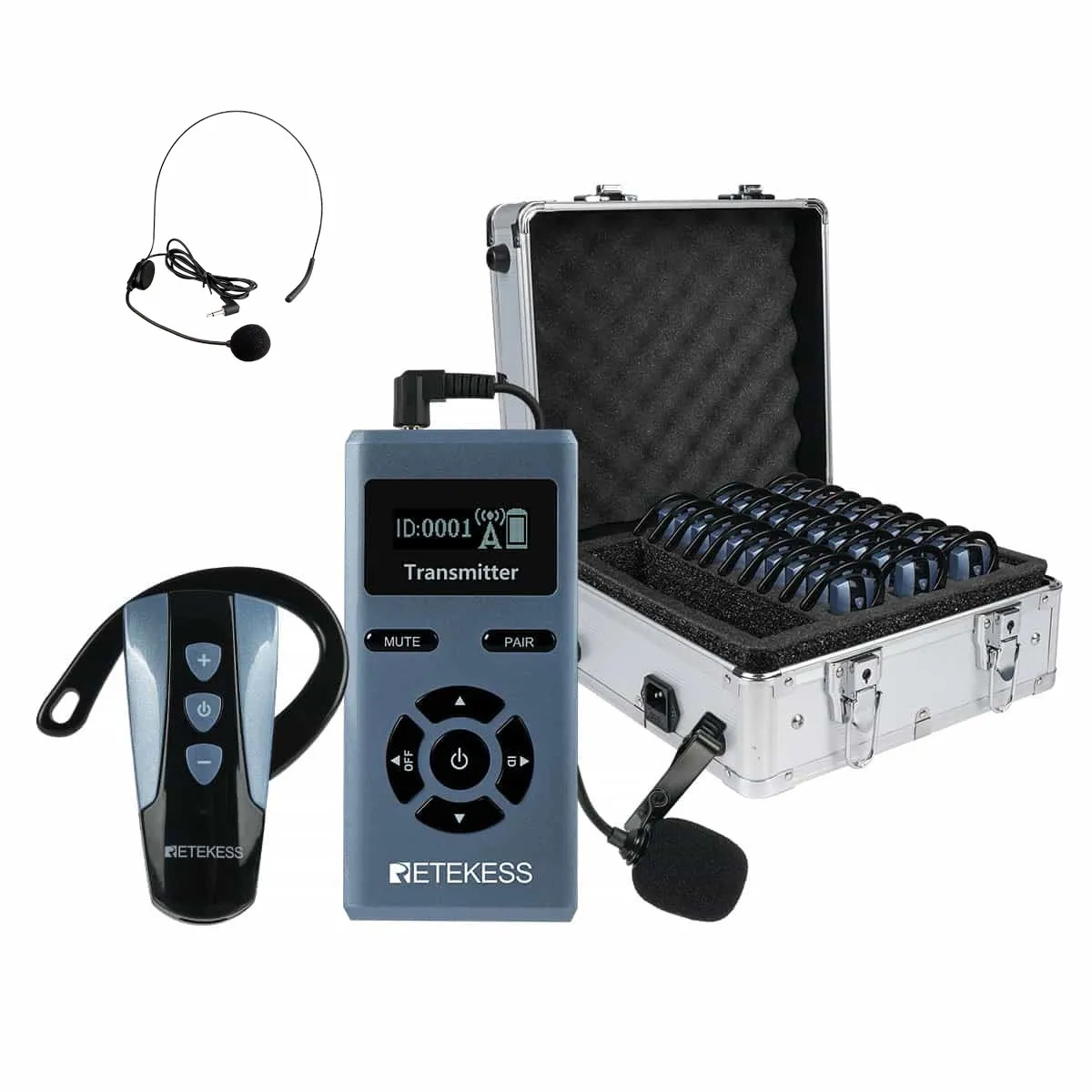
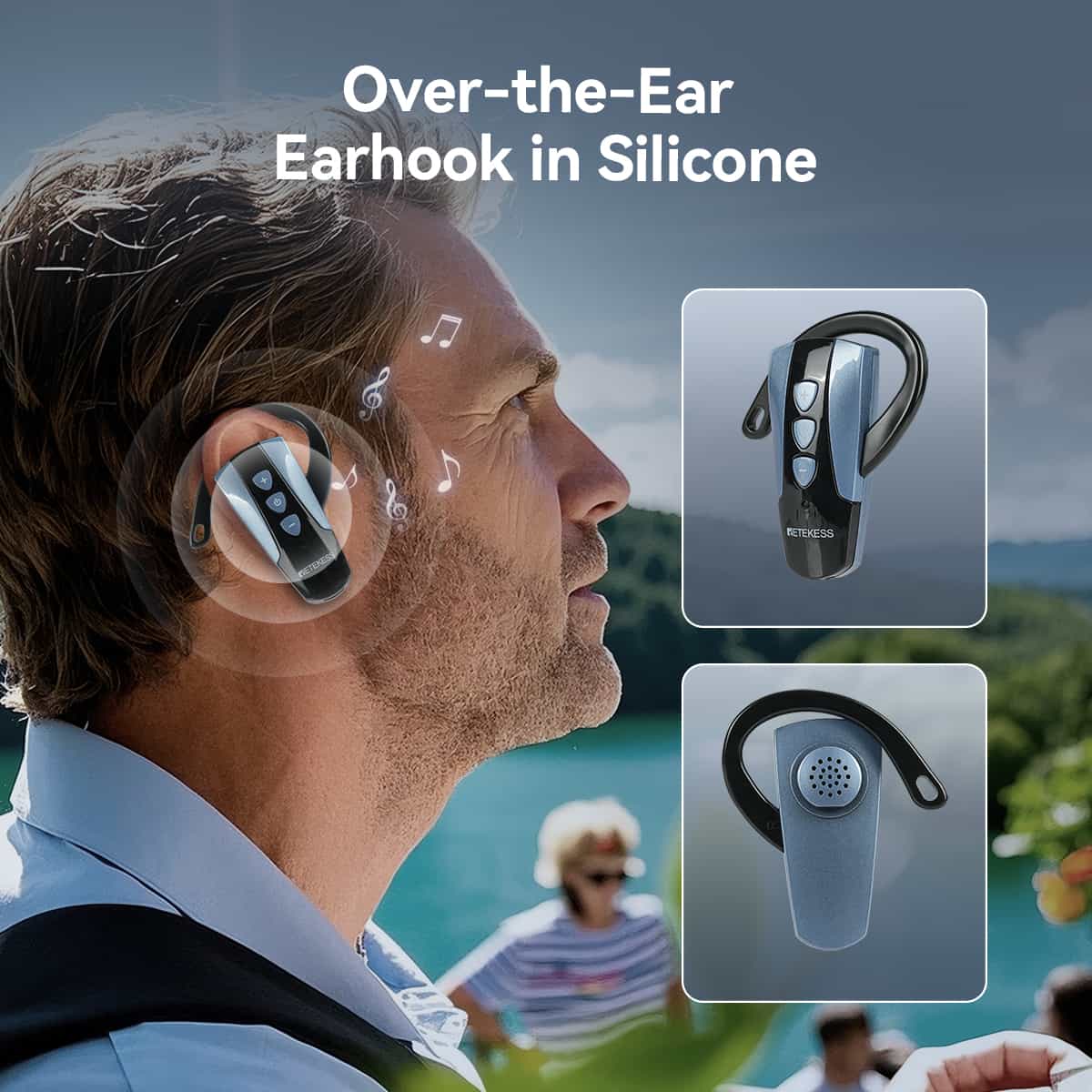
A: AI ear-hook receivers (Retekess TT136, Vox Aura) don't require smartphones. Elderly tourists and children can use them with no setup.
Q: How do tourists return the receivers?
A: At the end of the tour, the guide collects them back into the charging case. Many operators sanitize and re-issue them next morning.
Q: Will my tour guides lose their jobs?
A: No — they become more valuable because they can now serve multilingual groups. The role shifts from "language specialist" to "content expert + multilingual ambassador."

![[18th Anniversary] 18 Years of Echoing Excellence: Making Communication Easier, Connecting Trust Beyond Borders](https://res.retekess.com/z_file/20260716/retekess-brand-story-making-communication-easier_20260716151044_7682.jpg)
![[18 Years in Wireless Communication] Silent Disco Systems Anniversary Celebration: Top-Selling Headphones & Event Mechanics Revealed!](https://res.retekess.com/z_file/20260713/18-years-in-wireless-communication-silent-disco-systems-anniversary-celebration_20260713175011_5749.webp)
![[Anniversary Carnival] Ding-dong! 18th Anniversary Mega Sale on Guest Paging & Calling Systems: Full Reveal of 12+ Products & Promo Rules!](https://res.retekess.com/z_file/20260713/18th-anniversary-mega-sale-on-guest-paging-calling-systems_20260713175257_0295.webp)
![[Retekess 18th Anniversary Teaser] Tour Guide System Exclusive Perks: Sneak Peek at Event Dates & Mechanics!](https://res.retekess.com/z_file/20260713/retekess-18th-anniversary-tour-guide-system-exclusive-perks--2-_20260713180135_6435.webp)
Follow Us
Pay With


 Google
 Amazon
Comments (0)