
Table of Contents
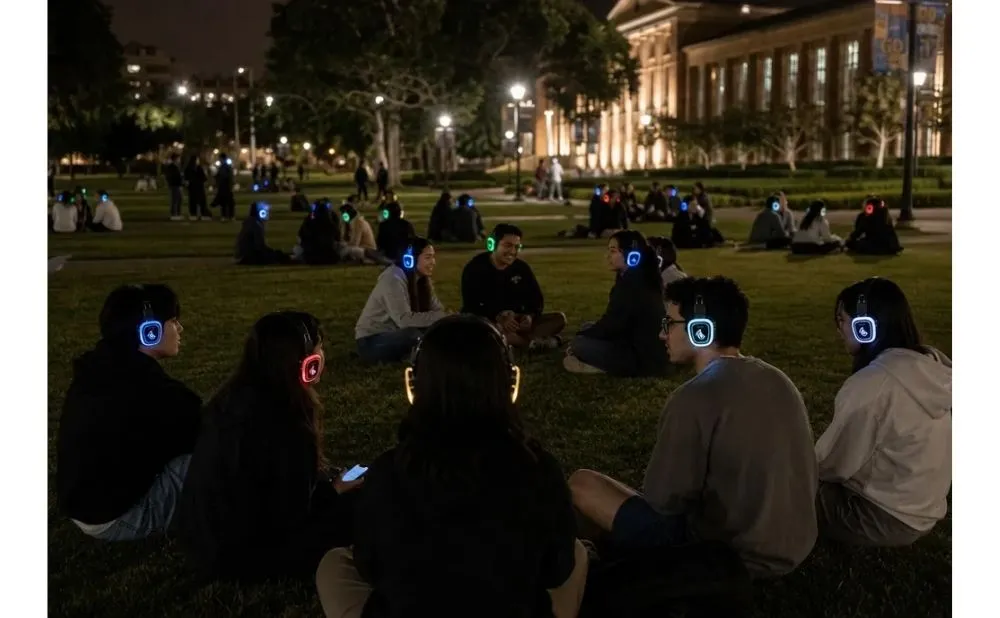
Silent Events for Campus Cultural Programs: A Smarter Way to Host Noise-Free Experiences
- Retekess
- Aug 26, 2026
Back-to-school season begins, many universities, student groups, and public venues start planning events that bring people together. These events are meant to connect people, share ideas, and create energy. But in shared spaces, sound can quickly become a problem. Too much noise can disturb other activities, limit venue use, and reduce comfort for everyone nearby.
This article introduces a smarter way to handle that challenge: silent events. By using wireless audio instead of open sound, organizers can run silent events for cultural programs, noise free campus events, and other live activities with less disturbance and better audience focus.
1. Why Traditional Audio Setup Creates Problems
Every campus and cultural organization wants the same thing: create events where people feel connected. But when events happen in public or shared spaces, that goal can be harder to reach.
Traditional loudspeaker setups are still common. They seem simple at first. But in shared spaces, they often create more noise than organizers want.
A loudspeaker pushes sound into the whole area, even when only part of the space needs it. That can be a problem for:
classrooms near a campus event
dorms close to a courtyard
visitors in a museum
workers or guests in a public venue
To make sure everyone can hear, organizers usually turn up the volume. But louder sound can create more problems than it solves. It can disturb nearby areas, make it harder for people to talk, and create tension between different groups using the same space.
For organizers who want to know how to reduce noise at public events, this is a real challenge. If the sound is too loud, the event may face complaints, venue limits, or a shorter schedule. It may also block other activities happening nearby.
Silent events solve this by keeping the audio inside the headset. Participants hear the program clearly, but the surrounding area stays much quieter. That gives organizers more room to plan and more freedom to use different spaces.
2. Why Different Audiences Need Different Audio and Content
Cultural events rarely serve just one kind of audience. A modern event may include international visitors, students from different backgrounds, and guests who want different levels of detail.
One loudspeaker cannot meet all of those needs.
A visitor at an international culture exhibition may need language interpretation. A student at a club recruitment fair may want short, direct information. A museum guest may prefer a deeper explanation of the exhibits, while another guest may want a lighter experience. In a traditional setup, everyone hears the same thing at the same time. That can leave some people confused and others under-informed.
Silent event systems solve this problem with multi-content presentation. Through wireless headphones and multiple audio channels, organizers can offer:
- different language options
- separate commentary tracks
- varied content for different audience groups
- more personal listening experiences
This makes the event more useful for more people. It also improves multilingual event communication, which is especially important in schools, museums, and community programs.
When people can choose the audio that fits them best, they stay more engaged. They listen more closely. They understand more clearly. That leads to a better event for everyone.
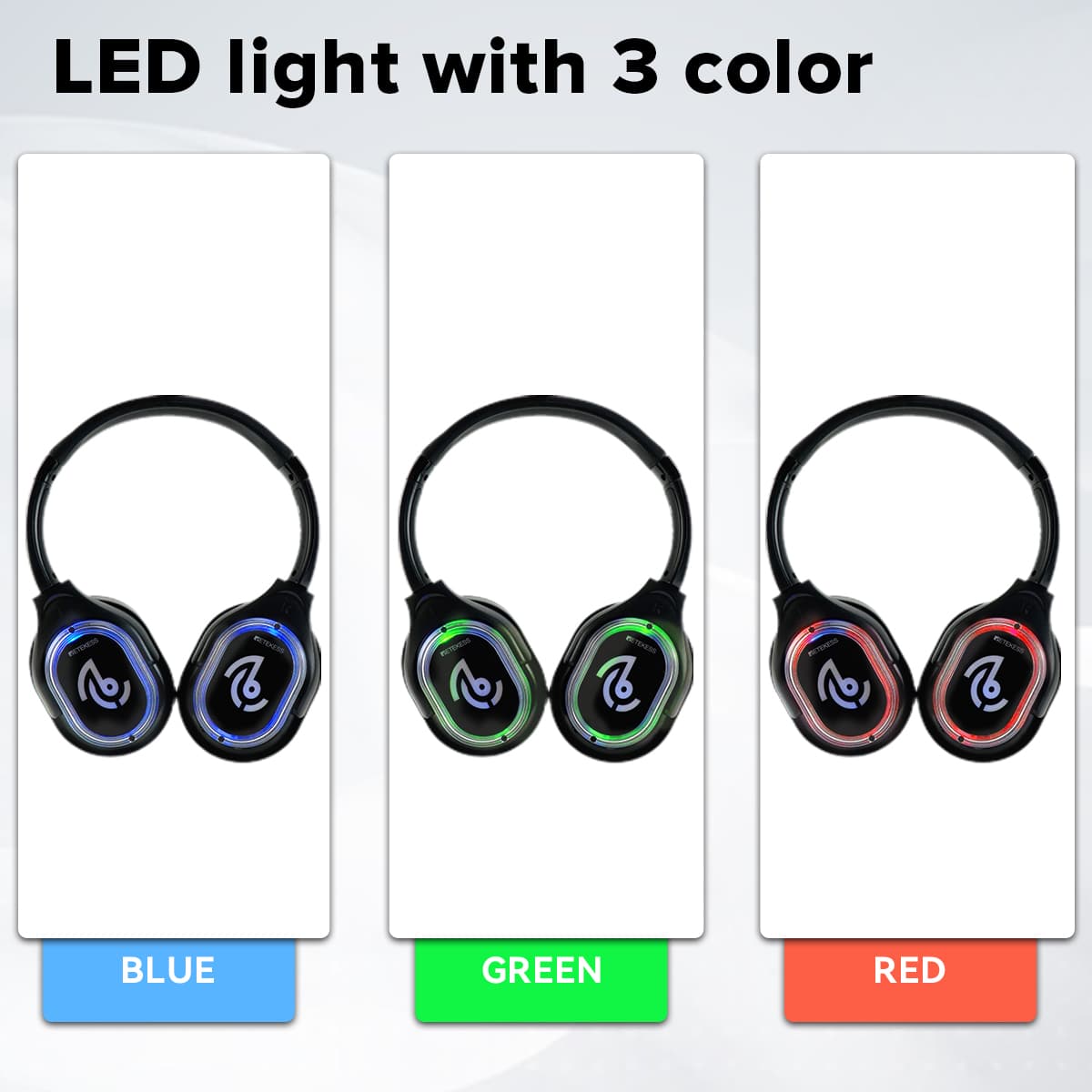
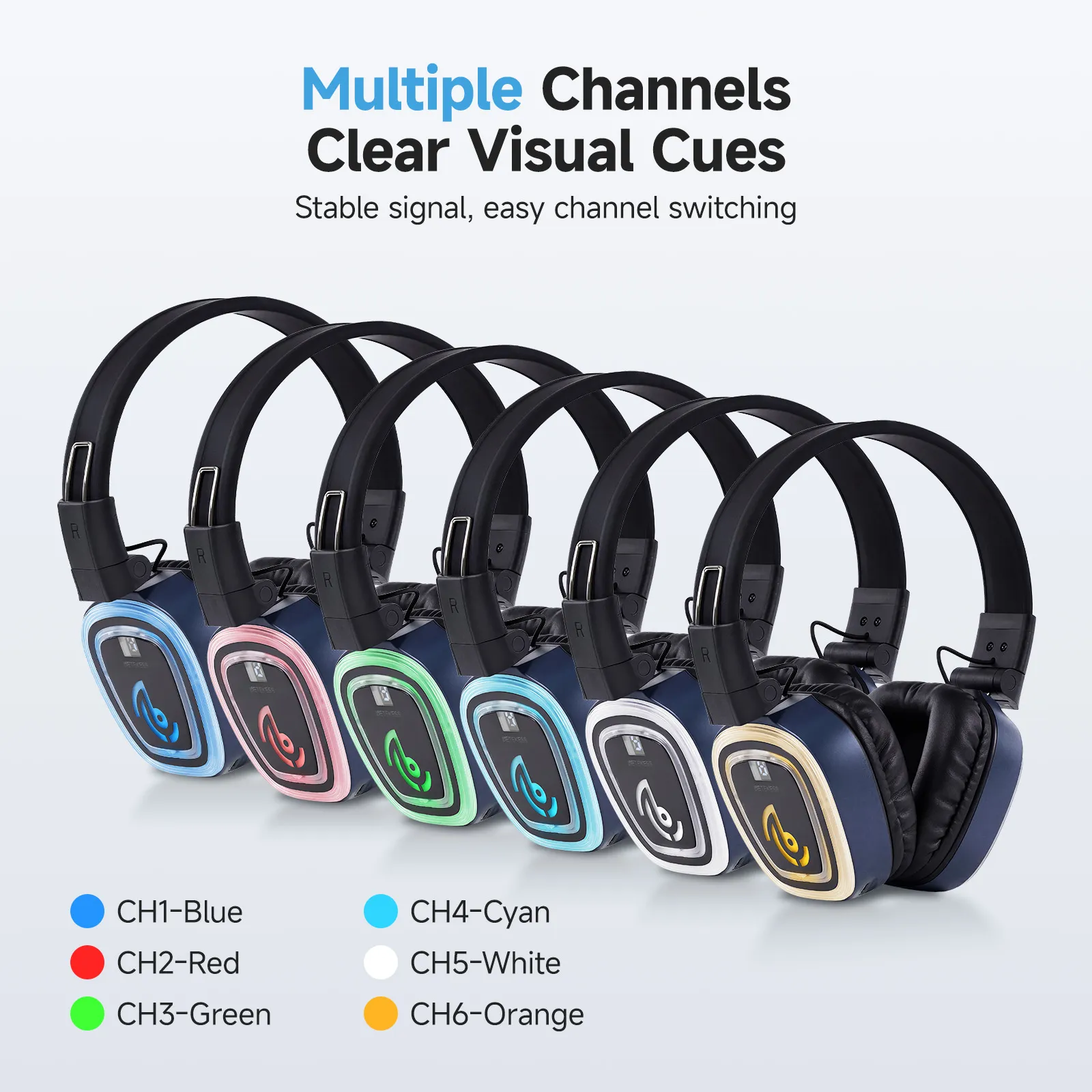
6-channel wireless audio headphones for silent group events with color-coded LED indicators
3. How Silent Events Create a Better Experience
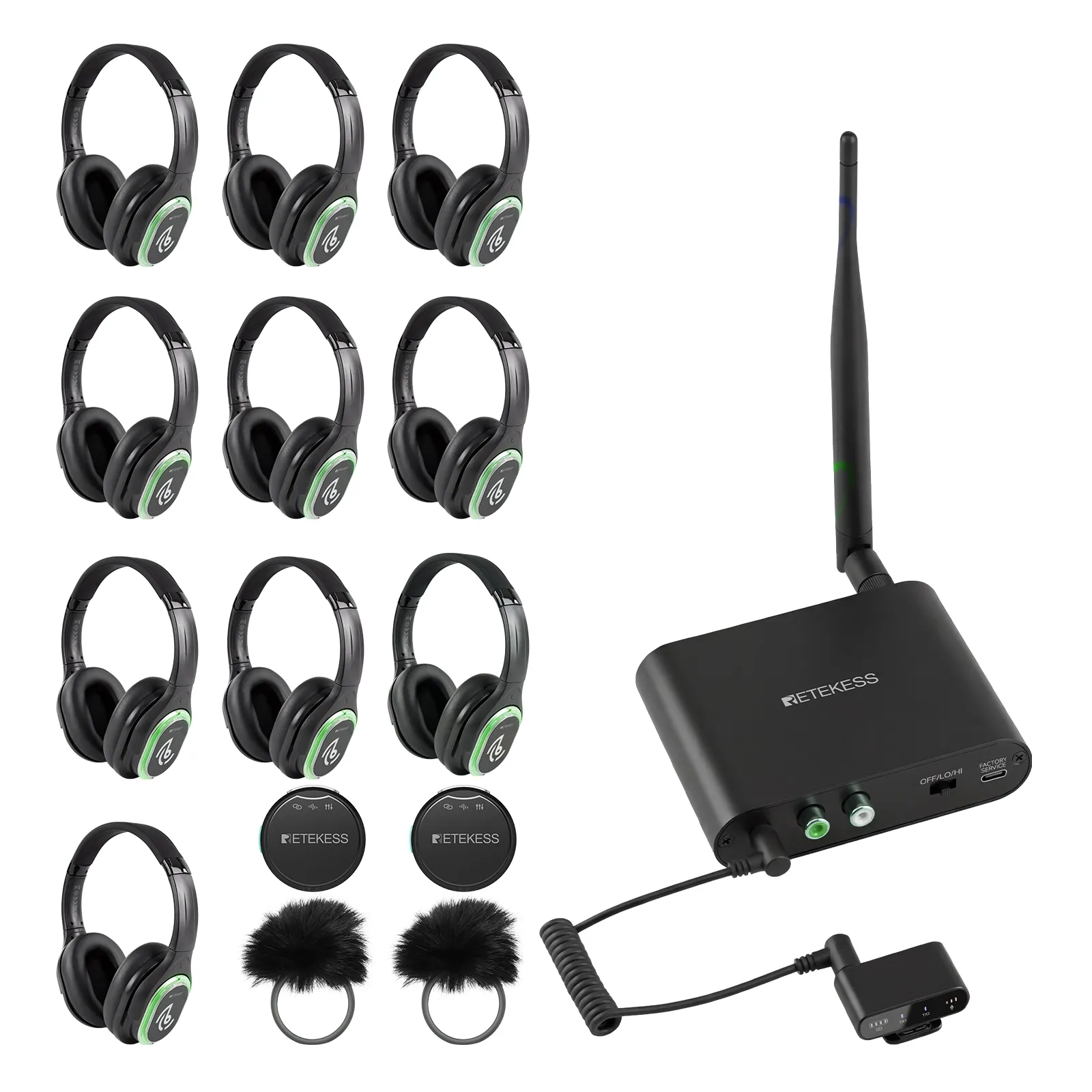
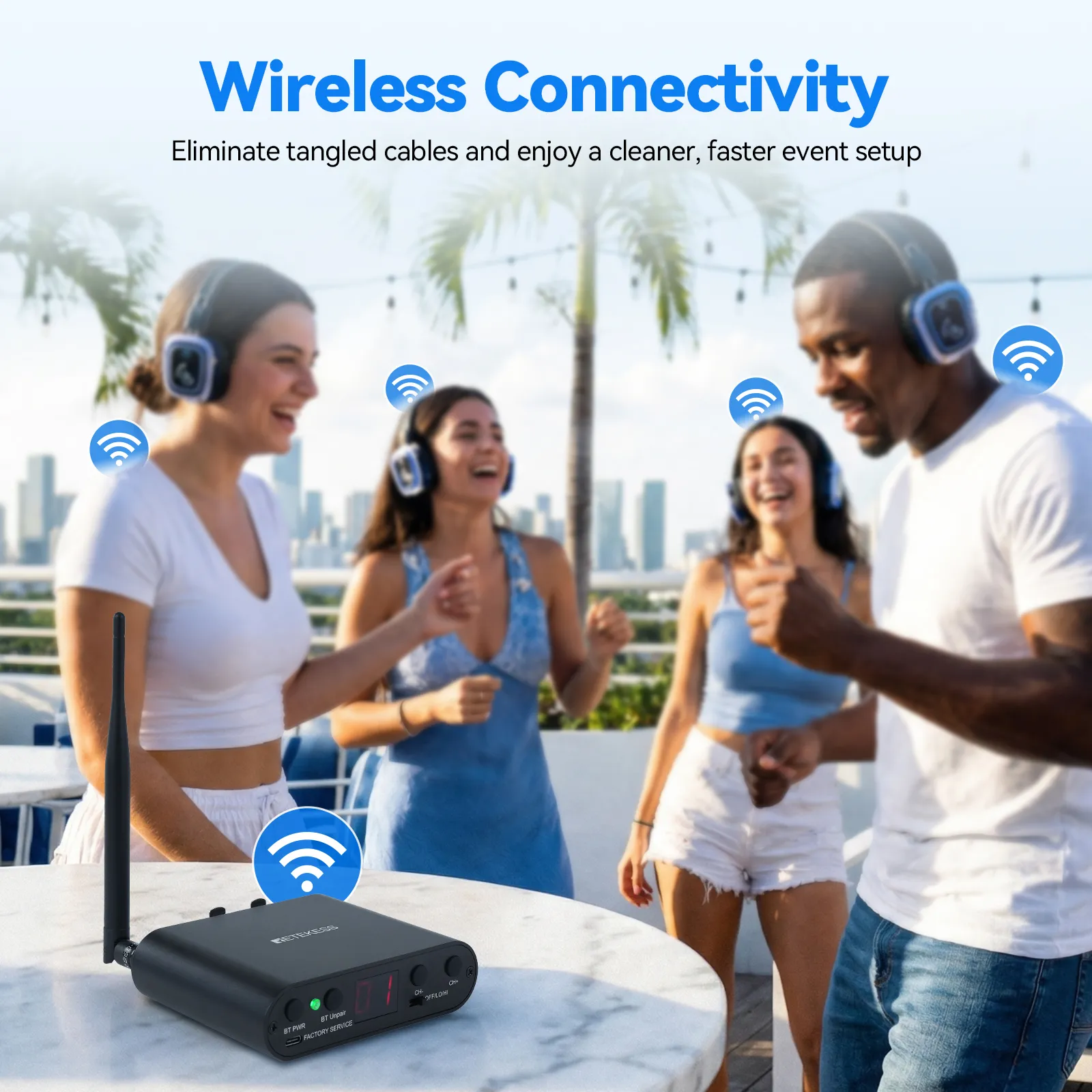
Silent events replace traditional loudspeaker setups with wireless audio receivers and headphones. That one change can improve the whole event.
Reduce noise while improving engagement
With a regular speaker system, louder sound does not always mean better communication. Too much noise can make it harder for people to focus, especially in busy public spaces.
Silent events solve this by bringing sound directly to the audience. Participants hear the audio clearly through headphones, while the rest of the area stays much quieter. This creates a better balance between communication and comfort.
Support more flexible cultural programs
Silent events also give organizers more room to plan different types of programs.
Cultural shows can include live music, storytelling, and multilingual explanations without raising the noise level.
Student club recruitment events can use different audio channels for different groups, so one club does not have to compete with another over a loudspeaker.
School public activities can take place in courtyards, open halls, or shared campus areas without causing noise problems for nearby classes or offices.
Museums and galleries can offer guided commentary that does not disturb other visitors.
This kind of flexibility makes silent events a strong option for noiseless live experiences across many settings.
4. Why Public Venues Benefit from Noiseless Live Experiences
Public venues often have to balance two goals at once: create an exciting event and respect the surrounding environment. That is not always easy.
A school, museum, gallery, or community venue is rarely used by only one group. At the same time as an event, there may be students attending class, visitors walking through an exhibition, employees working nearby, or residents living close to the site.
This is where silent audio offers a real advantage. Instead of pushing sound into every corner, it keeps the experience inside the participant’s headphones. That helps organizers:
- host events in more types of spaces
- reduce disturbance to other users of the venue
- extend event schedules with fewer noise concerns
- improve relations with nearby communities
For venues that want to run more events without creating more noise, silent setups can make a big difference. They also make it easier to plan public venue events in places where traditional speakers may not be a good fit.
Wireless silent disco systems offer a practical way to do that. They support clear communication while helping keep the space calm and controlled. For organizers looking for silent events and noiseless live experiences, this approach gives them more freedom to plan, more room to engage, and more ways to connect with different audiences.
5. How Silent Audio Technology Supports Cultural Programs
Silent events are not just about noise control. They also make cultural programs more effective.
When organizers use silent audio systems, they can guide the audience more carefully. Different groups can hear different tracks. Language support can run alongside the main program. More detailed explanation can be offered to guests who want it, while others can listen to a simpler version.
This is especially useful for:
- international student welcome events
- campus cultural programs
- museum and gallery tours
- student recruitment fairs
- community festivals and outdoor programs
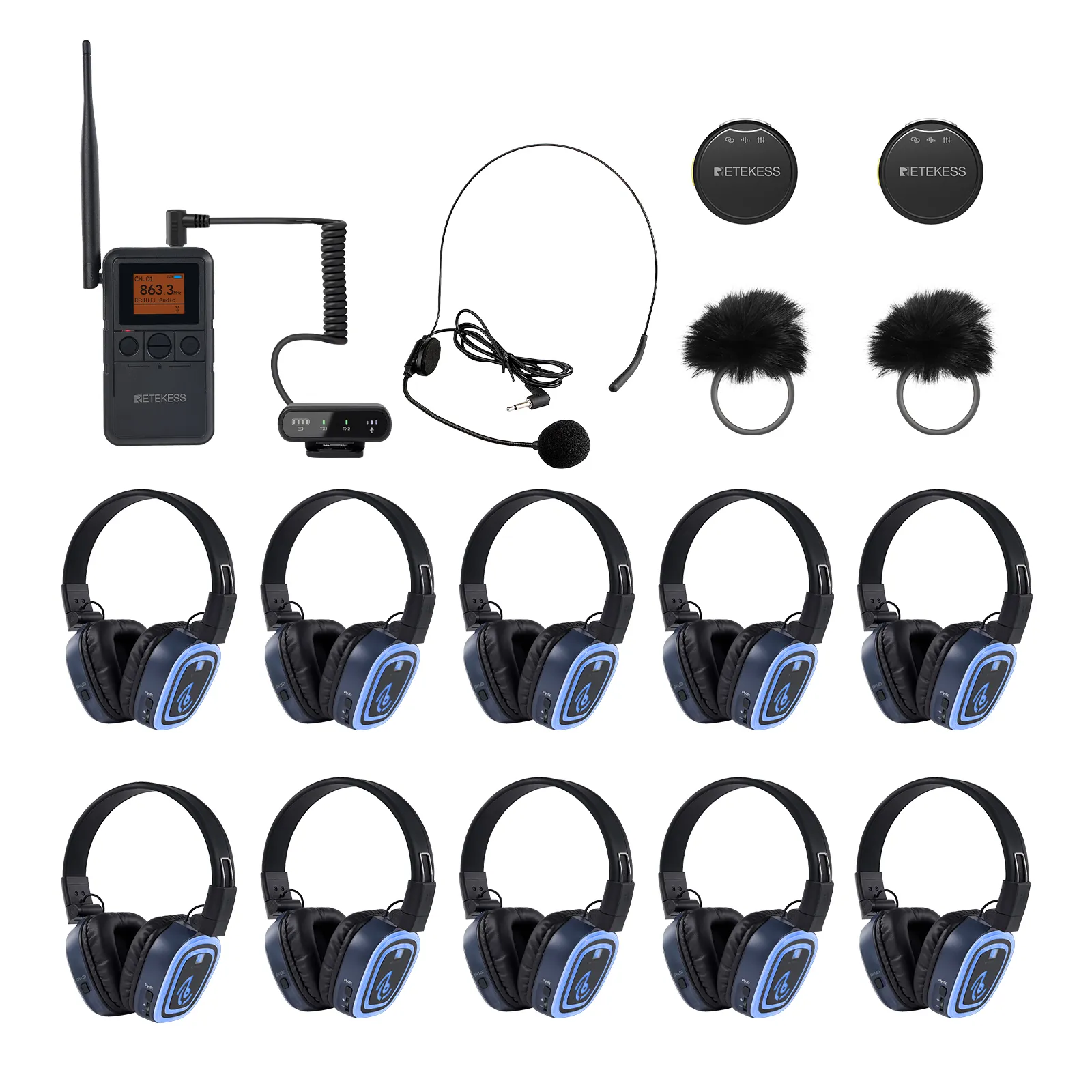
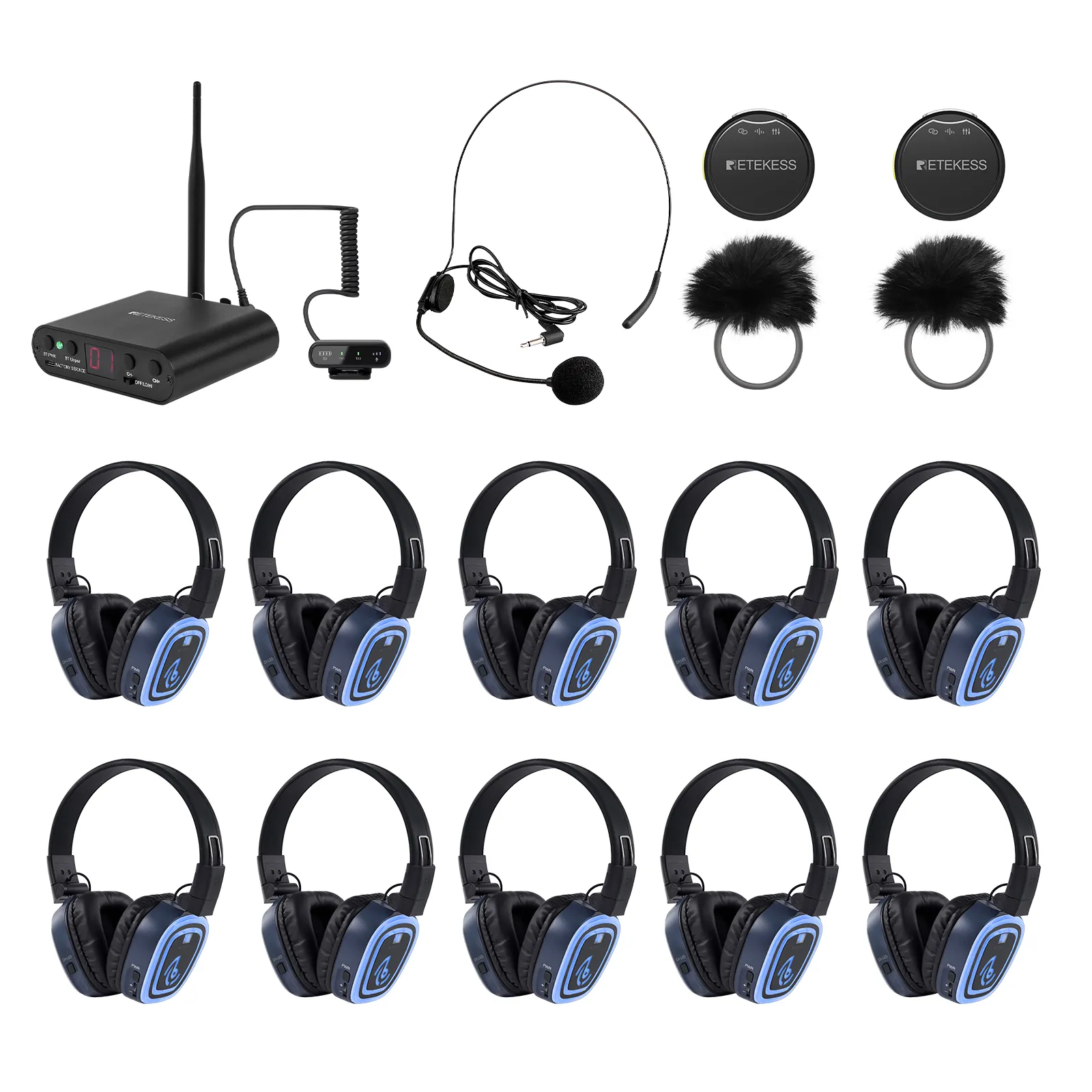
Wireless headphones with enhanced bass and upgraded sound quality for silent events
For organizers, this means the same event can serve more people in more ways. It is a practical answer to a common problem: how to make one program feel clear, useful, and welcoming to many kinds of audiences.
For these reasons, many schools and cultural organizations now see silent event systems as more than a technical tool. They see them as part of a better visitor and participant experience.
6. Silent Events Make Cultural Programs More Flexible
The future of cultural programming is not about making experiences louder. It is about making them more flexible, more inclusive, and easier to host in shared spaces.
Silent events help organizers:
- support different audience needs
- offer multiple content tracks
- reduce noise impact
- run programs in more places
- create cleaner and more comfortable live experiences
Whether it is a university cultural festival, student organization event, museum program, or public exhibition, silent audio technology helps transform how people experience live activities.
The future of cultural events is not about making sound louder.
It is about making every participant hear what matters to them.
Leave a Reply
![[18th Anniversary] 18 Years of Echoing Excellence: Making Communication Easier, Connecting Trust Beyond Borders](https://res.retekess.com/z_file/20260716/retekess-brand-story-making-communication-easier_20260716151044_7682.jpg)
![[18 Years in Wireless Communication] Silent Disco Systems Anniversary Celebration: Top-Selling Headphones & Event Mechanics Revealed!](https://res.retekess.com/z_file/20260713/18-years-in-wireless-communication-silent-disco-systems-anniversary-celebration_20260713175011_5749.webp)
![[Anniversary Carnival] Ding-dong! 18th Anniversary Mega Sale on Guest Paging & Calling Systems: Full Reveal of 12+ Products & Promo Rules!](https://res.retekess.com/z_file/20260713/18th-anniversary-mega-sale-on-guest-paging-calling-systems_20260713175257_0295.webp)
![[Retekess 18th Anniversary Teaser] Tour Guide System Exclusive Perks: Sneak Peek at Event Dates & Mechanics!](https://res.retekess.com/z_file/20260713/retekess-18th-anniversary-tour-guide-system-exclusive-perks--2-_20260713180135_6435.webp)
Follow Us
Pay With


 Google
 Amazon
Comments (0)