
What does real-time translation look like for a group in 2026?
- Retekess
- Sep 29, 2026
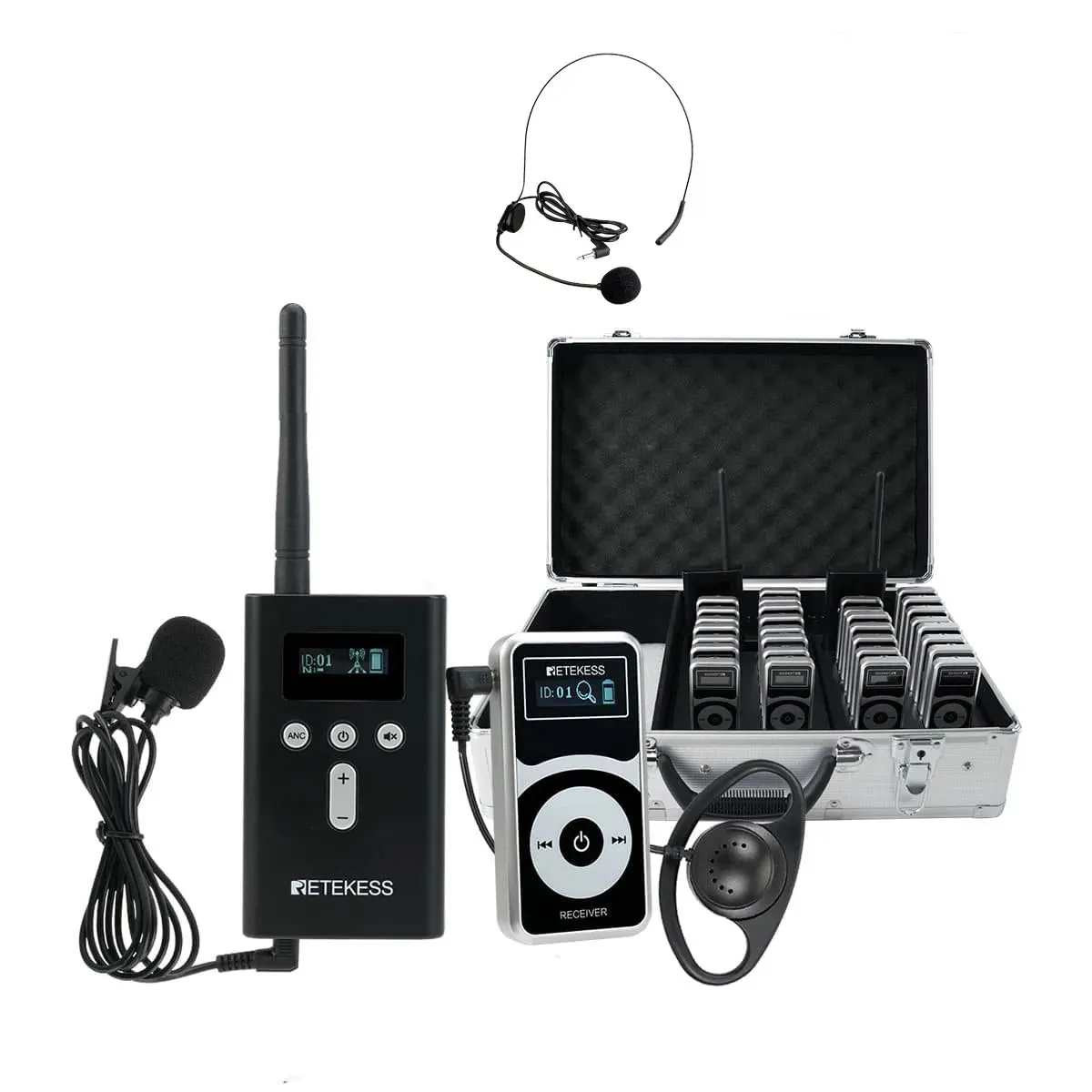
This guide breaks down the four main approaches to real-time team translation in 2026: multiple guides, wireless FM systems, AI hardware, and smartphone apps. Comparing them across cost, latency, audio quality, and user friction, it highlights how AI hardware is reshaping multilingual operations with near-instant translation across 120 languages, helping operators balance budget and experience.
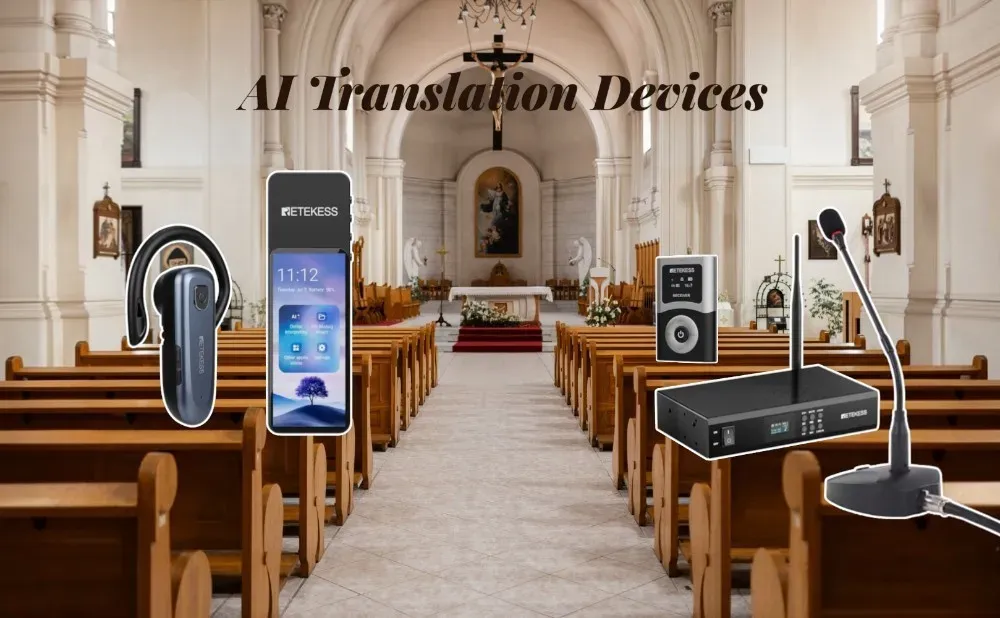
AI Translation Devices: What the Tests Found
- Retekess
- Sep 29, 2026
AI translation devices are fast-growing yet fiercely debated. Tests of consumer gadgets reveal real issues—missed openings, cut-off sentences, and accuracy drops with natural speech. But these tests only examine one-to-one devices. They ignore one-to-many systems built for events, tours, and meetings. This article examines those test findings, the untested side of the market, and where translation tech truly works today.

What Is an AI Translation Device? How It Works for Groups
- Retekess
- Sep 14, 2026
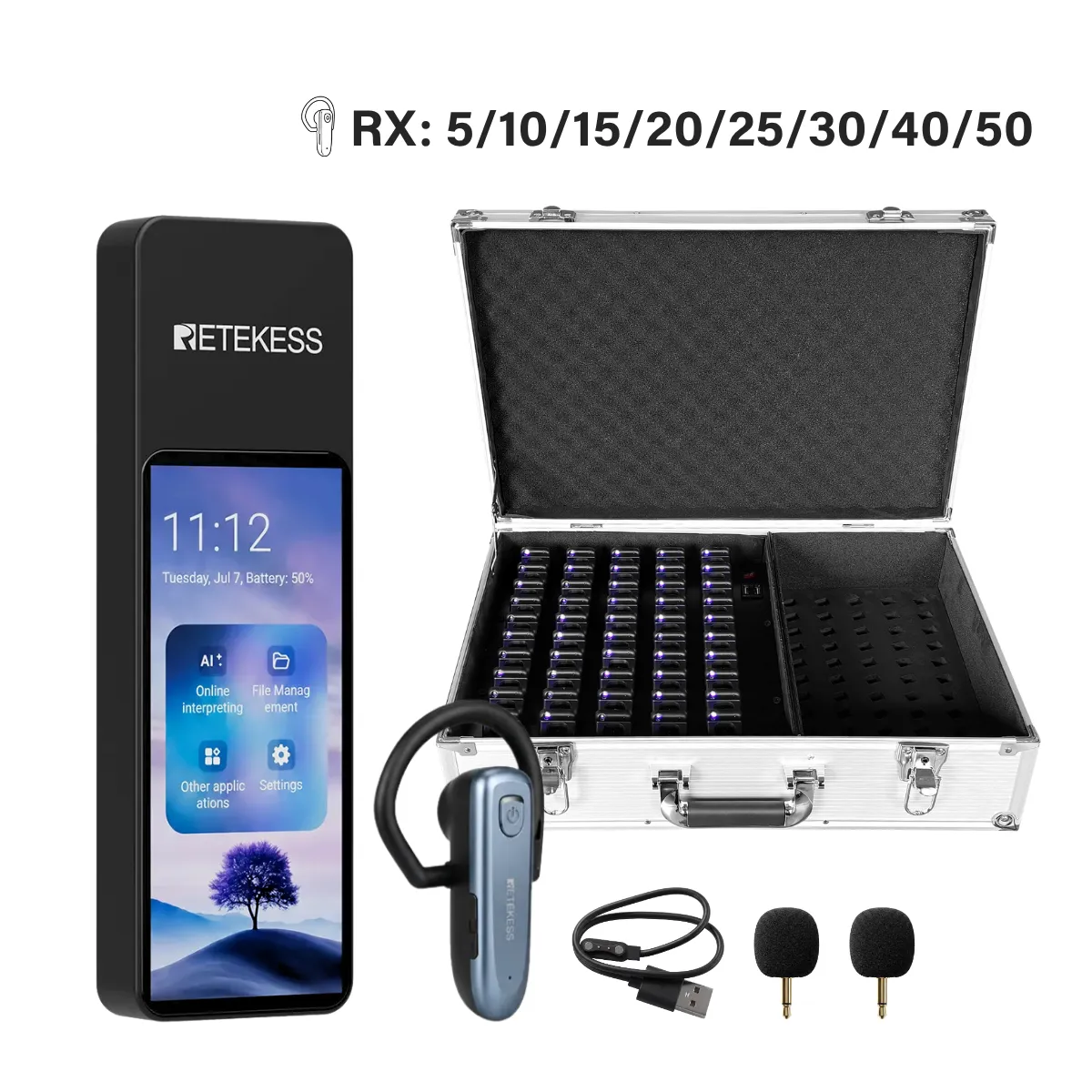
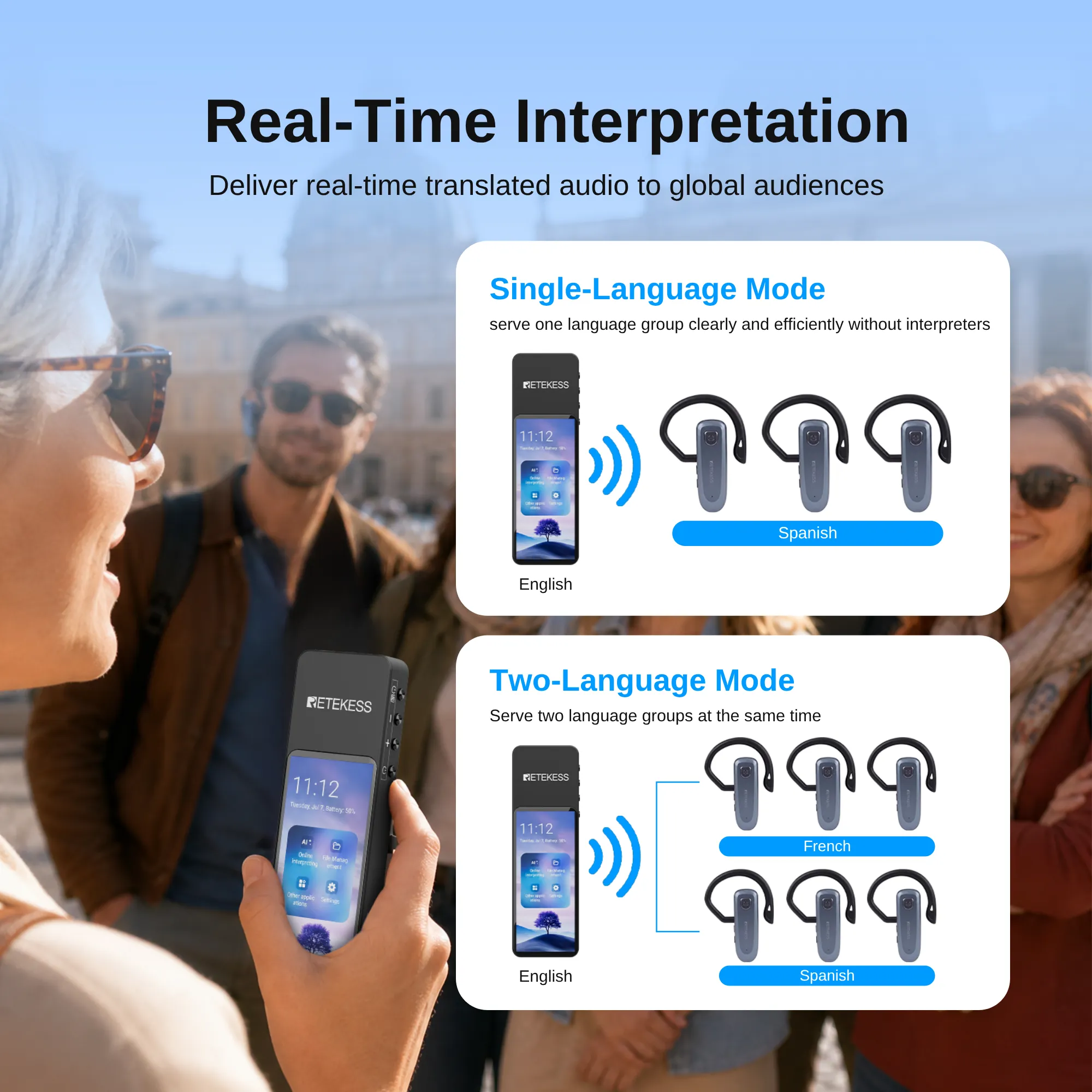
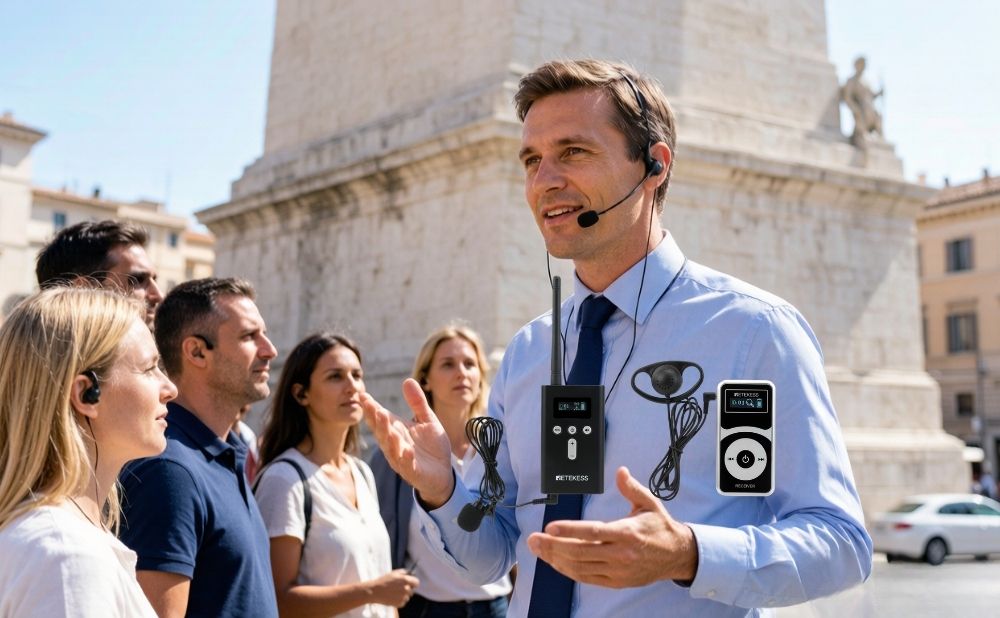
Explore the 2026 guide to AI translation devices for group environments. Learn how 1-to-many AI translation hardware works, where it excels for tours and factory visits, its current limitations in high-stakes settings, and why systems like the Retekess TT136 offer a practical, budget-friendly alternative to traditional human interpretation.




![[18th Anniversary] 18 Years of Echoing Excellence: Making Communication Easier, Connecting Trust Beyond Borders](https://res.retekess.com/z_file/20260716/retekess-brand-story-making-communication-easier_20260716151044_7682.jpg)
![[18 Years in Wireless Communication] Silent Disco Systems Anniversary Celebration: Top-Selling Headphones & Event Mechanics Revealed!](https://res.retekess.com/z_file/20260713/18-years-in-wireless-communication-silent-disco-systems-anniversary-celebration_20260713175011_5749.webp)
![[Anniversary Carnival] Ding-dong! 18th Anniversary Mega Sale on Guest Paging & Calling Systems: Full Reveal of 12+ Products & Promo Rules!](https://res.retekess.com/z_file/20260713/18th-anniversary-mega-sale-on-guest-paging-calling-systems_20260713175257_0295.webp)
![[Retekess 18th Anniversary Teaser] Tour Guide System Exclusive Perks: Sneak Peek at Event Dates & Mechanics!](https://res.retekess.com/z_file/20260713/retekess-18th-anniversary-tour-guide-system-exclusive-perks--2-_20260713180135_6435.webp)
Follow Us
Pay With


 Google
 Amazon