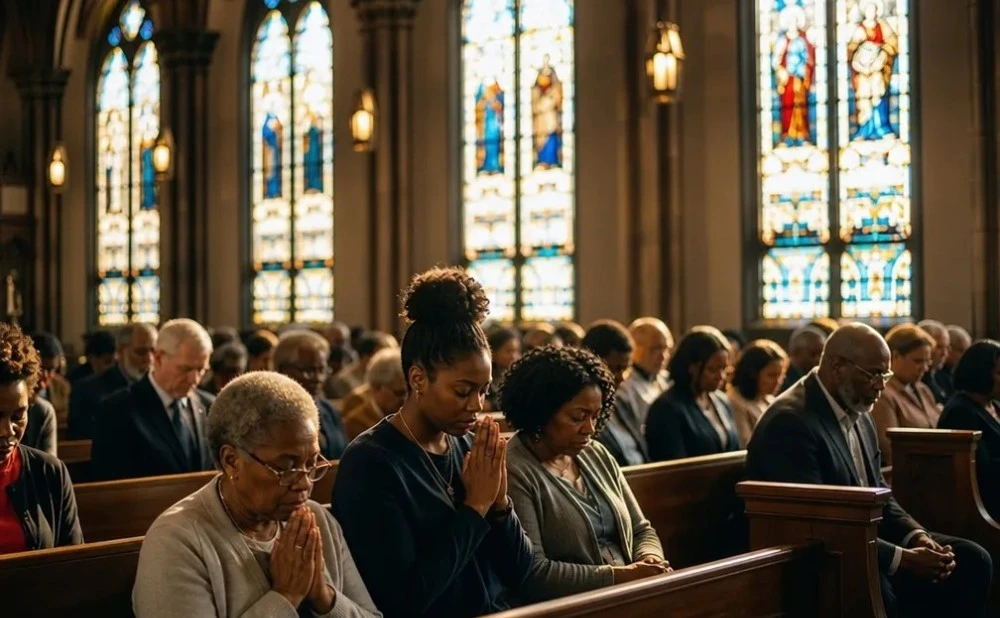
For churches with multilingual congregations, translation helps make worship, teaching, and community communication accessible to everyone. However, translation equipment needs and budgets vary from church to church.
A small congregation with a few bilingual families may need a simpler setup than a large church hosting regular multilingual services or major events. The right system depends on the number of listeners, event format, and frequency of use.
This article compares church translation equipment at three budget levels — $800, $1,800, and $3,000 — to help churches understand what each budget can realistically provide.
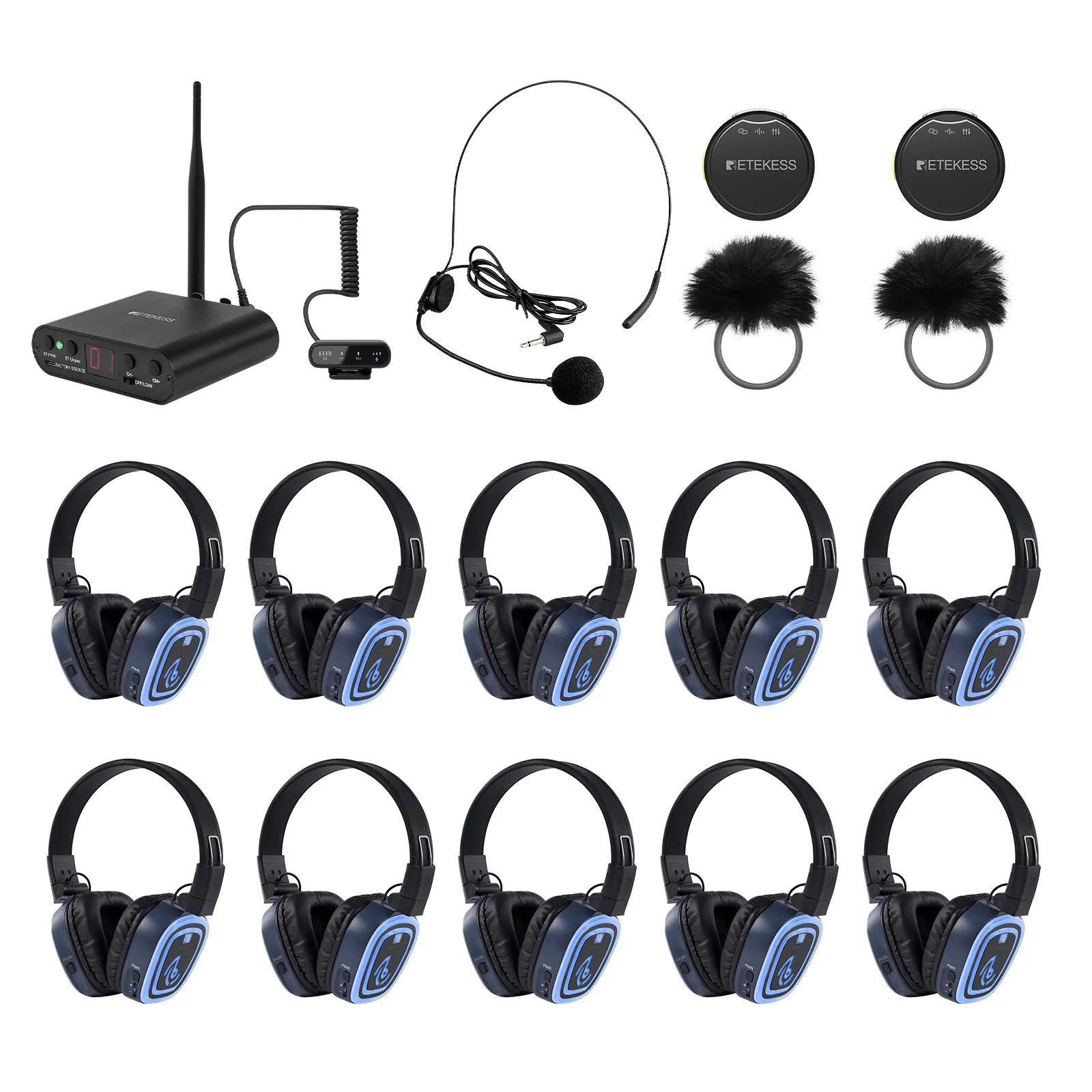
At around $800, churches are usually looking at an entry-level translation setup. This budget can work well for small congregations, occasional multilingual events, or churches that are testing translation for the first time.
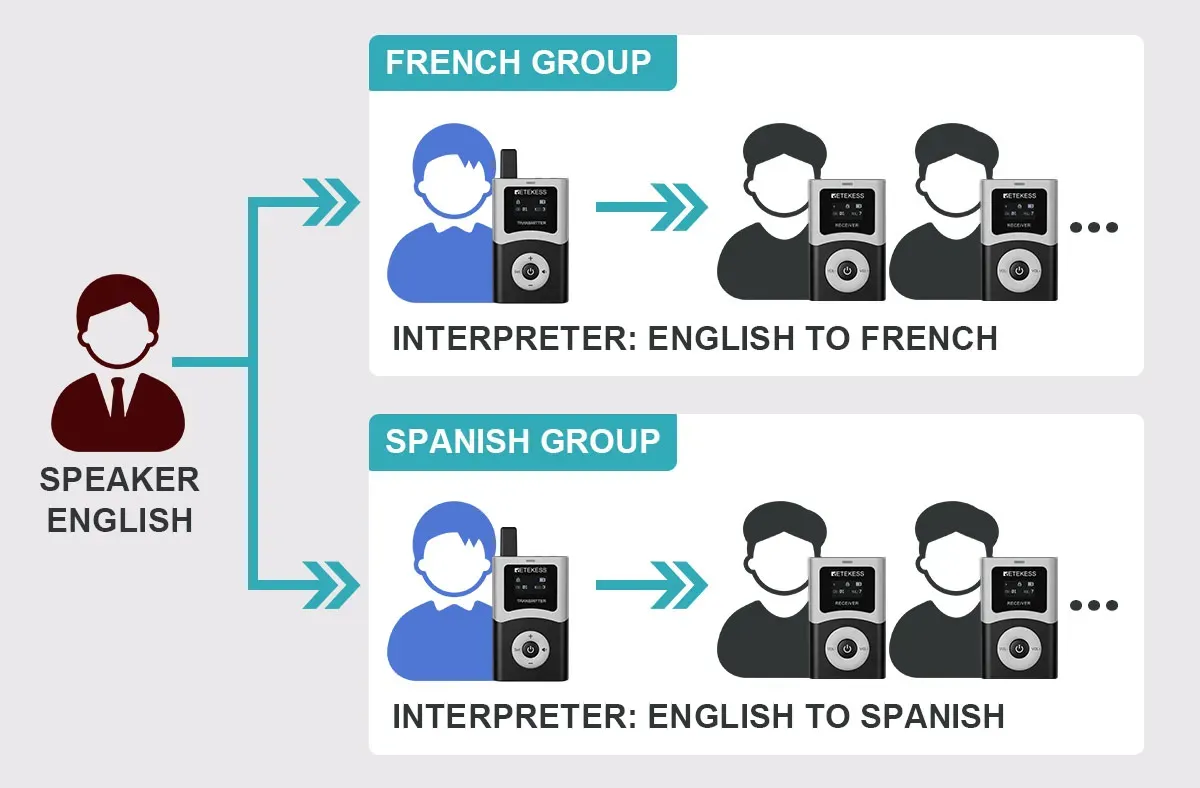
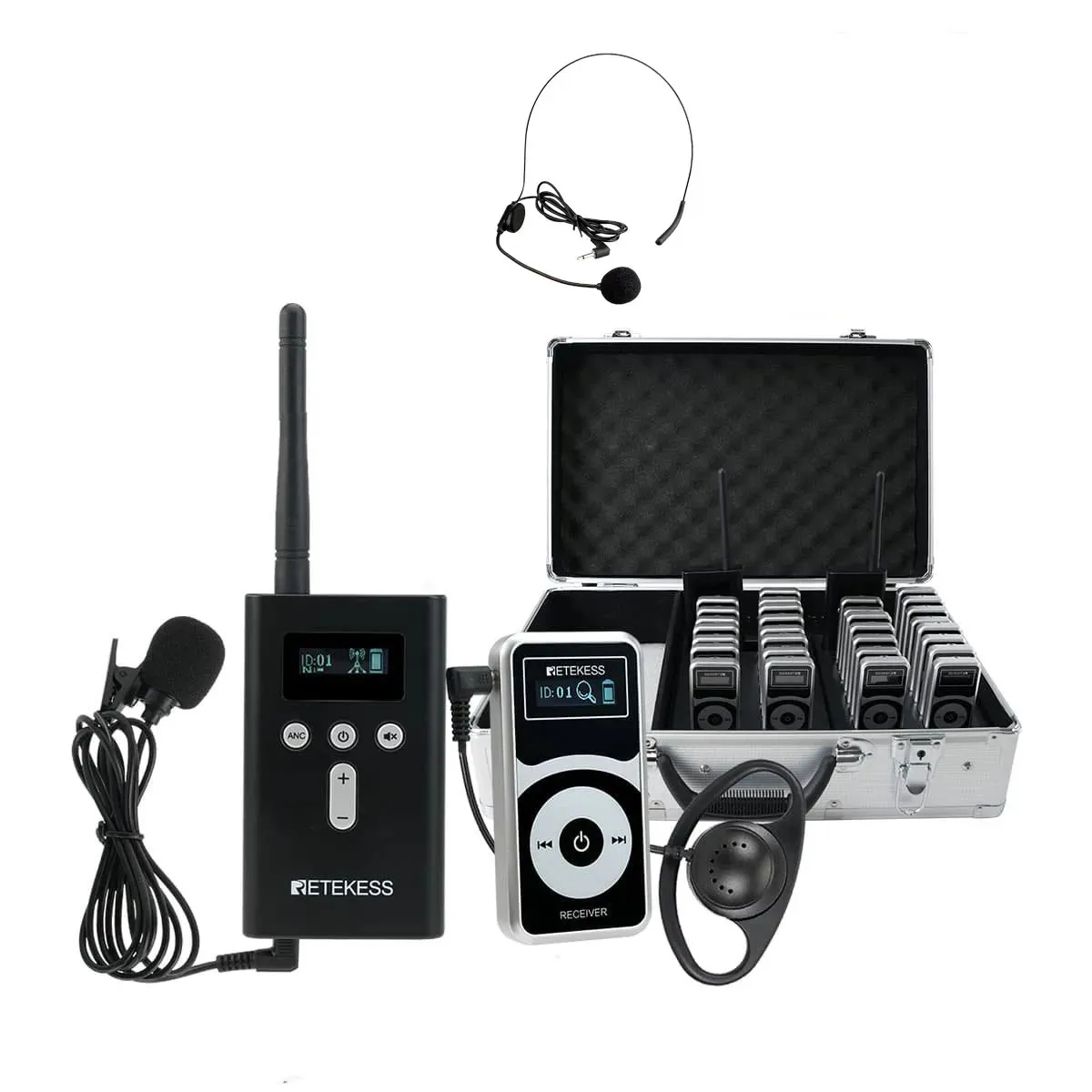
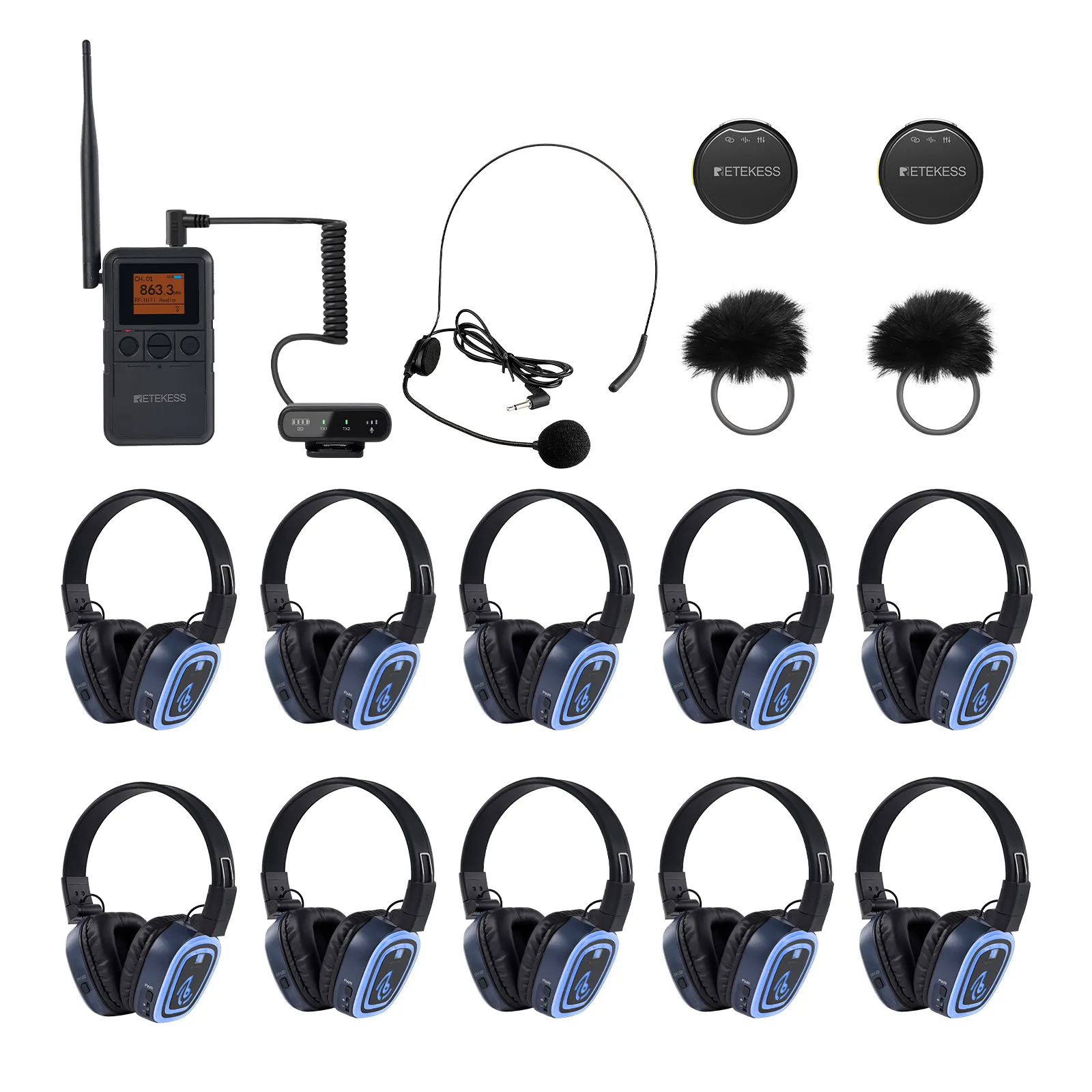
A setup at this price point can often provide the basics:
For a church with a small bilingual audience, that may be enough to support a service or two each month. It can also be a practical way to start building a translation workflow without making a large upfront investment.
At this level, the system will usually be focused on core function rather than advanced features. That means:
The audio may still be perfectly usable for sermons, announcements, or basic listening support, but the experience is usually more limited than what you would get in a mid-range system.
For churches testing whether a translated service will stick, this tier lets you launch without a large capital investment.
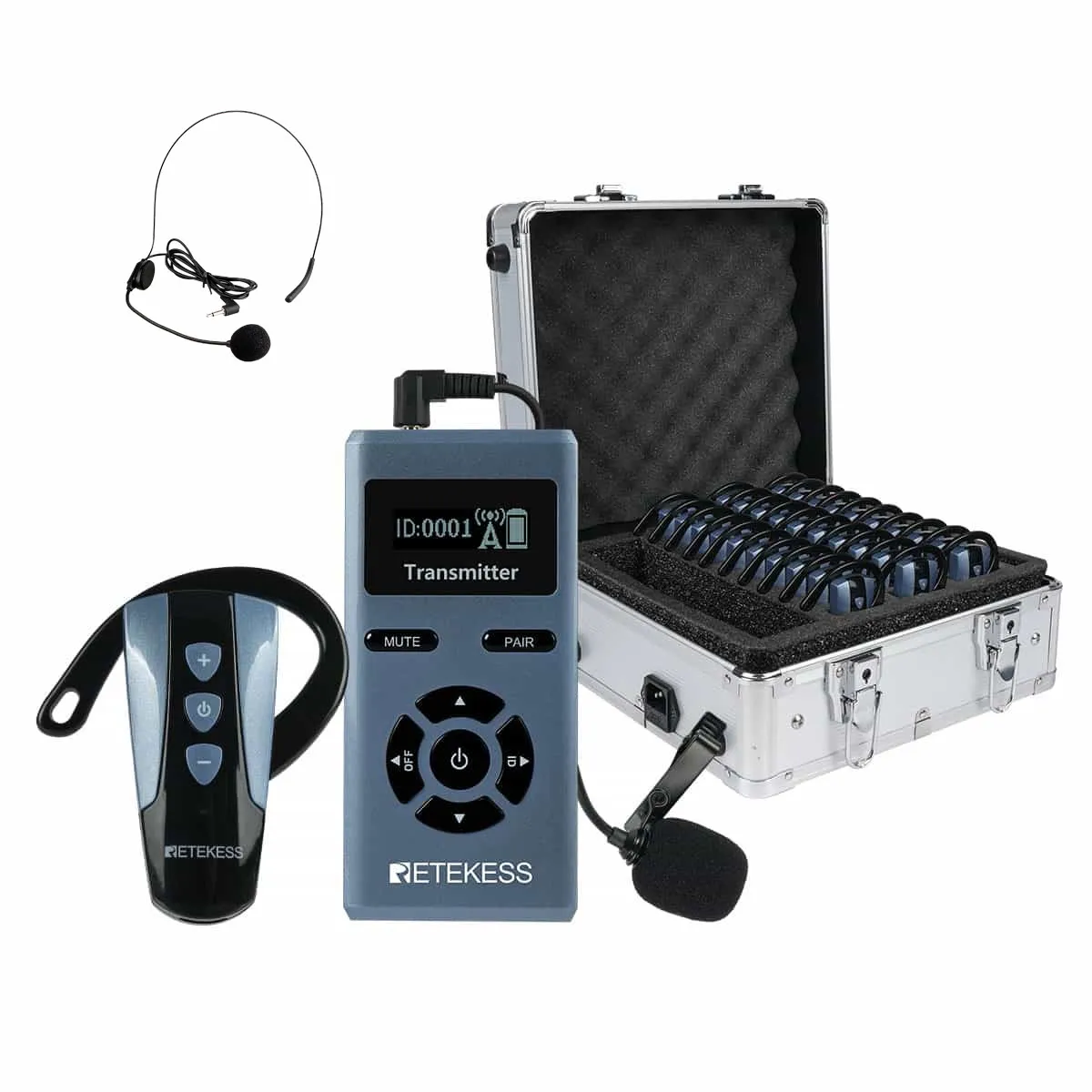
At around $1,800, churches usually move into the most balanced budget range. This is often where church translation systems begin to feel more complete, more reusable, and easier to manage over time.
A system in this range often offers a better balance of:
Compared with a basic entry-level setup, a mid-range system is often better suited to recurring church use. That matters because many churches are not buying translation equipment for one event. They are buying it for a service pattern that may repeat every week or every month.
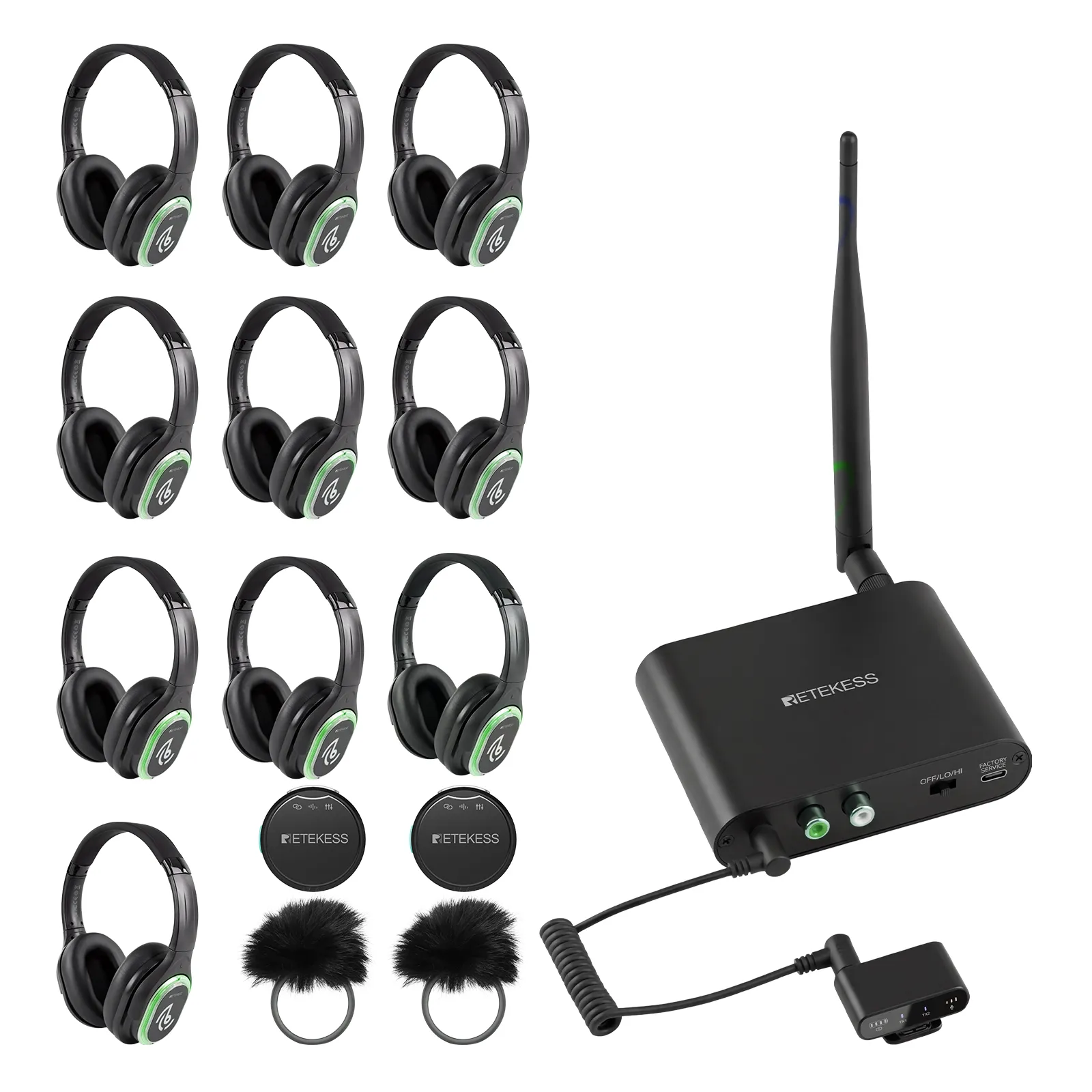
At this budget level, a church may be able to build a more polished translation setup with:
It is also more likely to support repeated use without feeling like a temporary workaround. For churches that need translation for regular services, this is a major advantage.
One reason this range is attractive is that it can offer better long-term value. A setup that is reused again and again can spread the cost across many services. That can make the system feel more cost-effective than a cheaper setup that ends up being replaced sooner or that never quite meets the church’s needs.
For budget-conscious churches, value-focused solutions like Retekess fits naturally. It is often the kind of option churches look at when they want a practical, professional solution that stays within a reasonable budget.
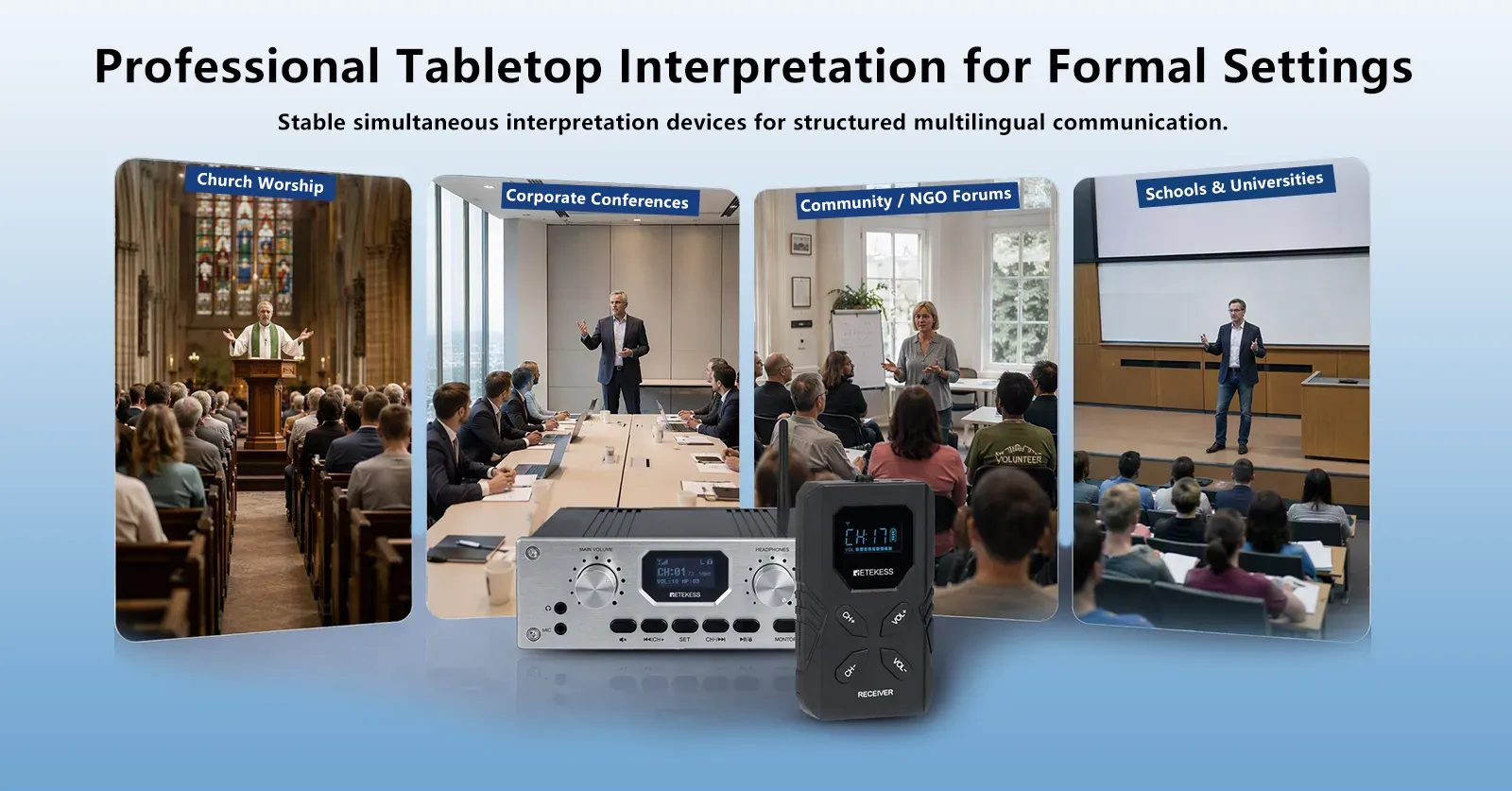
At around $3,000, churches are generally stepping into a more complete and flexible translation setup. This does not automatically mean every church needs to spend this much, but it does mean the system can usually support a more serious translation operation. It is built for reliability, formal presentation, and heavy weekly use.
Compared with lower-budget options, a $3,000 system may provide:
It is often better suited to churches that host larger events, have more multilingual listeners, or want a more polished system that can grow with them.
At this level, churches may be able to create a more professional translation environment that feels closer to a dedicated communication system. That can be important for:
The tradeoff is that the cost is higher, and the system may involve more equipment or more structured deployment. For churches that truly need the scale and flexibility, that may be worth it. For others, it may be more than they need.
If your church does not have a consistent human interpreter, AI translation is another path to consider. It will never match the nuance of a skilled human interpreter, but it can be a starting point for small groups and rare languages.
Several church-focused AI translation services run on smartphones. The speaker talks into a phone, the app translates, and listeners use their own phones to hear the result. This works for casual groups and young congregations, but it relies on strong Wi-Fi, requires every listener to have a working phone, and can feel disruptive during worship.
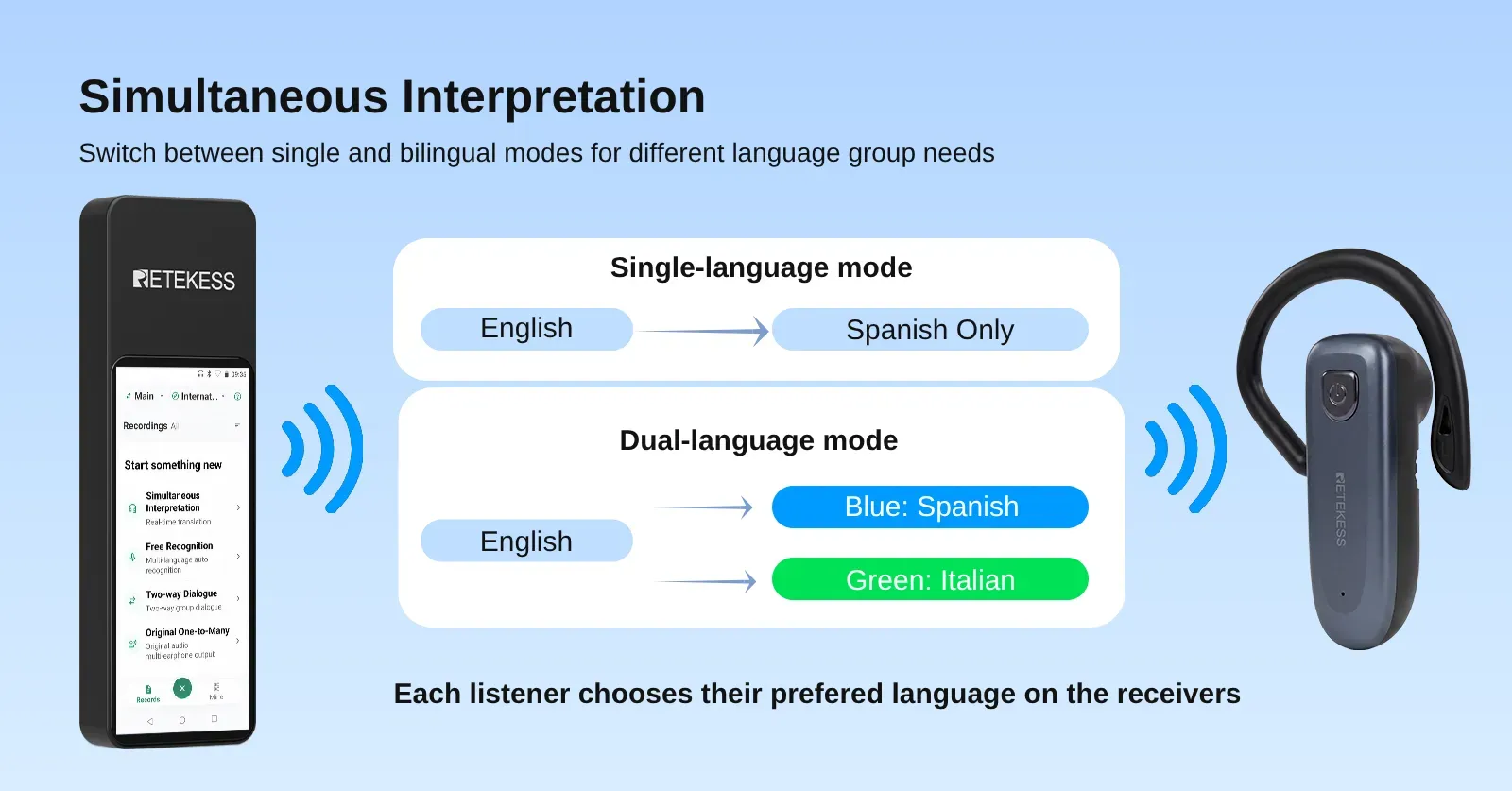
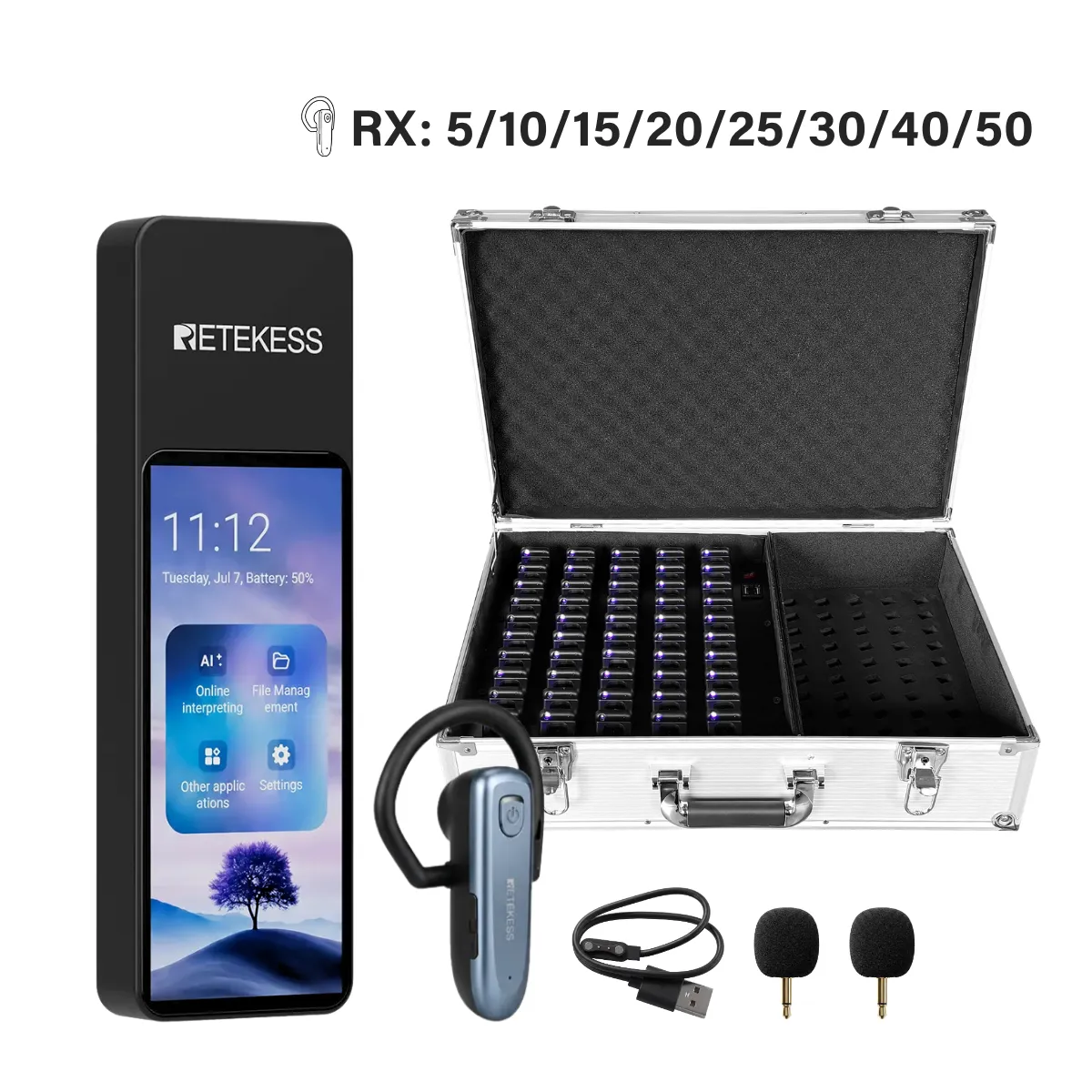
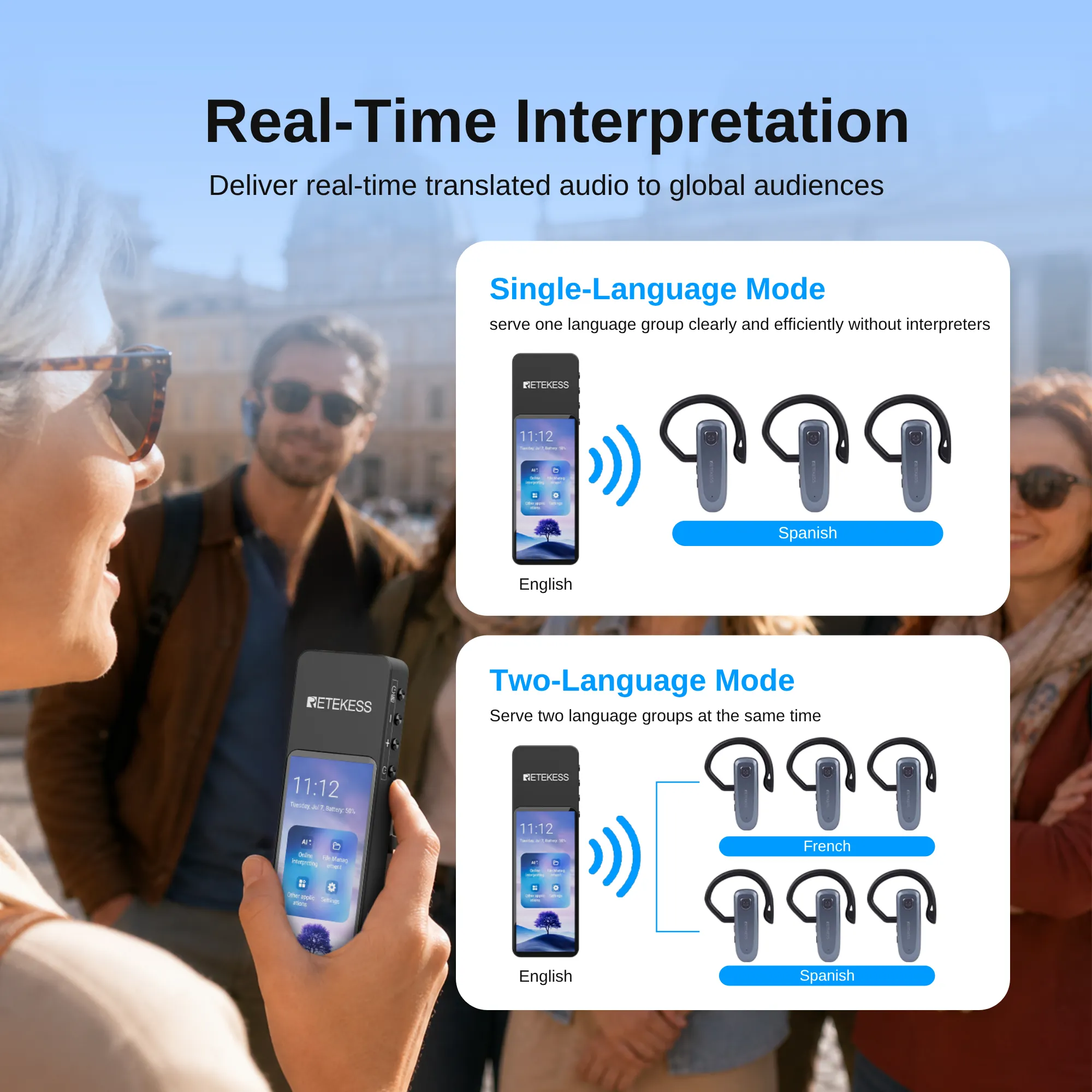
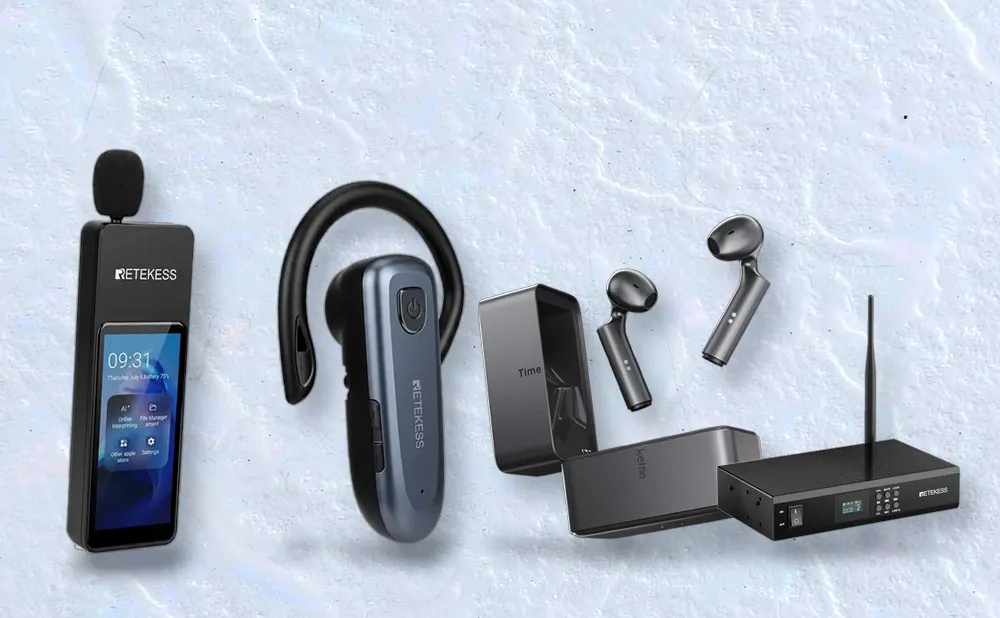
For a more reliable, device-based AI solution, tools like the Retekess TT136 automatic translation device support 120+ languages and deliver real-time online translation with dual-language output. This type of hardware is useful for churches that serve many small language groups, lack a regular interpreter, or need a flexible tool for both worship services and small group meetings.
Here is the simplest way to think about the differences:
|
Budget |
Typical Strength |
Best For |
|
$800 |
Basic, entry-level coverage |
Small churches, occasional use |
|
$1,800 |
Balanced, reusable, practical |
Mid-sized churches, recurring services |
|
$3,000 |
More complete and scalable |
Larger churches, more formal and frequent use |
This is why budget matters so much. The right system is not just the one with the most features. It is the one that matches how the church actually runs.
You do not need the most expensive system to do this well. Ask yourself three questions.
Launching a multilingual ministry does not require a top-of-the-line translation booth and a five-figure budget. Many of the most vibrant Spanish, Mandarin, Arabic, and multilingual congregations started with a single volunteer interpreter and a basic FM system, then upgraded as attendance grew.
The goal is not to buy the most impressive equipment. It is to make sure every person who walks through your doors can understand the message, participate in the service, and feel fully part of the community. For most churches, a mid-tier digital system — or even a basic portable setup to start — is enough to make that happen.






 Google
 Amazon