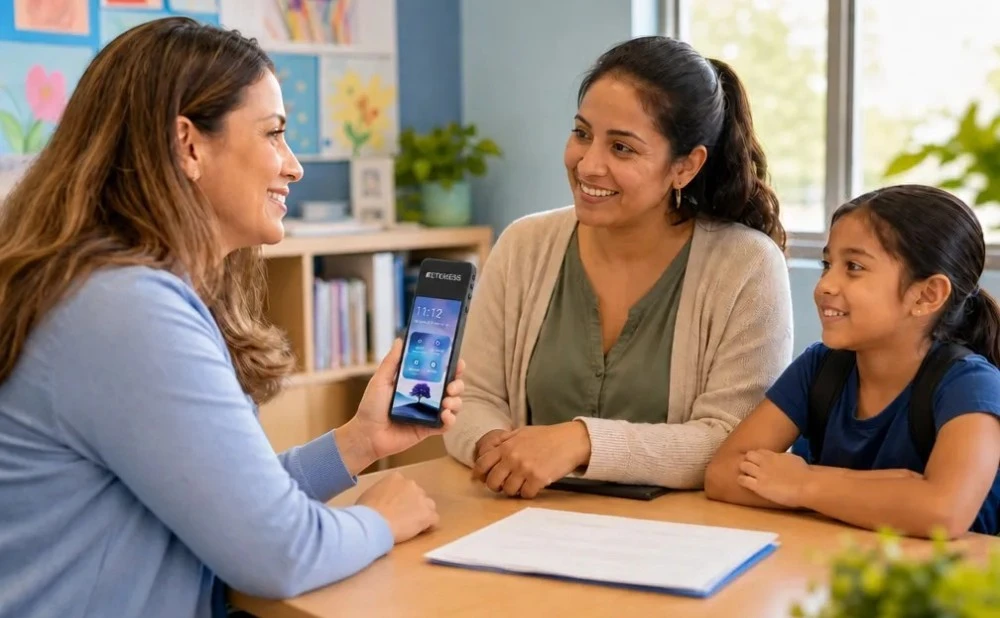
Federal guidance makes one thing very clear: schools cannot treat multilingual family communication as an afterthought. Under Title VI and related education requirements, schools must ensure that parents with limited English proficiency can participate meaningfully in their children’s education. That means translation and interpretation are not optional extras. They are part of the communication system schools need to have in place.
But for school leaders, the real challenge is usually not the legal principle itself. It is execution. How do you make sure every parent meeting, family event, and school communication can actually be understood? How do you do it without creating a heavy burden for staff or a budget problem for the district?
That is where the conversation around translation devices for schools becomes practical. Not because schools are required to buy one specific device, but because they need reliable, repeatable ways to support multilingual communication. In most schools, the question is not whether translation matters. It is which solution fits which situation.
School communication is not just about sharing information. It is about helping families participate. If a parent cannot understand a meeting, a notice, or a school event, they may miss important details about their child’s education. That can affect trust, involvement, and the quality of the relationship between school and home.
This is especially true in multilingual communities, where schools may need to support several languages at once. A school may have to handle a formal parent meeting one day, a large family event the next, and a small one-on-one conversation later in the week. Each of those situations needs a communication method that works in real life.
The issue is not abstract. It is operational. Schools need a system that helps them communicate clearly, consistently, and at scale.
For schools, there are generally two workable translation paths.
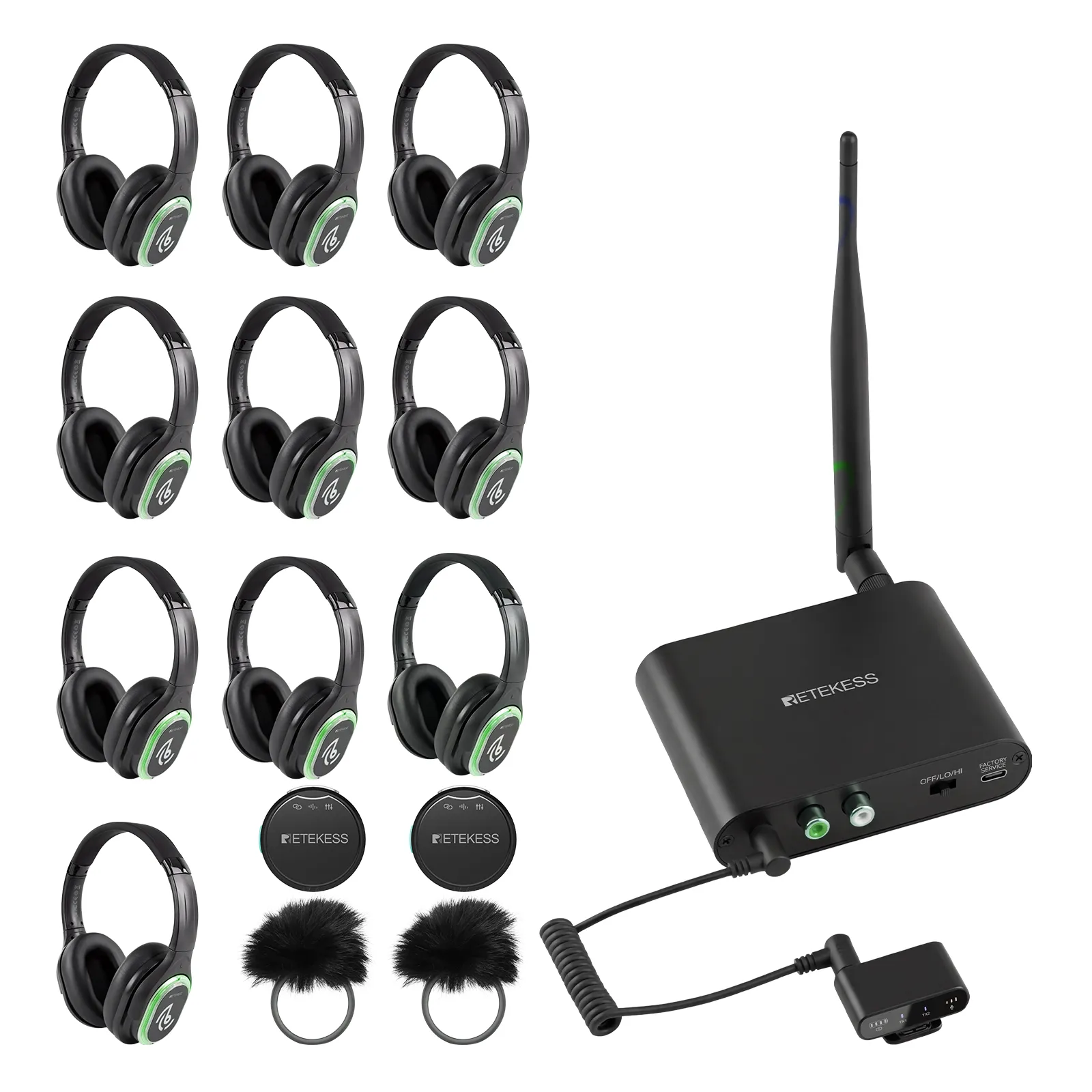
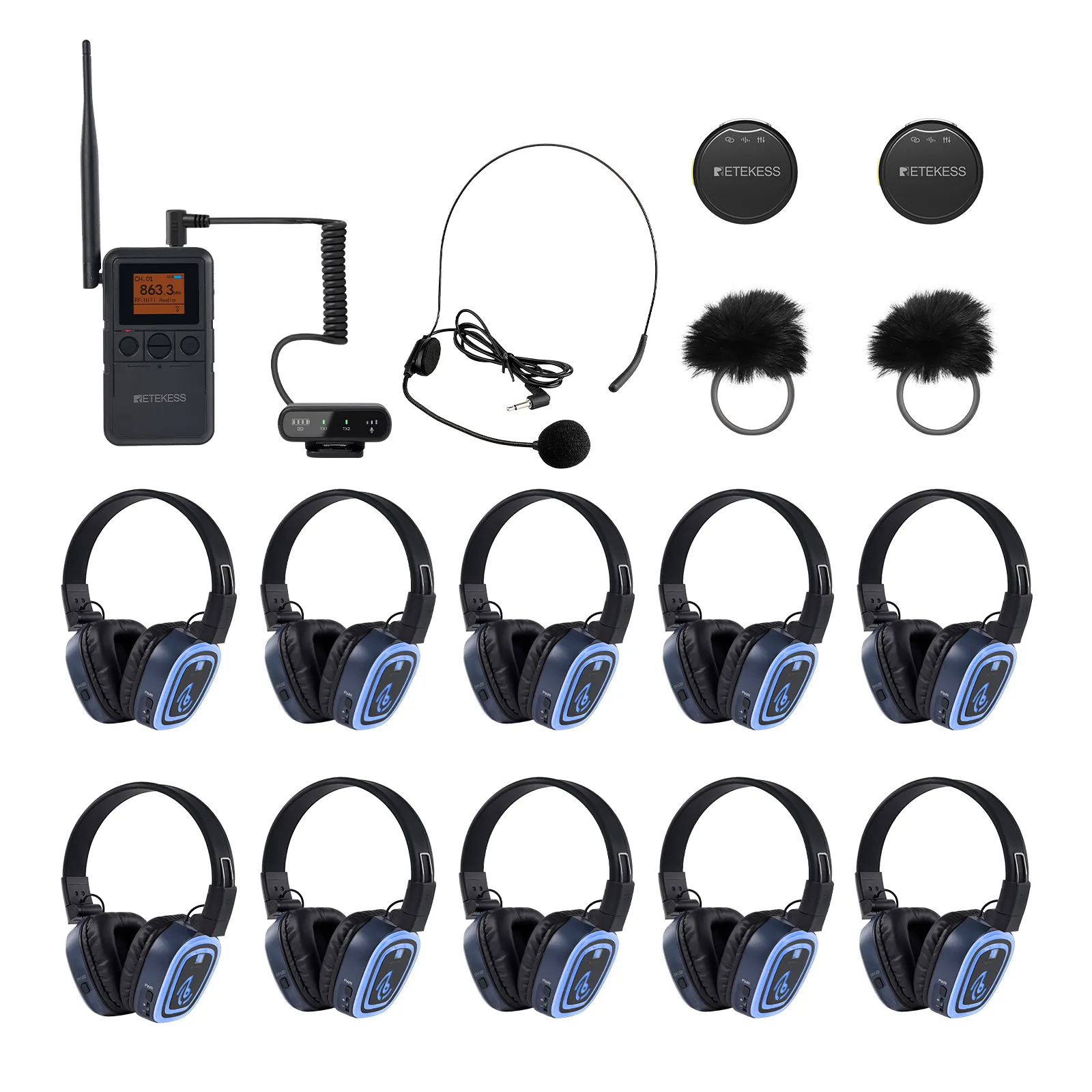
This is the more traditional and formal approach. A human interpreter listens to the source speech and relays the translation through a transmitter. Families receive the translated message through receivers. This creates a synchronized listening experience for a group.
FM translation systems are often a strong fit for large school events because they support synchronized listening for many attendees at once. Compared with fully staffed simultaneous interpretation setups, they can also offer a more predictable cost structure over time. Once the system is in place, the same equipment can be reused for recurring events, which may help reduce repeated setup and maintenance expenses.
This type of setup is especially useful for:
This is the more flexible and fast-deployment option. A device connects to the internet and provides real-time translation into one or more languages. It can be useful when communication is more informal, smaller in scale, or more temporary.
Automatic translation devices are especially useful when the communication need is immediate and the school wants a simple way to support smaller conversations or last-minute interactions. They can be a practical option for daily school communication because they reduce the need to coordinate a full interpretation setup for every conversation.
This type of setup is especially useful for:
For schools, both options are useful. The best choice depends on the event type, the number of participants, and how much structure the communication requires.
FM-based translation is often the better choice when the school is planning a larger or more formal event. In these settings, the goal is not just to translate words. The goal is to help many listeners receive the same message clearly and at the same time.
This makes FM translation a strong fit for:
One of the biggest advantages of this approach is that it creates a shared listening experience. The interpreter can speak naturally, while the audience receives the translation through their own receivers. That makes it easier to keep everyone aligned and reduces confusion in the room.
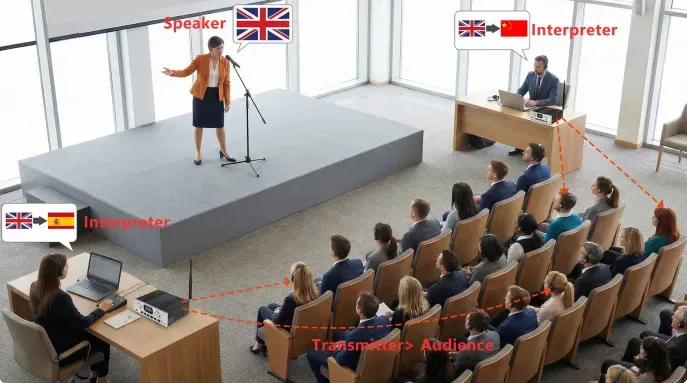
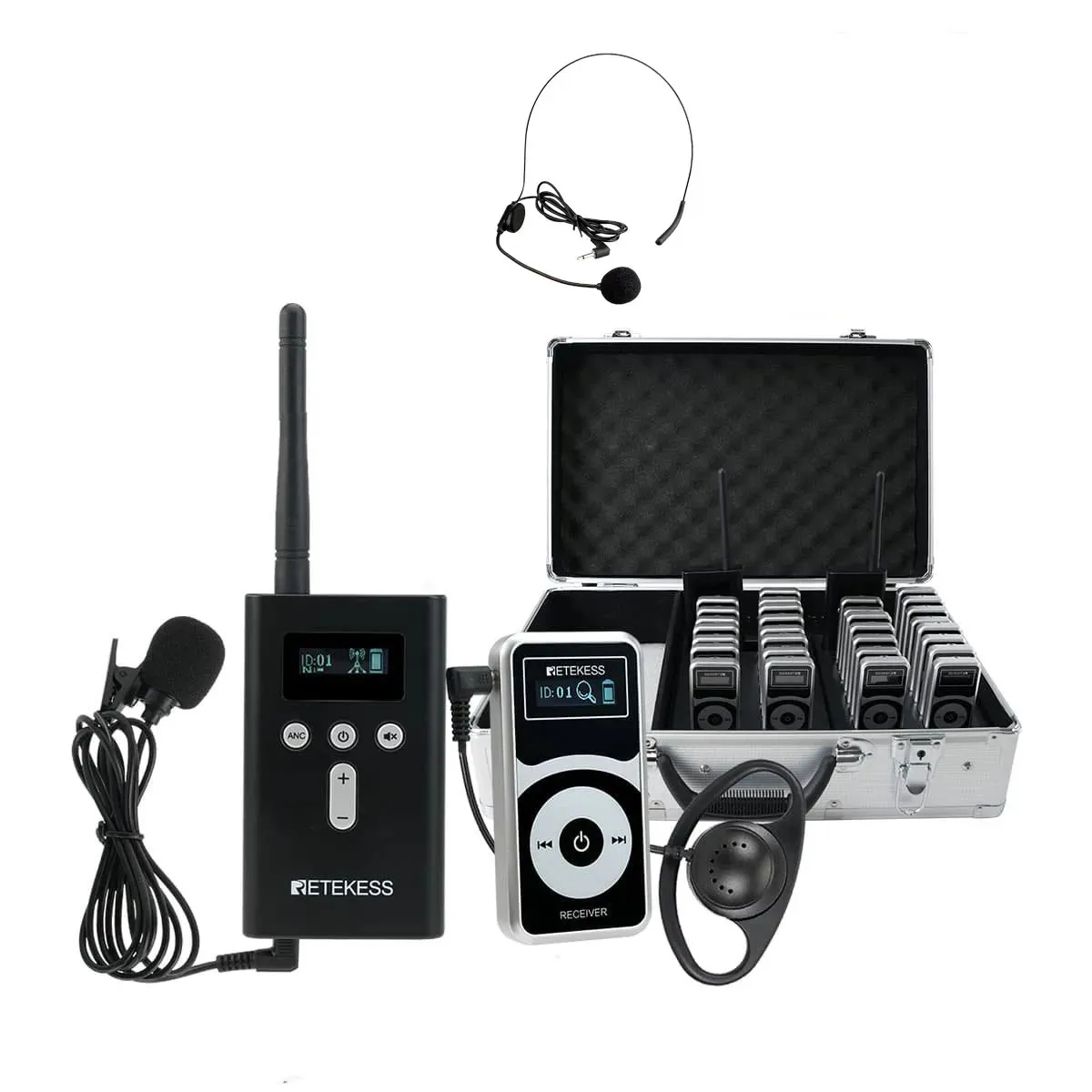
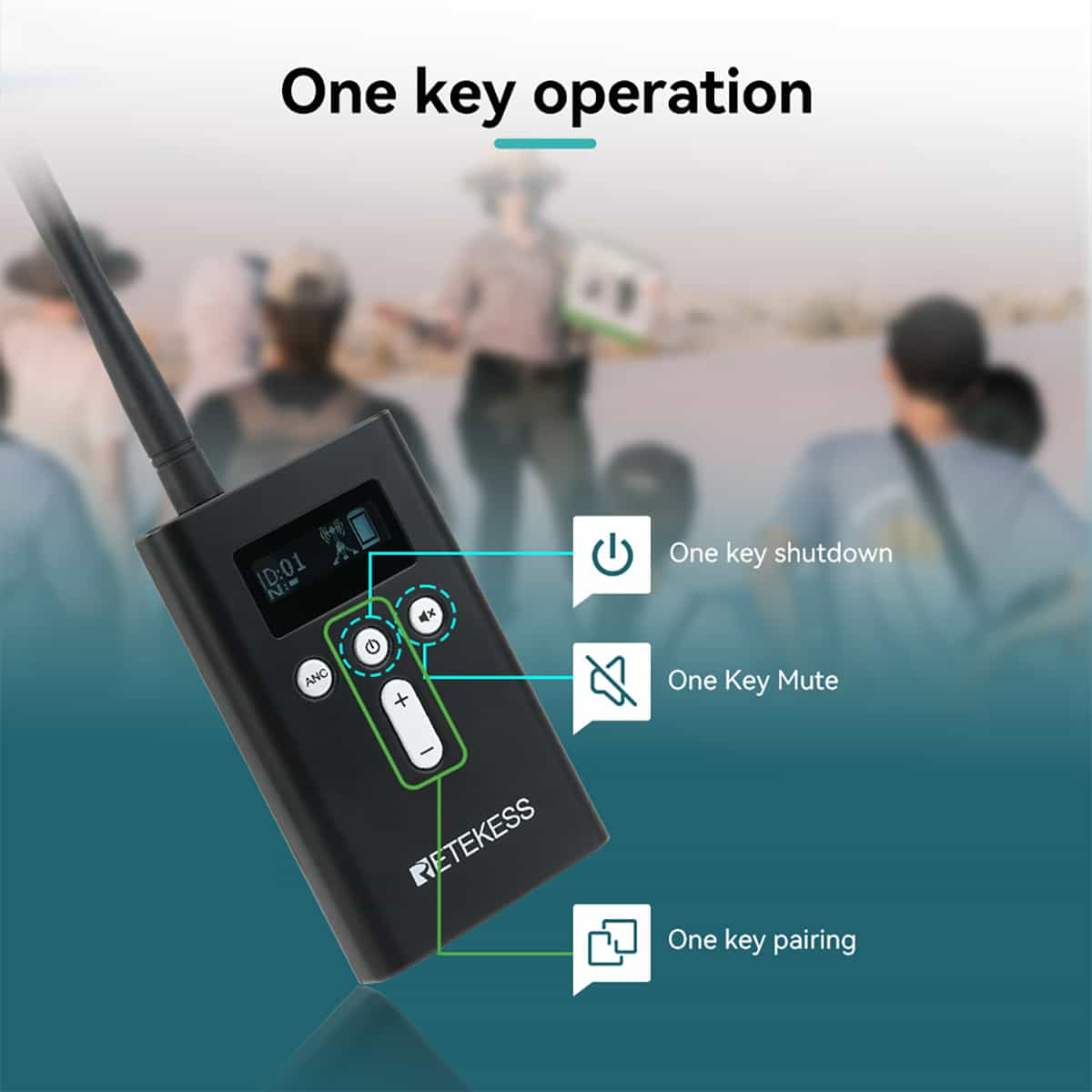
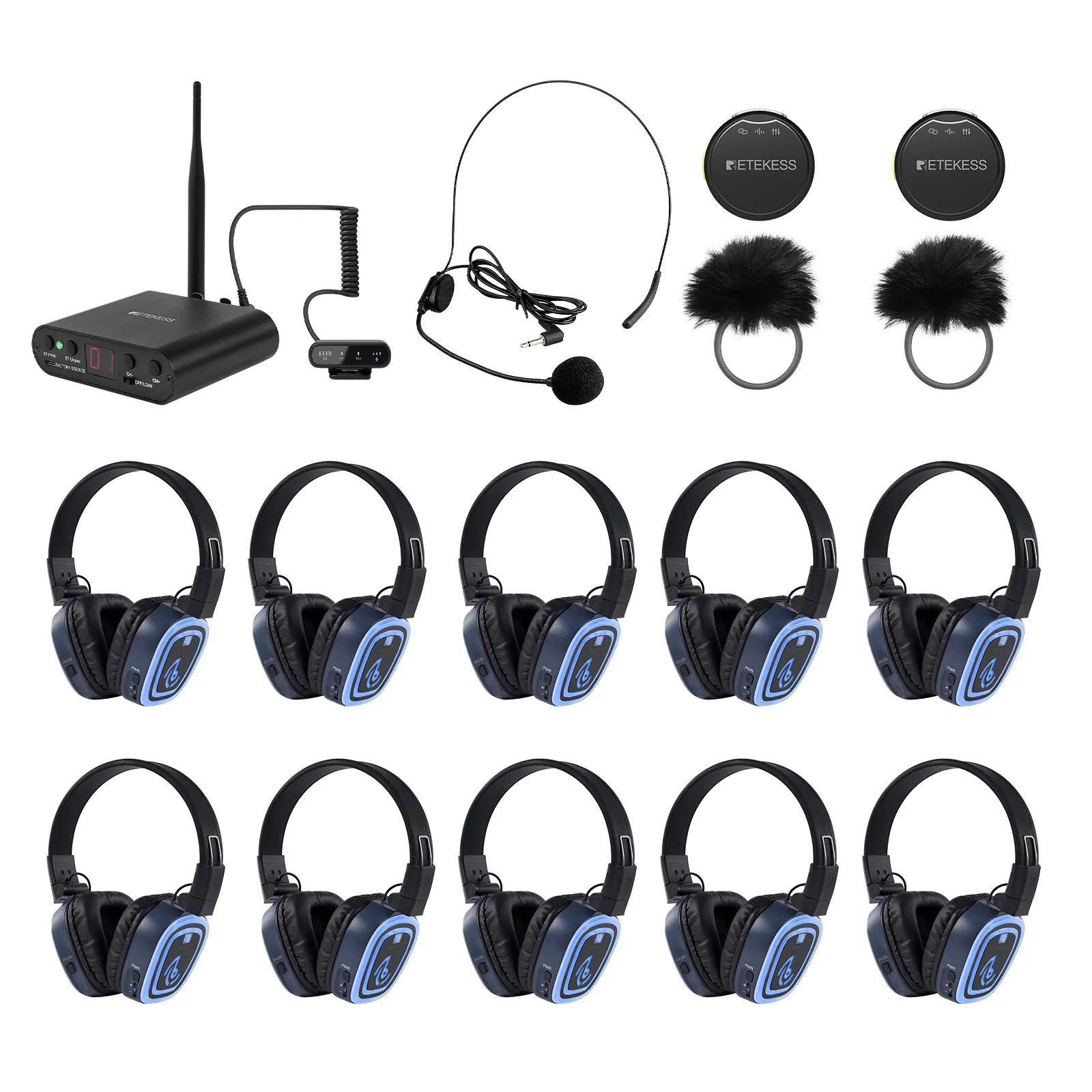
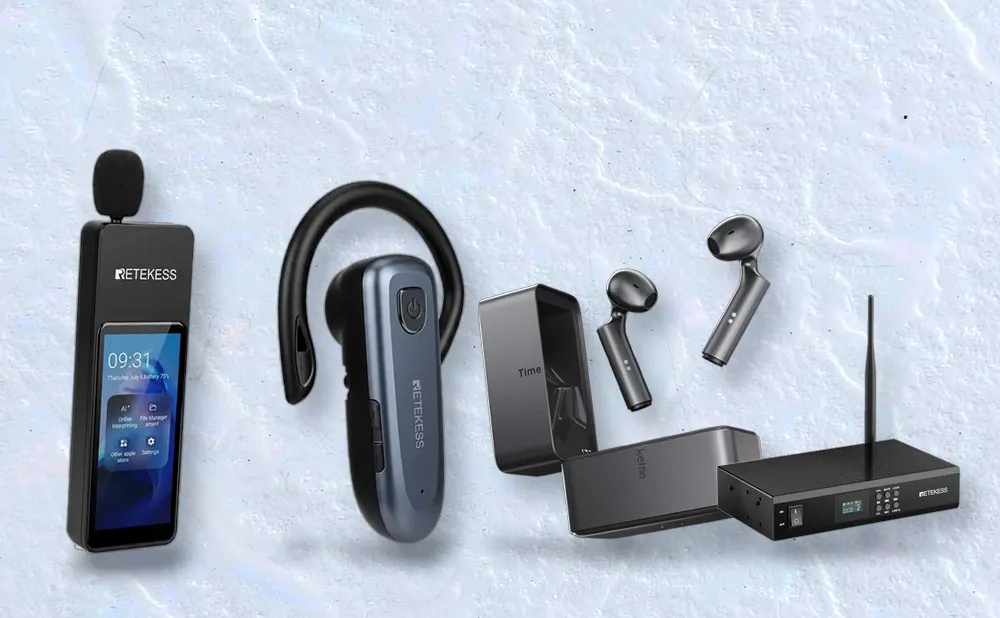
For schools looking at this type of setup,Retekess TT119 and T130T are examples of more formal, desktop-style translation systems. These kinds of systems are well suited to fixed environments where the school wants a more structured and professional workflow.
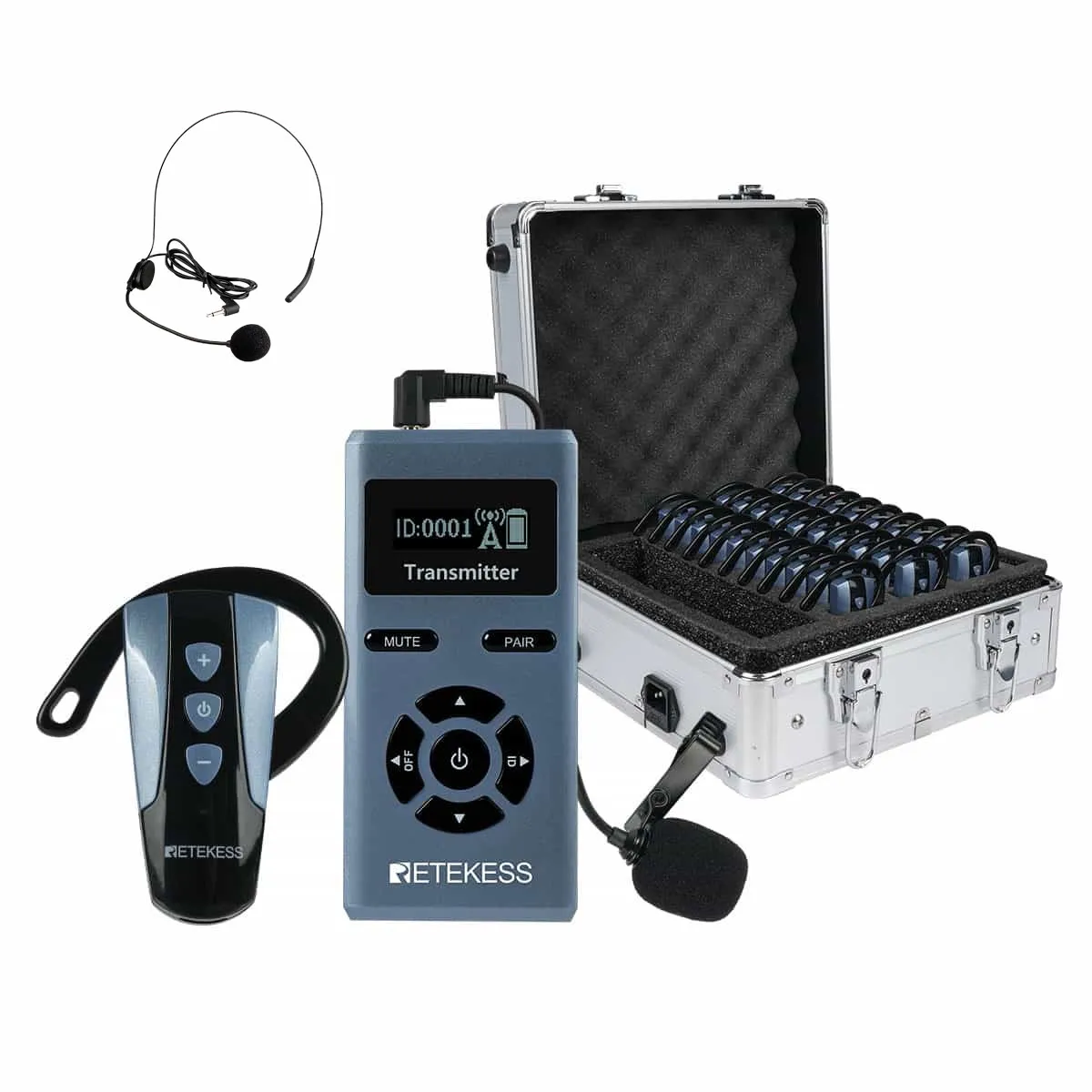
In more mobile or flexible situations, a portable interpretation device can also be a better fit. T130P, for example, is a more portable option that works well when the school needs a lighter, more moveable setup for guided or multi-location communication.
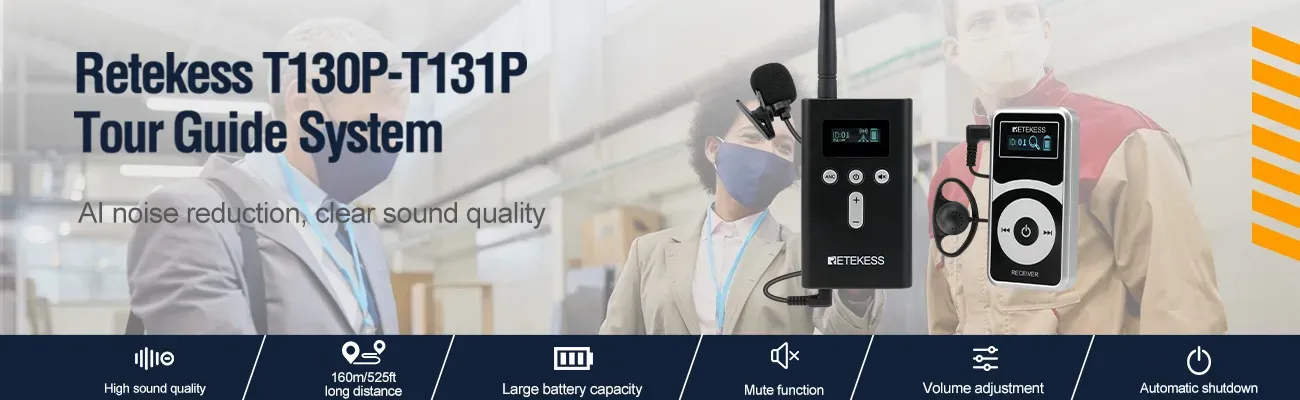
In other words, FM translation is often a practical choice when the school needs a formal, group-based, synchronized translation experience that can be reused for recurring events.
Automatic translation devices are usually the better option when the communication need is smaller, faster, or more temporary. Instead of requiring a full interpretation workflow, these devices can support quick conversations in real time.
This makes them especially useful for:
For many schools, this is where the biggest gap exists. Not every communication needs a full formal setup. In fact, a lot of school interaction happens in smaller, more frequent moments. Those moments still matter, but they are harder to support efficiently if the only option is to schedule a full interpretation service every time.
That is where automatic translation becomes valuable. It can help schools respond more quickly, reduce coordination work, and make multilingual communication more practical on a daily basis.
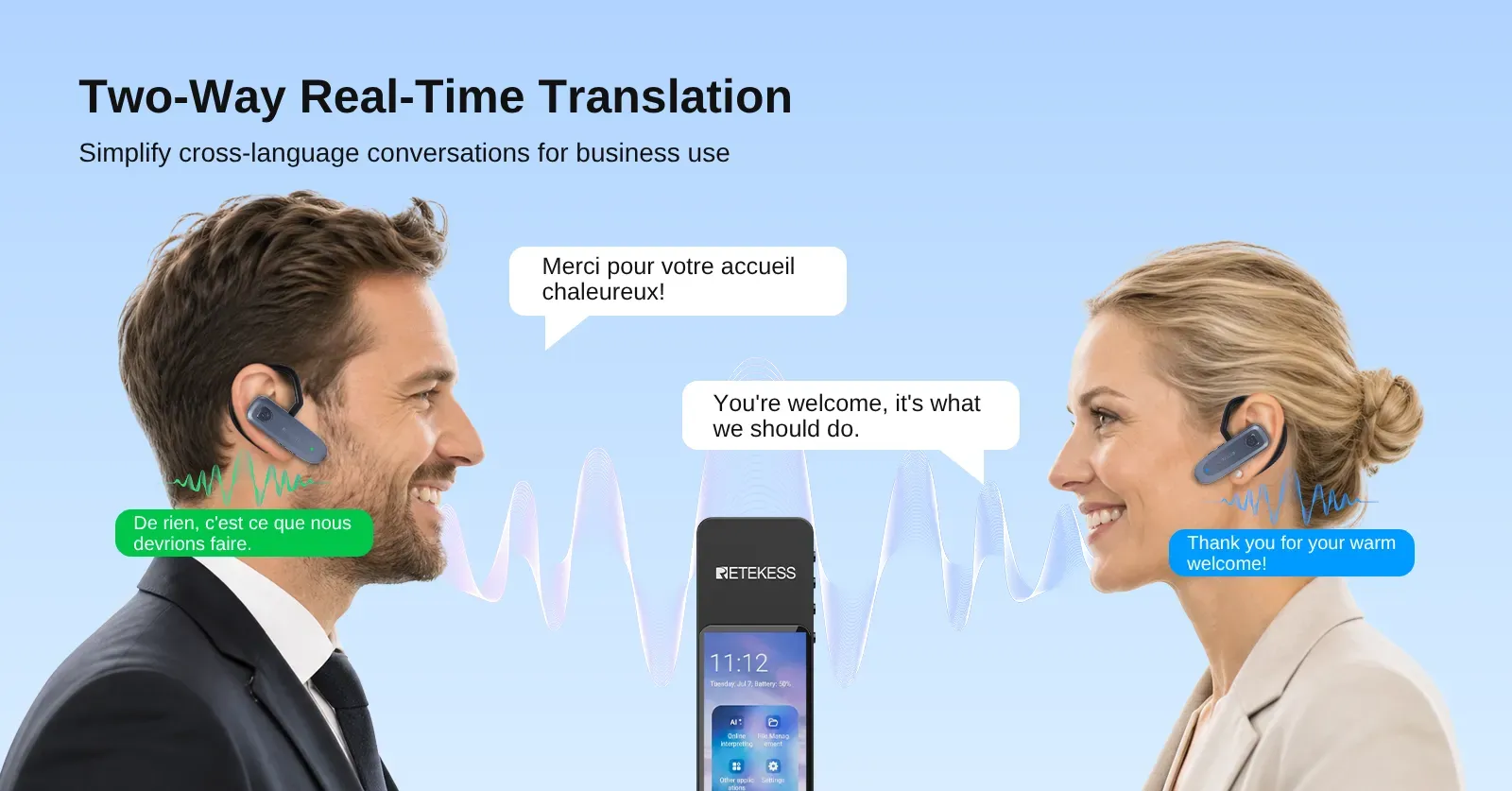
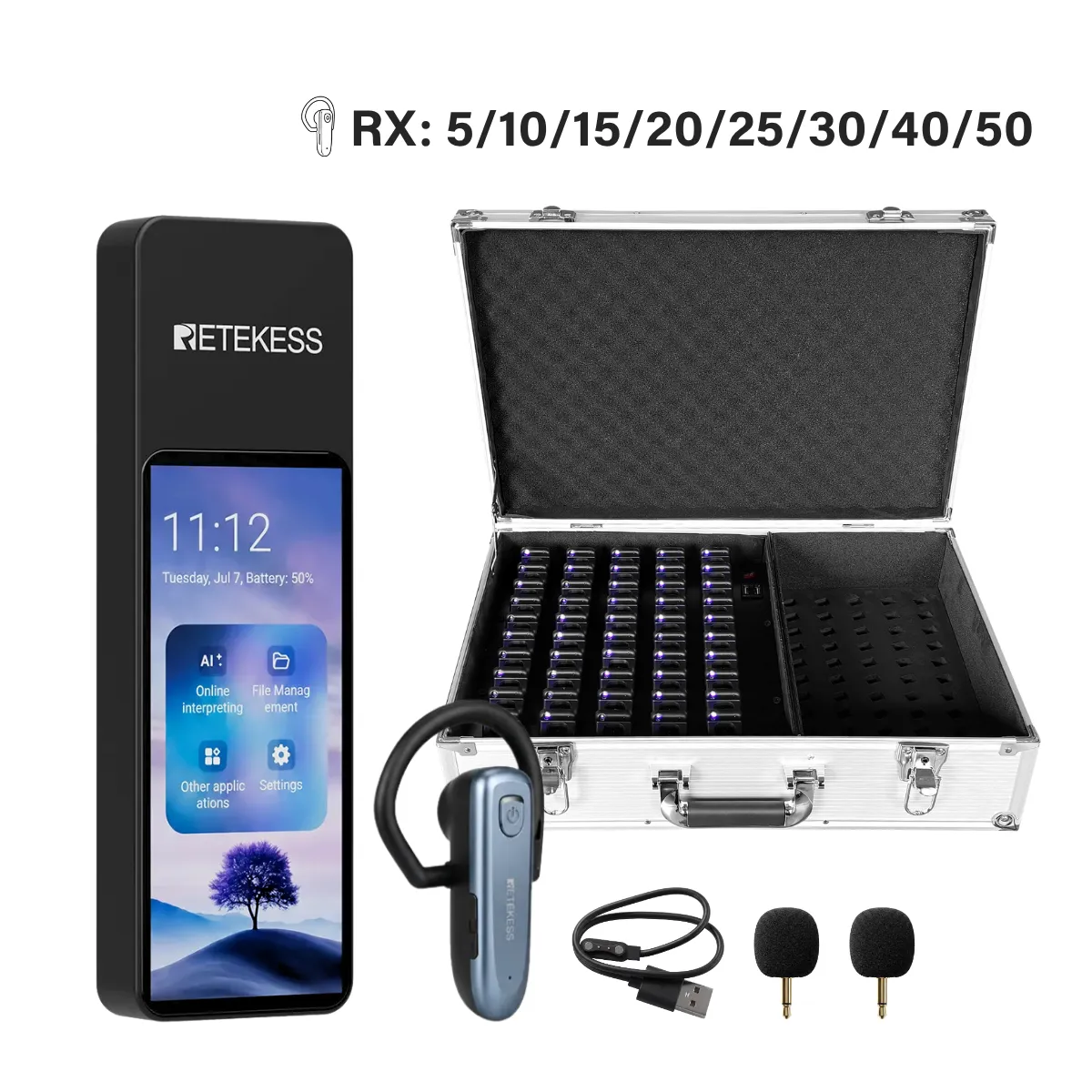
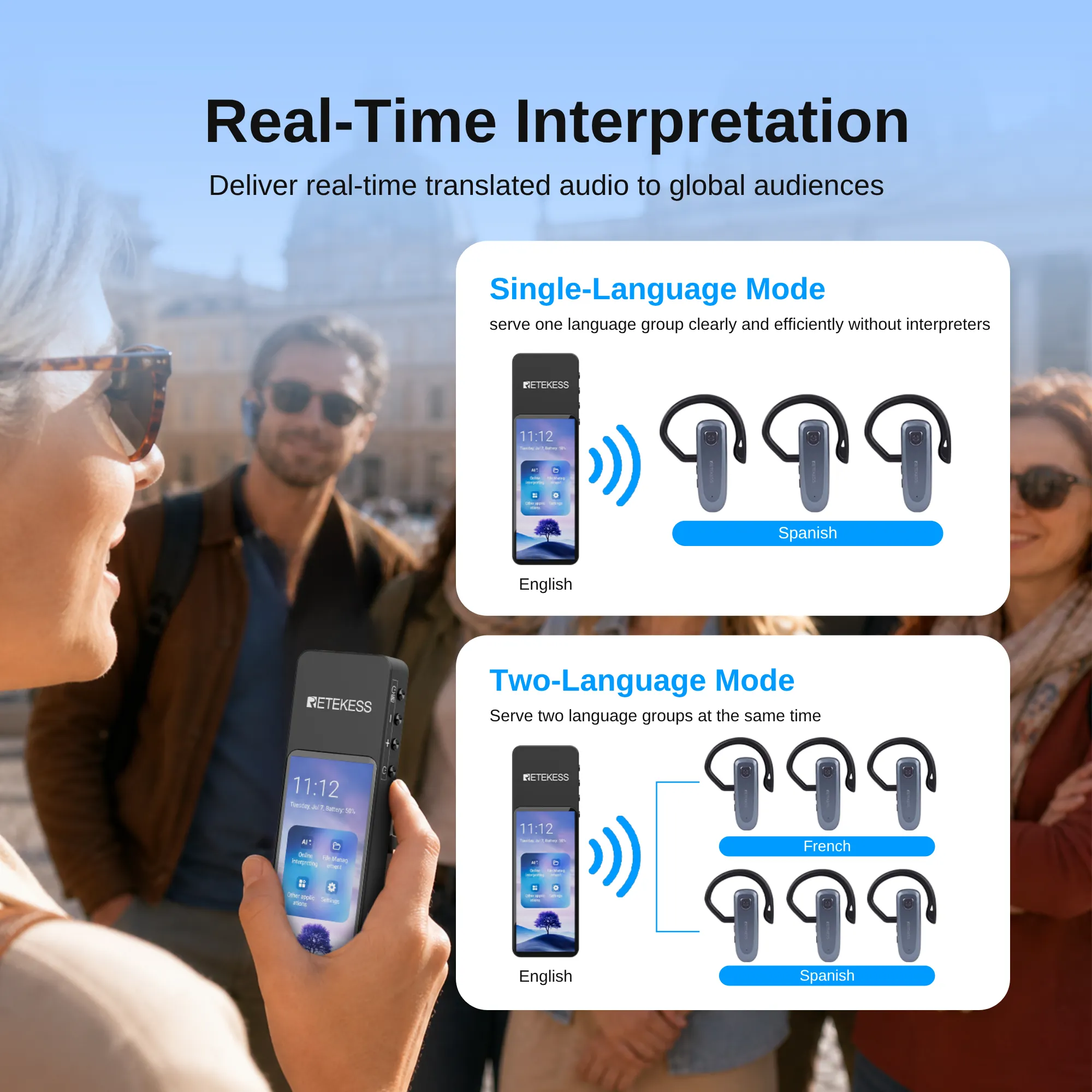
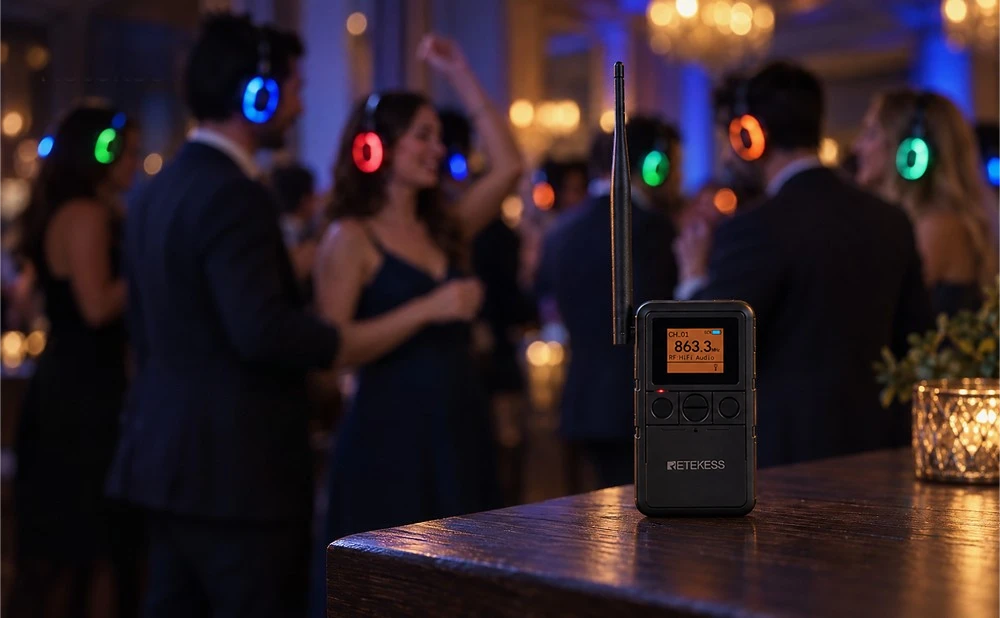
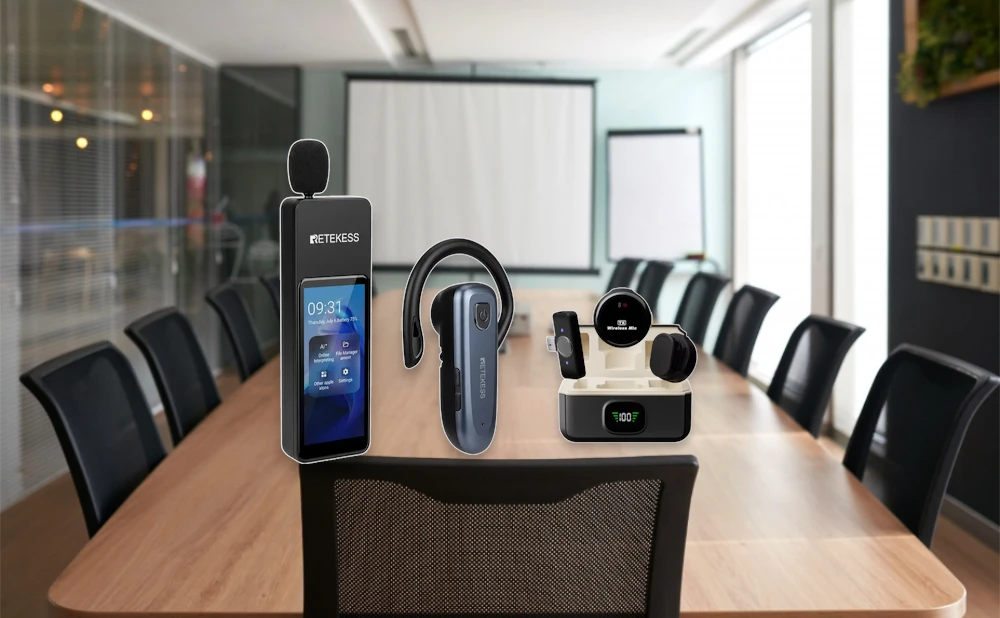
A device like Retekess TT136 Auto Translation Device for Multilingual Groups fits this use case well. It supports AI-powered automatic translation, requires internet connectivity, and can provide real-time output in one or two languages. With support for 120+ languages, it can cover most multilingual family communication needs in a school setting.
That does not mean it replaces every interpretation scenario. It means it is often the fastest and most flexible option for the kinds of school conversations that happen every week.
The best way to choose is to start with the communication situation, not the device.
Ask these questions:
Large events usually benefit from FM translation. Smaller conversations often work better with automatic translation.
If yes, FM translation is usually a better fit.
If yes, automatic translation may be the faster solution.
If the answer is yes, automatic translation becomes more practical. If not, FM-based translation may be the safer choice.
If the same types of meetings happen often, schools may want a system that is easy to repeat and easy to train staff on.
These questions help schools match the right solution to the right situation.
For many schools, the smartest approach is not choosing one translation method for everything. It is building a two-track system.
Use FM translation for:
Use automatic translation for:
This combination gives schools more flexibility. It helps them handle both major events and everyday communication without overcomplicating the process.
That is often what school leaders really need: not one perfect device, but a practical system that supports different communication needs across the year.
Schools do not need to treat multilingual communication as a one-size-fits-all problem. Some situations call for a formal FM translation setup with a human interpreter and synchronized receivers. Others are better handled by a faster, internet-based automatic translation device.
That is why translation devices for schools should be understood as tools that support a broader communication strategy. The goal is not just to buy equipment. The goal is to make school communication more reliable, more understandable, and more workable for staff and families.
For large formal events, FM-based systems such as TT119 and T130P can help schools create a more structured listening experience. For smaller, more immediate communication needs, a device like TT136 can provide fast, multilingual support with real-time translation.
When schools choose the right solution for the right situation, multilingual family communication becomes much easier to manage—and much easier for families to trust.








 Google
 Amazon