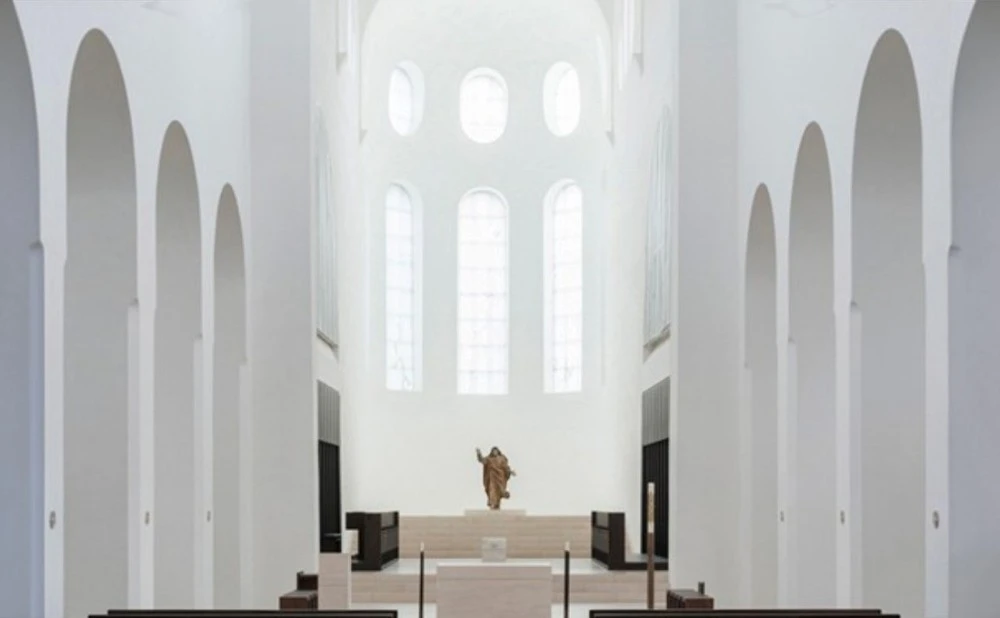
A Spanish-speaking family walks into your church on Sunday. They sit near the back and stay through worship. But when the sermon begins, they leave—or return once before disappearing altogether.
The reason is often the language barrier. Without a way to understand the sermon, they cannot fully participate in the service.
As neighborhoods change and more multilingual families join the community, congregations become increasingly diverse. Yet the language of the service often stays the same, leaving some members disconnected from the message.
The good news is that offering a multilingual church service does not necessarily require a full-time interpreter or permanent equipment. With a modest budget and the right approach, even small churches can get started by addressing two key challenges.
The first problem is translation. Who puts the English sermon into Spanish (or another language)?
The second problem is delivery. Once you have translated audio, how do you get it into the ears of the people who need it, without making the rest of the congregation hear it?
These two problems have different solutions, different costs, and different failure modes. Most churches get stuck because they try to solve both at once with one expensive purchase. A small church can split the work.
The cheapest starting point. Many small churches already have a member who speaks both English and Spanish comfortably. That person listens to the sermon and speaks the translation into a microphone.
The weakness is consistency. Volunteers get sick, go on vacation, change jobs, or move. If your multilingual church service depends on one person, it is one absence away from breaking. It helps to start with a couple of volunteers who can cover for each other.
If the pastor or a staff member preaches in both languages, you have no translation problem at all. This works best for congregations that are roughly split between two language groups. It does not scale well when the congregation is mostly English-speaking with a small Spanish subset, because the sermon length doubles.
A number of tools now offer real-time AI translation for sermons at a low monthly cost. They listen to the preacher's audio feed and produce translated audio or captions.
The weakness is delivery. Congregation members need to read captions on a phone, which means staring at a screen through the whole service. Or they need to stream translated audio to their own earbuds, which requires a reliable WiFi network and every listener having the right app installed. For older congregations or visitors who do not want to download anything, this adds friction.
Here is what most small churches discover after trying a volunteer or an app. The translation itself is not the hard part. Getting the translated audio to the right people, clearly and consistently, is.
The main sanctuary speakers are mixed. They carry the full English sermon out to everyone. A Spanish listener sitting in the pew cannot simply "turn on" the Spanish version. They hear English through the room speakers and the translation through a phone or a volunteer's voice at the same time, and the two collide.
The solution is a separate audio channel. The translated audio goes out on its own frequency. Spanish listeners use a personal receiver with an earphone. They hear the translation clearly. Everyone else in the sanctuary hears only the normal English service.
This is the same principle that large churches use. The equipment is simpler and cheaper when the congregation is small.
If you have a handful of Spanish-speaking visitors and no regular program yet, start with a bilingual volunteer and a simple microphone. No equipment purchase is needed beyond what your sound system already has. Have the volunteer sit near the front and speak softly into a second microphone that only feeds a small speaker or a personal monitor.
This tier proves whether the need is real. If Spanish-speaking families start returning and bringing friends, you have a reason to invest.
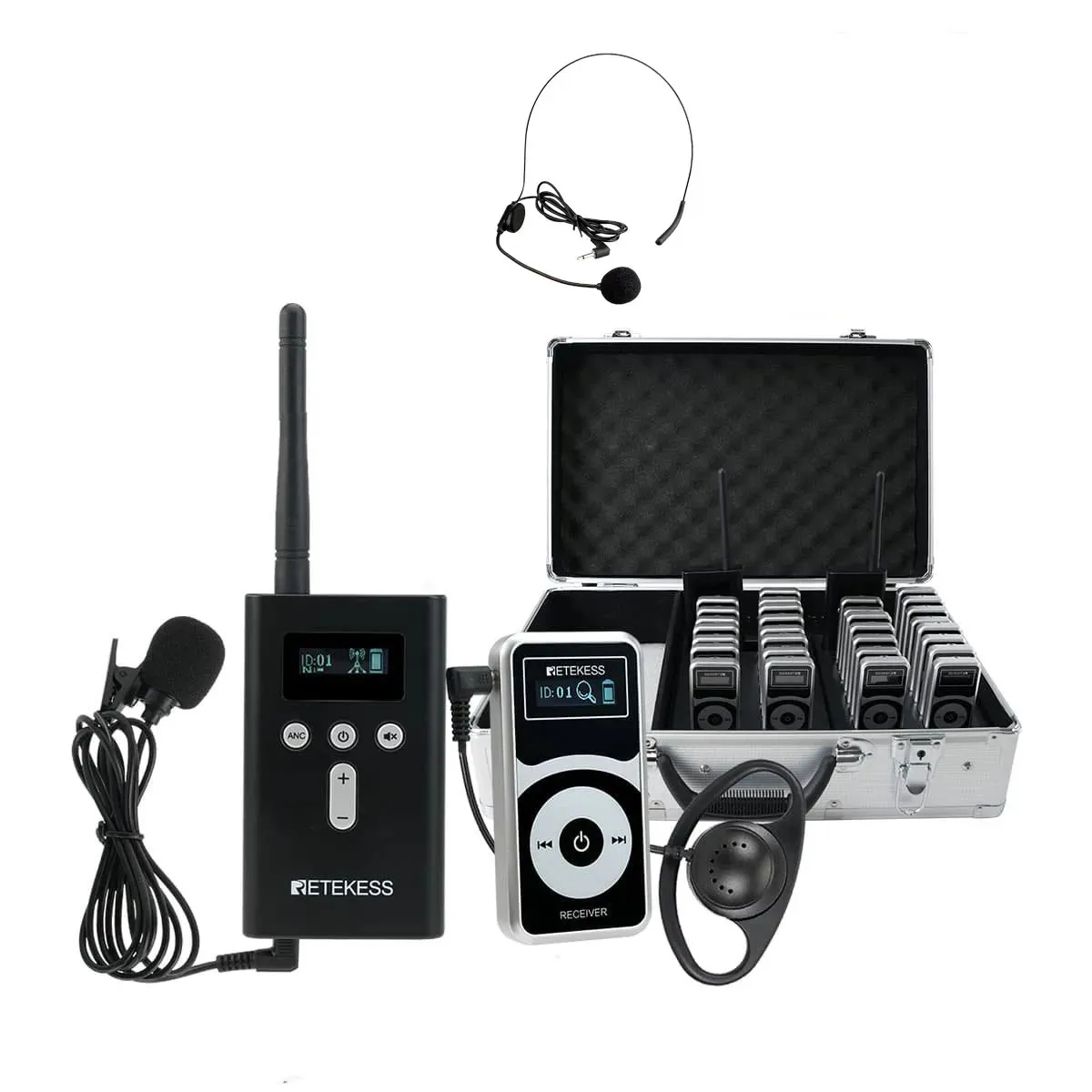
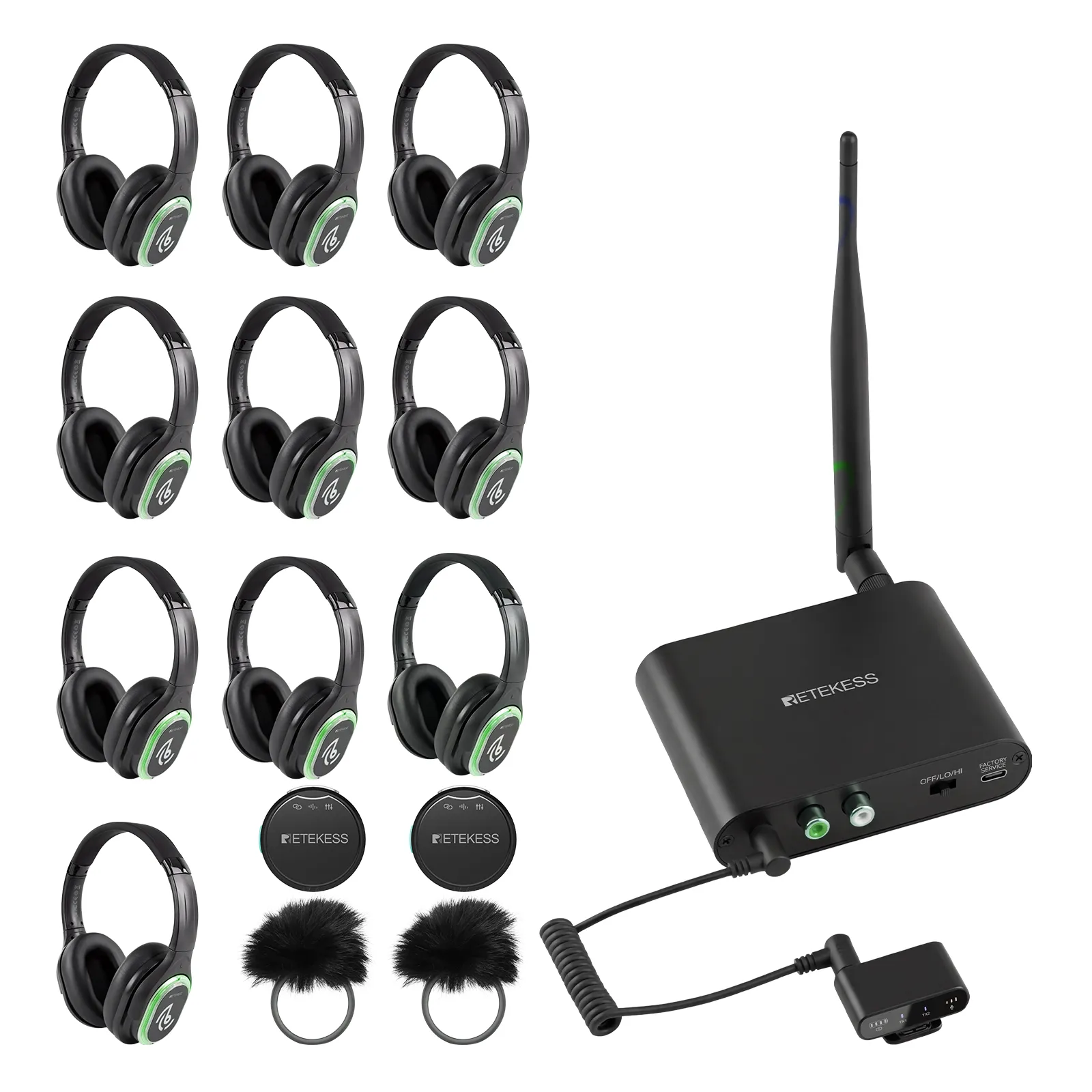
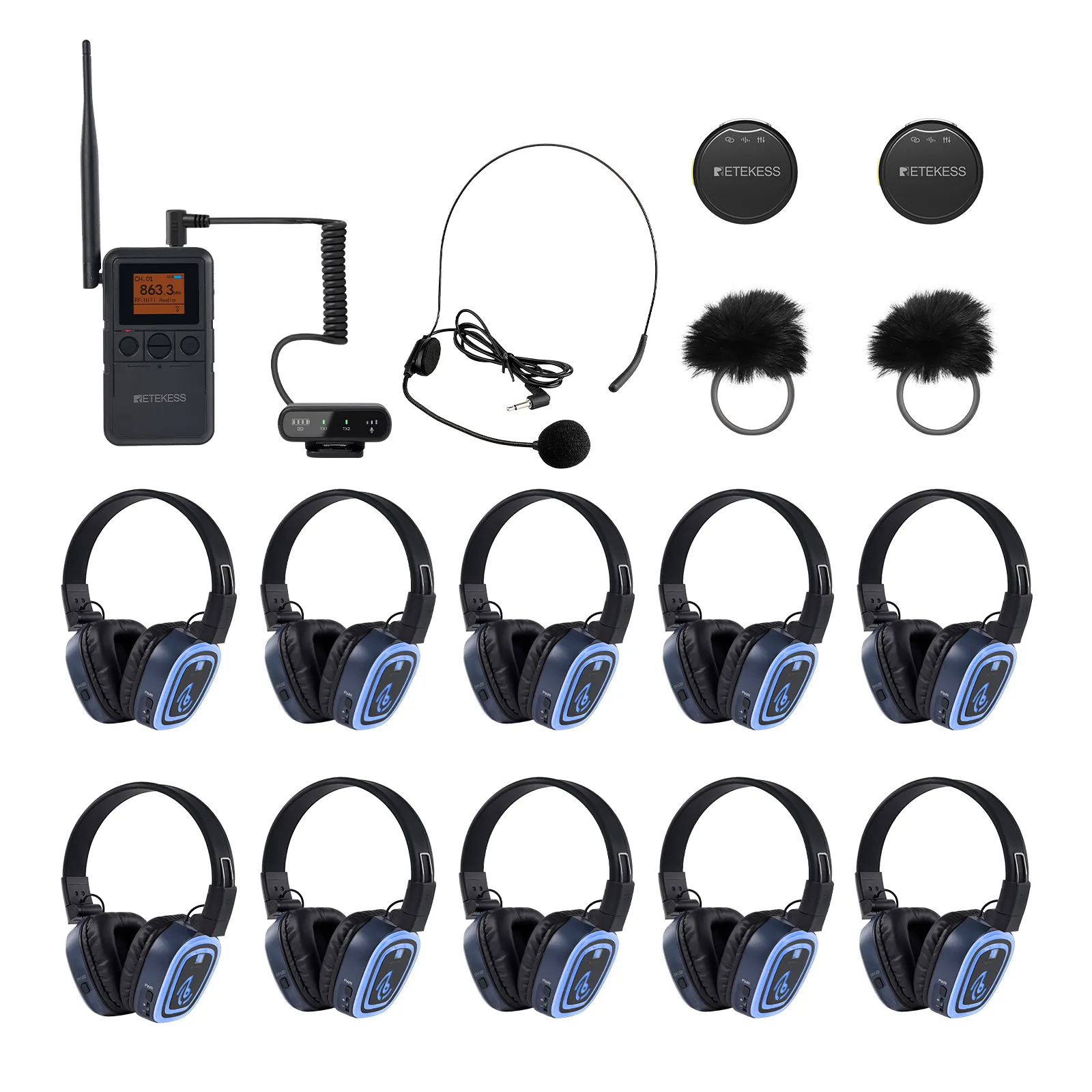
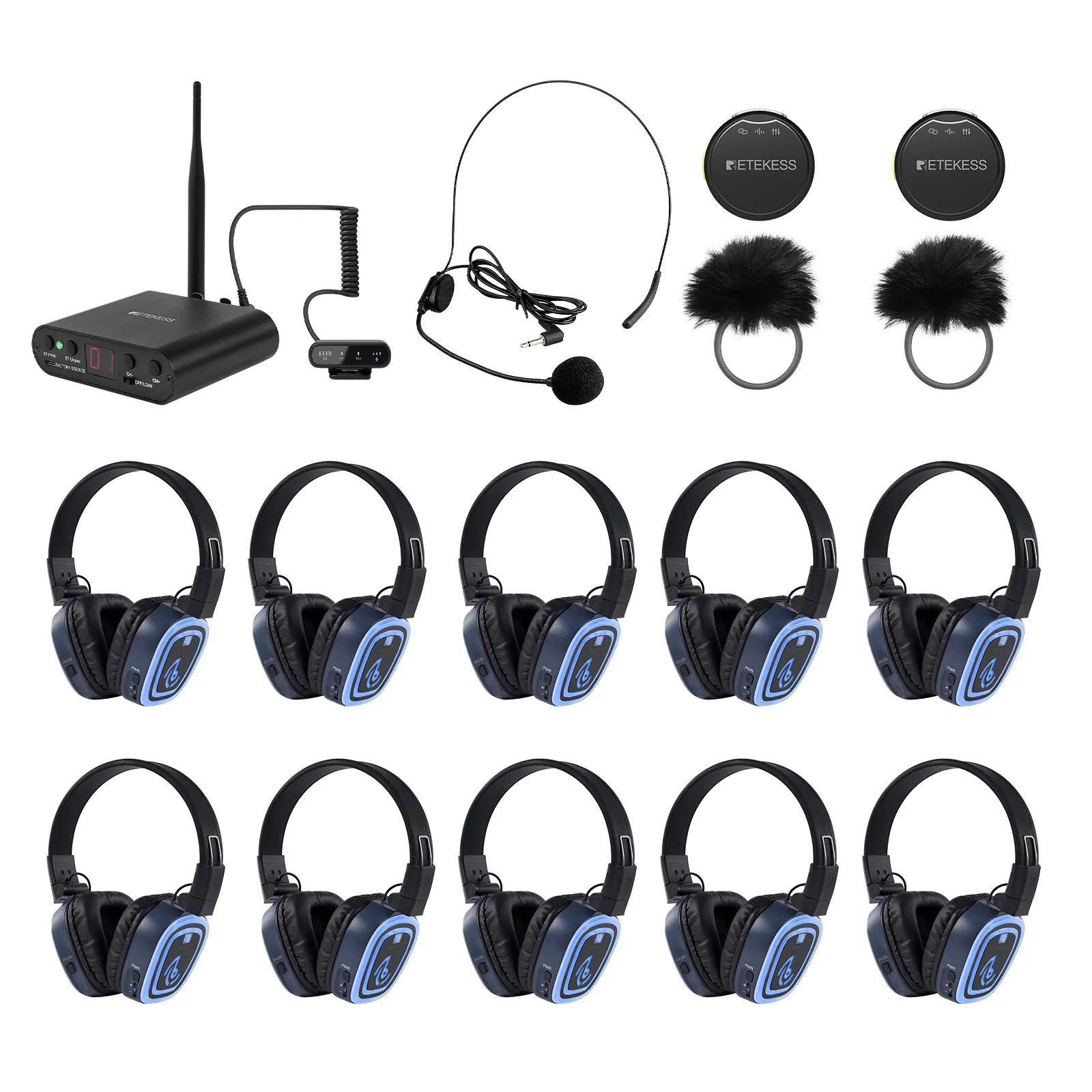
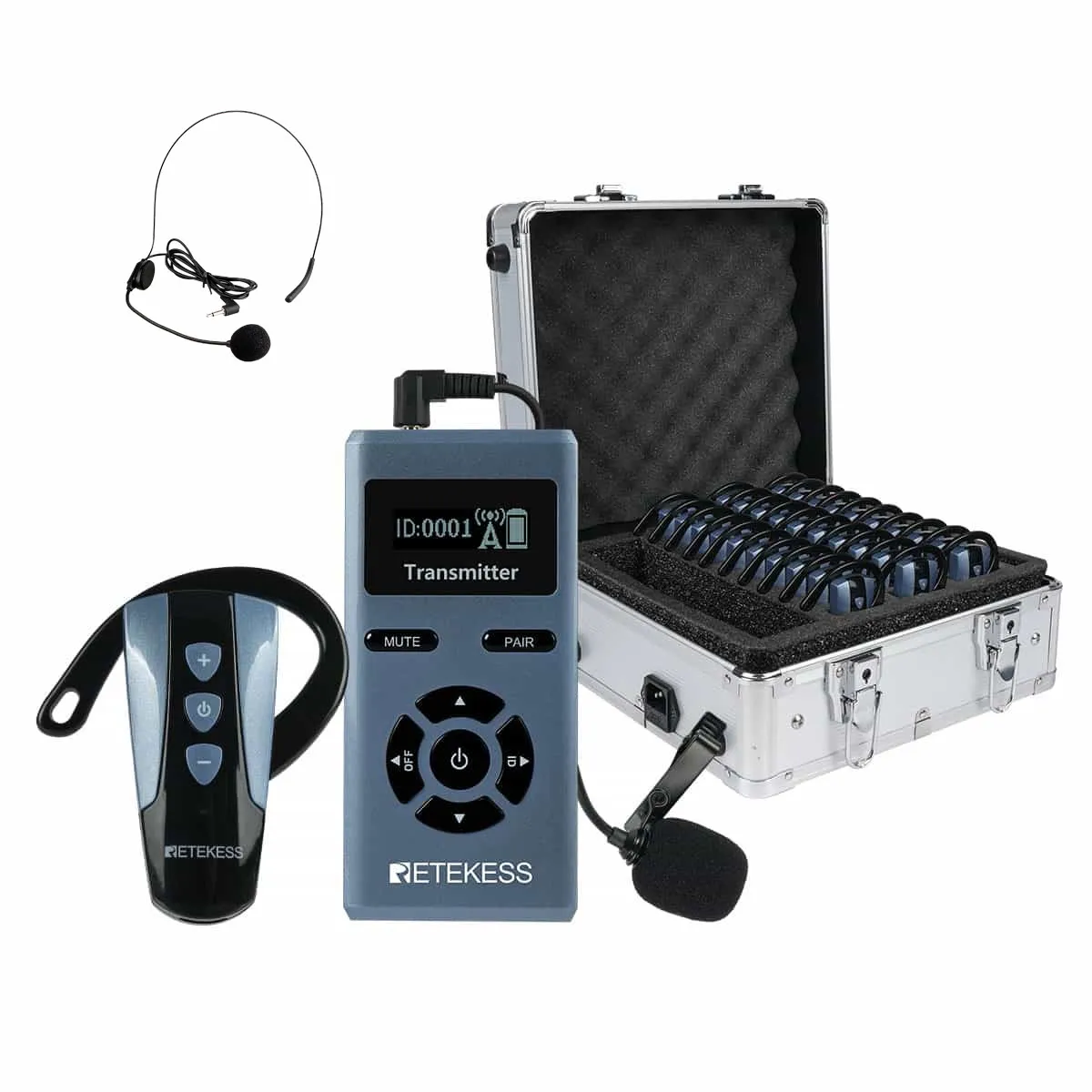
Once you have 10 to 30 Spanish-speaking participants each Sunday, a wireless listening system for church becomes the right tool. A small FM transmitter for church service picks up the translated audio from your volunteer or AI source. Each Spanish listener uses a lightweight receiver with an earphone.
This is where church translation equipment stops feeling like a project and starts feeling like normal ministry. The transmitter lives in the sound booth. The receivers are charged between services and handed out at the door. One volunteer manages the distribution.
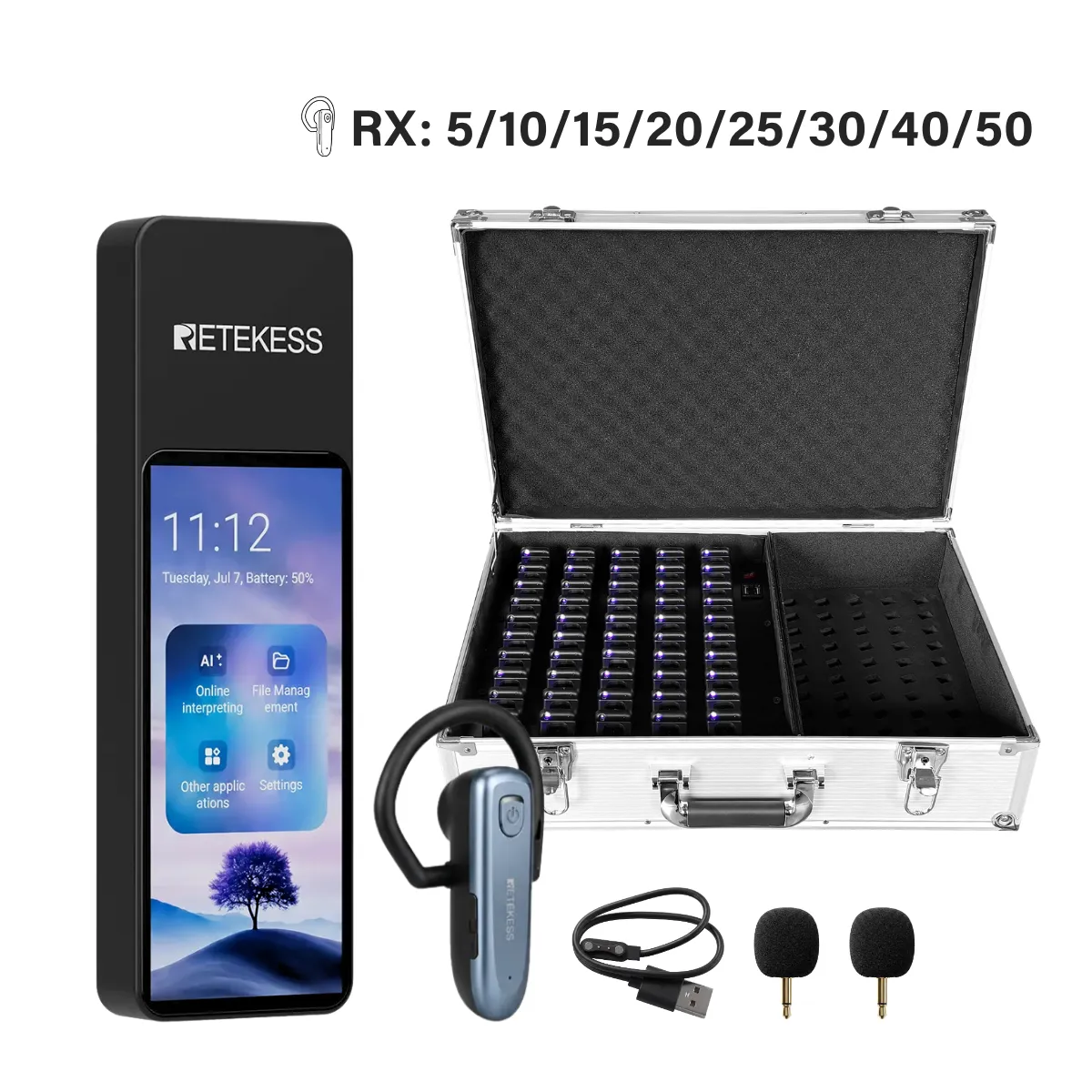
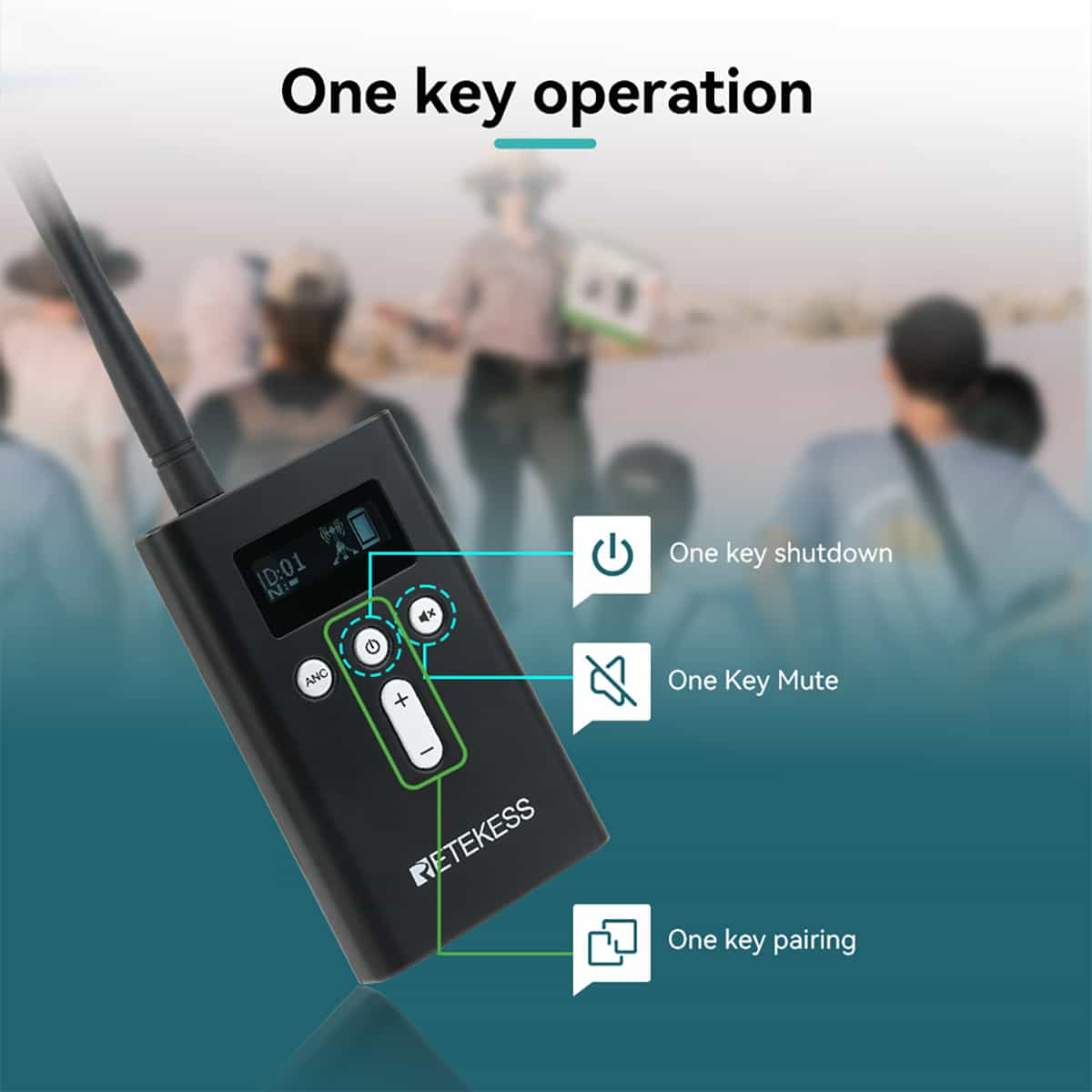
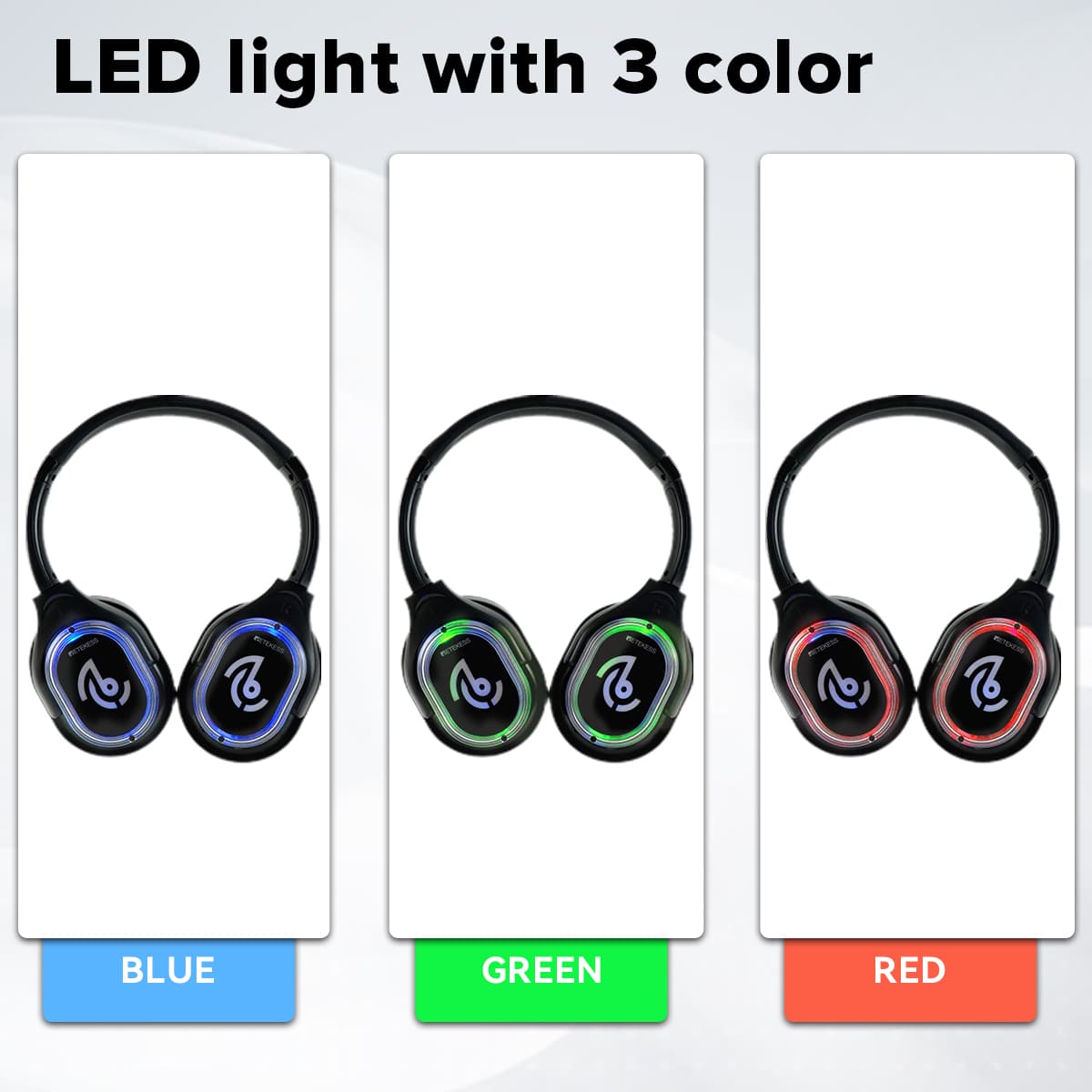
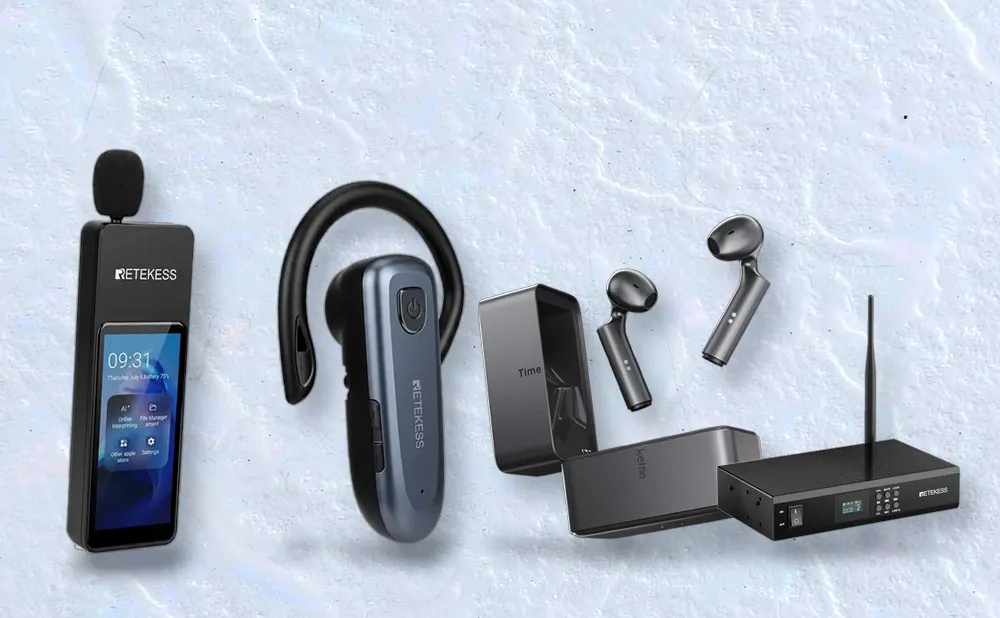
For this tier, consider a RETEKESS portable translation equipment for your church. The right transmitter depends on the source of the translated audio.
|
Translation Method |
Live Human Translation |
App-Based or Pre-Recorded Translation |
|
How It Works |
A bilingual volunteer sits near the front and translates live. The translator wears the transmitter, and listeners use receivers to hear the translated voice. |
Connect the transmitter to a phone running a translation app via Bluetooth, or play a pre-recorded Spanish sermon from a tablet. The transmitter sends the audio to the receivers. |
|
Audio Transmission |
Stable FM transmission with built-in noise reduction helps the translated voice remain clear over background music and HVAC noise. |
Wireless audio transmission delivers app-generated or pre-recorded translation directly to listeners. |
|
Multiple Languages |
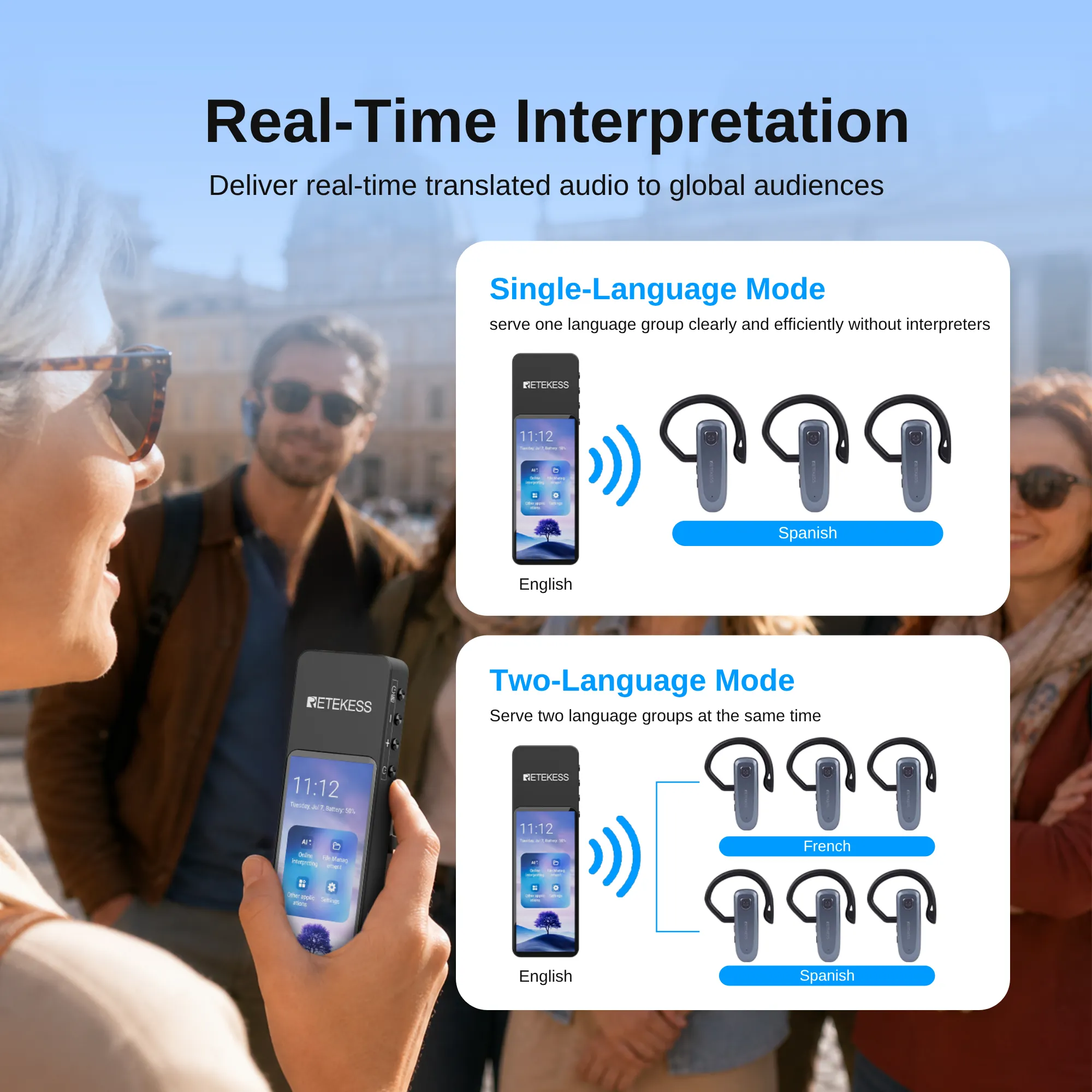
Multi-channel support allows two languages to run simultaneously, making it easier to accommodate Portuguese- or Mandarin-speaking groups. |
Suitable for playing a selected translated language without requiring a separate interpreter in the room. |
|
Best For |
Churches with bilingual volunteers providing live interpretation. |
Churches using translation apps or pre-recorded translated sermons. |
|
Recommended System |
T130P, TR503S & PR13S |
If your congregation grows past 200 or needs three or more language channels at once, you are entering the range where professional systems make sense. That is not the audience this article is for. Small churches that are still trying to figure out their first multilingual service do not need to plan for that future.
A few things are common in online discussions but rarely worth the cost for a small church.
A multilingual church service is not about making the sanctuary feel like a United Nations conference. It is about a family walking in and hearing the sermon in the language they think in. That is the difference between a visitor who leaves quietly and a family that comes back, brings friends, and eventually becomes part of the congregation.
You do not need a permanent translation setup to make that happen. You need a reliable translation source and a way to get the translated audio to the right ears. The rest is just equipment.









 Google
 Amazon