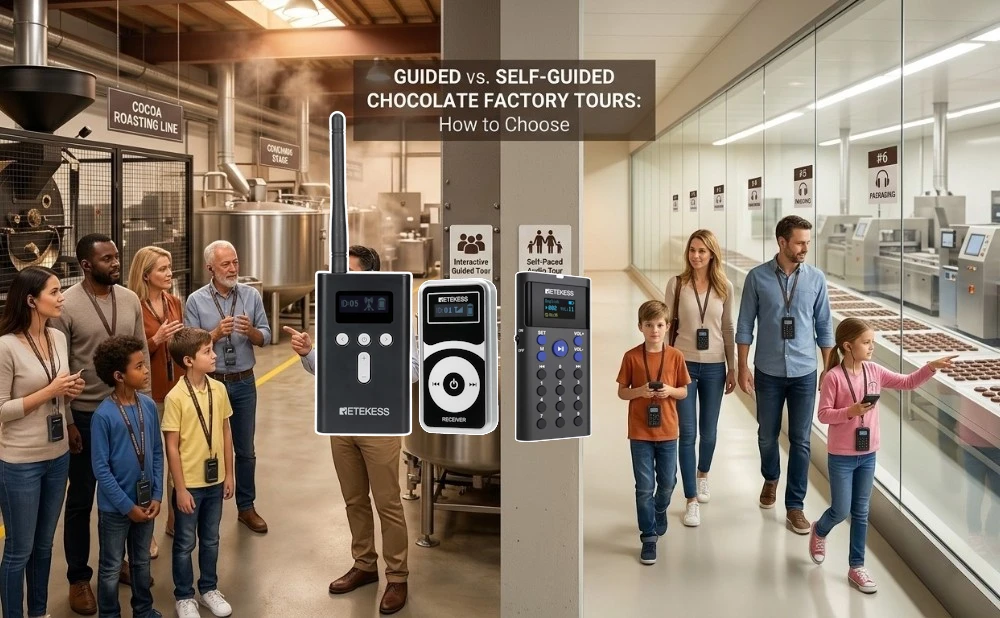
From bean-to-bar craftsmanship to the irresistible aroma of melting cocoa, chocolate factory tours have become a top attraction for families, tourists, and food enthusiasts around the world. Whether you are reserving a ticket for a weekend outing or managing visitor operations at a confectionery facility, you might wonder: How can I compare guided and self-guided chocolate factory tours?
While both tour formats offer unique ways to explore the chocolate-making process, they serve very different visitor expectations and operational requirements.
1. Guided Chocolate Factory Tours (Human-Led)
Guided tours are led by a knowledgeable docent or tour guide who walks group participants through each stage of production.
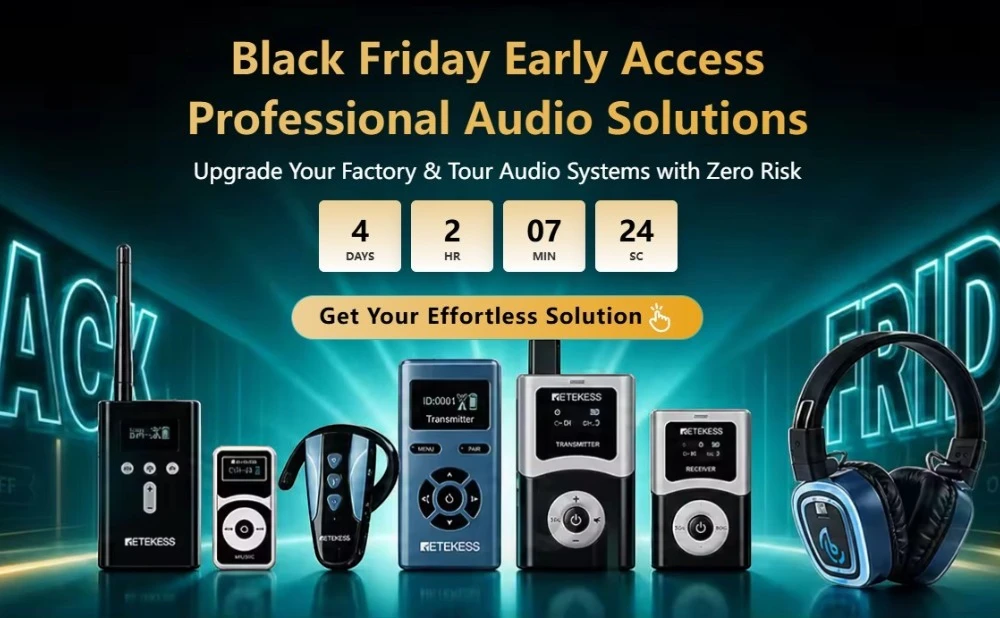
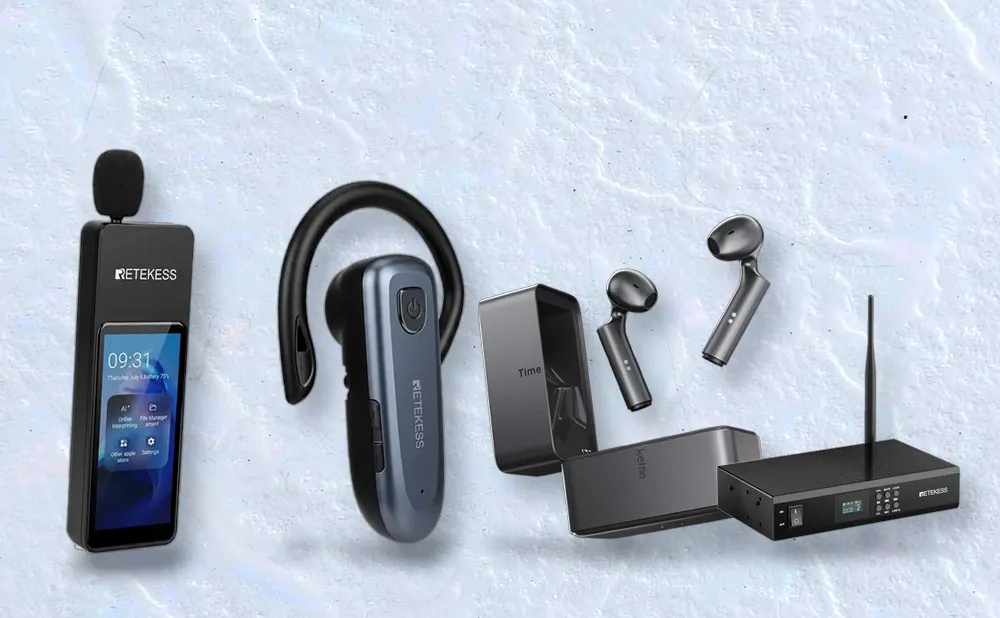
Pros: Offers rich storytelling, interactive Q&A, structured tasting sessions, and hands-on chocolate workshops. (To optimize interaction, factory operators can choose their audio setup based on the tour format: use a two-way system (like two-way wireless transceivers) for interactive tours where visitors need to ask questions and participate in discussions, or a one-way tour guide system for traditional tours focused solely on listening to the guide's commentary.)
Cons: Scheduled departure times mean less flexibility, and groups must move together at a set pace.
Best For: First-time visitors, school field trips, VIP groups, and anyone wanting a deep dive into cocoa origins and tasting notes.
2. Self-Guided Chocolate Factory Tours (Self-Paced)
Self-guided tours allow visitors to explore designated walkways, glass observation galleries, or interactive exhibit stations at their own speed.
Pros: Complete schedule flexibility, zero wait times for late arrivals, and the ability to spend more time at personal areas of interest.
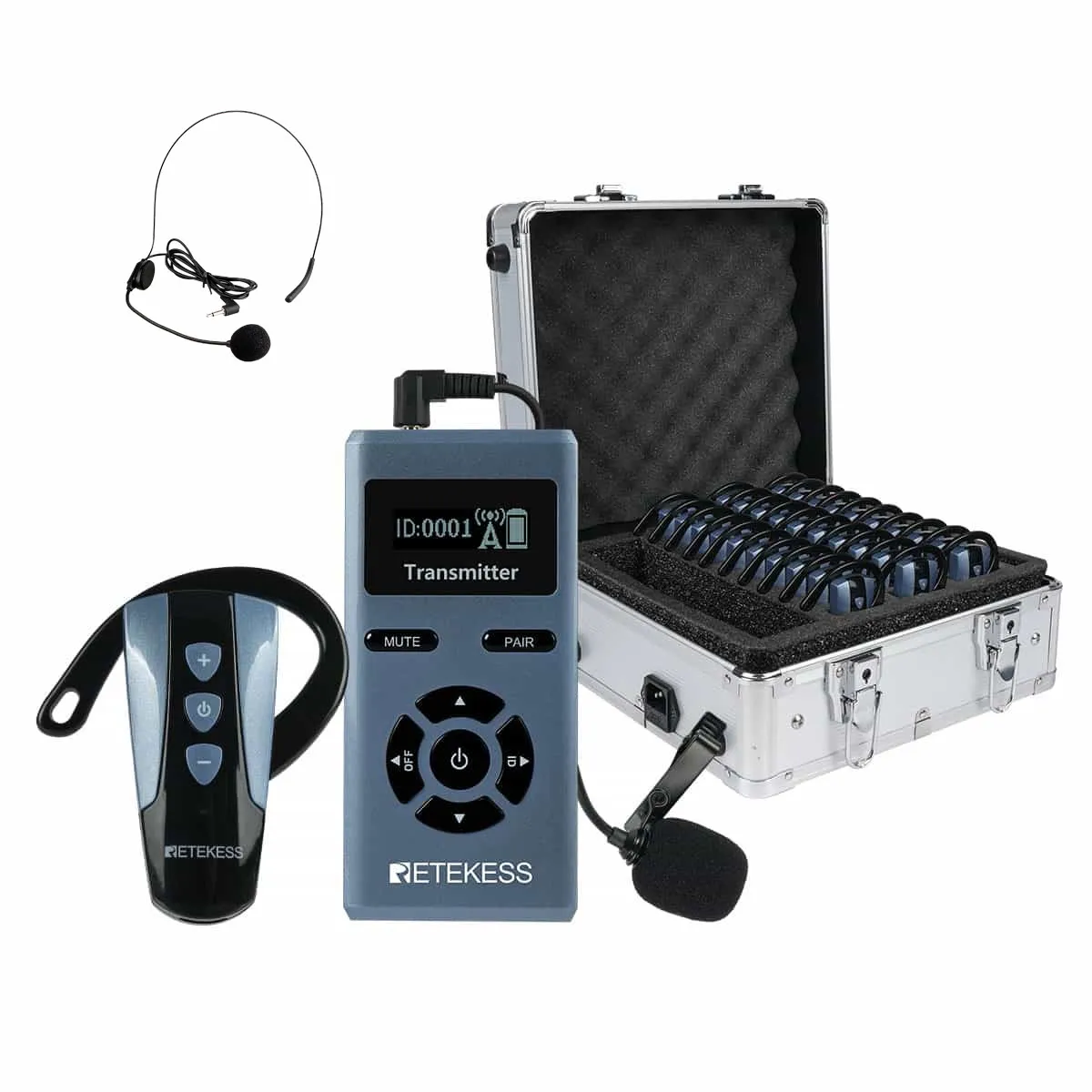
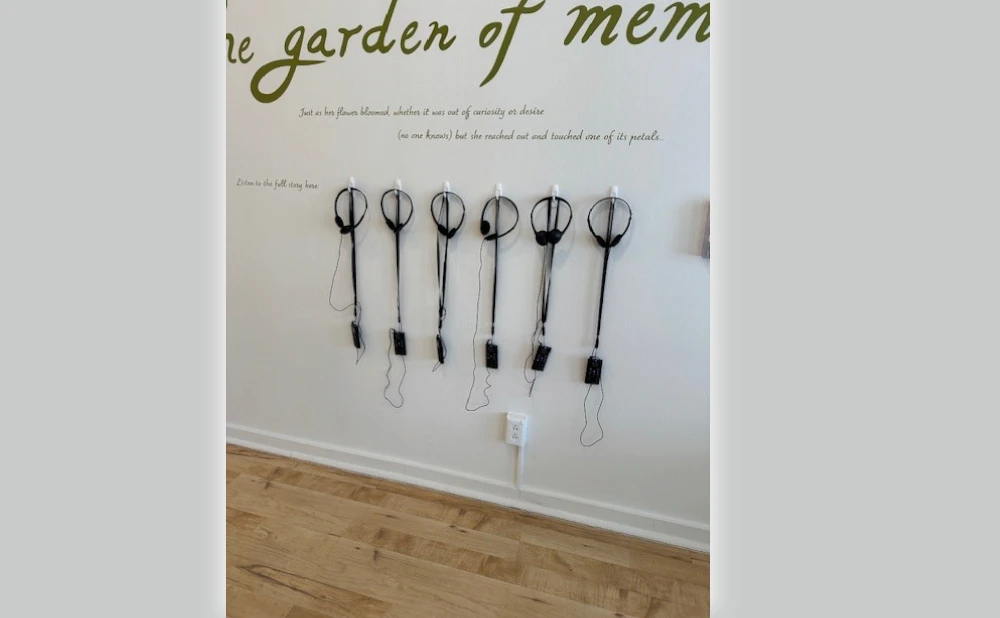
Cons: Less direct interaction, and complex machinery processes may require clear signage or audio prompts to be fully understood. (To solve this, factory operators can provide self-guided tour devices like the Retekess TT128. Visitors can simply press the corresponding number at each exhibit or station to listen to pre-recorded audio explanations, allowing them to explore entirely at their own pace.)
Best For: Families with young children, casual tourists looking for a quick visit, and self-paced travelers.
Whether running a high-volume exhibition like the Lindt Home of Chocolate or managing a local craft bean-to-bar workshop, chocolate facilities present specific operational environment challenges that dictate audio equipment choice:
Pervasive Industrial Background Noise: Heavy machinery—such as industrial roasters, winnowers, and long-cycle conching tanks—generates continuous low-frequency hums. Effective audio gear must isolate speech and filter out mechanical background noise so commentary remains crisp.
Sealed Glass Viewing Galleries: Food safety regulations (such as HACCP) strictly separate visitors from active production areas using sealed glass corridors or elevated observation balconies. While protecting food purity, these acoustic barriers completely isolate guests from the guide’s natural voice, making clear wireless transmission essential.
Rigorous Hygiene & Rapid Turnover Standards: Facilities hosting hundreds of daily visitors require equipment that can be disinfected quickly between tour slots. Smooth, seamless casings and durable, wipeable ear-hook designs are crucial for meeting strict sanitary protocols.
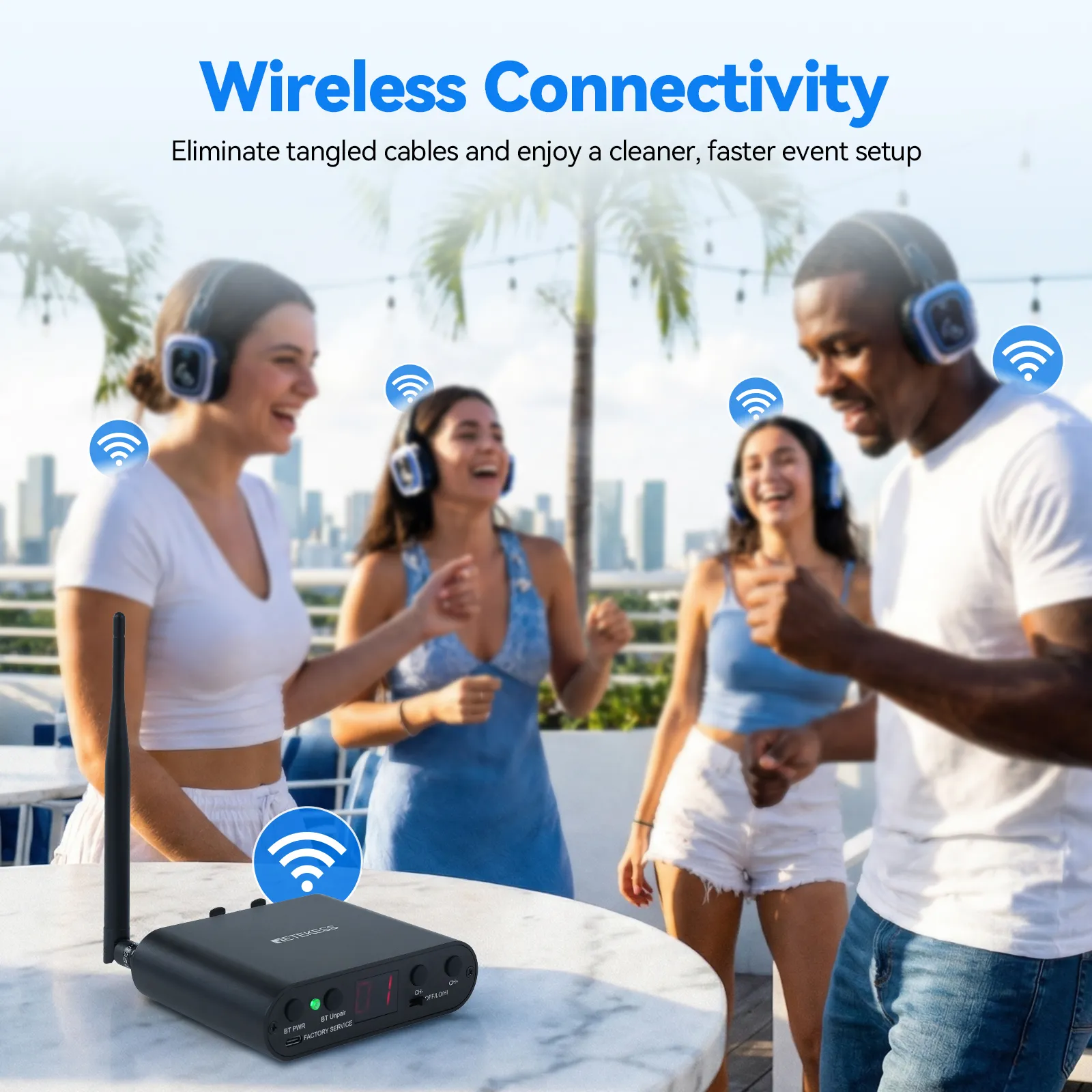
Structural Signal Penetration: Modern factory layouts feature heavy stainless steel machinery, high ceilings, and reinforced concrete walls. Communication systems require stable multi-channel wireless coverage to prevent dead zones as groups navigate between processing, tasting, and packaging rooms.
To bridge the gap between noisy production floors and engaging visitor storytelling, factory operators can tailor their audio setup to their exact tour format:
For Interactive Guided Tours: Equip guides and visitors with two-way wireless transceivers so guests can easily ask questions during tasting sessions or workshops without shouting over noise.
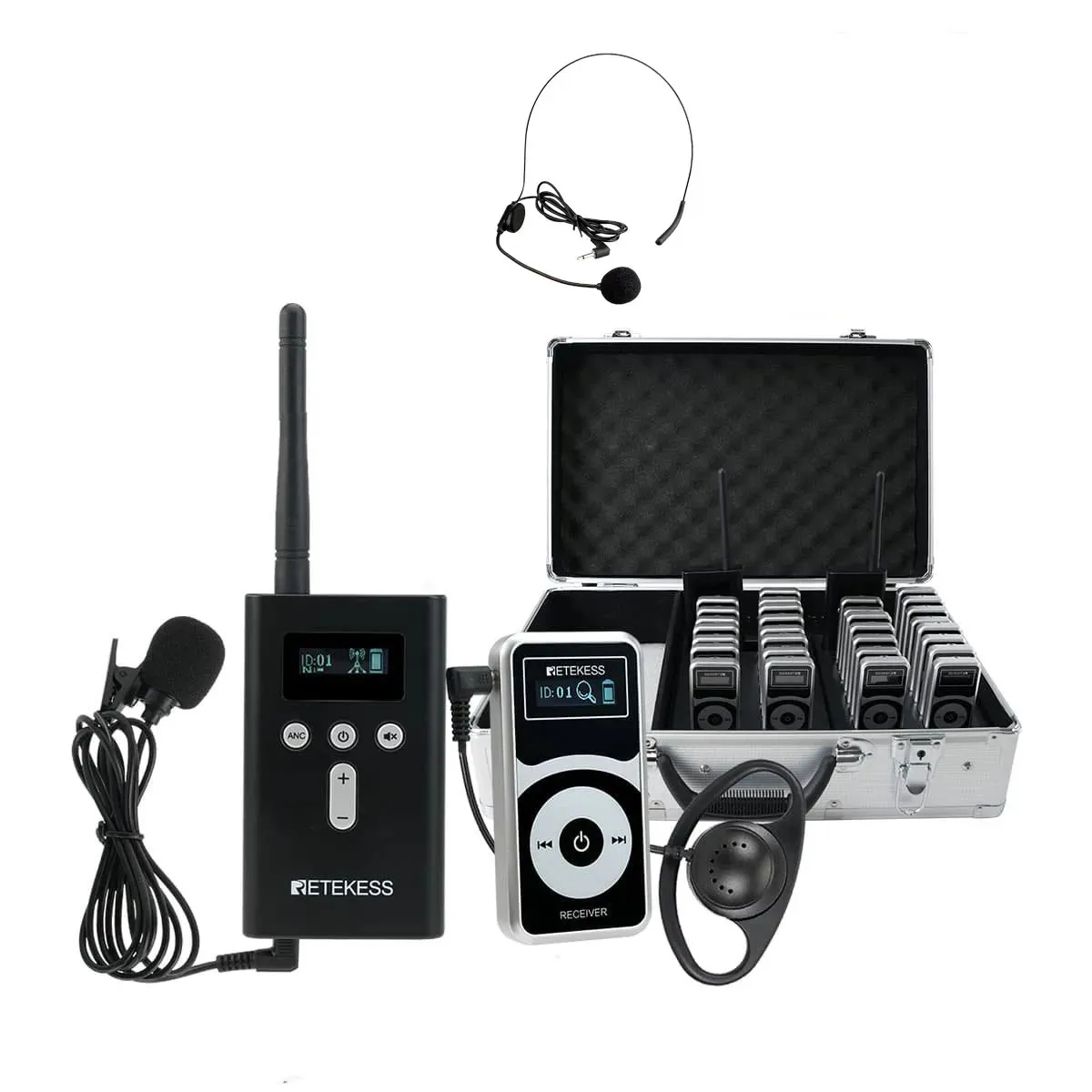
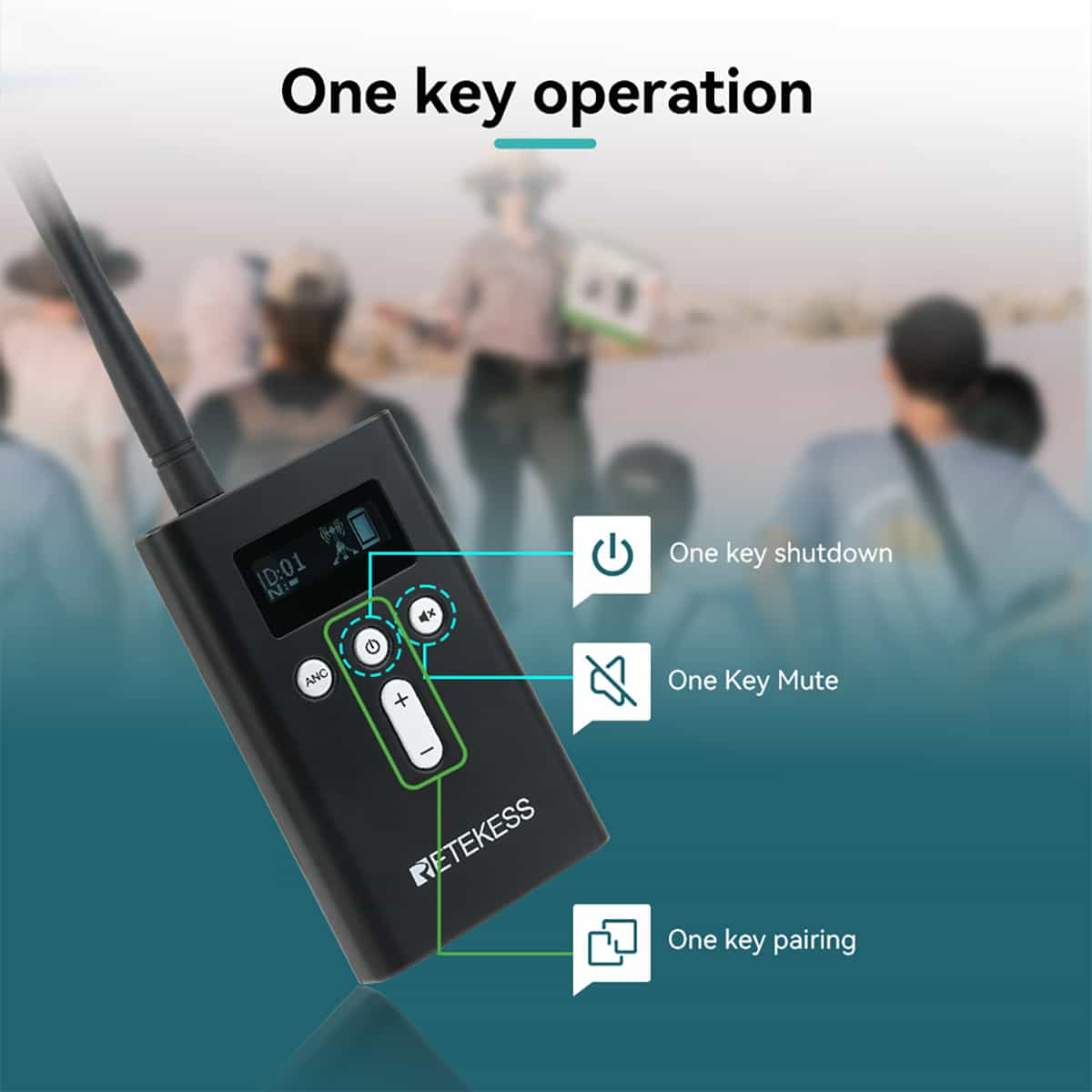
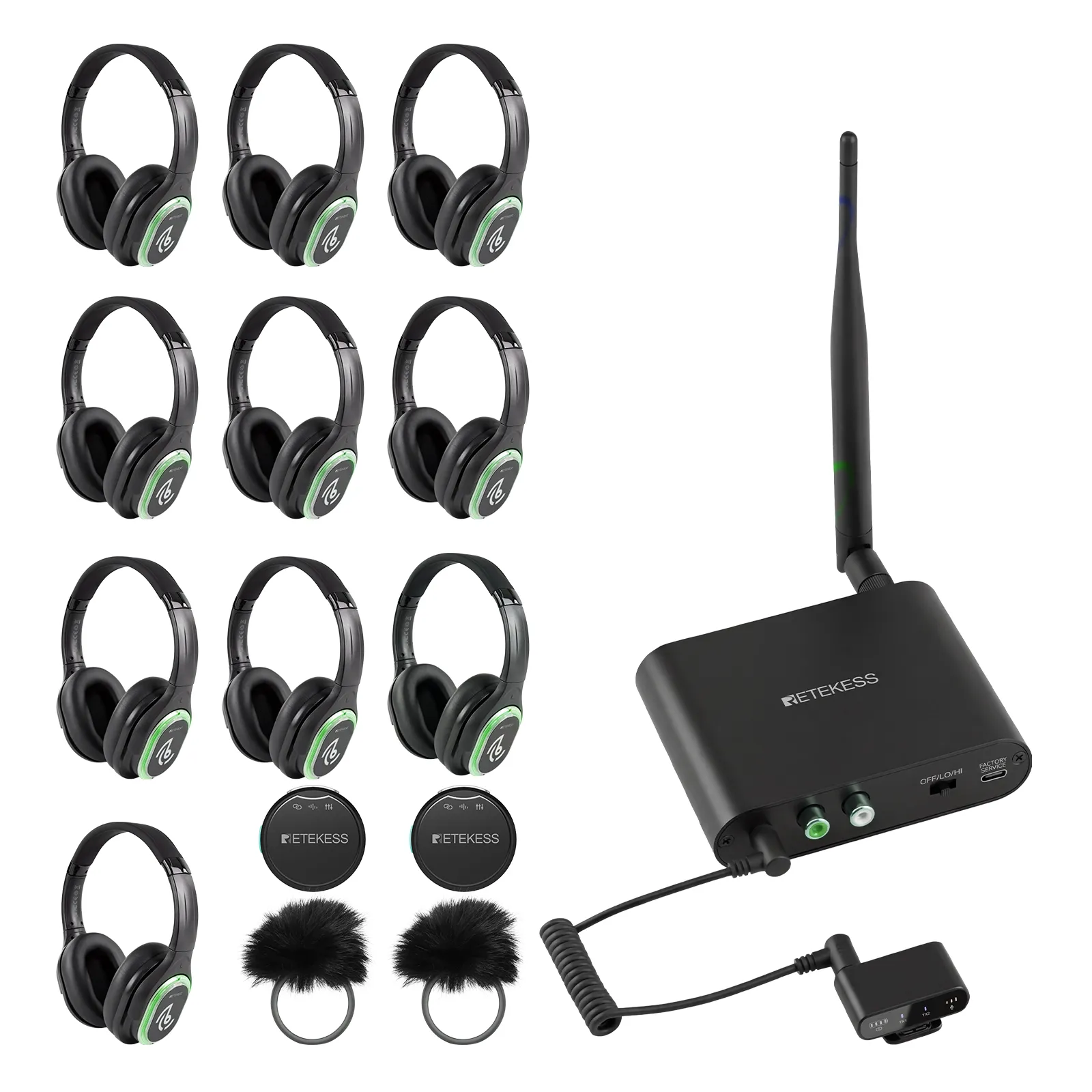
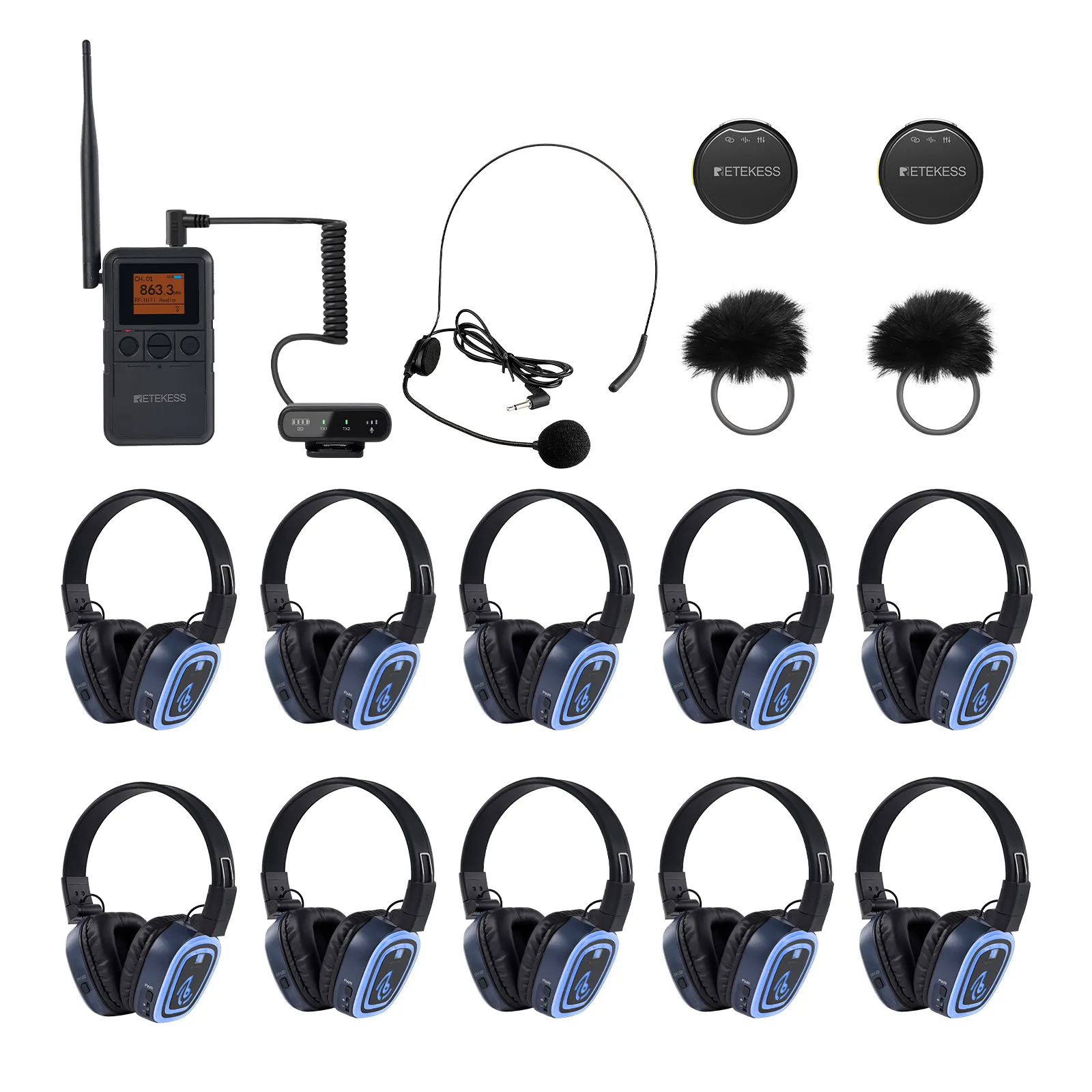
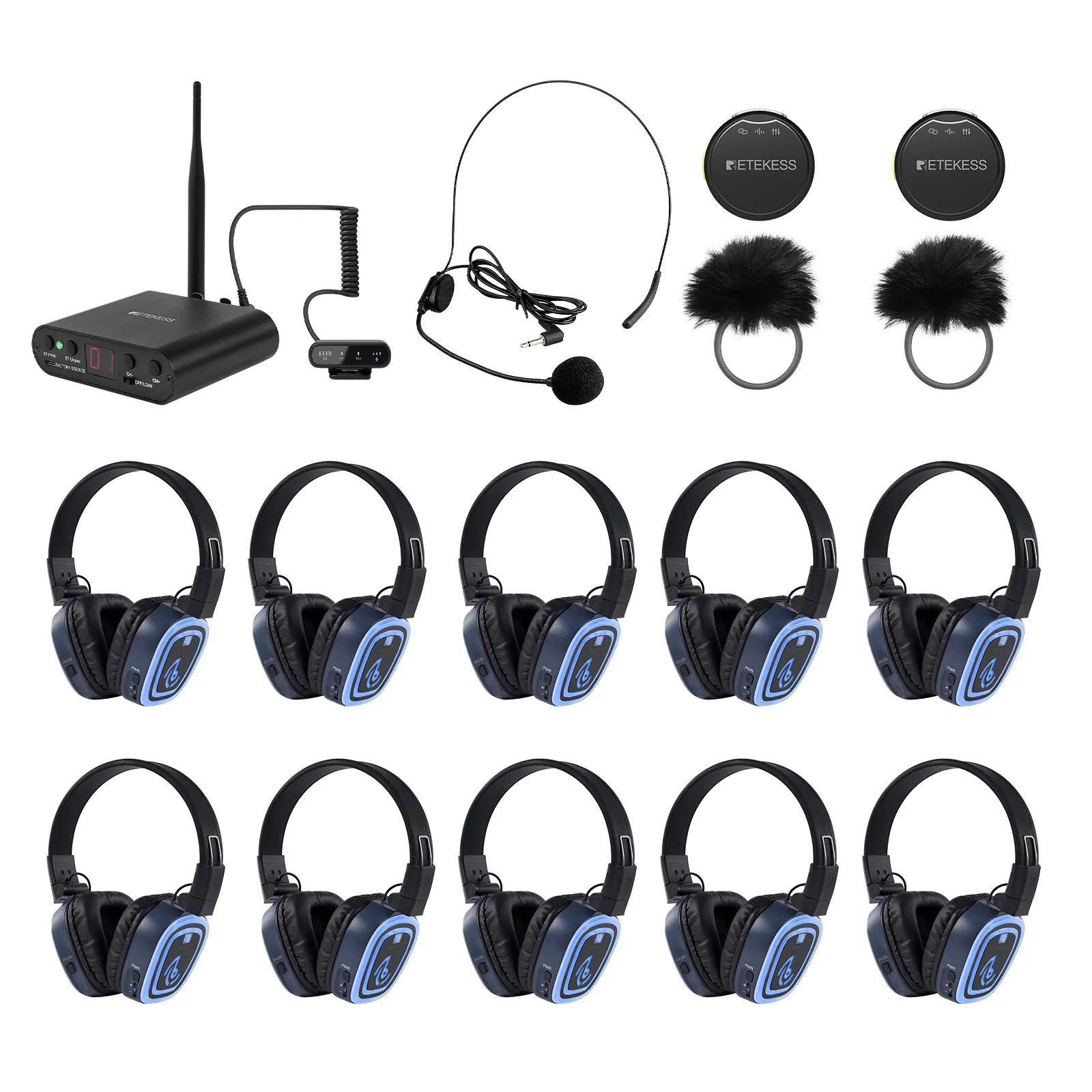
For Traditional One-Way Guided Tours: Use a classic one-way tour guide transmitter and receiver setup, allowing the guide to speak naturally into a headset while the group listens comfortably at their own walking pace.
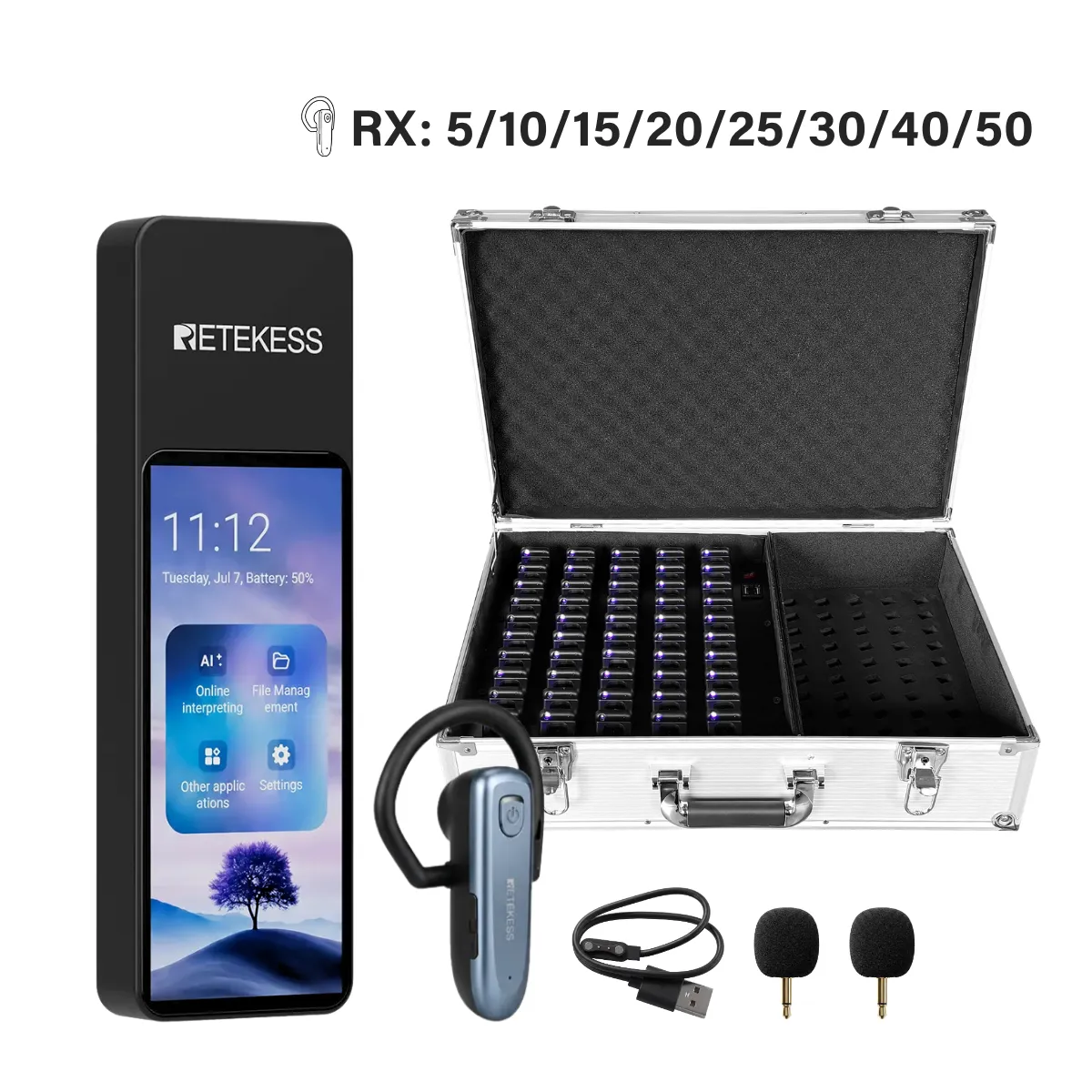
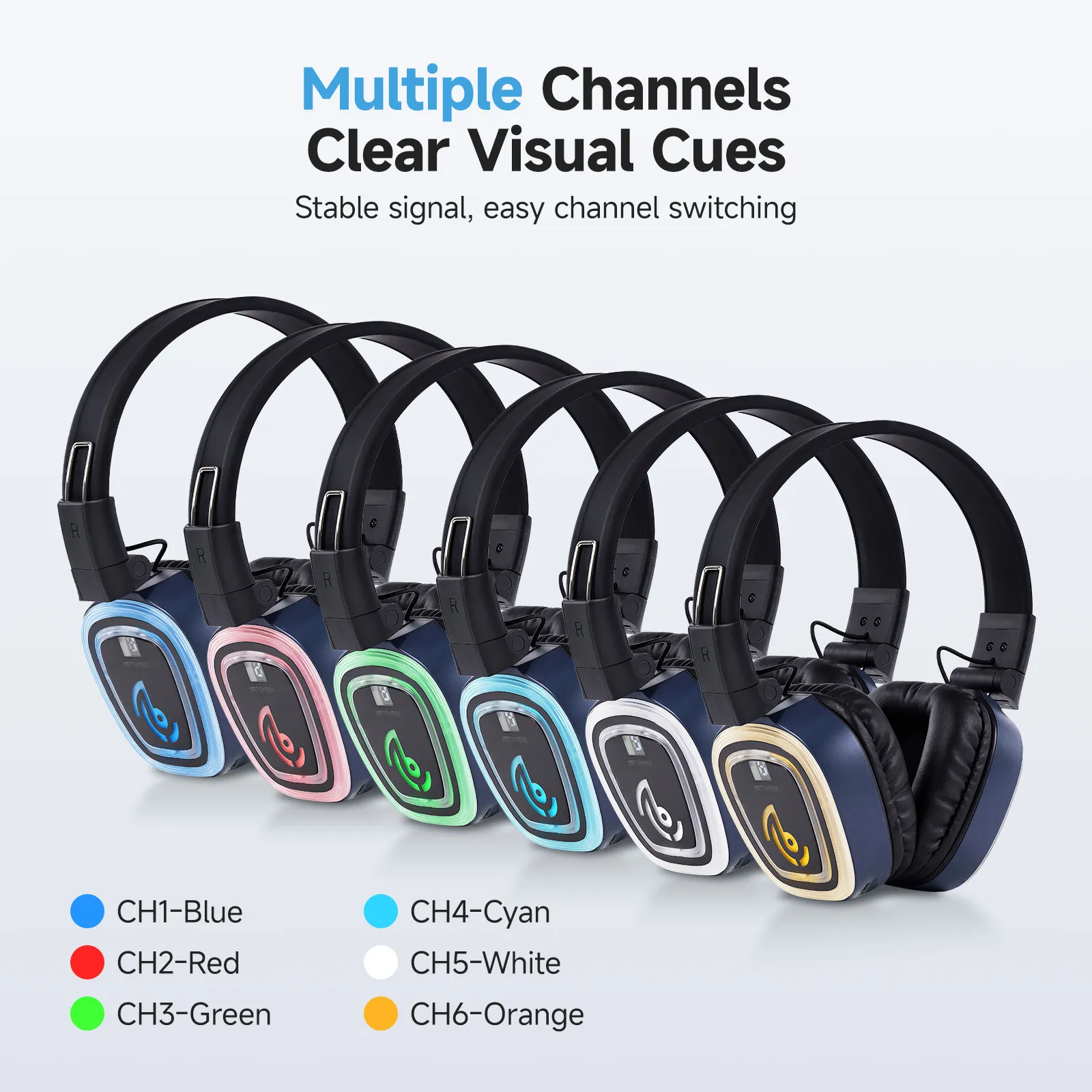
For Self-Guided Exploration: Provide multi-channel audio receivers. Visitors can simply key in the station numbers posted along observation galleries to trigger clear audio prompts in their preferred language.
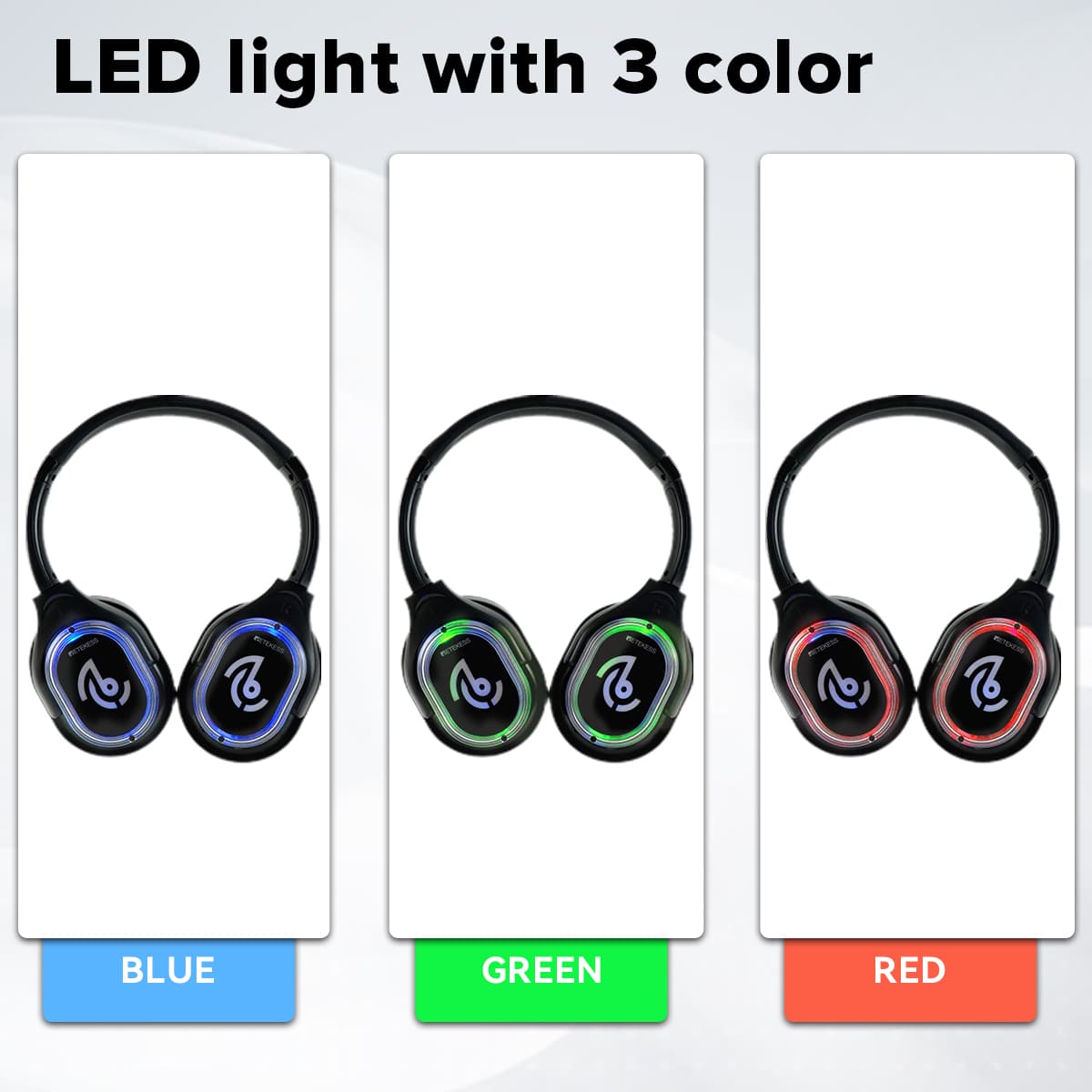
For Facility Management: Choose systems with rapid one-touch channel synchronization and wipeable outer casings, making it easy for staff to reset and sanitize dozens of devices between tour groups.
If you prefer an immersive, educational journey filled with expert storytelling, live Q&A, and structured tasting sessions, booking a guided tour provides the most complete experience.
If you prefer schedule flexibility, zero wait times, and the freedom to linger over your favorite chocolate-making steps, a self-guided tour offers the ideal balance.
For chocolate factory managers and operators, equipping both tour formats with purpose-built wireless audio infrastructure guarantees that every story, tasting note, and safety prompt reaches your guests with crystal clarity—delivering a smooth, memorable, and high-satisfaction visitor experience.



 Google
 Amazon