
Table of Contents
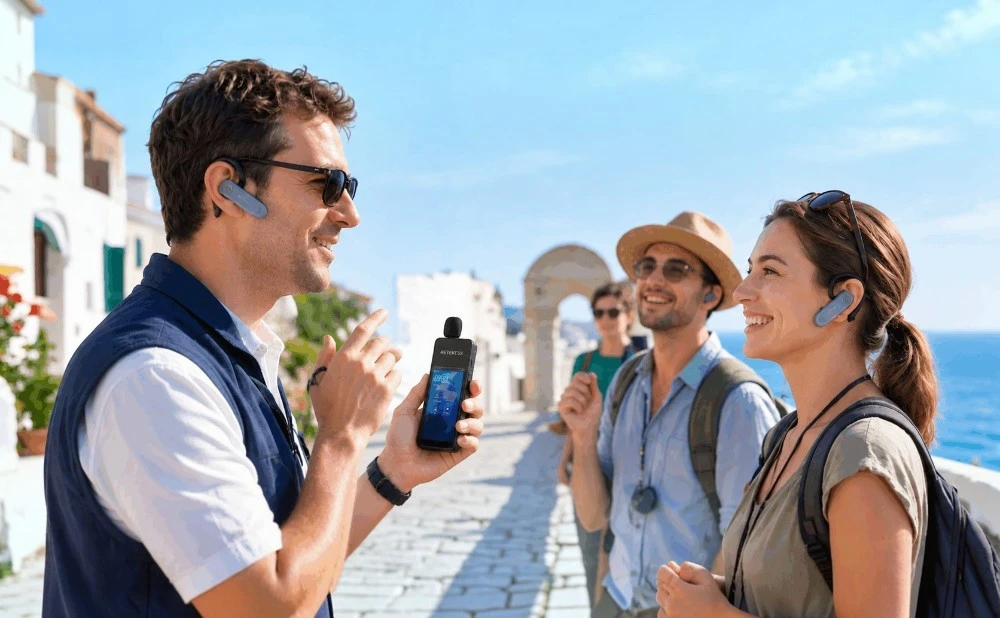
How to Run Multilingual Tour Translation in Spain & Italy Without Interpreters
- Retekess
- Oct 20, 2026
Spain and Italy remain two of the most popular inbound tourism destinations in Europe, welcoming millions of international visitors each year from every global region. For local DMCs and tour operators, this diversity brings a persistent operational challenge: bridging language gaps for groups that speak dozens of different languages. Traditional solutions rely on hiring professional interpreters for each language, but this approach drives up costs, creates scheduling friction, and often fails to deliver consistent quality at busy, noisy sites. This article breaks down a practical alternative that lets you run smooth, accurate multilingual tour translation without hiring dedicated on-site interpreters, while improving both operational efficiency and guest experience.
Why Traditional Interpreter Models Fall Short for Inbound Tour Operations
The most obvious barrier to traditional interpretation is cost. Professional tour interpreters charge premium day rates, especially for less common languages like Korean, Arabic, or Brazilian Portuguese. For small groups or last-minute bookings, these costs can eat into entire profit margins, making multilingual offerings unfeasible for many operators.
Beyond cost, interpreters create operational inflexibility. You cannot quickly add a new language if a booking changes last minute. Mixed-language groups require multiple interpreters, which complicates tour flow and splits group cohesion. For walking tours across wide sites like Seville’s historic center or the Amalfi Coast, interpreters also struggle to keep pace and keep all listeners within earshot.
On-site environmental issues add another layer of difficulty. Crowded landmarks like the Colosseum or Sagrada Família have high levels of background noise that disrupt live interpretation. Many historic sites also have spotty or no internet access, which renders many app-based translation tools useless.
Finally, shared in-ear headsets raise hygiene concerns for repeated use across tour groups. Many guests feel uncomfortable using earpieces that dozens of other people have worn, and cleaning each unit between tours takes valuable staff time.
How a Wireless Real-Time System Delivers Consistent Multilingual Tour Translation
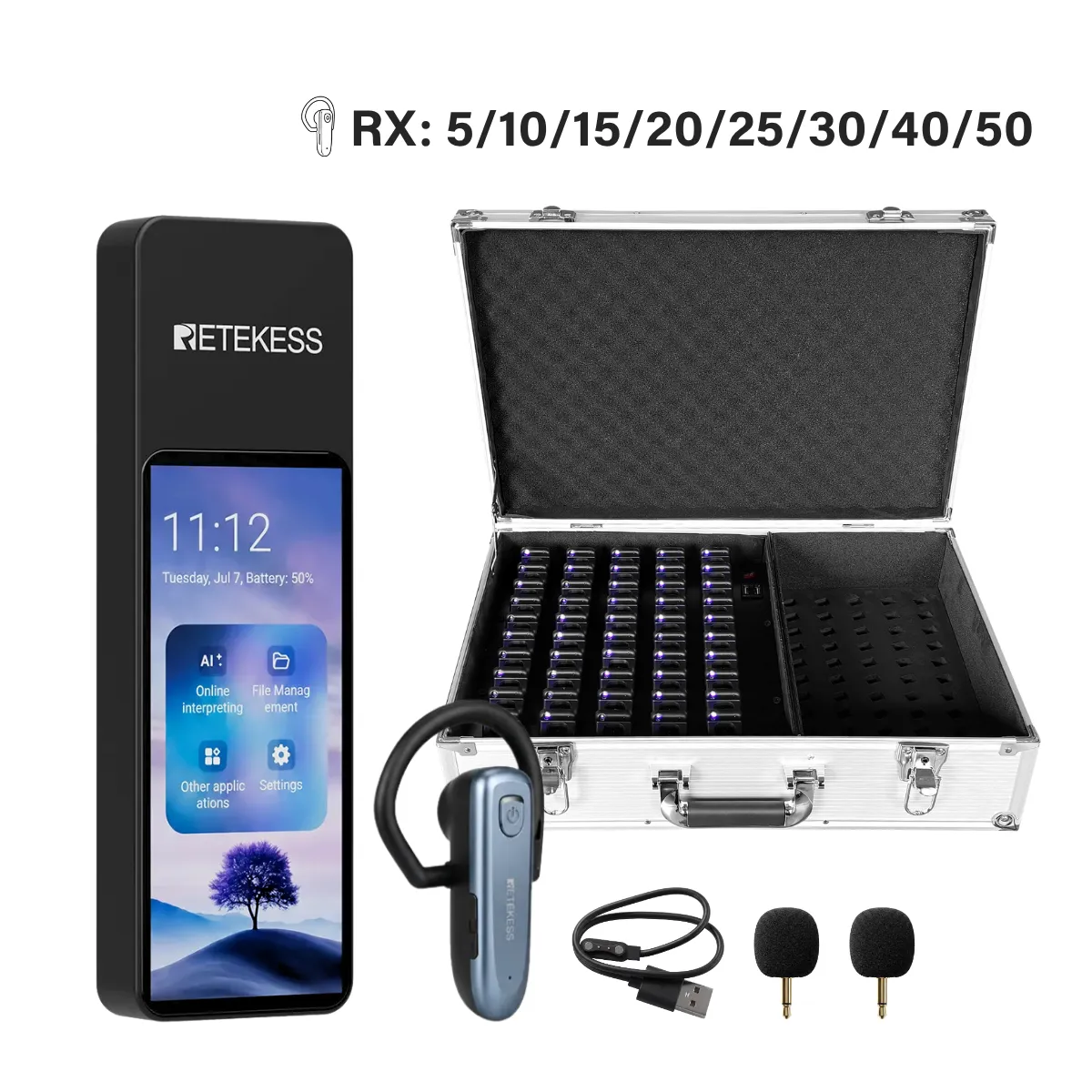
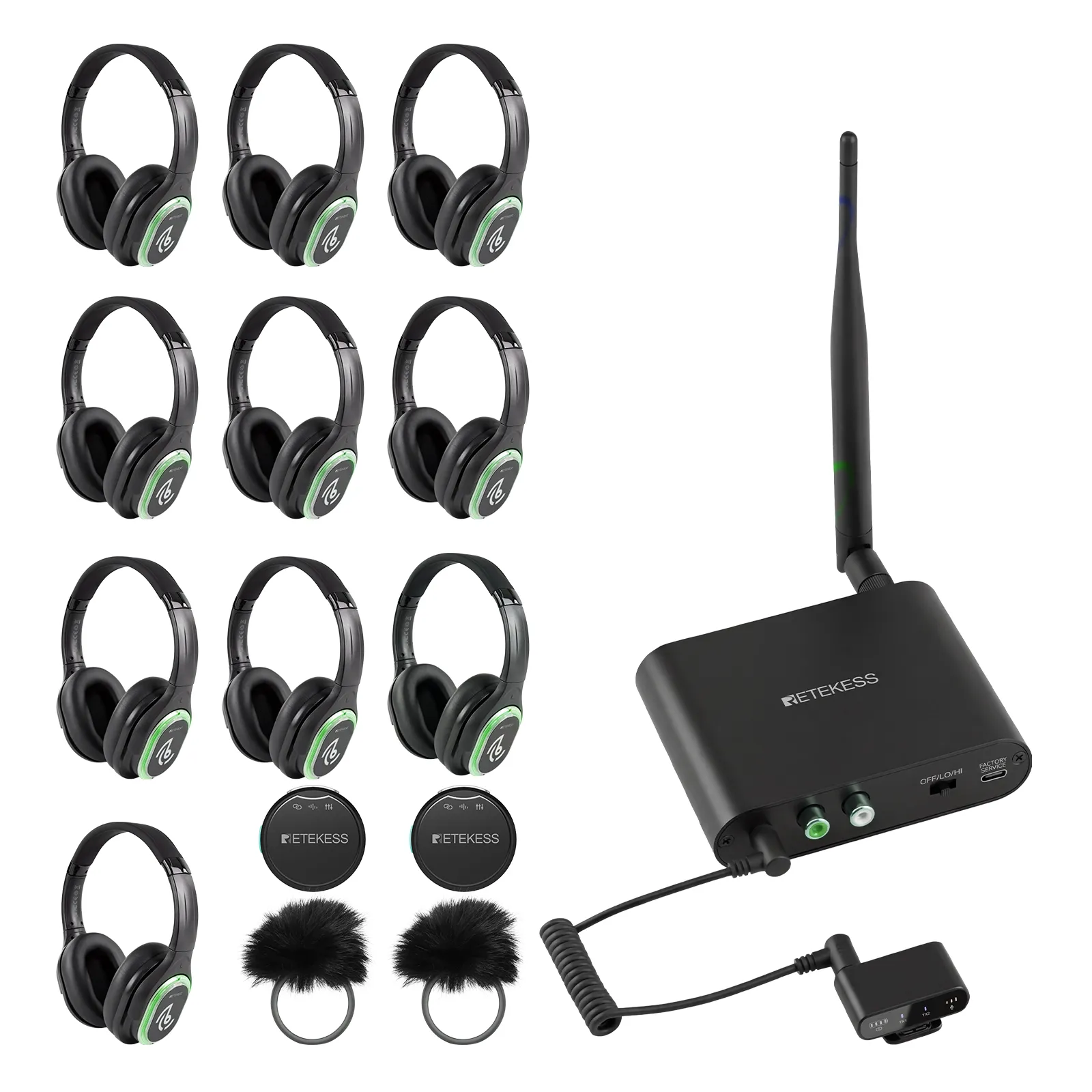
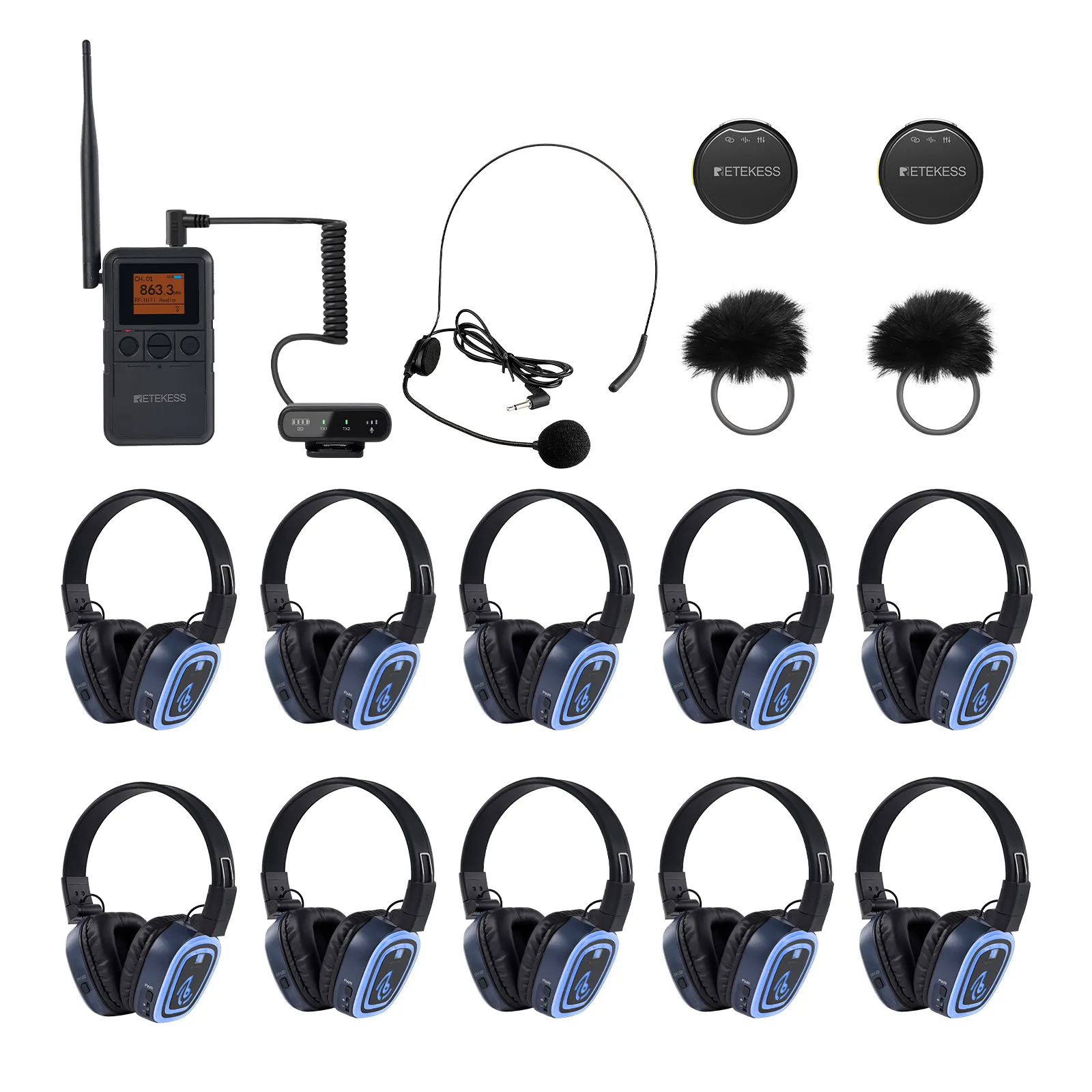
The Retekess TT136 Wireless Real-Time Interpretation Tour Guide System is built specifically to solve these pain points for group tour operations. It combines AI-powered translation, long-range wireless audio, and tour-friendly design to deliver clear, reliable service across every type of site and itinerary.
The system delivers four key advantages over traditional interpreter hire:
- Lower operational costs with no per-language interpreter fees
- Flexible support for 120+ languages to match any inbound group
- Reliable audio across indoor, outdoor, and offline tour sites
- Hygienic, comfortable equipment for repeated guest use
Below is a closer look at how it addresses the core challenges of inbound tours in Spain and Italy.
Dual-Channel Simultaneous Translation for Mixed-Language Groups
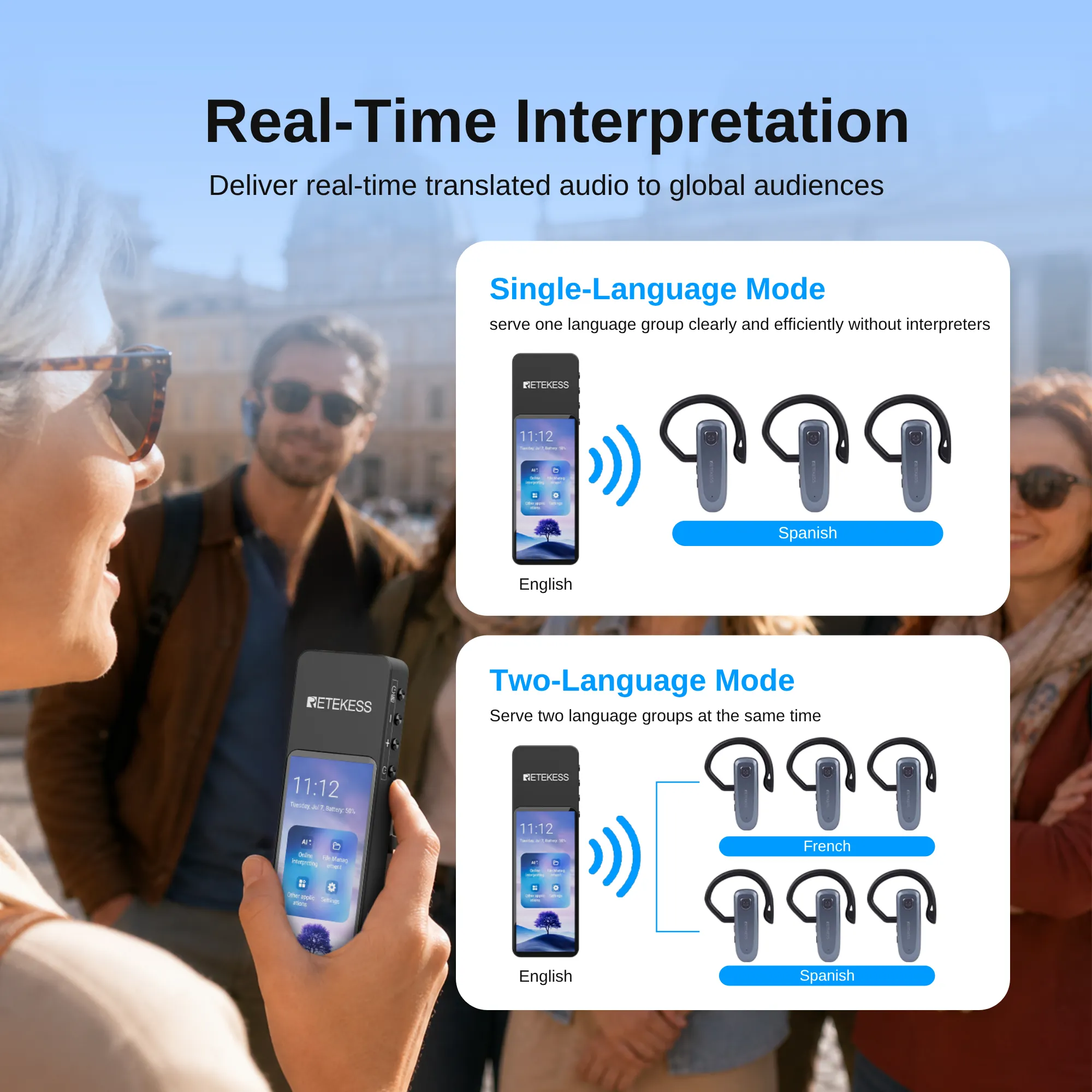
The TT136 supports simultaneous single or dual broadcast translation, so one guide’s speech can be translated into one or two target languages in real time. You do not need extra guides or interpreters to run tours for two language groups at once.
During the same session, the system can recognize speech from participants using up to 10 spoken languages and translate the content into two target language channels. Listeners simply select the receiver channel assigned to their language group.
When connected to Wi-Fi or a mobile hotspot, the system supports accurate online translation for 120+ languages. This covers nearly every inbound market to Spain and Italy, from Japanese and Russian to Hindi and Swedish. You can adapt to almost any group composition without advance booking of specialized interpreters.
This makes multilingual tour translation feel seamless for both guides and guests. It works perfectly for mixed inbound groups, such as a combined tour of the Uffizi Gallery with both English and Chinese speaking guests. It also fits group Q&A sessions, bilingual presentations, and interactive experiences like wine tastings in Tuscany or Rioja.
Stable Performance Across Every Type of Tour Site
Tour sites vary widely, from compact museum galleries to sprawling outdoor archaeological parks. The TT136 is designed to work reliably in all these environments.
It uses 2.4G wireless transmission with a range of up to 200 meters. This means groups can spread out at large sites like Pompeii or Park Güell without losing audio signal. Guides do not have to herd guests close together to keep everyone within listening range.
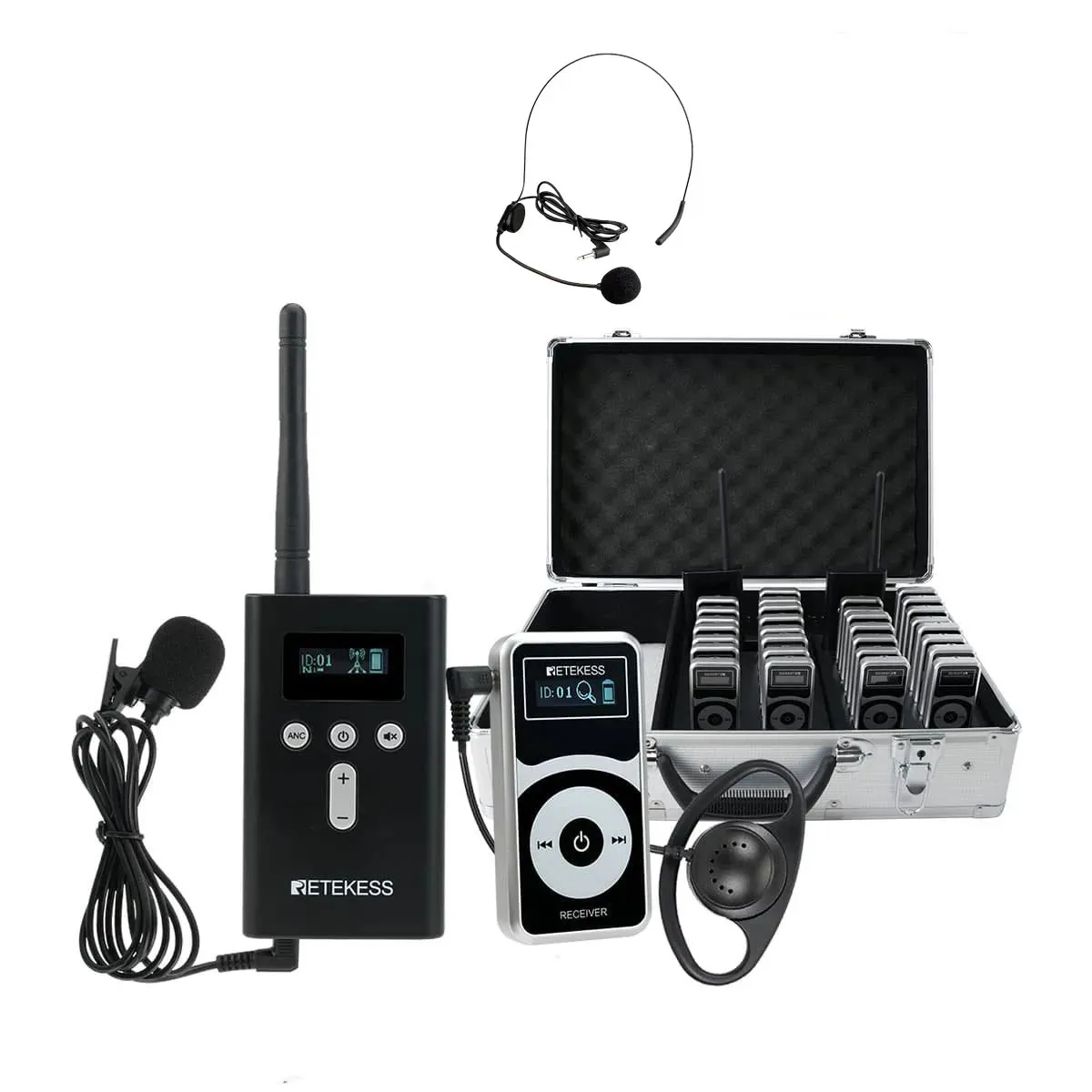
For sites with limited or no internet access, the system works as a professional one-way guide system. The speaker’s voice sends directly to all receivers in real time, delivering clear sound without any internet connection. This is perfect for remote rural tours, historic city centers with poor connectivity, or areas with restricted Wi-Fi access.
Battery life also supports full-day itineraries. The transmitter runs for up to 20 hours in standard guide mode, and 5 to 6 hours in combined translation and transmitter mode. Receivers last up to 13 hours on a single charge, so they work from early morning pickups to evening dinner tours without recharging.
You can count on uninterrupted multilingual tour translation even at the busiest peak season sites, with no dropouts or delays that disrupt the guest experience.
Streamlined Operations With Smart On-Site Management Tools
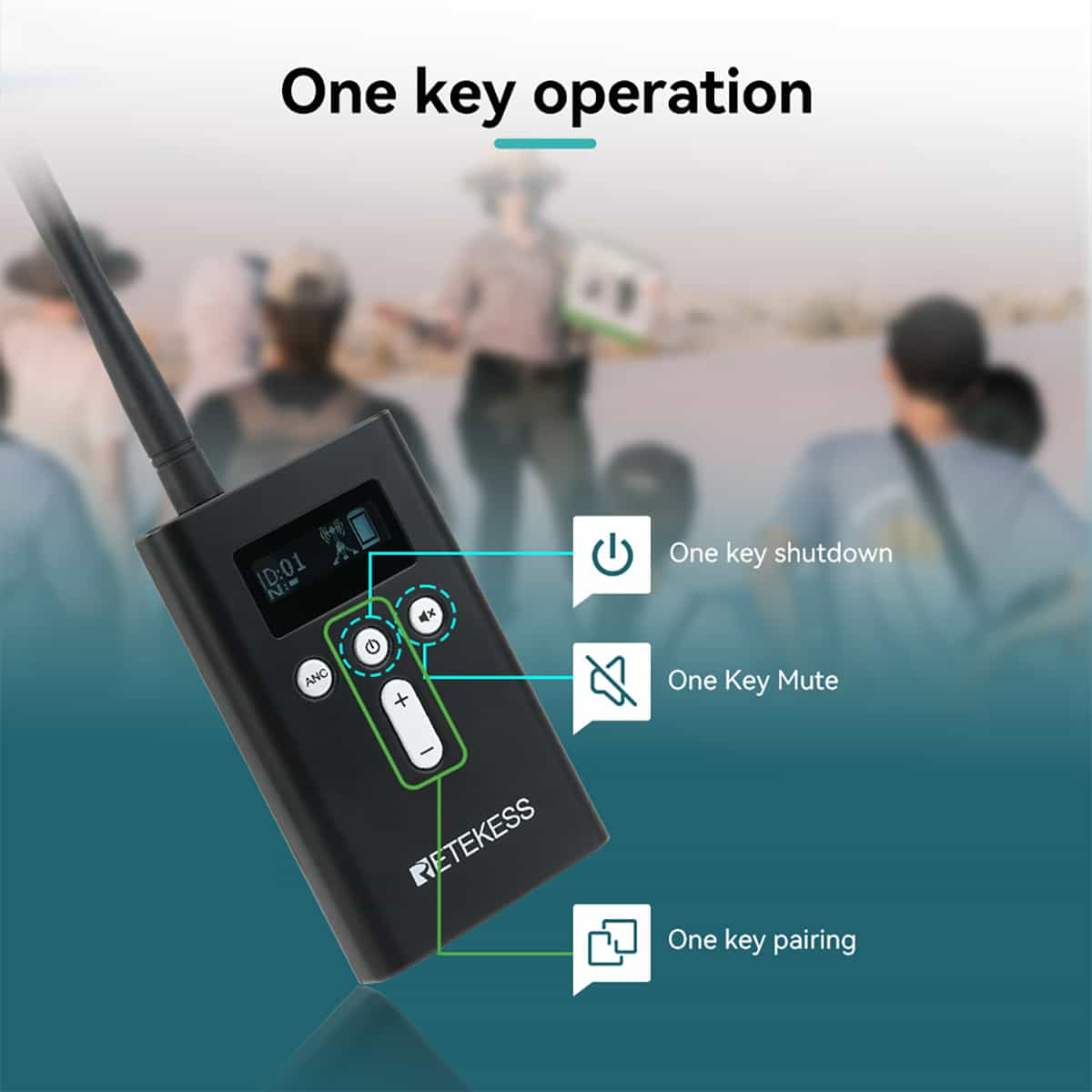
The TT136 features a 3.99-inch smart touchscreen powered by an Android-based system. Guides can control all functions directly from the transmitter with simple taps, no complicated technical training required.
The system also supports recording, playback, local storage, and AI summary of tour content. Stored recordings can be replayed locally for repeated training of new guides, or used to create self-guided audio content for independent visitors. This lets operators extend the value of their tour scripts beyond live groups.
These tools simplify the logistics of running multilingual tour translation day after day. They also eliminate the need for separate recording devices or translation apps, simplifying the equipment load for each tour guide.
Hygienic, Comfortable Design for All-Day Guest Use
Guest comfort and hygiene directly impact tour satisfaction scores, especially for shared equipment. The TT136 uses lightweight, open-ear receivers designed for multi-user environments.
The non-in-ear style makes less contact with the ear canal, which is more hygienic for repeated use across different tour groups. The 180-degree rotating ear hook fits either the left or right ear, so guests can adjust for personal comfort.
Open-ear design also lets guests hear ambient sound around them, which improves safety on walking tours and at busy sites. Guests do not feel isolated from their surroundings, and they can still talk to group members between commentary segments.
Build Competitive Differentiation With Better Multilingual Tour Translation
For DMCs competing for global inbound business, the ability to serve multilingual groups flexibly and affordably is a key differentiator. With a wireless translation system, you can accept bookings for almost any language group on short notice, without the lead time required to book interpreters.
You can also create new tour products that were not feasible before. For example, you can run small-group dual-language tours at premium price points, or add multilingual support to niche experiences like cooking classes or architectural walking tours.
Lower interpretation costs also let you price your packages more competitively while maintaining margins. You can pass some savings to clients to win more contracts, or reinvest them into improving other parts of the guest experience.
Reliable multilingual tour translation becomes a selling point that wins you more international clients and sets your business apart from competitors who still rely on traditional interpreter hire.
Conclusion
Delivering high-quality multilingual tour translation does not require hiring a team of expensive on-site interpreters. A purpose-built wireless interpretation system like the Retekess TT136 addresses the core pain points of inbound tour operators in Spain and Italy: high costs, operational inflexibility, on-site environmental challenges, and guest comfort concerns.
With support for 120+ languages, dual-channel broadcast, 200-meter wireless range, and all-day battery life, the system works seamlessly across city tours, museums, archaeological sites, and rural excursions. It also helps operators build more flexible, differentiated tour offerings that stand out in a crowded inbound market.
If you want to see how the TT136 can work for your specific tour itineraries in Spain or Italy, request a free product demo or connect with our team to discuss your multilingual tour translation needs. We can help you test the system with your typical group sizes and site conditions to find the right setup for your operation.








Follow Us
Pay With


 Google
 Amazon

Comments (0)