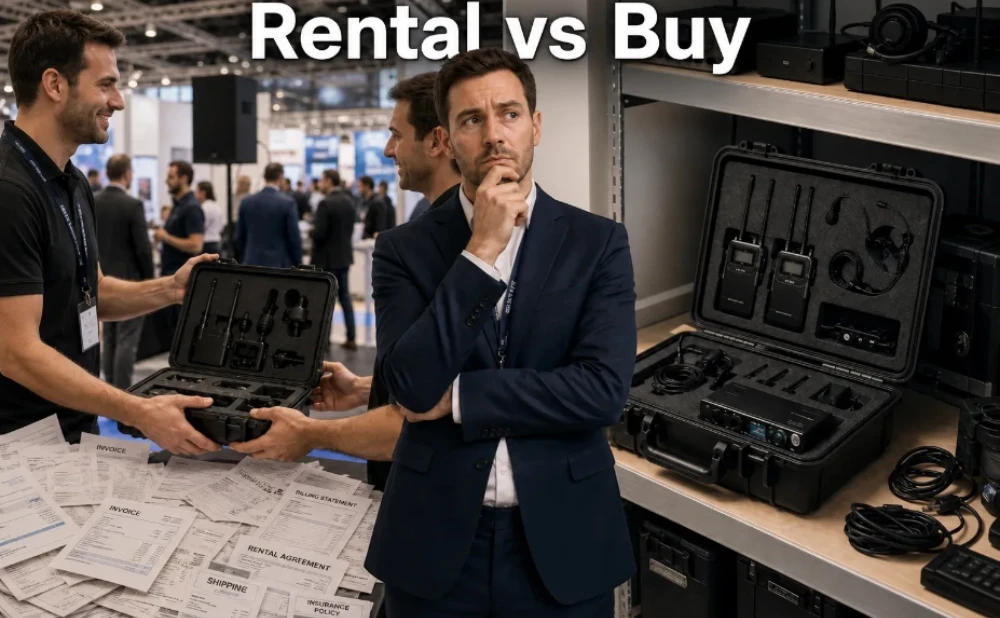
If you have rented wireless audio equipment for more than two trade shows this year, you have probably done the rough math. Three events. Four. The rental invoices start to look familiar. The same case goes back and forth. The same chargers. The same receiver units. At some point, the question stops being "how much does this cost to rent?" It becomes "why am I not buying this?"
The rental vs buy decision is rarely about sticker price alone. It depends on how often you run events. It depends on how predictable your setup is. It also depends on whether your team can store, charge and maintain a set of equipment between shows. This guide walks through the real costs on both sides and gives you a clear threshold to decide.
The quoted daily rental rate is easy to compare. It is also the smallest line on the invoice.
Most rental agreements add costs on top of the base rate. Shipping goes both ways. A damage deposit sits on a credit card. Insurance covers loss or breakage. Rush fees apply to last-minute orders. If a receiver fails on site, a replacement unit ships overnight at your expense. When a receiver goes dead mid-event, the rental company ships a spare overnight — but that overnight shipping cost lands on the organizer.
There is also the setup time. Every rental cycle means opening cases, testing channels, confirming each receiver holds a charge, distributing units to guides, and collecting them at the end. If your team runs four shows a year, that setup effort repeats four times with zero learning curve between units.
For teams that run one or two events annually, this overhead is acceptable. The rental company handles storage, battery replacement and firmware updates. You pay for what you use and nothing more.
A wireless tour guide system that you own looks like a single line item on a purchase order. It is not.
The upfront purchase covers the transmitters and receivers. The ongoing costs add up. You need dry, secure storage. You need a charging schedule between events. Batteries wear out after a couple of years and need replacing. You keep spare units for on-site failures. Occasionally a receiver gets dropped or a connector wears out, which means repair.
There is also the question of whether your team has the time to manage it. Someone has to inventory the set after each event. Someone has to update channels when a new requirement comes up. Someone has to test every unit before it goes out.
That said, once you own the equipment, the per-event cost drops to near zero after the purchase price is covered. No shipping. No deposit. No rental markup. The set sits in a closet, charged and ready, until the next show.
There is no universal number of shows where buying always wins. But the math follows a simple formula.
Add up everything you pay per event when you rent: base rate, shipping, insurance, rush fees, and any on-site replacement costs. Multiply that by the number of events you run per year. Compare that annual rental total to the total purchase price of the portable translation equipment you would otherwise rent.
If your annual rental spend is less than 40 to 50 percent of the purchase price, renting still makes sense. You are using the equipment occasionally, and the convenience of not managing it is worth the premium.
If your annual rental spend crosses 70 to 80 percent of the purchase price, you are close to the tipping point. One more event and you have paid for the system outright.
If you are spending more than the purchase price every year, the rental model is actively costing you money.
This formula works for equipment for simultaneous translation, wireless tour guide systems, and any reusable audio kit that comes back event after event.
The break-even formula is the baseline. These six factors push the decision one way or the other.
Buying is not the right answer for every team. Renting still makes sense if:
Owning your own set makes more sense if:
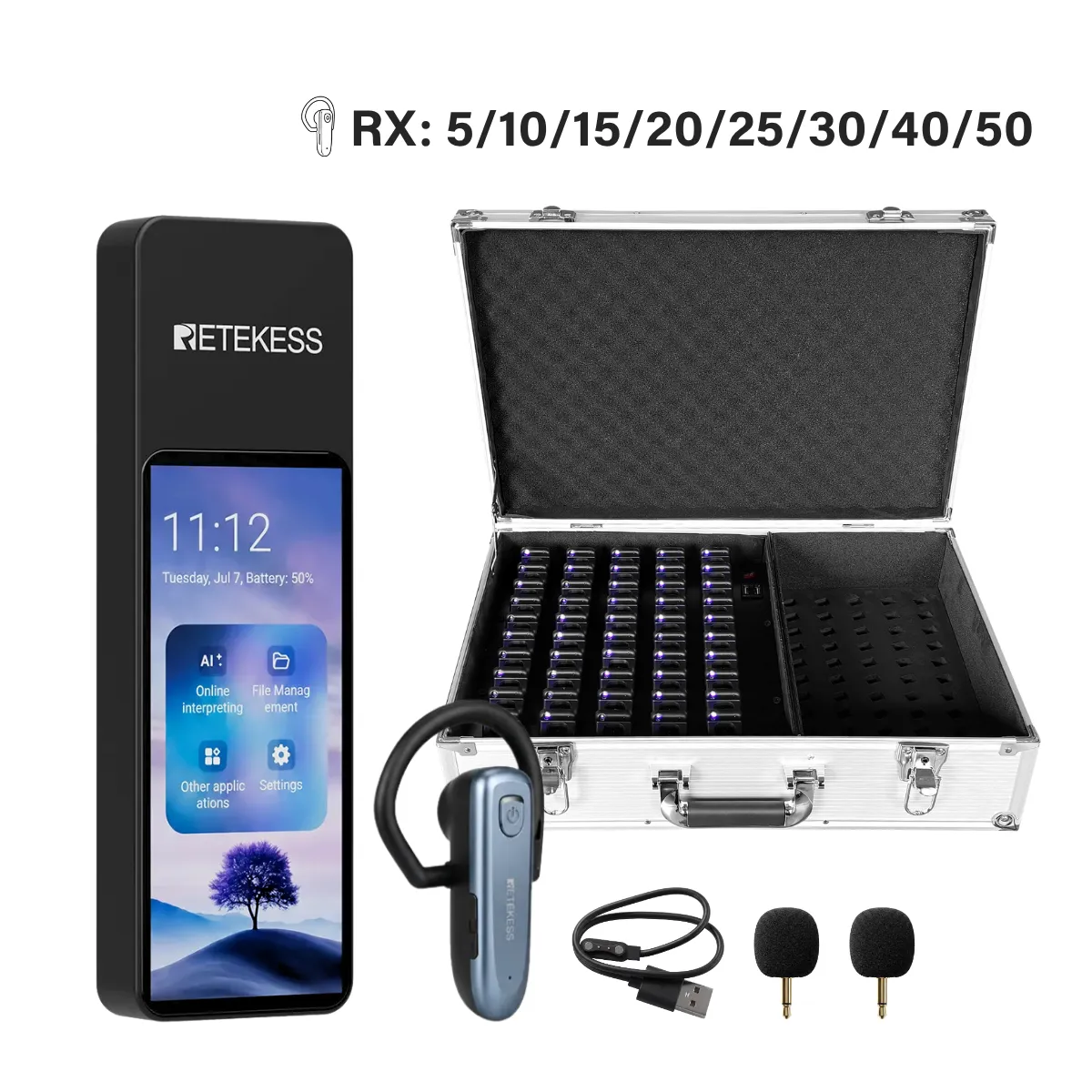
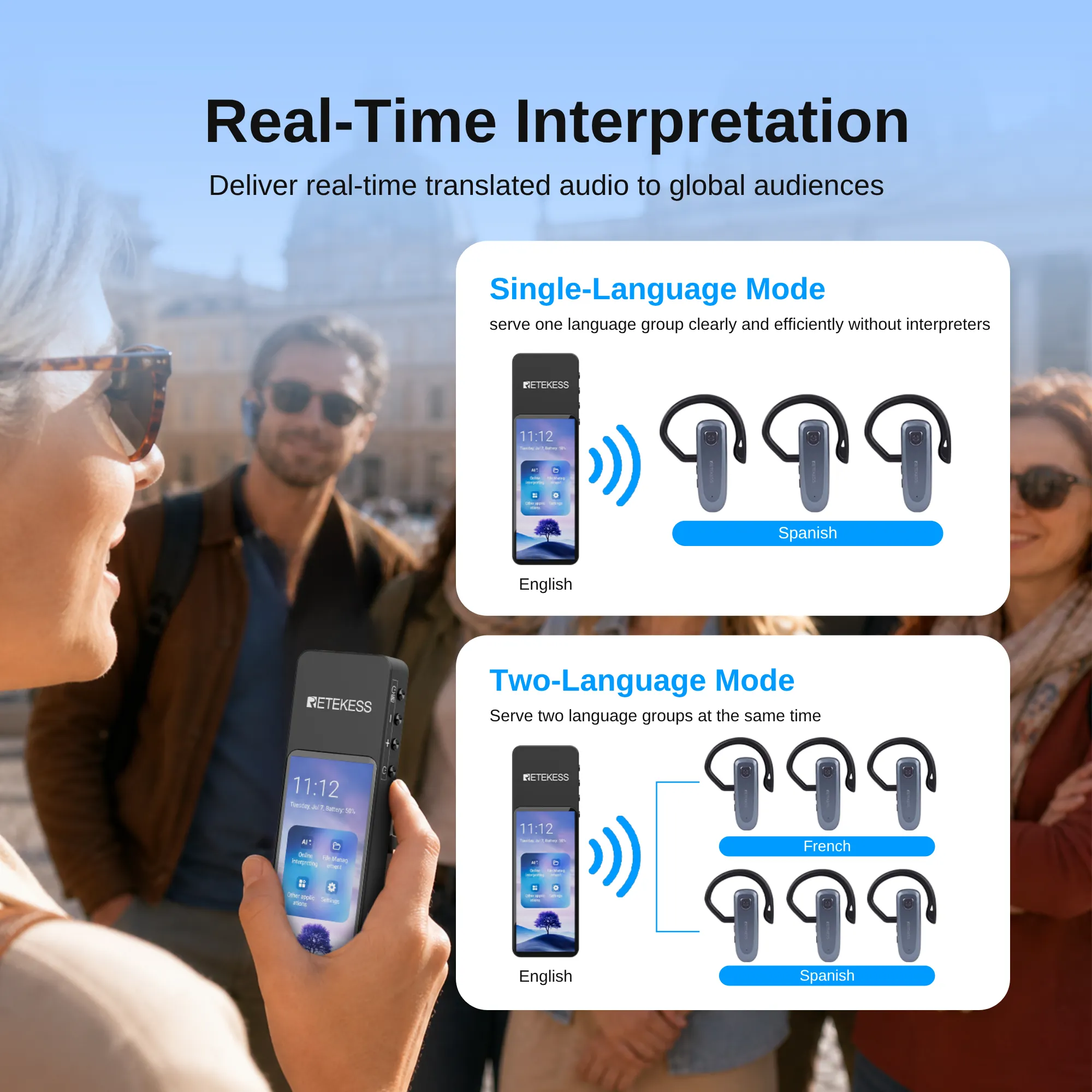
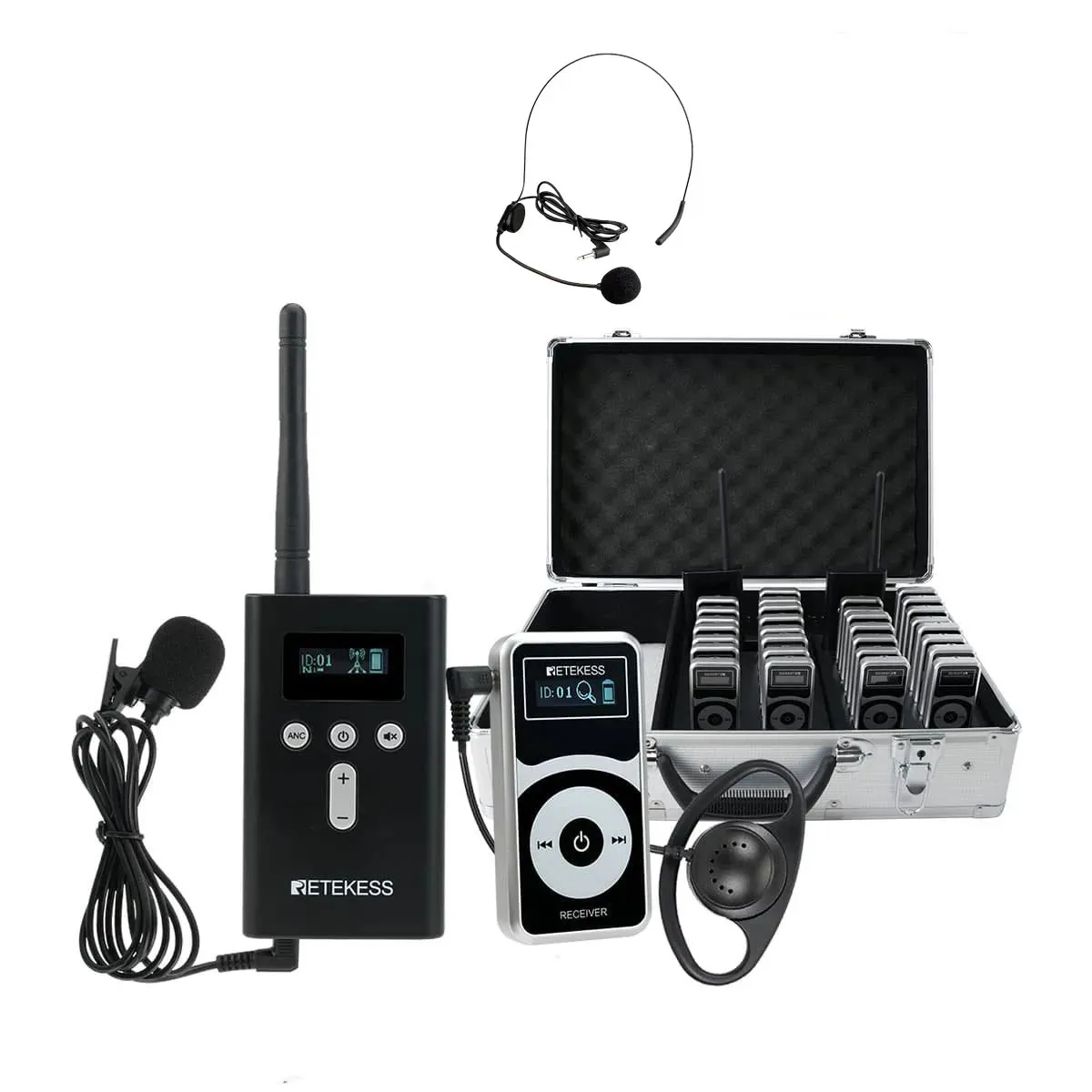
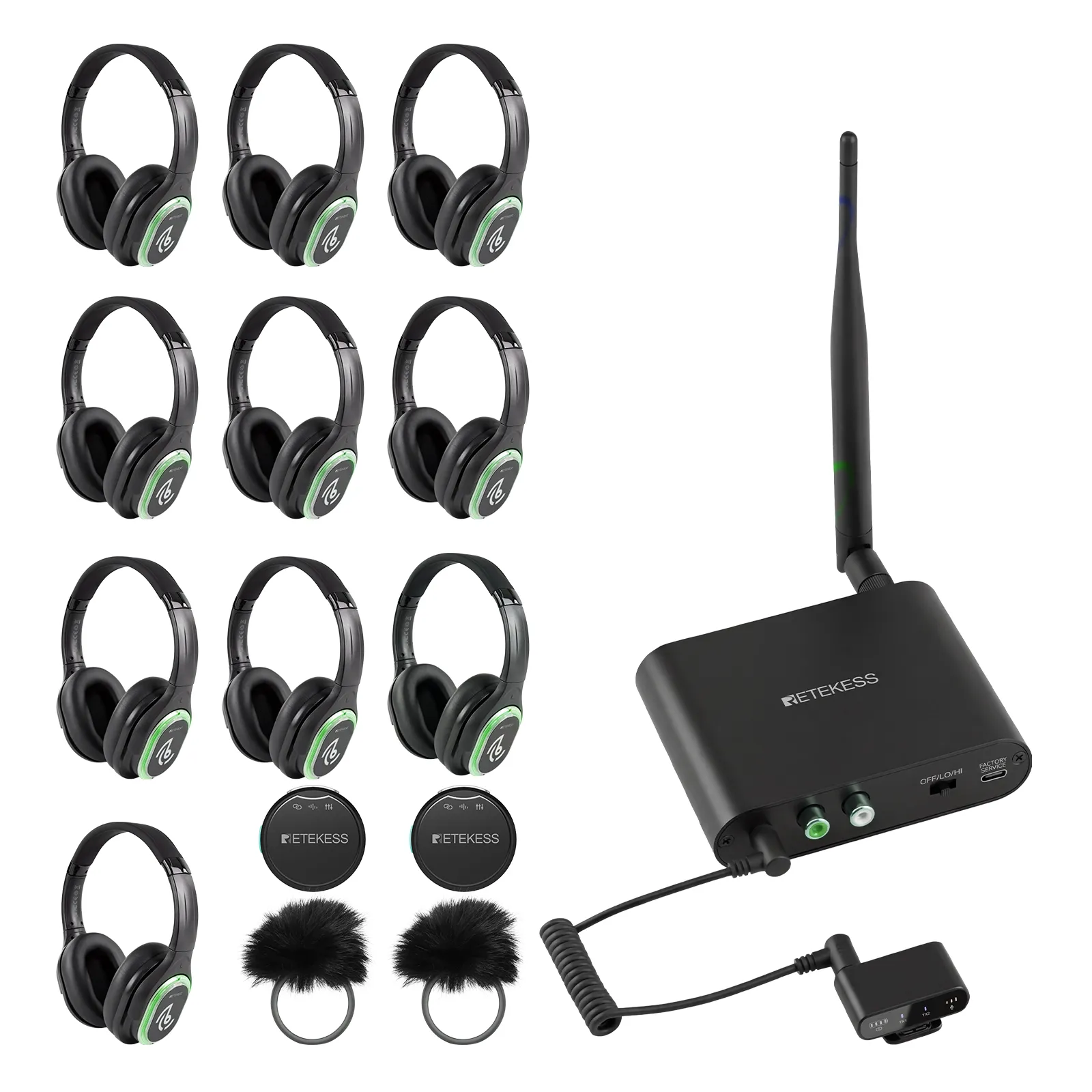
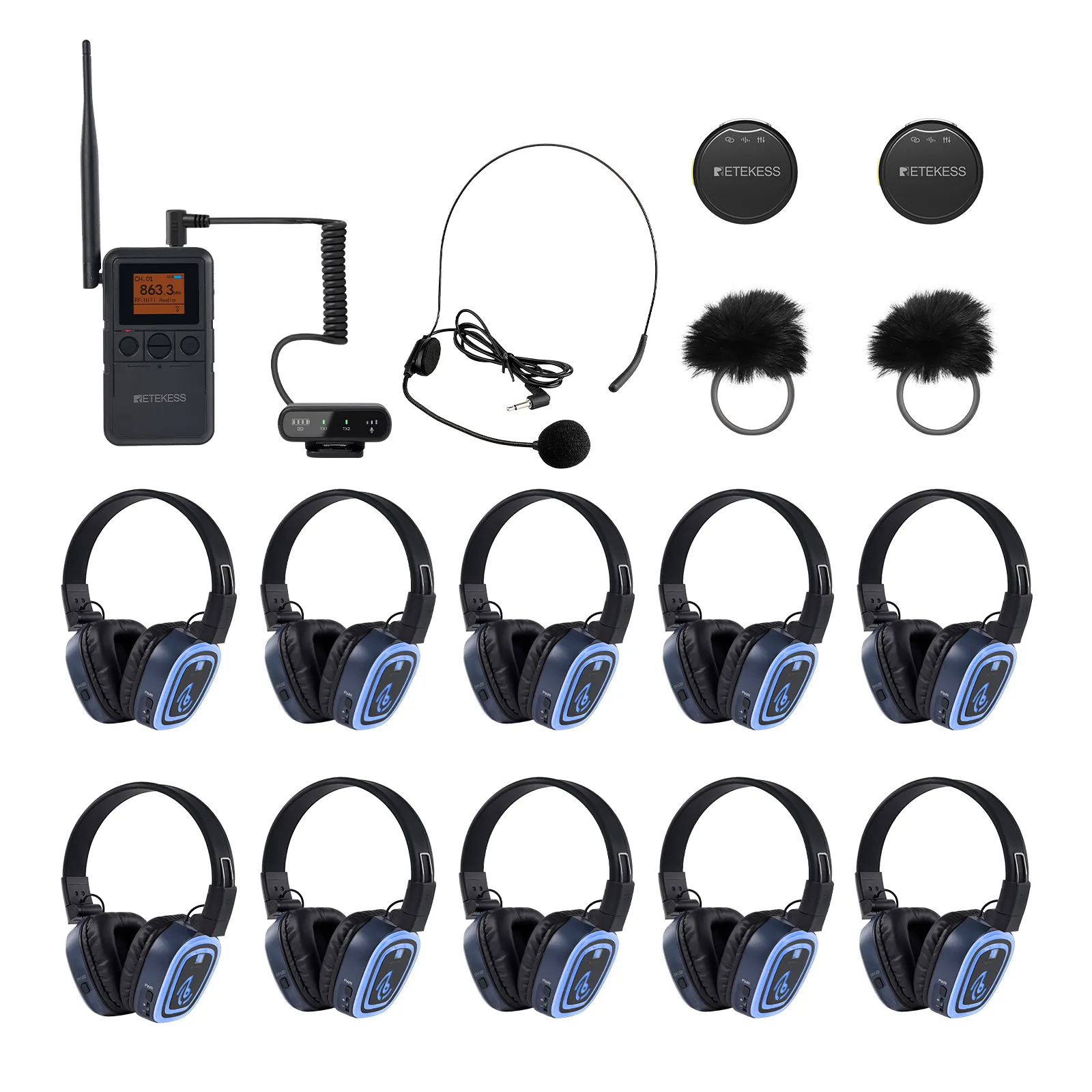
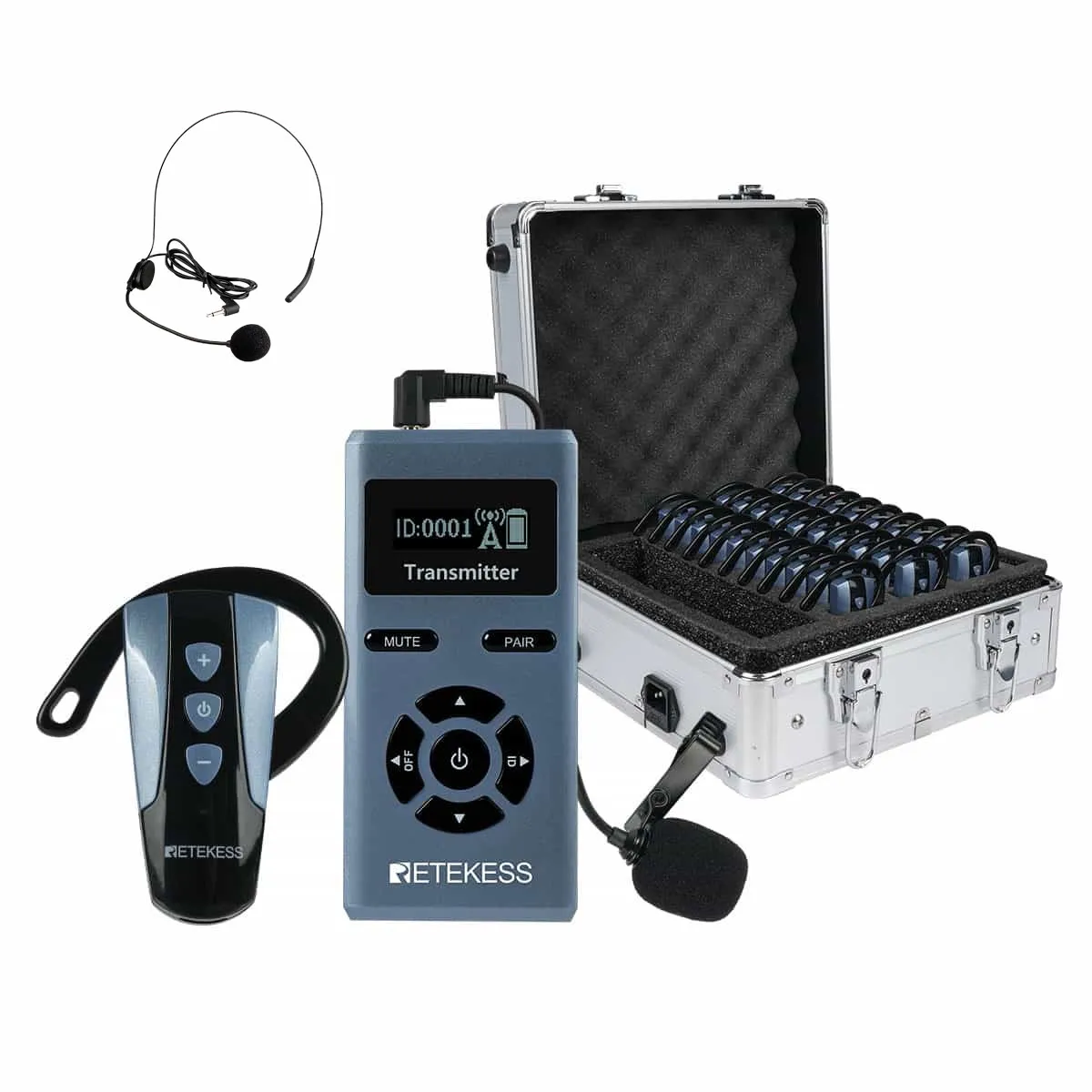
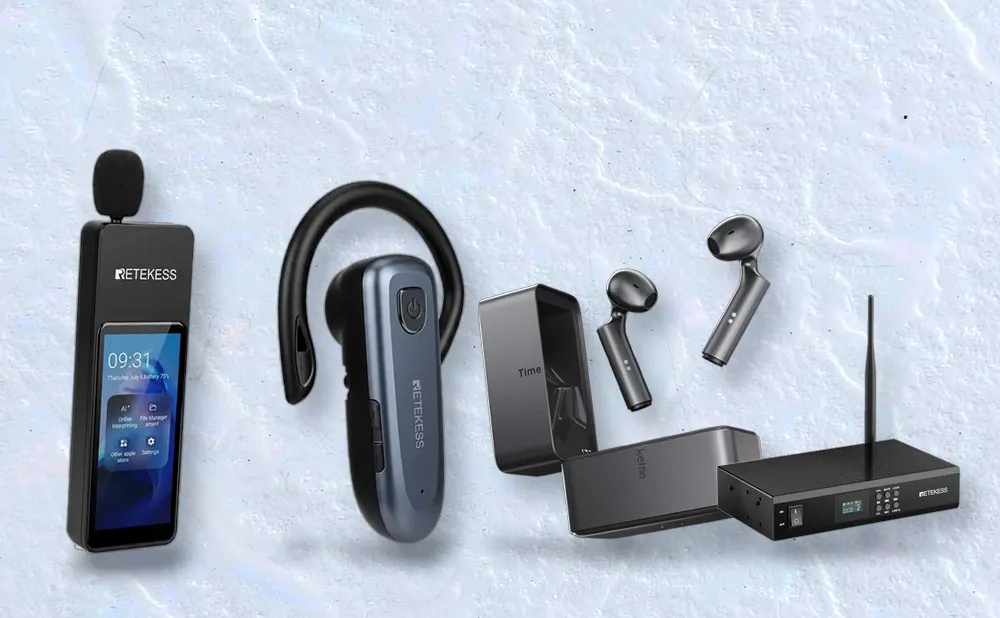
Mid-range options like the Retekess T130P portable interpretation system sit in a price band that works well for teams at four to six shows per year.
Rental vs buy comes down to frequency and predictability. If you run the same kind of event with the same kind of group more than three or four times a year, rental invoices start to eat into money that could have bought the system outright. If your events are scattered, your group sizes vary, and you have nowhere to store equipment, renting remains the lower-friction choice.
Run the numbers once. Add up what you spent on rentals last year and compare it with the purchase price of the equipment you keep renting. The answer will help you decide whether to book another rental or place a purchase order. Still unsure? Consult an equipment specialist for advice to help you make the right decision.







 Google
 Amazon